Keukenhof’s Dazzling Displays
/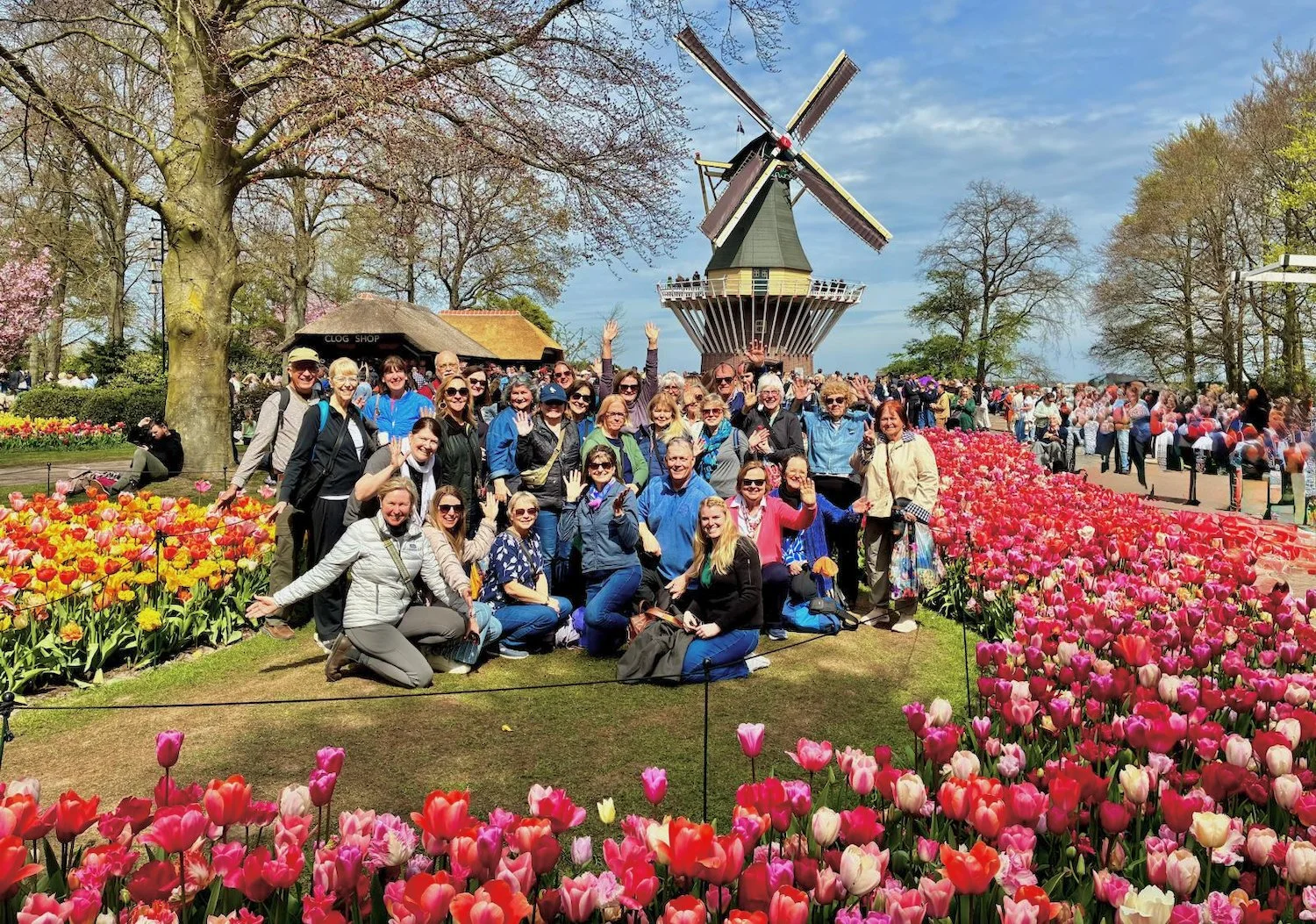
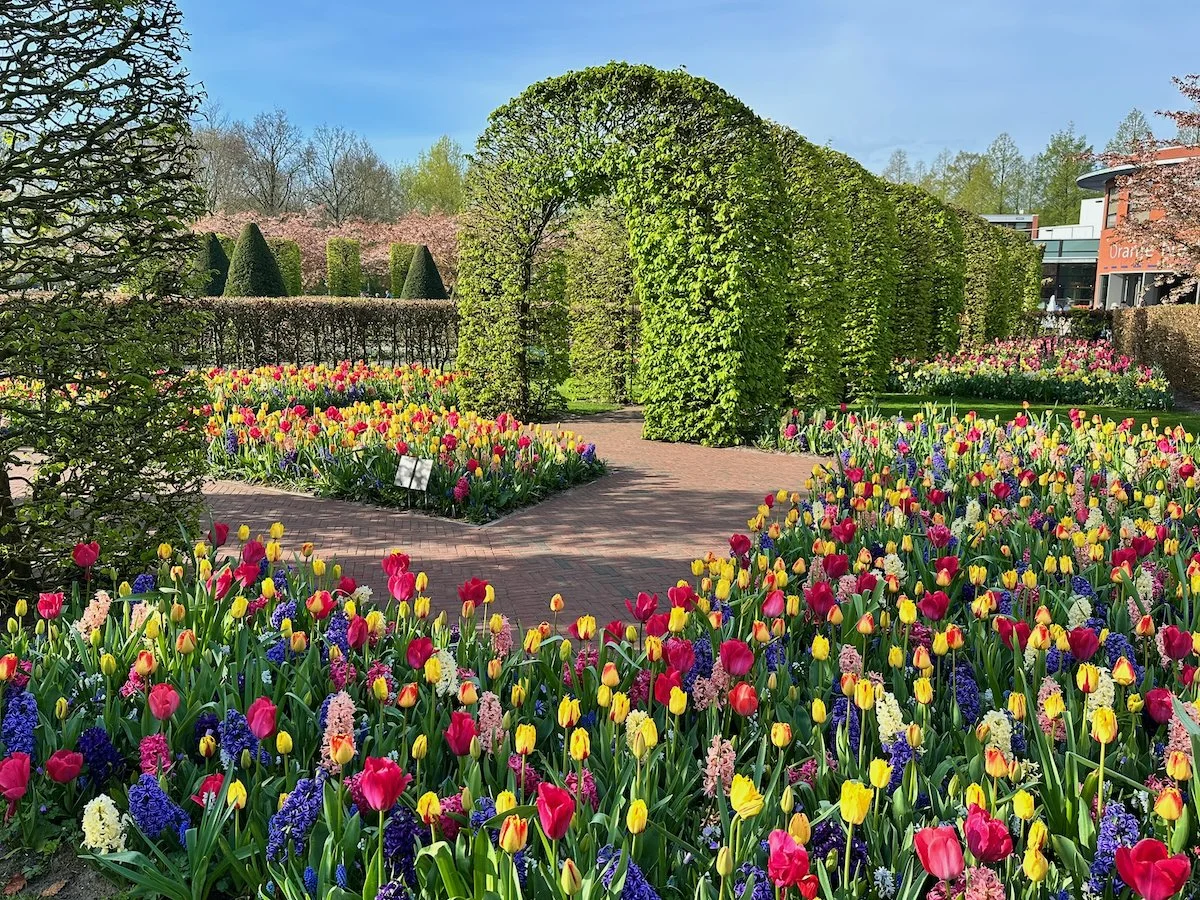
Every spring, the famed Keukenhof transforms the Dutch countryside into a dazzling celebration of bulbs, color, and garden artistry. I visited for the first time this April with a group of 35 garden lovers from New England, Florida, New Mexico, Minnesota and Oregon. We were awestruck by the exuberant colors, wonderful combinations, and seemingly endless displays. No photo can truly capture the scale and emotional impact of this garden.
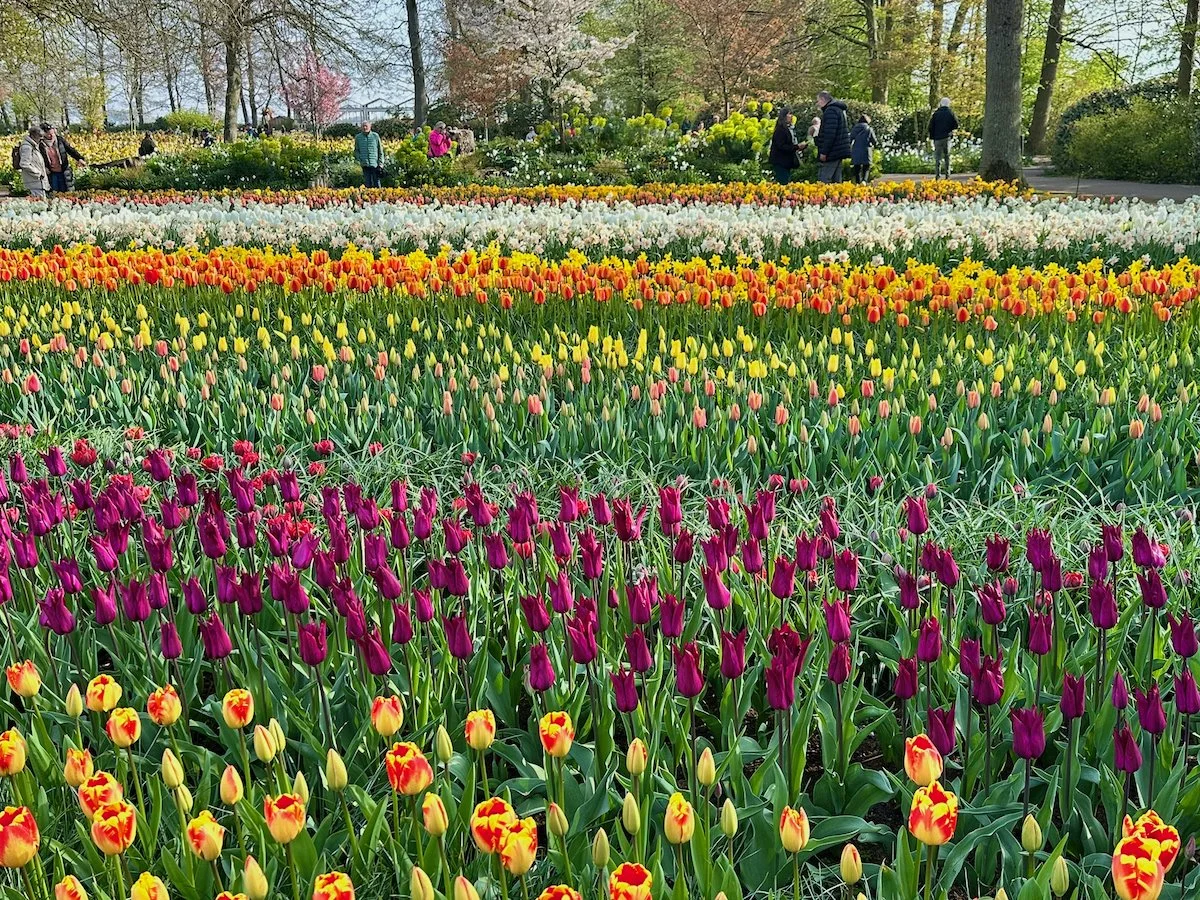
The 2026 season at Keudenhof, running from March 19 through May 10, continues this beloved tradition of garden artistry with more than seven million flower bulbs planted across nearly eighty acres of parkland. For gardeners, Keukenhof is far more than a tourist attraction — it is a living encyclopedia of bulb design, planting techniques, and horticultural inspiration.
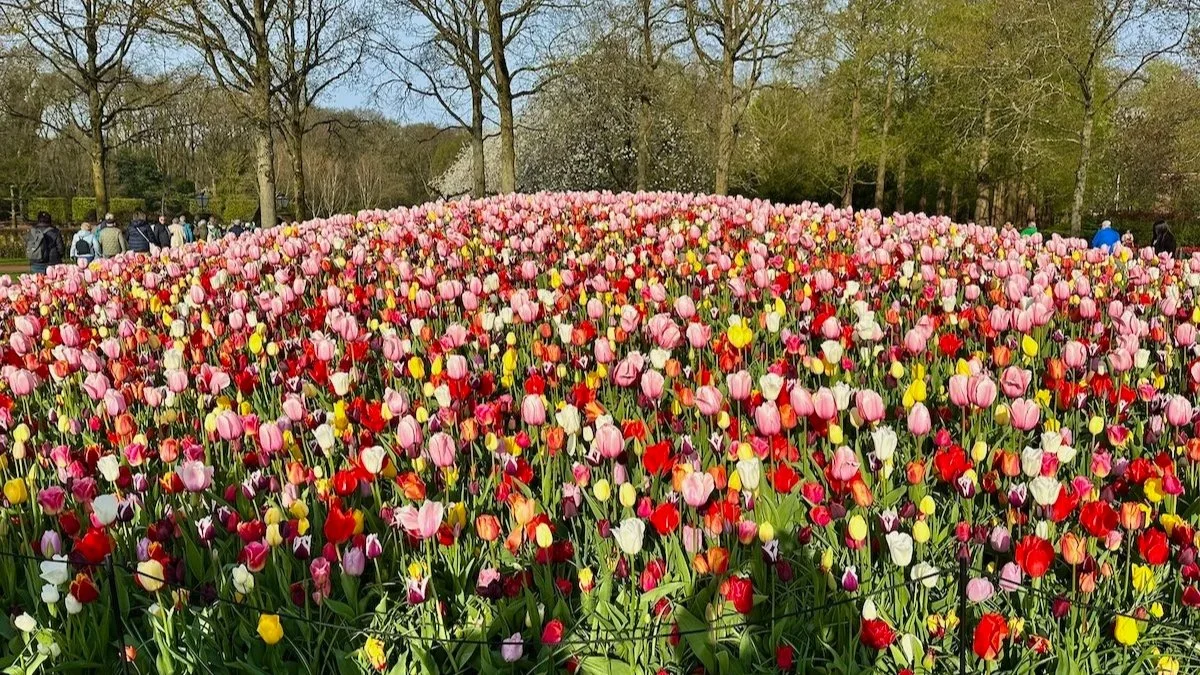
This year’s displays emphasize naturalistic planting and artistic floral design. Rather than focusing on a single overarching theme, Keukenhof 2026 highlights a series of inspiration gardens, rotating pavilion exhibitions, and outdoor art installations centered on the idea of “Nature.” Sculptures and contemporary artworks are woven through the landscape, encouraging visitors to experience flowers as both horticulture and art.
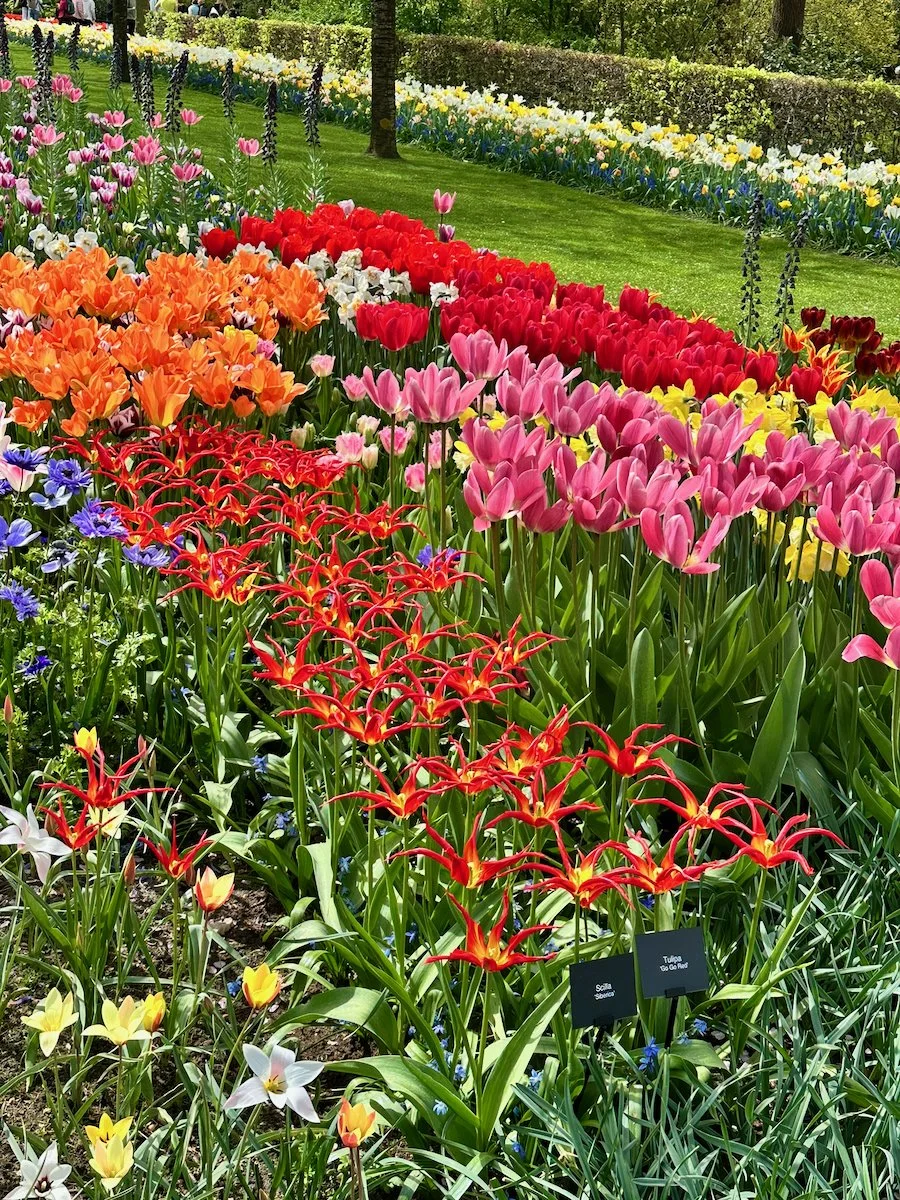
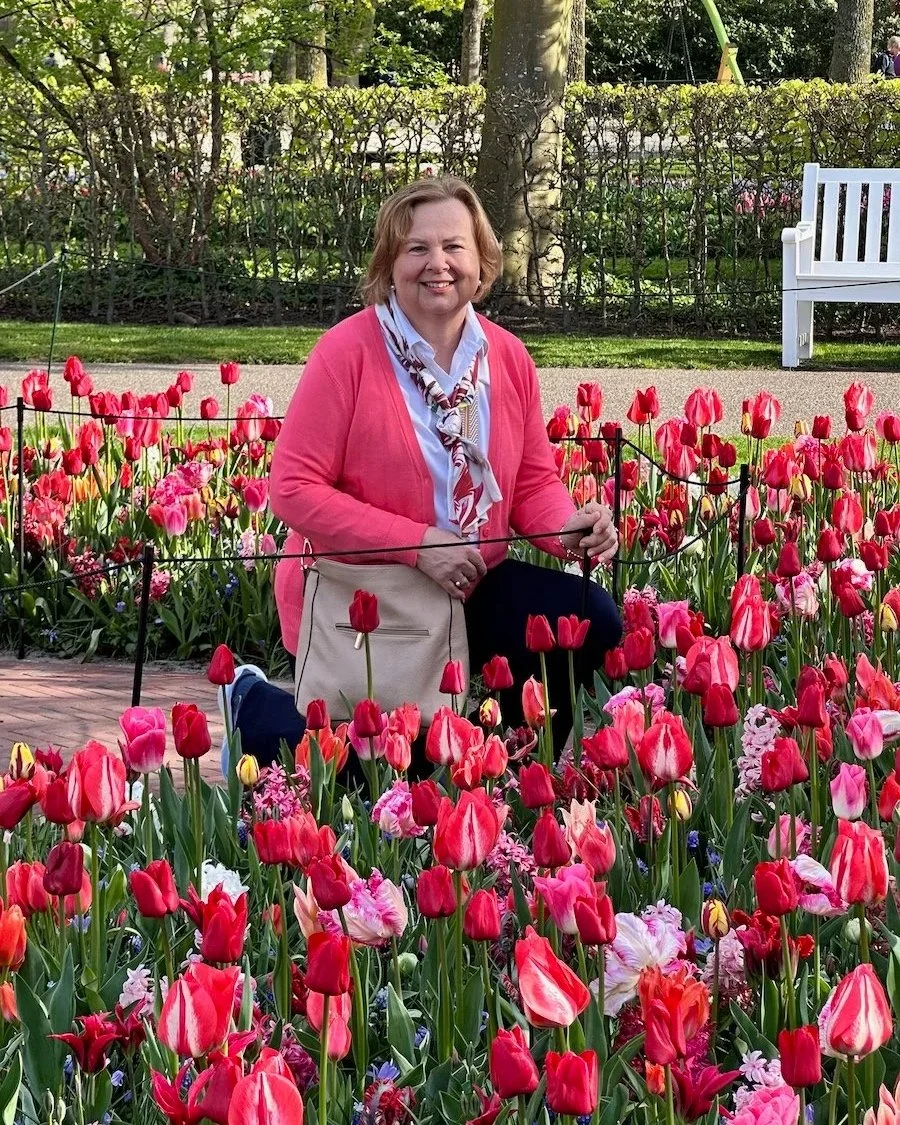
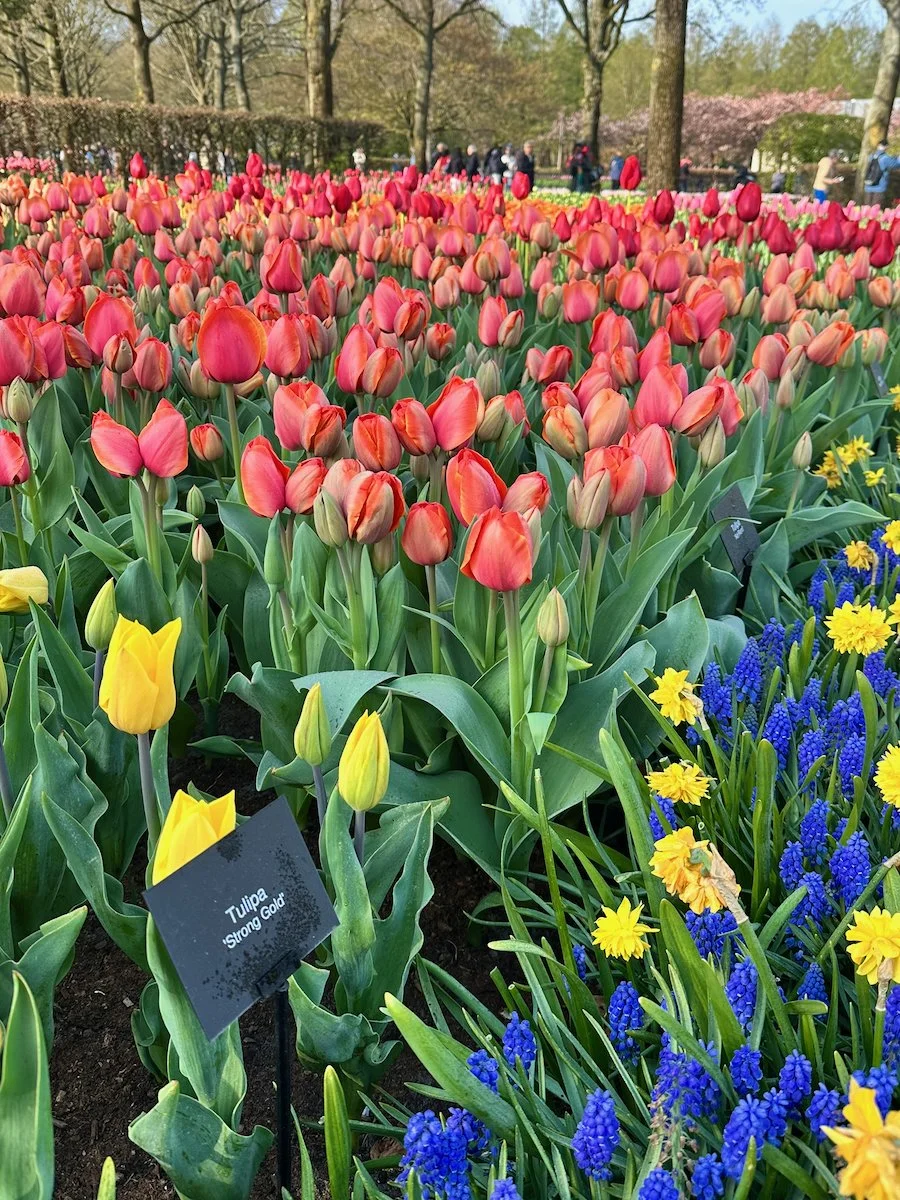
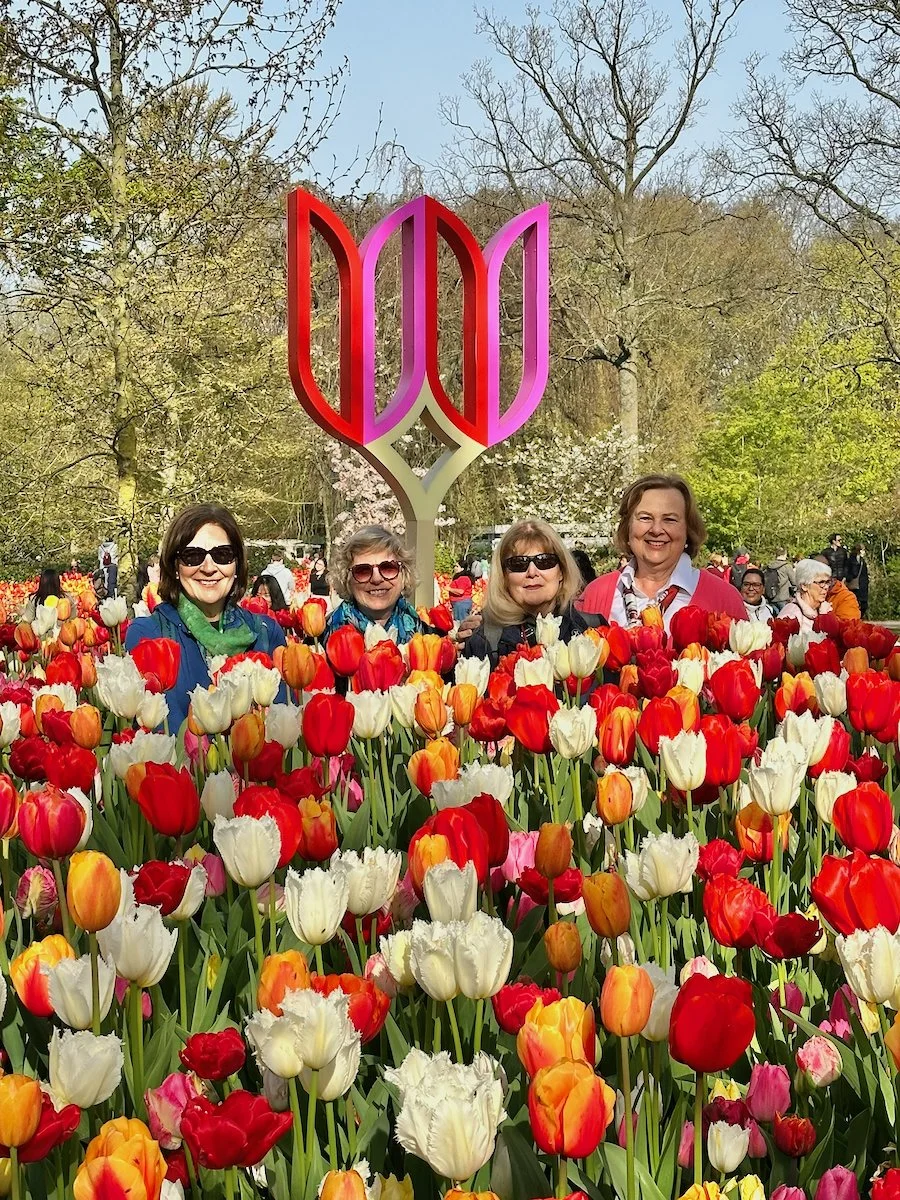
tulip 'go go red’ makes a striking statement with its narrow pointy petals
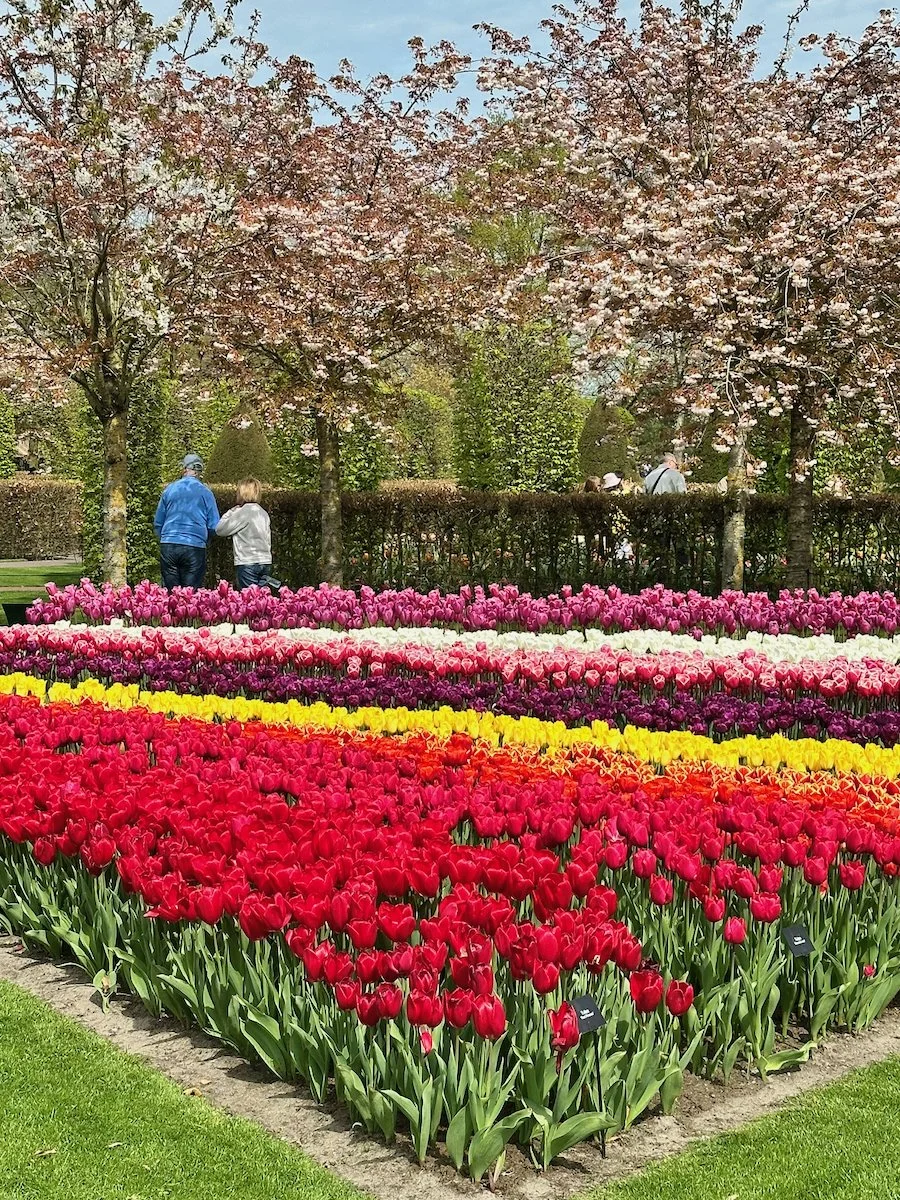
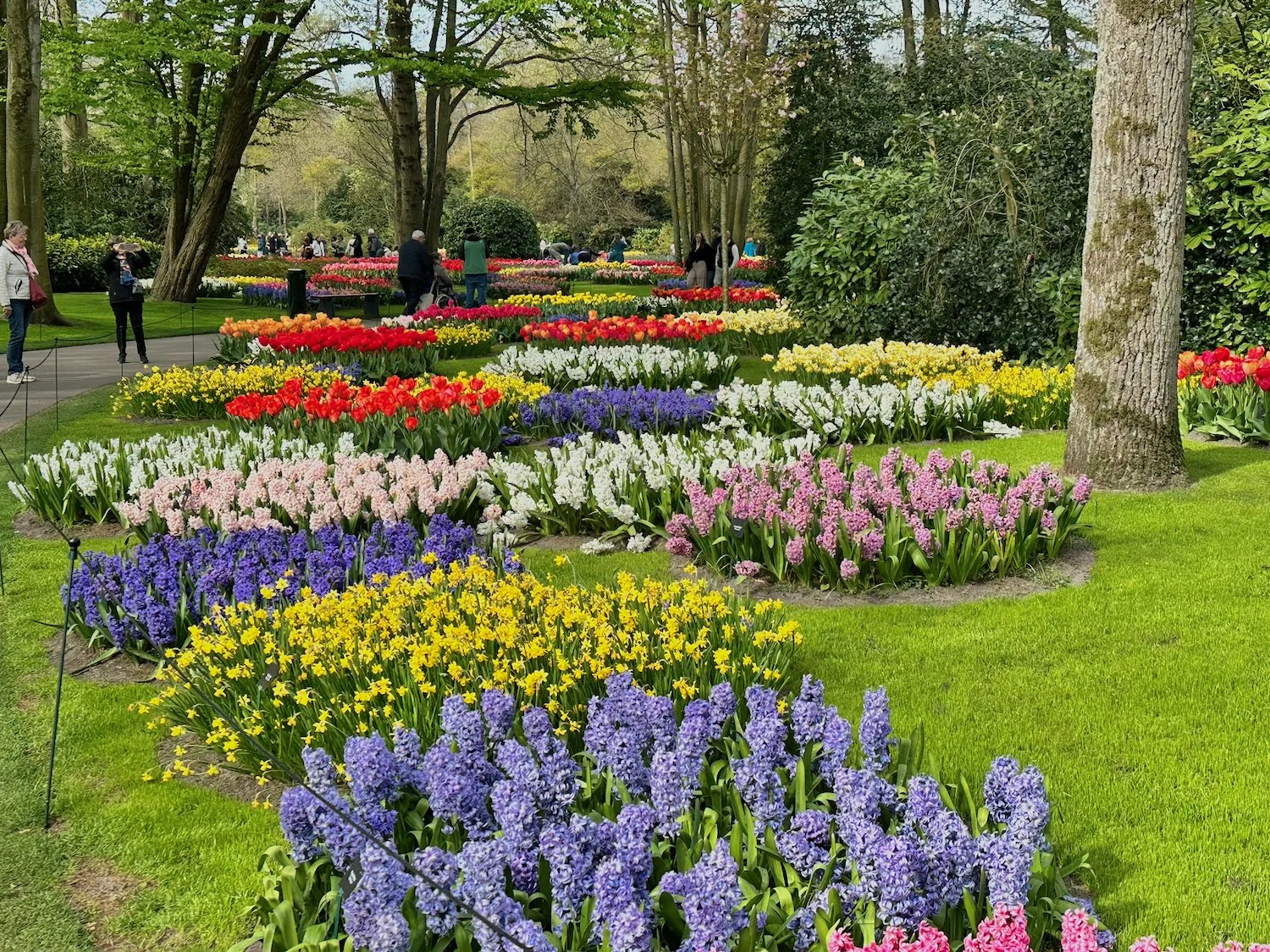
One of the most striking features of the 2026 displays is the use of layered bulb planting. Keukenhof gardeners combine early, midseason, and late tulips in the same beds to create weeks of uninterrupted bloom. Daffodils, grape hyacinths, crocuses, fritillaries, and hyacinths are interplanted with tulips in painterly drifts that appear effortless but require extraordinary planning. Gardeners visiting the park can gather countless ideas for extending spring color in their own landscapes.
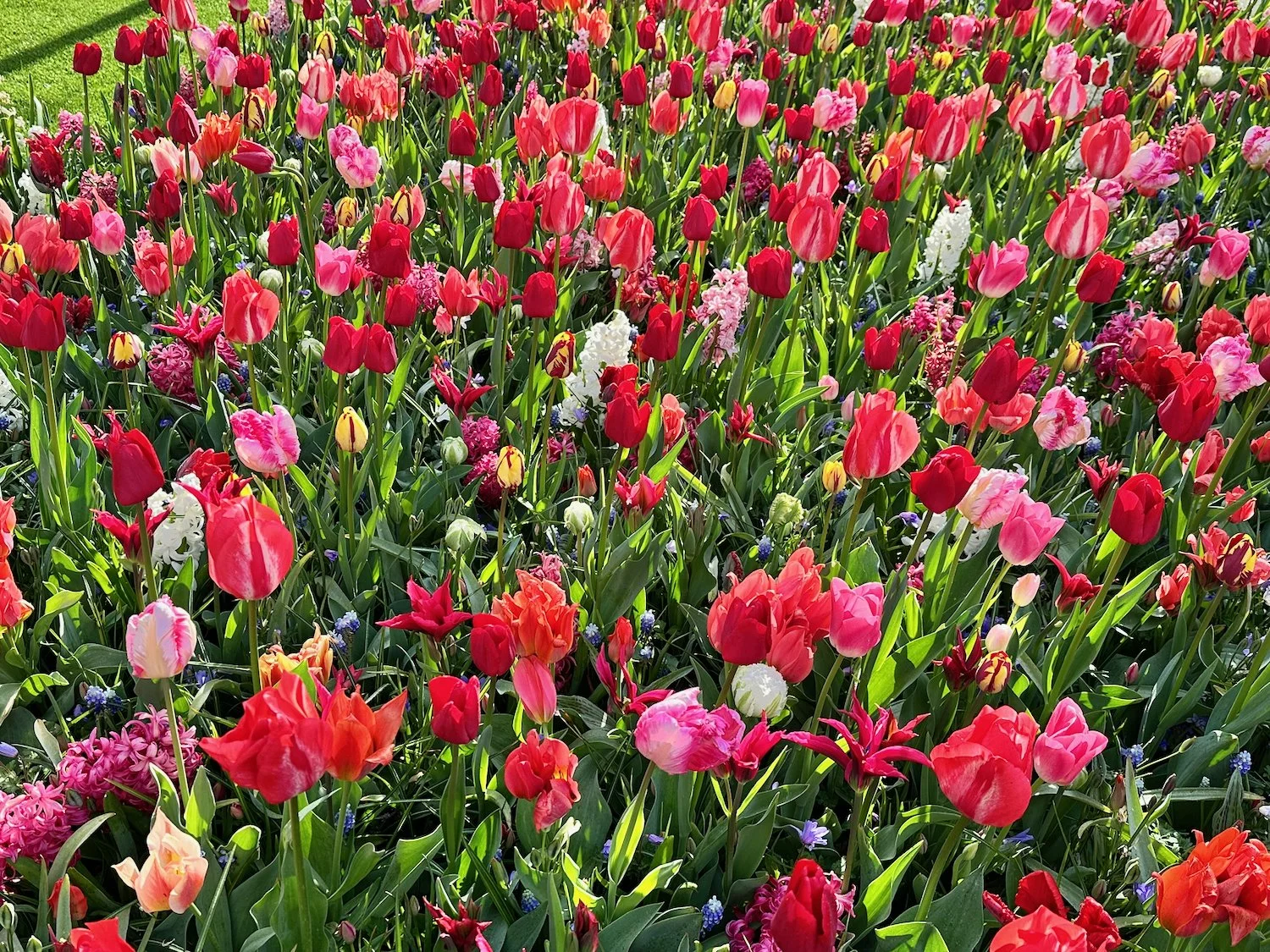
The Willem-Alexander Pavilion remains a highlight for bulb enthusiasts. Here, hundreds of tulip cultivars are displayed in carefully curated arrangements showcasing the remarkable diversity of modern breeding. Visitors can compare classic Darwin hybrids with fringed, parrot, lily-flowered, and double late tulips. Rare cultivars featuring smoky purples, apricot tones, and antique blush shades are especially prominent in 2026.
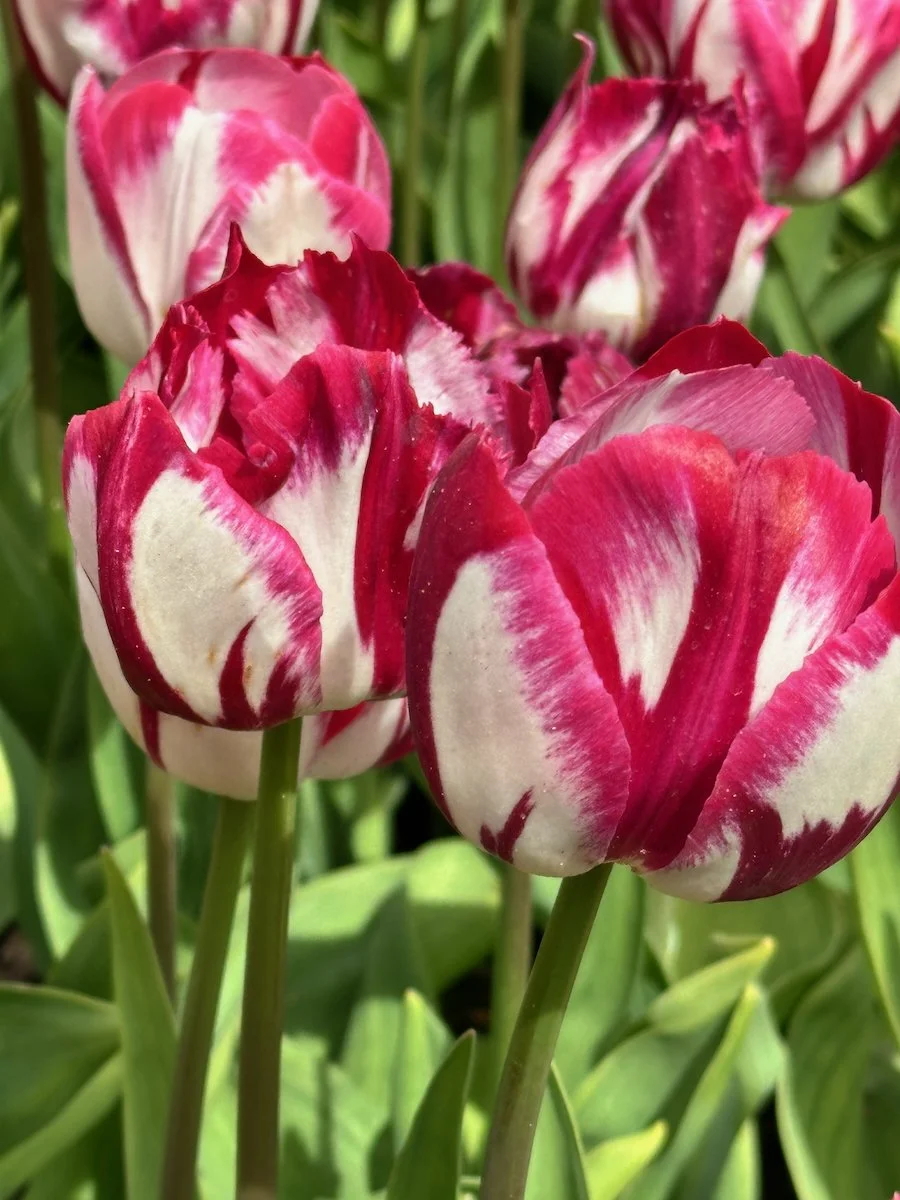
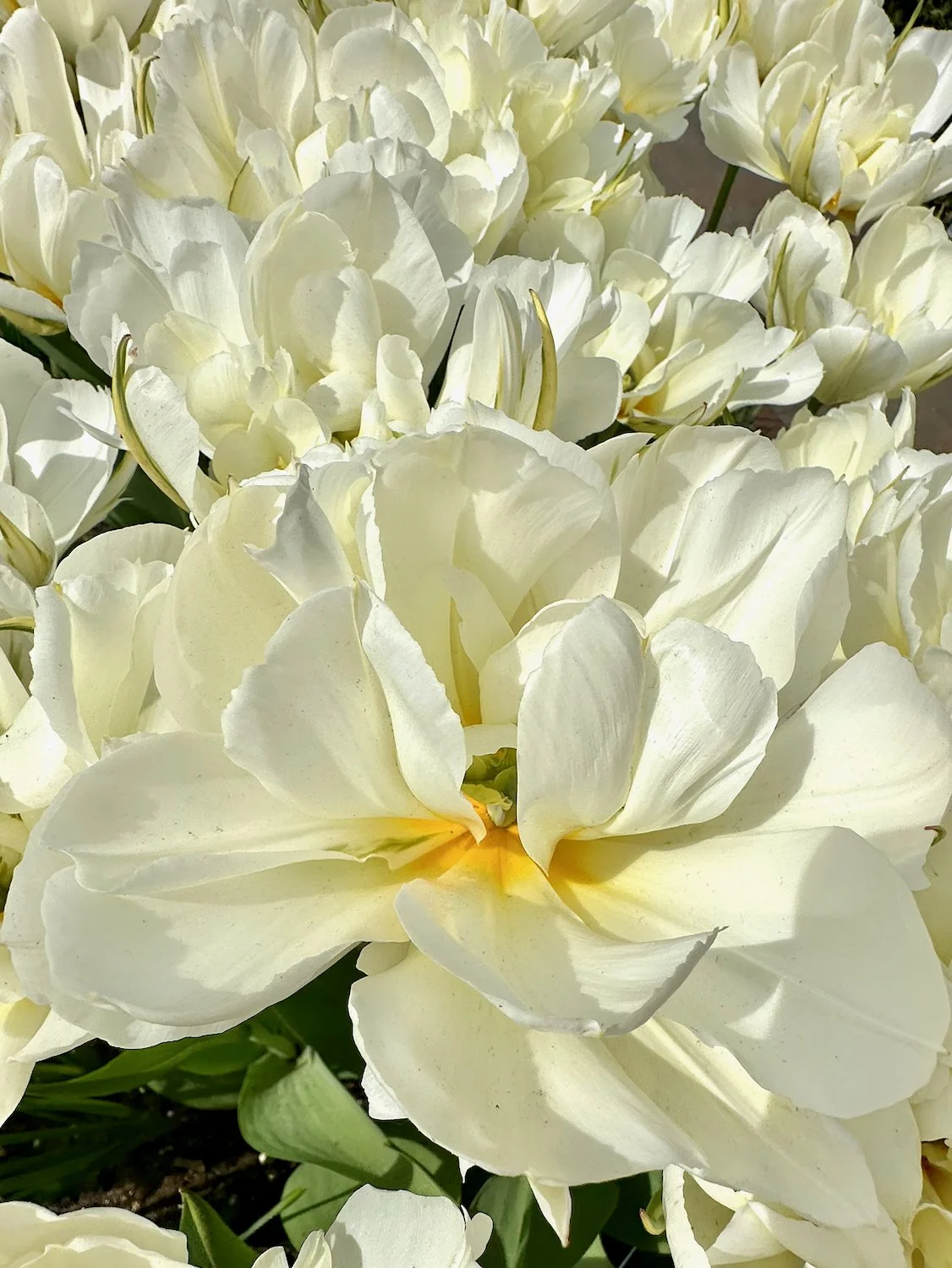
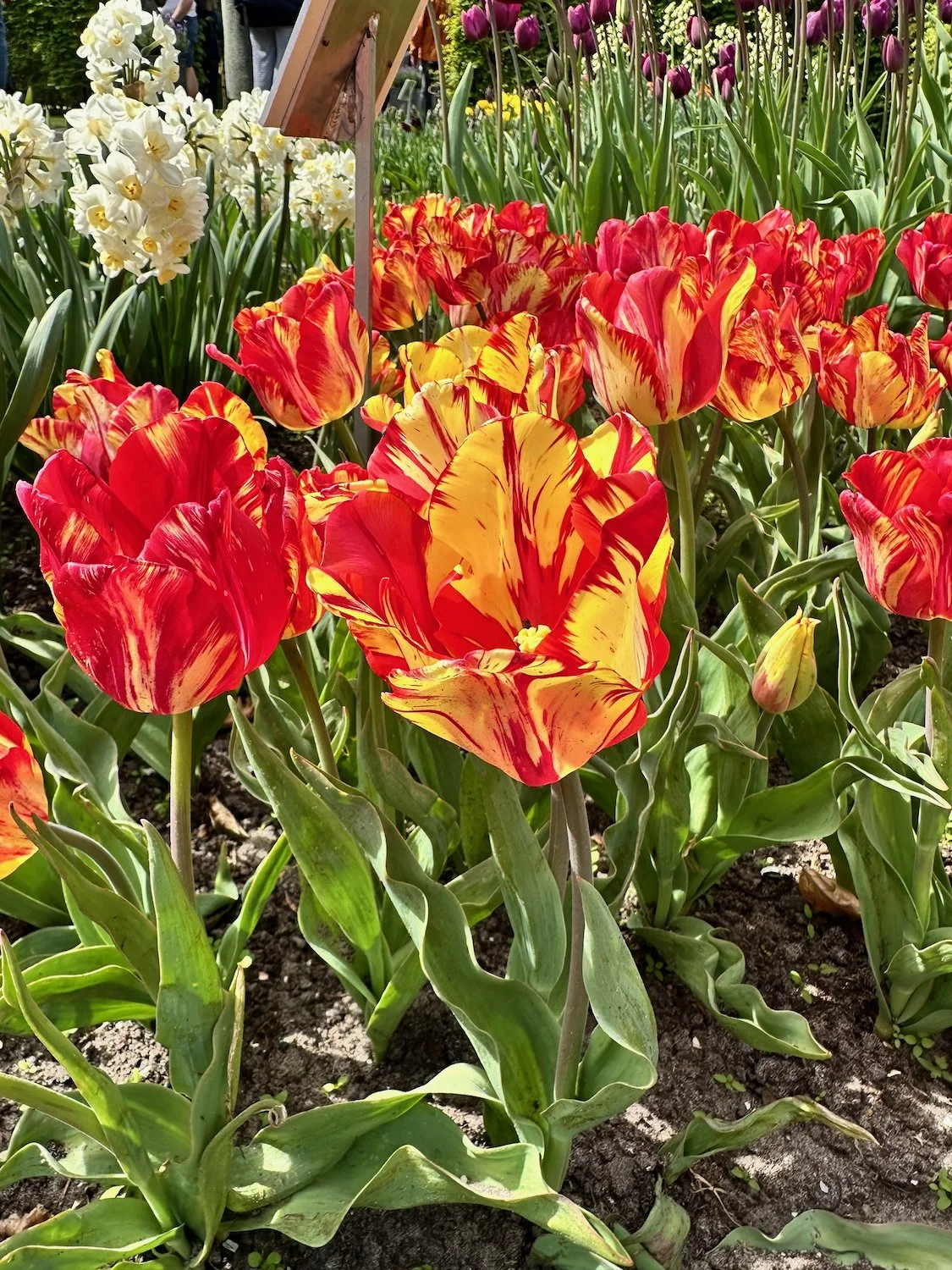
Among the season’s strongest trends are vintage-inspired pastel tulips, dramatic fringed varieties, and bold “dark and moody” combinations pairing nearly black tulips with glowing oranges and yellows. Cultivars such as ‘Foxy Foxtrot,’ ‘Queensland,’ and the ever-popular ‘Queen of Night’ are featured extensively throughout the displays. These combinations demonstrate how modern gardeners can create sophisticated color harmonies while still embracing the exuberance of spring bulbs.
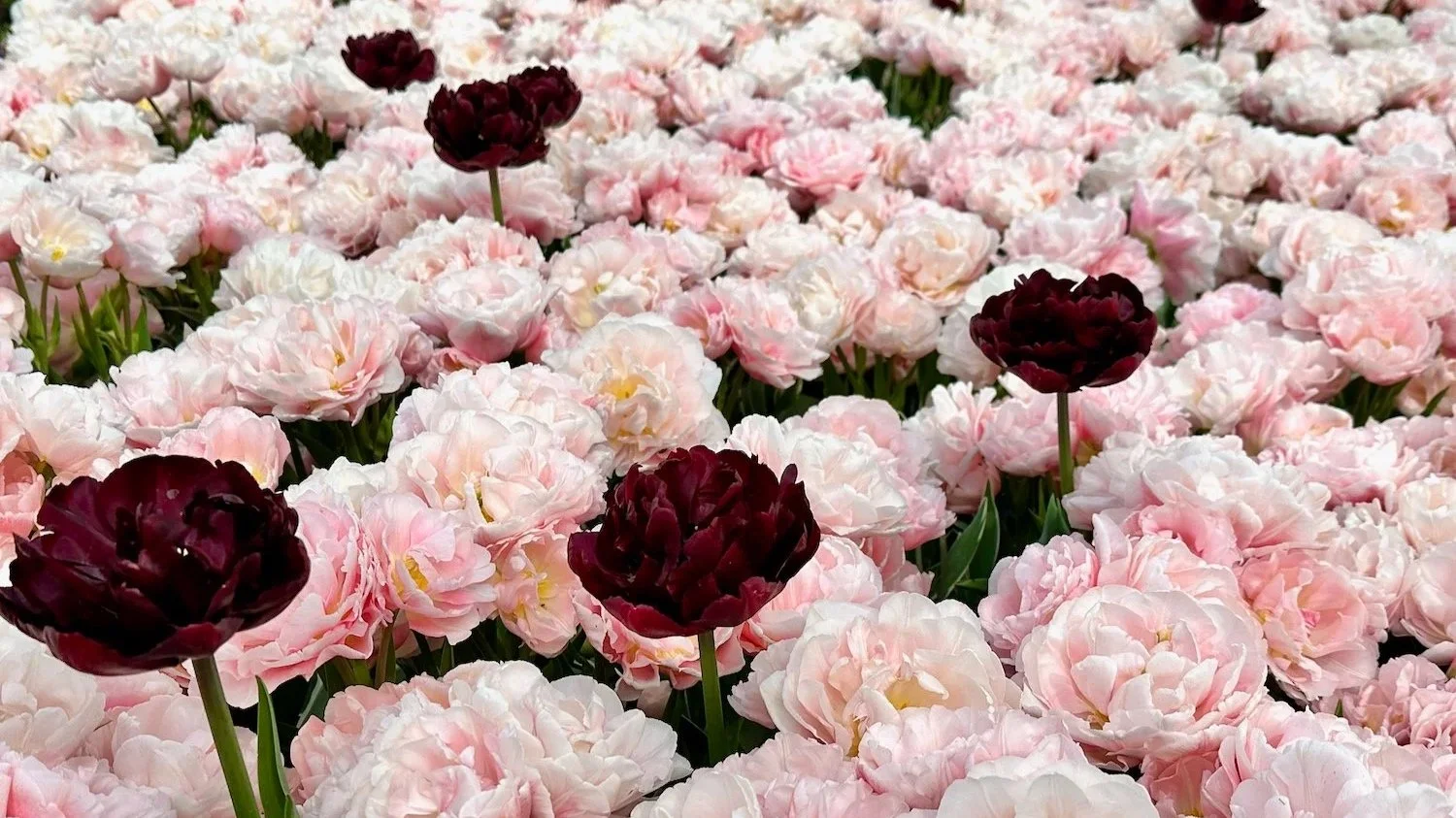
Beyond the formal beds, Keukenhof’s woodland gardens offer a softer aesthetic. Flowering cherries, naturalized daffodils, winding streams, and mossy paths provide a quieter counterpoint to the bold tulip displays. The historic garden section, meanwhile, showcases heirloom tulips and traditional Dutch planting styles, giving visitors a glimpse into centuries of bulb cultivation.
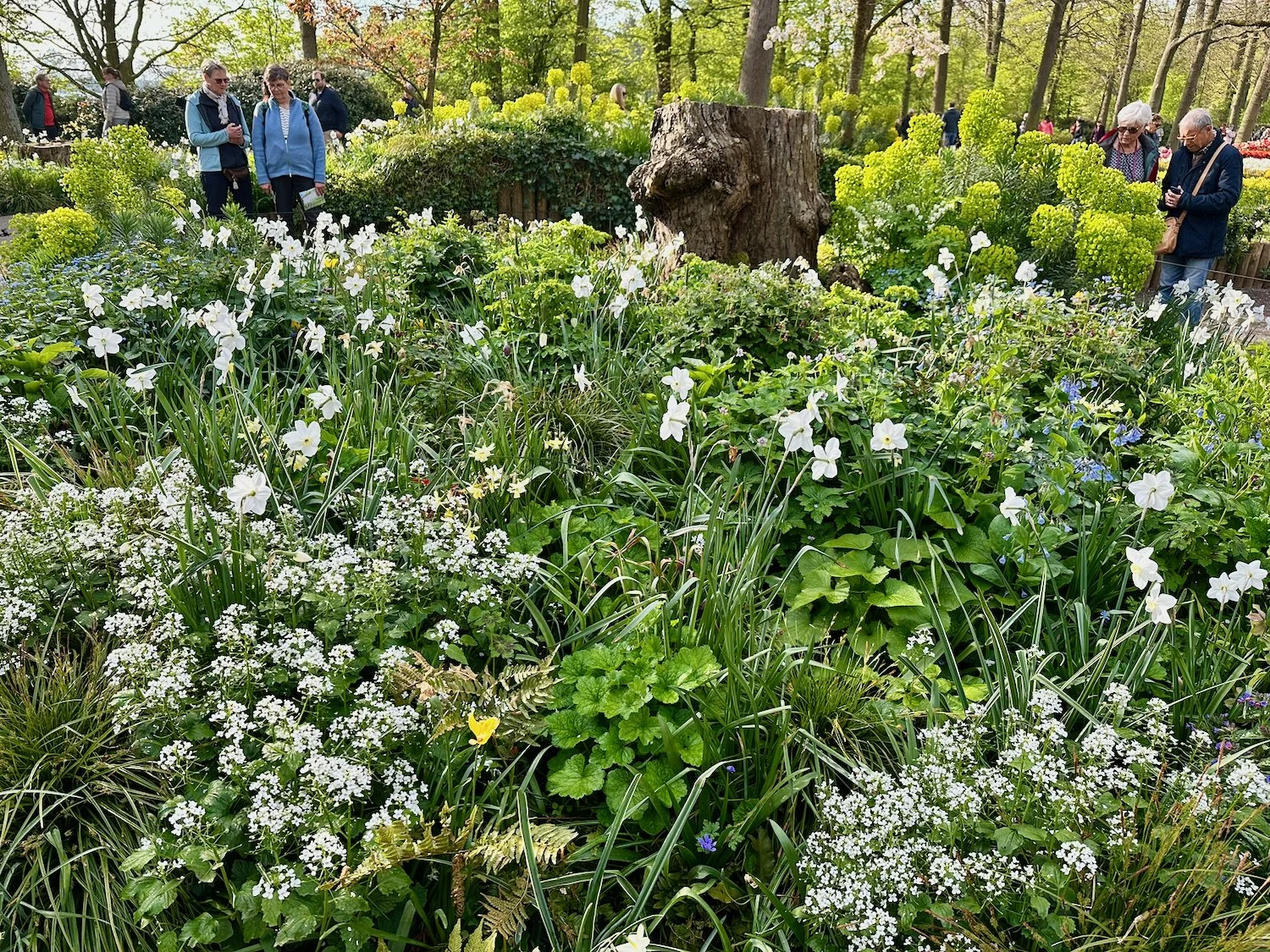
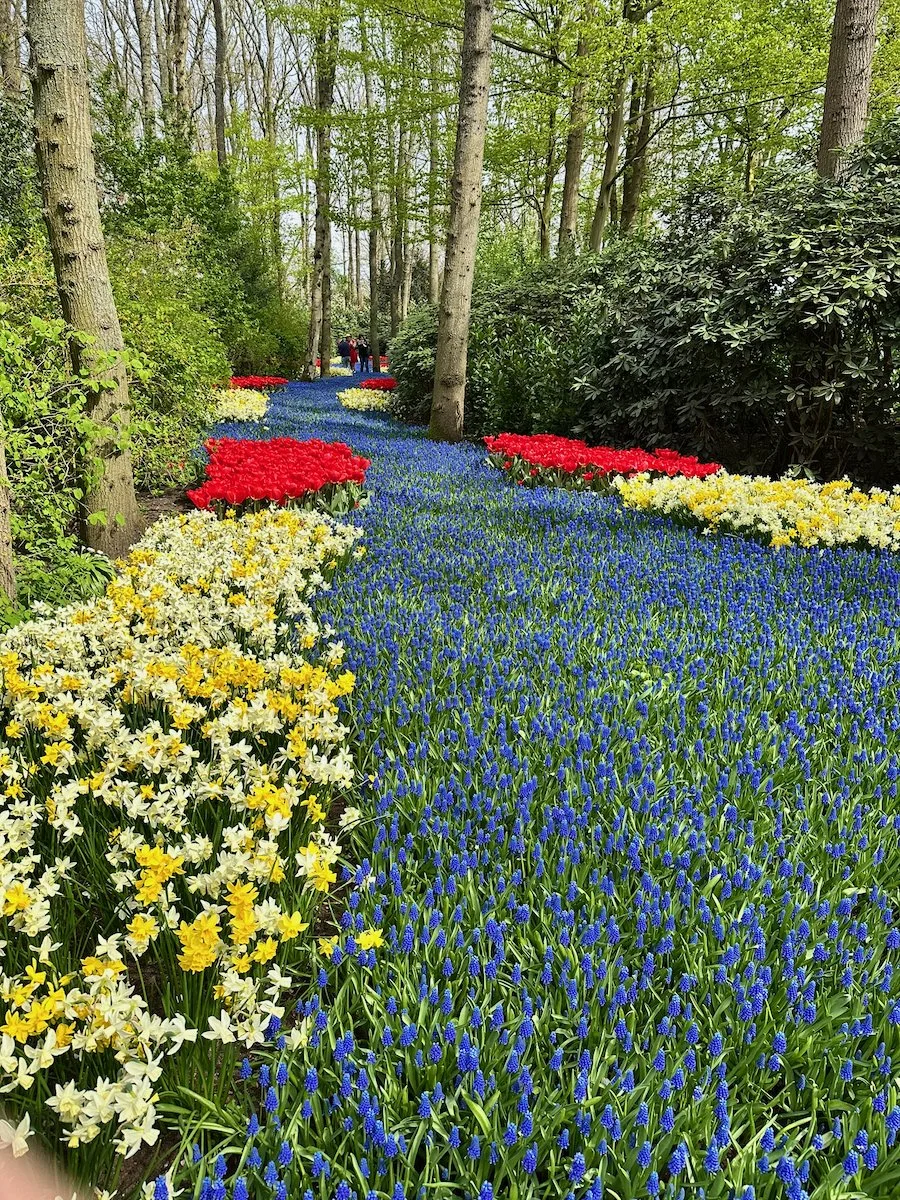
a river of grape hyacinths in the woodland garden
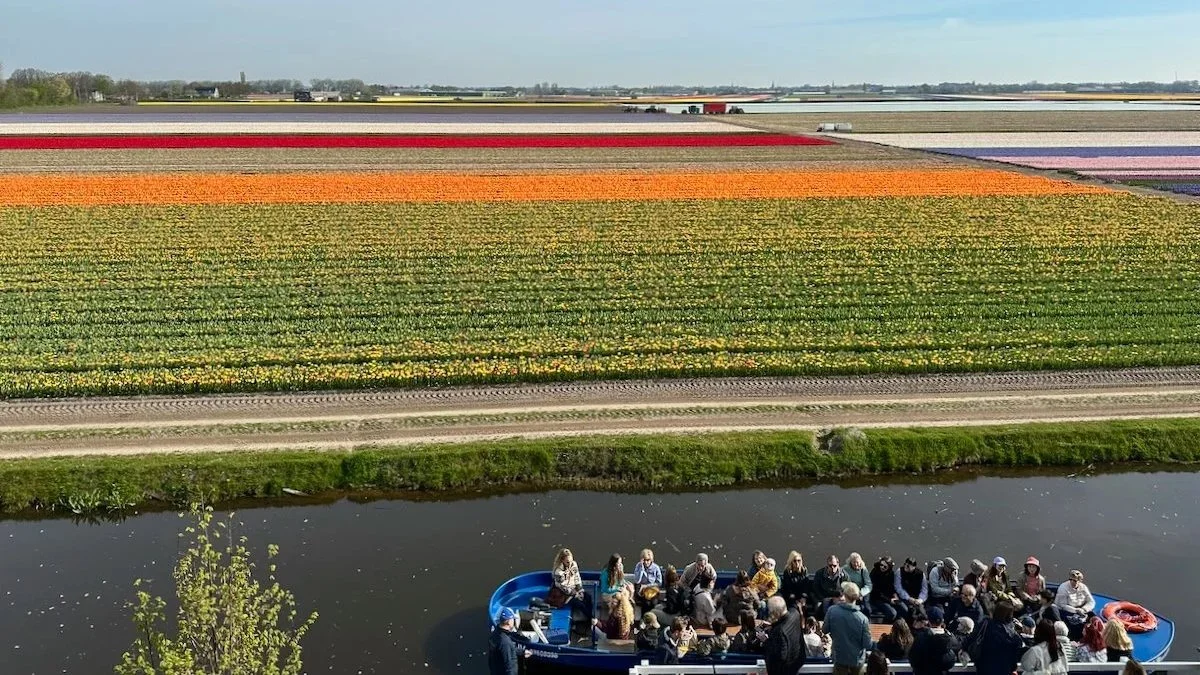
Several vantage points in the garden offer views of the bulb growing fields adjacent to Keukenhof.
The enduring appeal of Keukenhof lies not only in the sheer quantity of flowers, but in the artistry behind them. Every pathway reveals thoughtful combinations of texture, foliage, bloom shape, and color rhythm. Gardeners leave inspired to experiment more boldly at home, whether by planting tulips in layered drifts, introducing contrasting foliage, or combining bulbs with perennials and shrubs for a more natural effect.
While millions of visitors marvel at the dazzling floral displays of Keukenhof every year, few realize the extraordinary amount of work that takes place long before the gardens open — and after the final tulip fades. Keukenhof is not a permanent landscape of blooming bulbs. Instead, it is an enormous seasonal production that is carefully dismantled and replanted every single year.
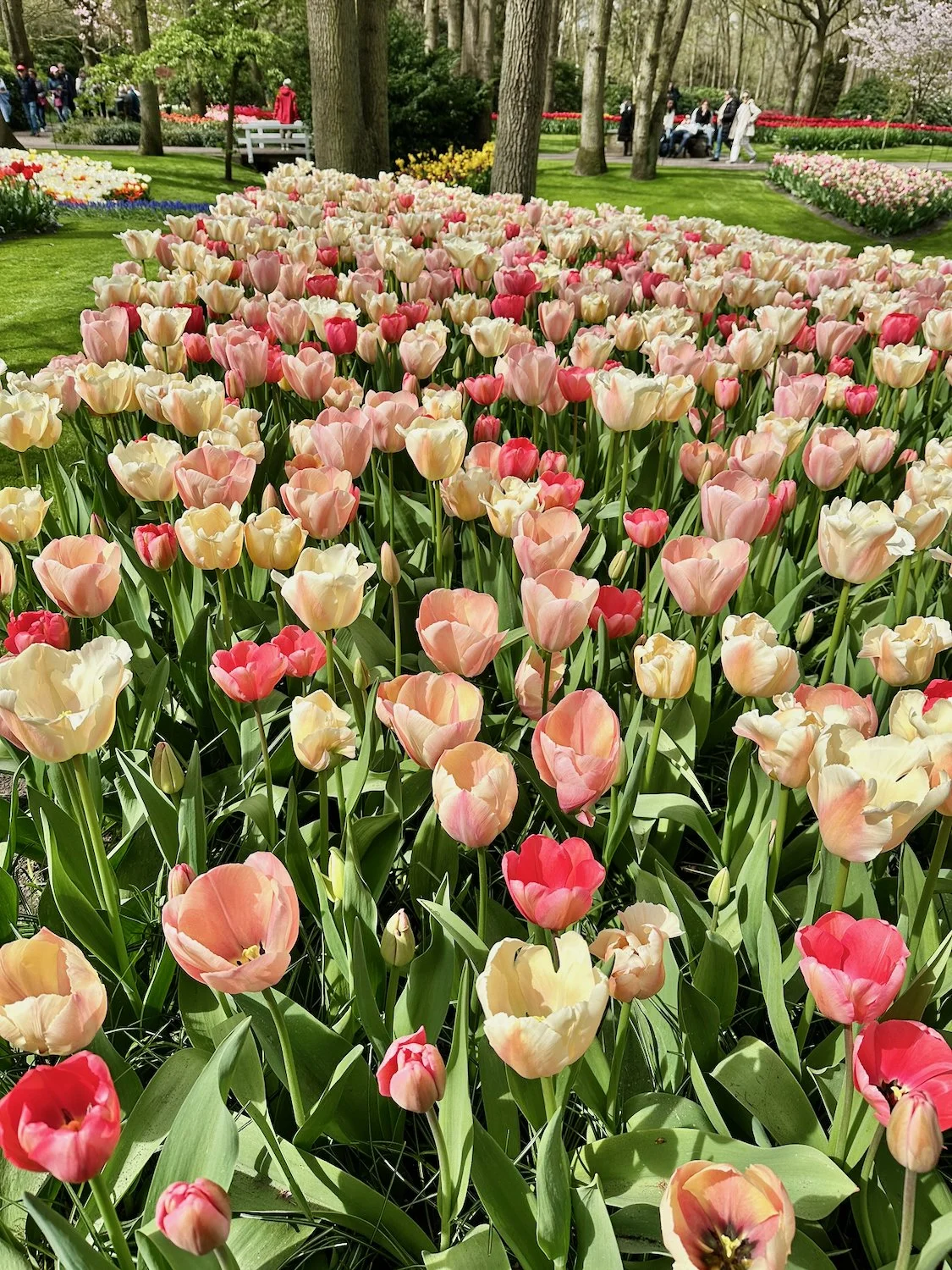
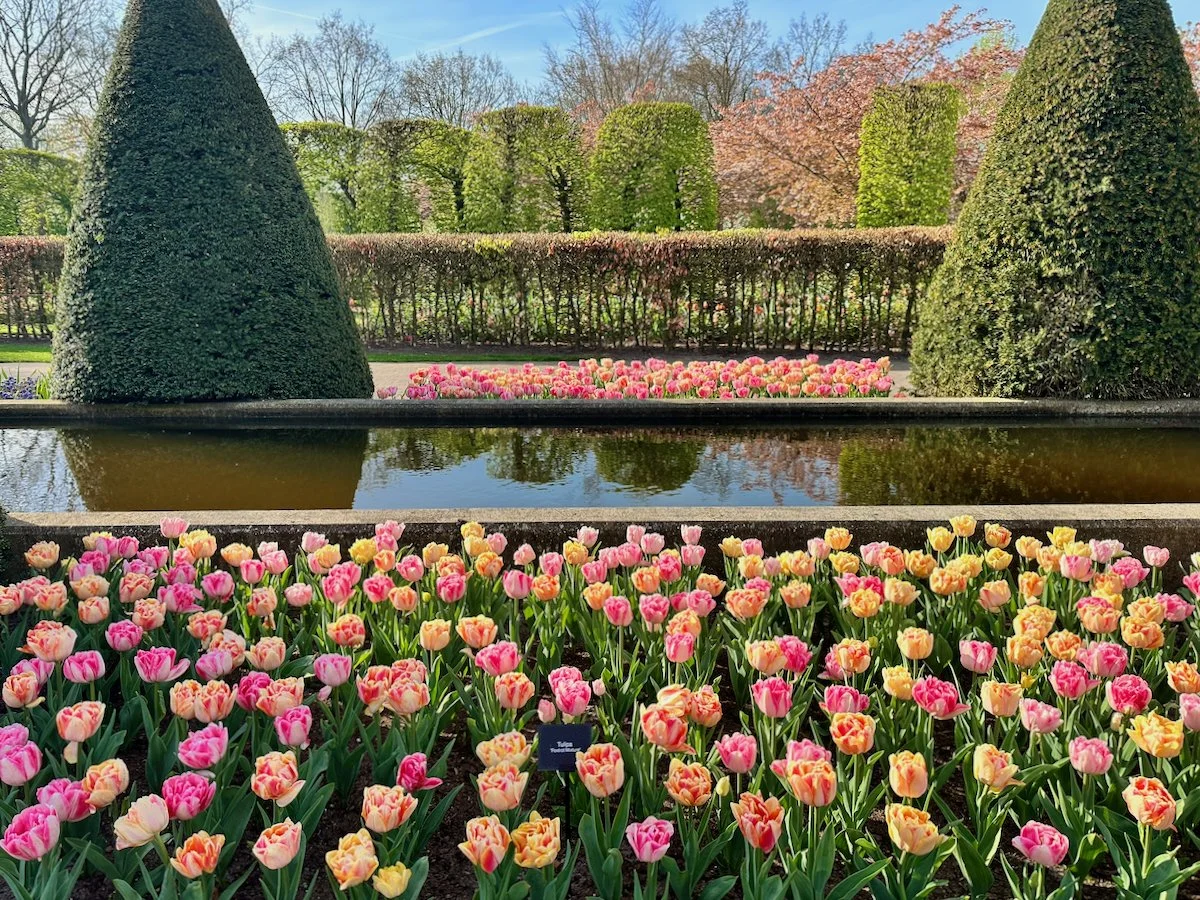
stunning color combination of coral, apricot and cream
Preparation for the next Keukenhof season begins almost immediately after the current display closes in May. Once visitors leave and the flowering period ends, gardeners begin removing millions of spent bulbs from the display beds. Unlike many home gardeners who leave tulips in the ground to naturalize, Keukenhof treats most of its tulips as annuals. The bulbs are lifted because repeated flowering often produces weaker blooms, uneven heights, and inconsistent color displays — unacceptable in a garden known for perfection.
The removed bulbs are generally composted or discarded rather than replanted in the show gardens. Because many of the tulips are grown specifically for exhibition quality, they are selected for one spectacular season rather than long-term performance. Commercial bulb growers throughout the Netherlands supply fresh bulbs each year to ensure the displays remain vigorous, uniform, and dramatic.
During summer, the gardens enter a quieter phase. Landscape designers begin developing entirely new planting plans for the following season. Every bed is redesigned, often with different color harmonies, bulb combinations, and artistic themes. Designers carefully consider bloom timing, height progression, texture, and color transitions so that the gardens remain visually compelling throughout the eight-week season.
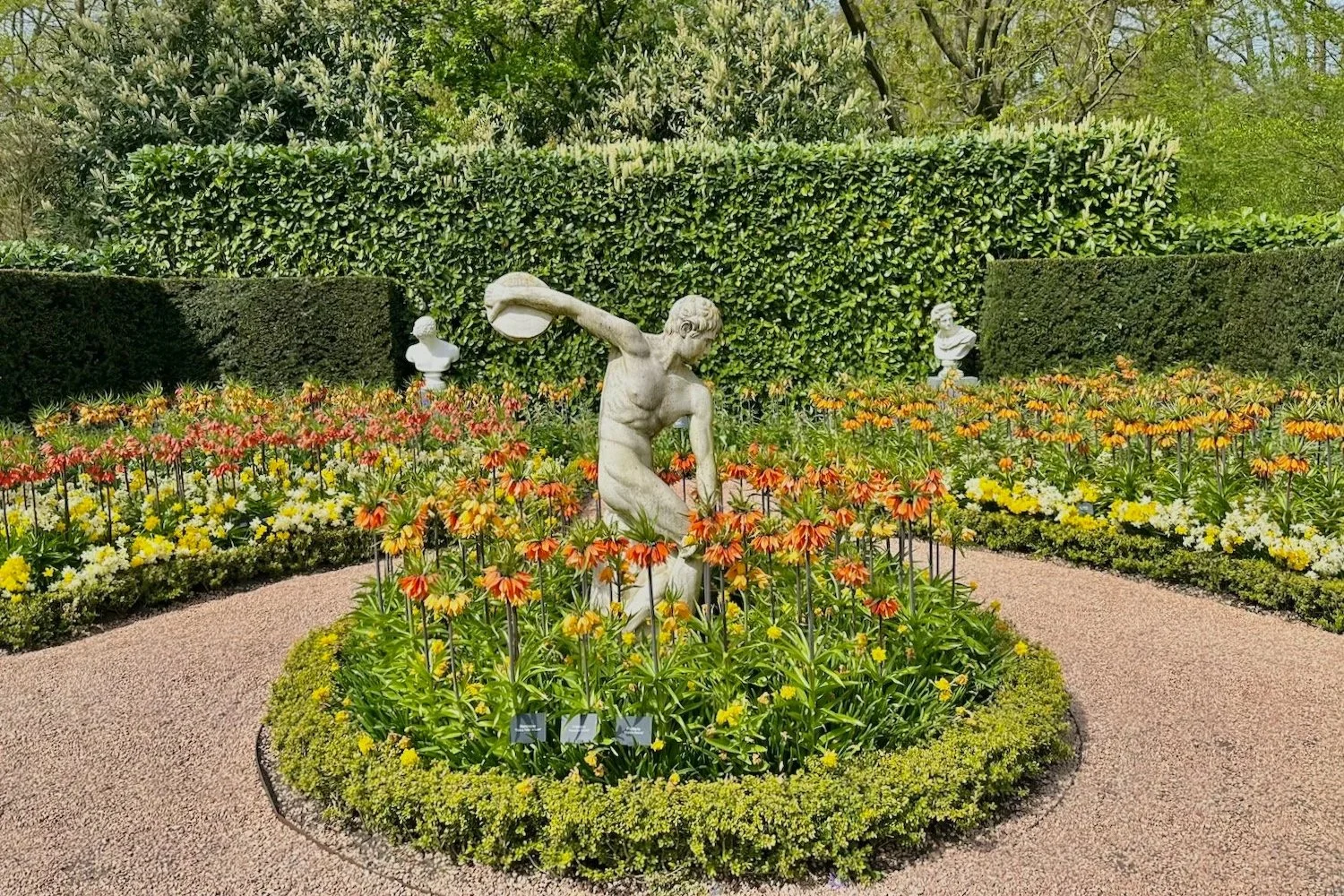
Frittilaries (crown imperials) and miniature daffodils create a stunning display in the historic bulb garden
Planting begins in autumn, usually from October through early December. This is one of the most labor-intensive periods of the year. Teams of gardeners hand-plant approximately seven million bulbs across nearly eighty acres of landscape. Many beds are planted using the Dutch “lasagna” technique, in which bulbs are layered at different depths according to bloom time. Early tulips may be planted above late varieties, while hyacinths and daffodils are woven between them. This method creates a succession of flowers that keeps the displays colorful from March through May.
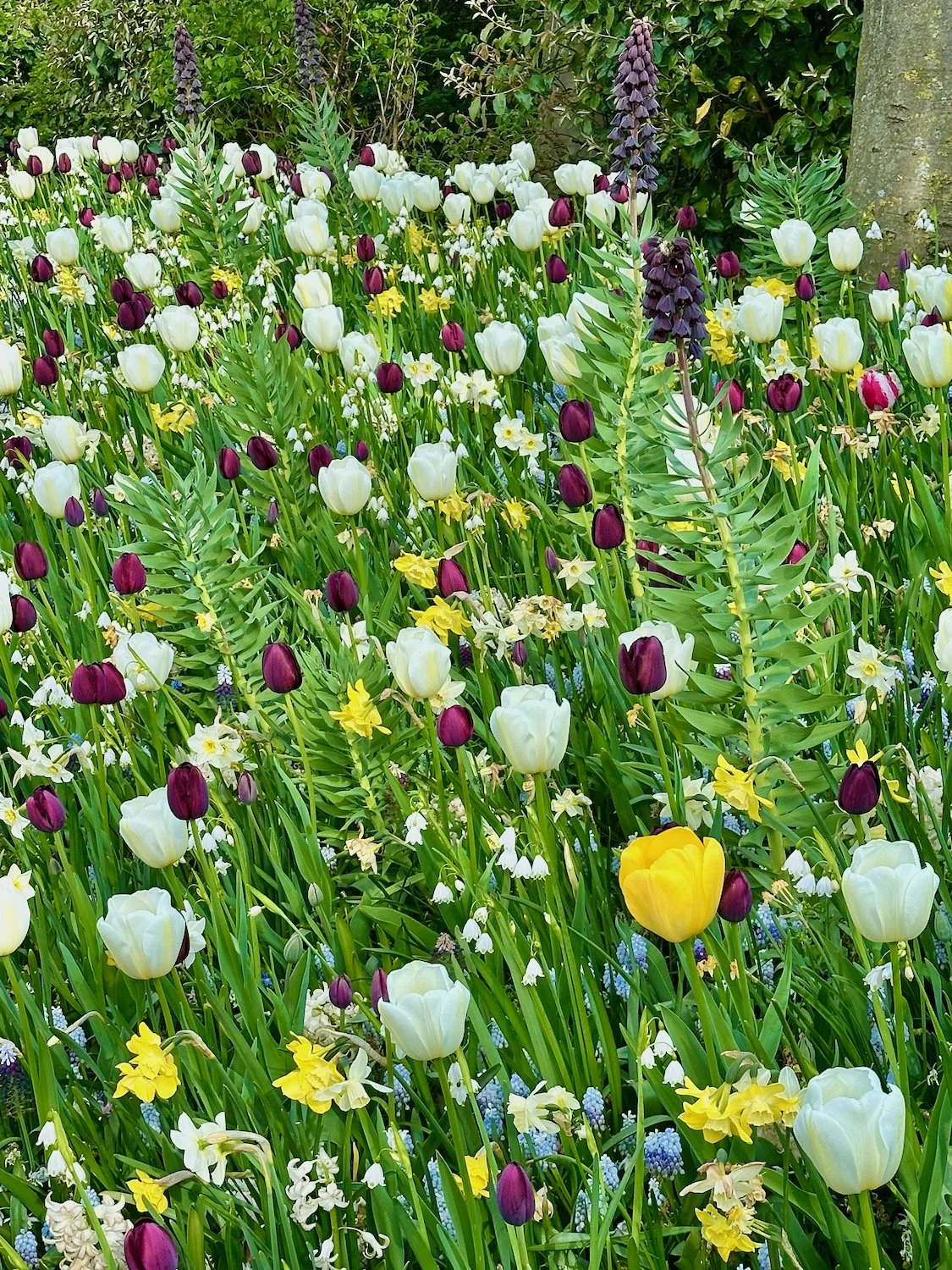
a dynamic combination of deep purple frittilaries, white, purple and yellow tulips, daffodils, leucojum (summer snowflake) and grape hyacinths
The planting process is astonishingly precise. Gardeners use detailed maps indicating the exact placement of each cultivar. Individual beds may contain thousands of bulbs arranged in sweeping ribbons or painterly drifts. Crane-like bulb planters assist with some large-scale installations, but much of the work is still completed by hand to maintain artistic accuracy.
Winter weather then plays a critical role in the success of the gardens. The bulbs require a prolonged period of cold dormancy to produce strong stems and vivid flowers. During winter months, the grounds appear surprisingly bare, with only labels and emerging shoots hinting at the spectacular display to come.
When spring finally arrives, Keukenhof bursts into bloom with extraordinary speed. The display changes daily as early crocuses and daffodils give way to hyacinths, midseason tulips, and finally late-flowering varieties. Gardeners continuously groom the beds during the season, removing spent blooms and adjusting displays to maintain immaculate presentation.
Yet the beauty of Keukenhof is intentionally fleeting. The gardens are designed as a temporary masterpiece — a celebration of spring that exists for only a few weeks before the cycle begins again. Behind every tulip border lies an immense year-round effort of planning, planting, lifting, redesigning, and reimagining. For gardeners, Keukenhof offers not only inspiration, but also a remarkable example of horticulture practiced on a grand artistic scale.