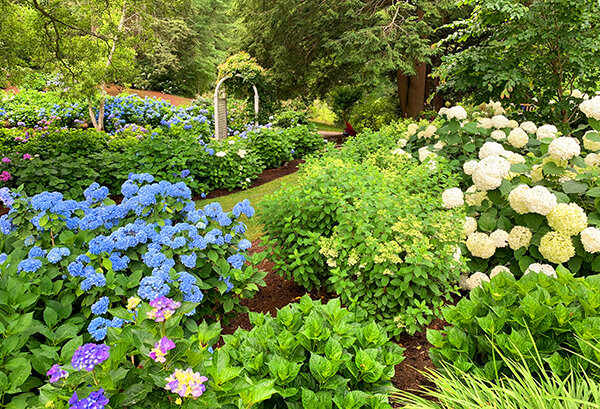
Madeira: The Garden Island of the Atlantic
/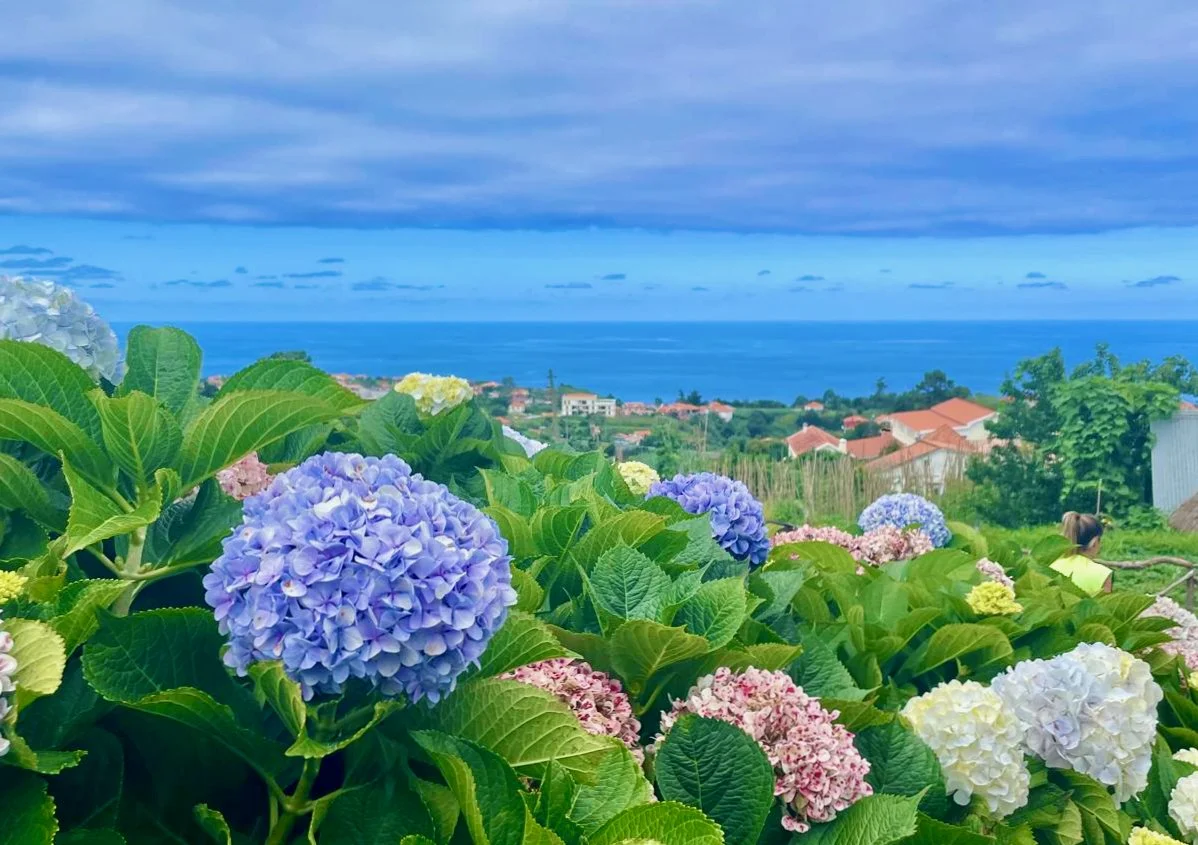
photo by andreia lopo
I will soon announce a brand new garden tour of beautiful the Portuguese island of Madeira, with a couple of days in Lisbon. The tour will be organized by Lois Moss of Visit Gardens and Portugese tour guide Andreia Lopo, who will accompany us on the trip, which is scheduled for late September 2027.
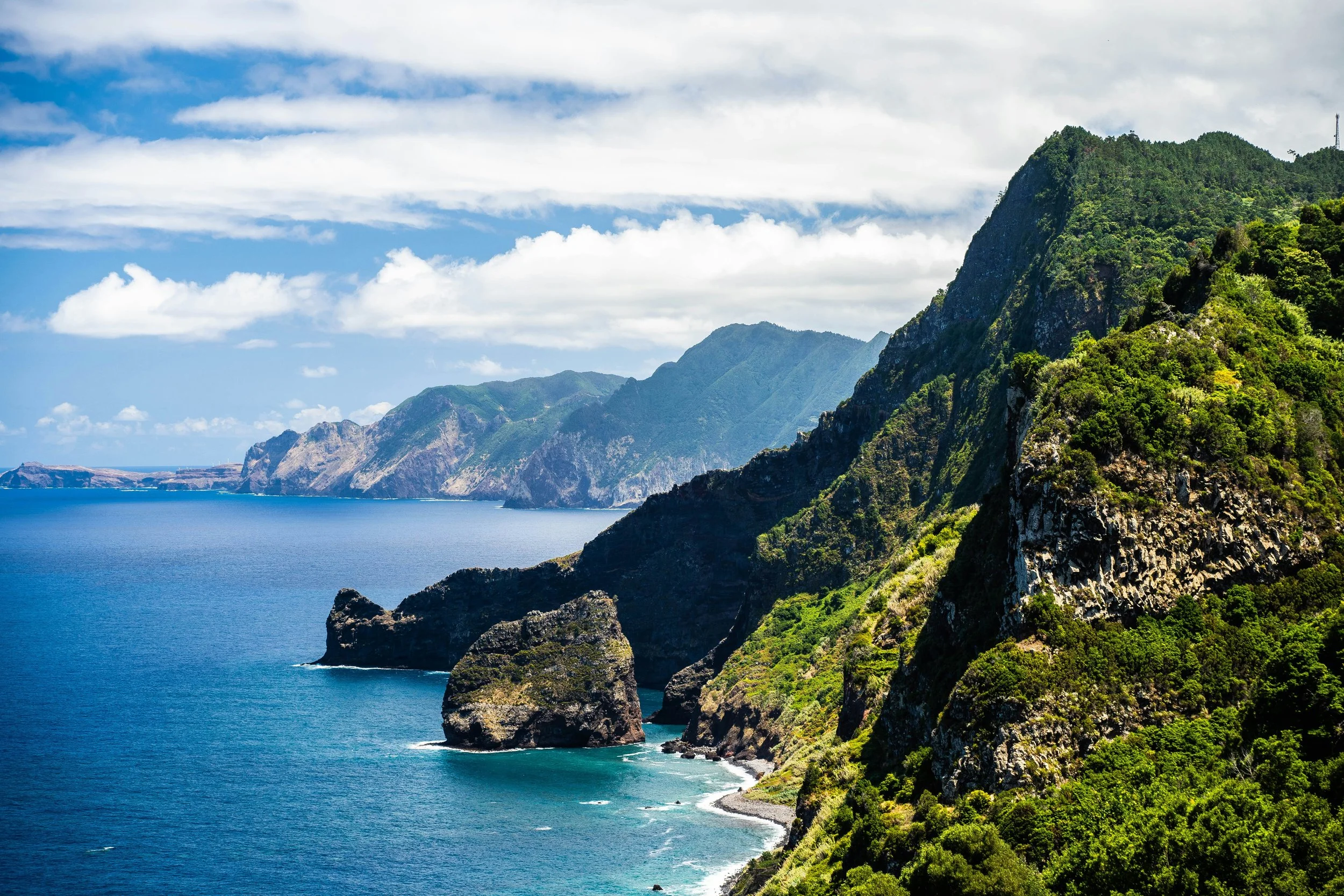
photo by Jan Tokarczyk, unsplash
Rising dramatically from the Atlantic Ocean, Madeira is an island where mountains, forests, gardens, and the sea come together in an extraordinary botanical landscape. Often called the “floating garden of the Atlantic,” Madeira enjoys a mild subtropical climate that allows an astonishing range of plants to flourish. For gardeners, the island is both a horticultural destination and a living lesson in how climate, topography, and plant collecting can shape a garden tradition.
Madeira was reached by Portuguese navigators in 1419, when João Gonçalves Zarco and Tristão Vaz Teixeira landed at Machico. The island’s name, meaning “wood” in Portuguese, reflected its abundant forests. Colonization began in 1425, and Madeira soon developed an economy based on sugar, followed later by its celebrated wine trade.
The island’s rugged topography is central to its horticultural character. Volcanic mountains rise steeply from the coast, creating deep valleys, dramatic cliffs, and a series of distinct microclimates. Funchal, on the sheltered south coast, benefits from a particularly favorable climate, with average temperatures around 18°C in winter and 25°C in summer. Higher elevations are cooler and wetter, while the north coast receives more rainfall. This remarkable variation enables plants from tropical, subtropical, Mediterranean, and temperate regions to grow within a relatively small area.
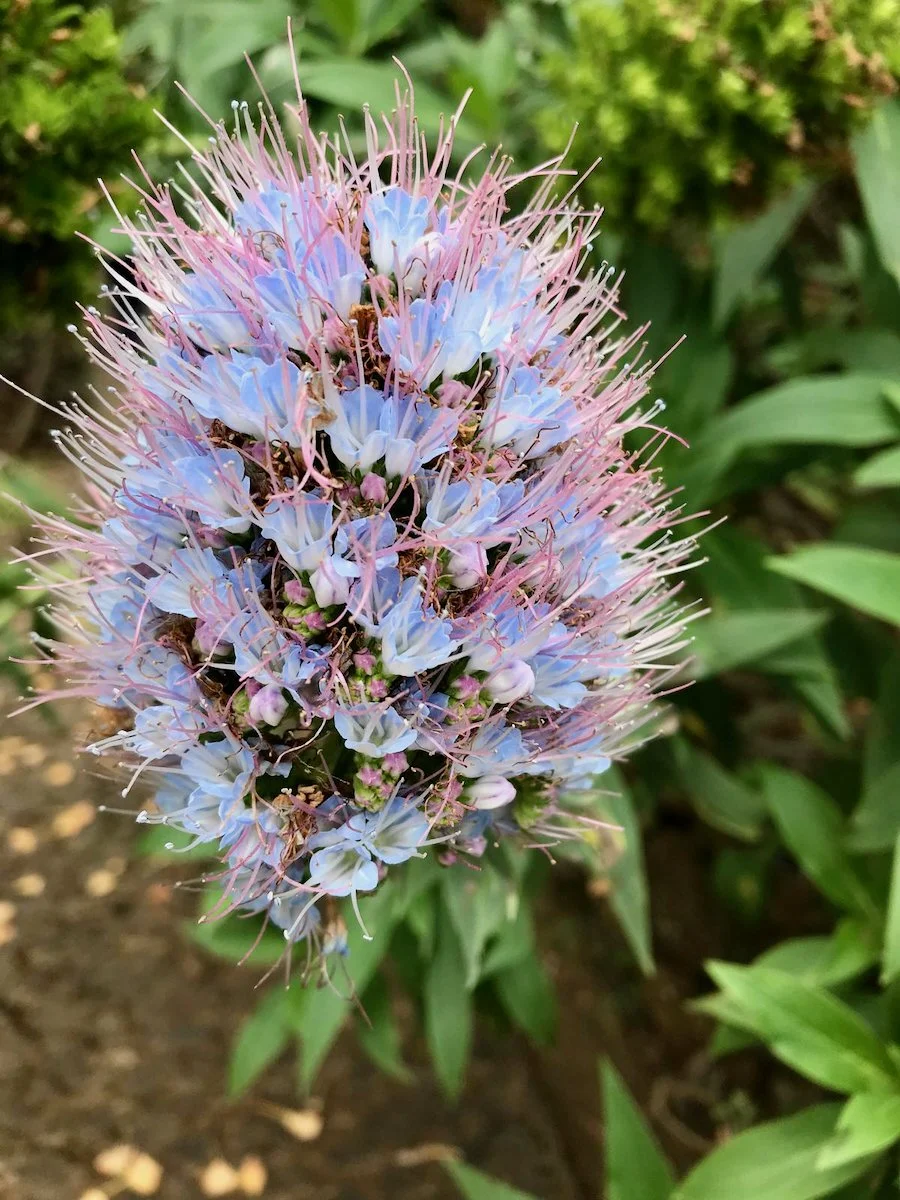
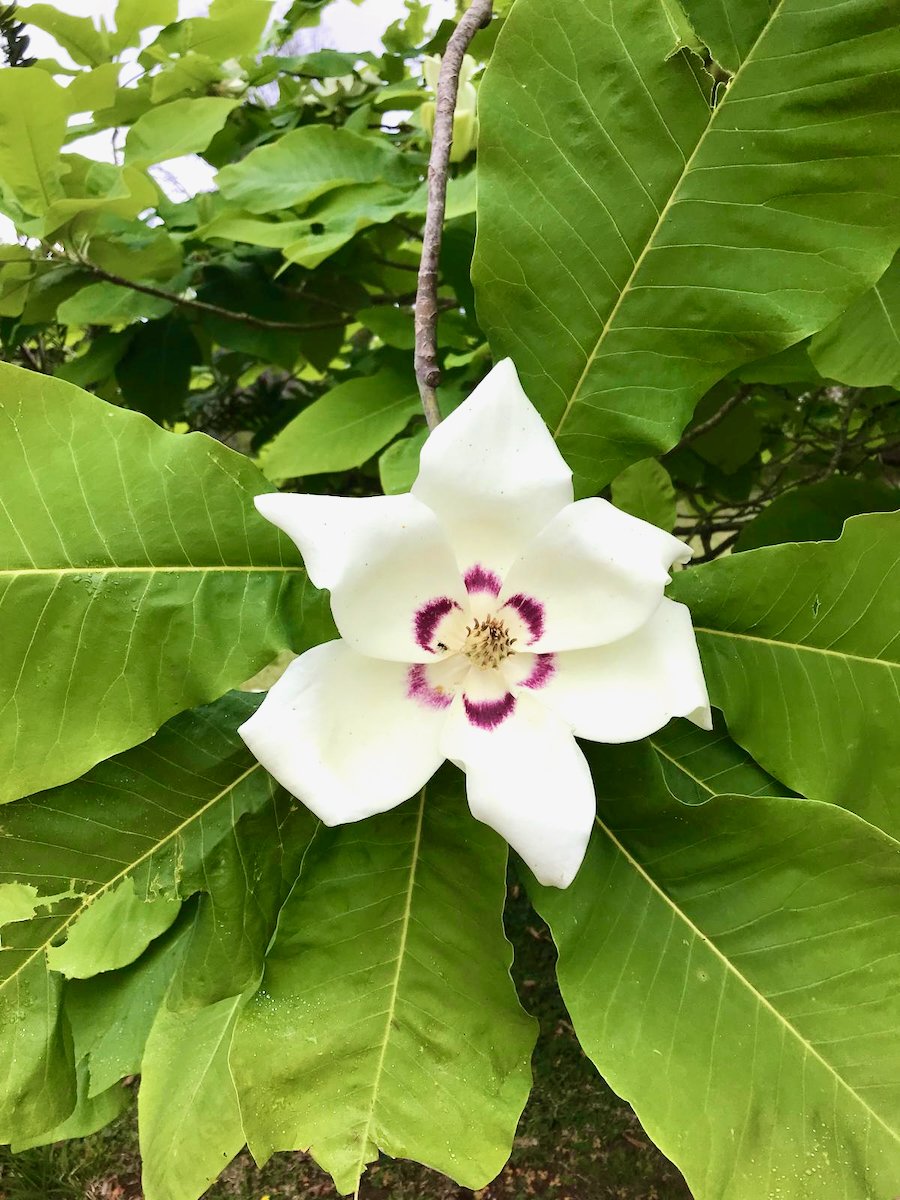
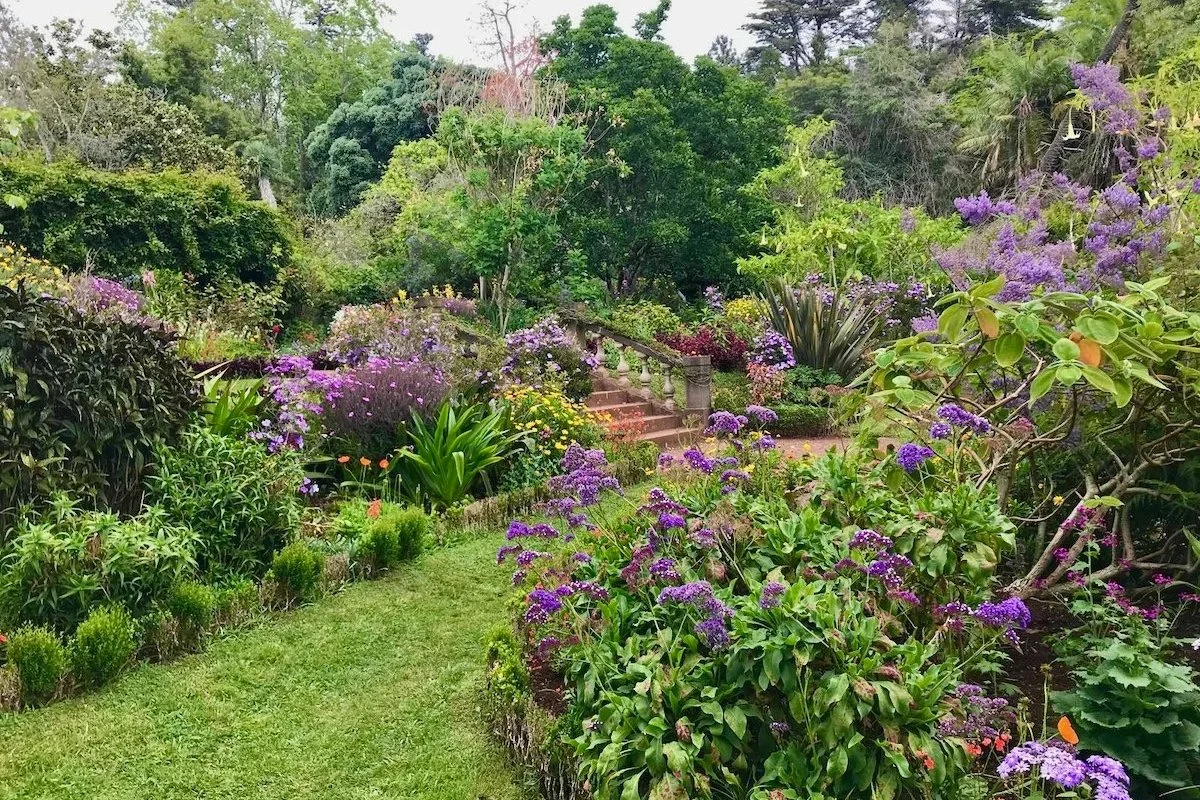
photos by ANdreia lopo
“Madeira is a wonderful destination because it offers such an incredible variety on a relatively small island — dramatic landscapes, lush nature, charming villages, beautiful gardens, excellent food and a rich cultural heritage. Even when I am there working, I always get that feeling of being on holiday: the pleasant climate throughout the year, the relaxed atmosphere and, of course, a good Poncha (a traditional sugarcane rum cocktail) at the end of the day make it very easy to slow down and enjoy the island,” says Andreia who also vacations frequently on the island.
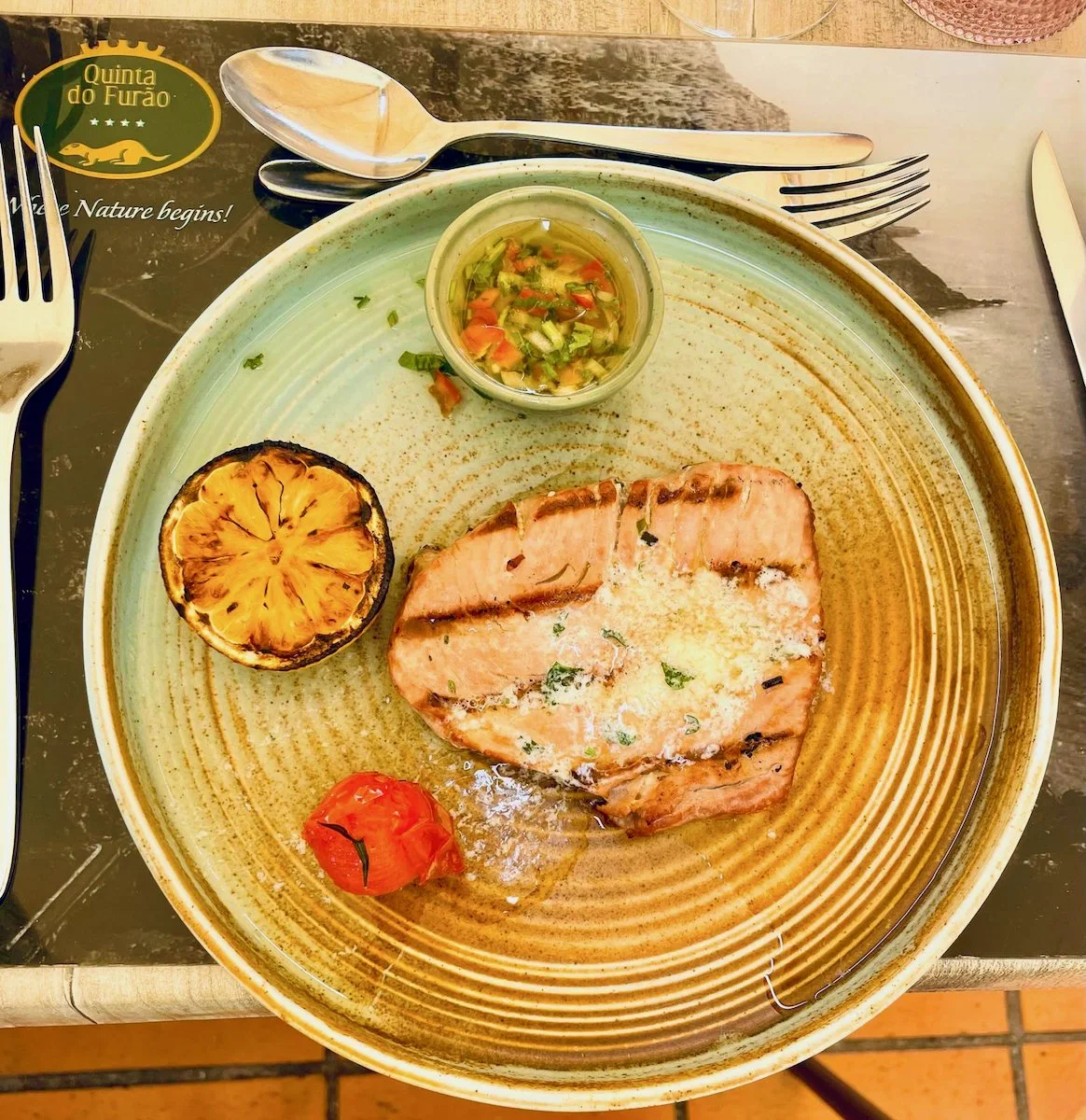
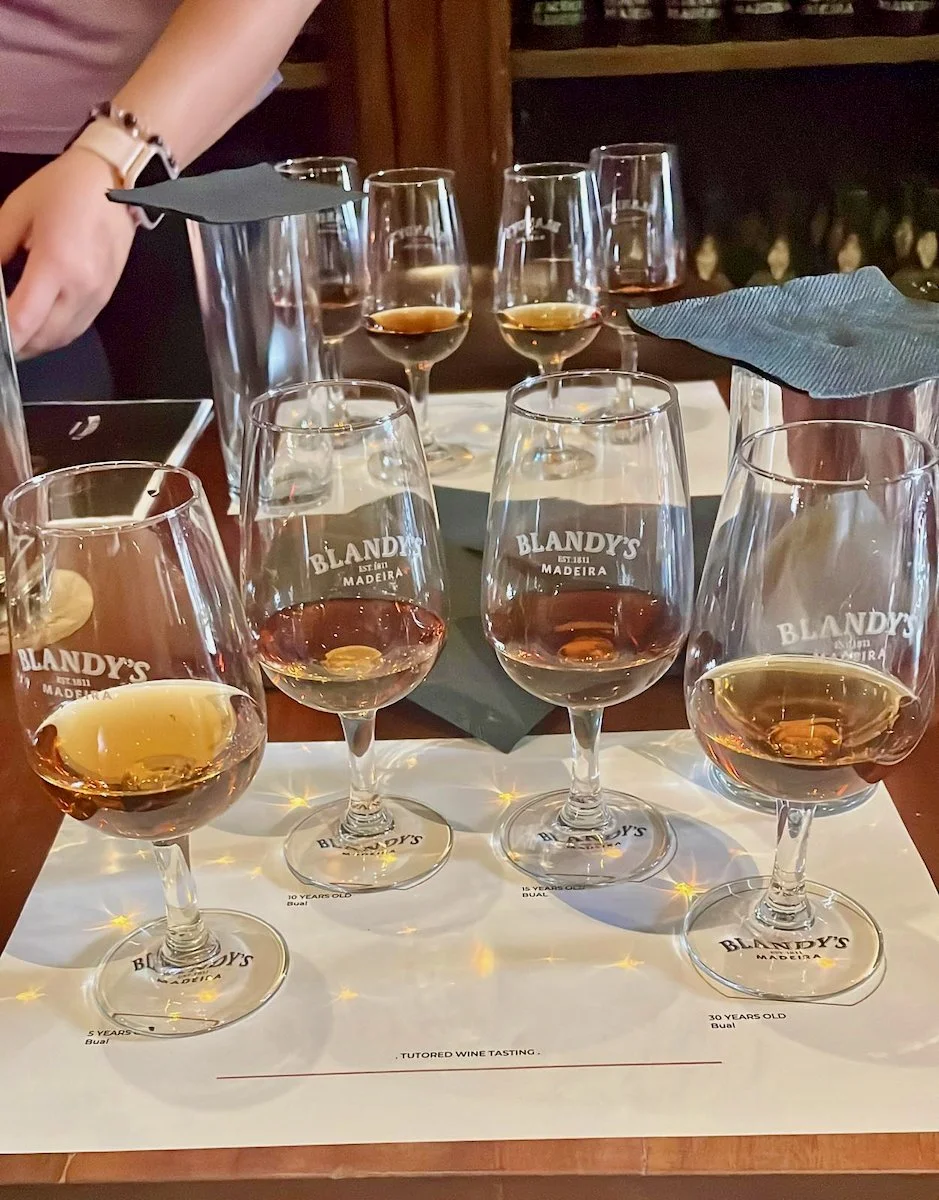
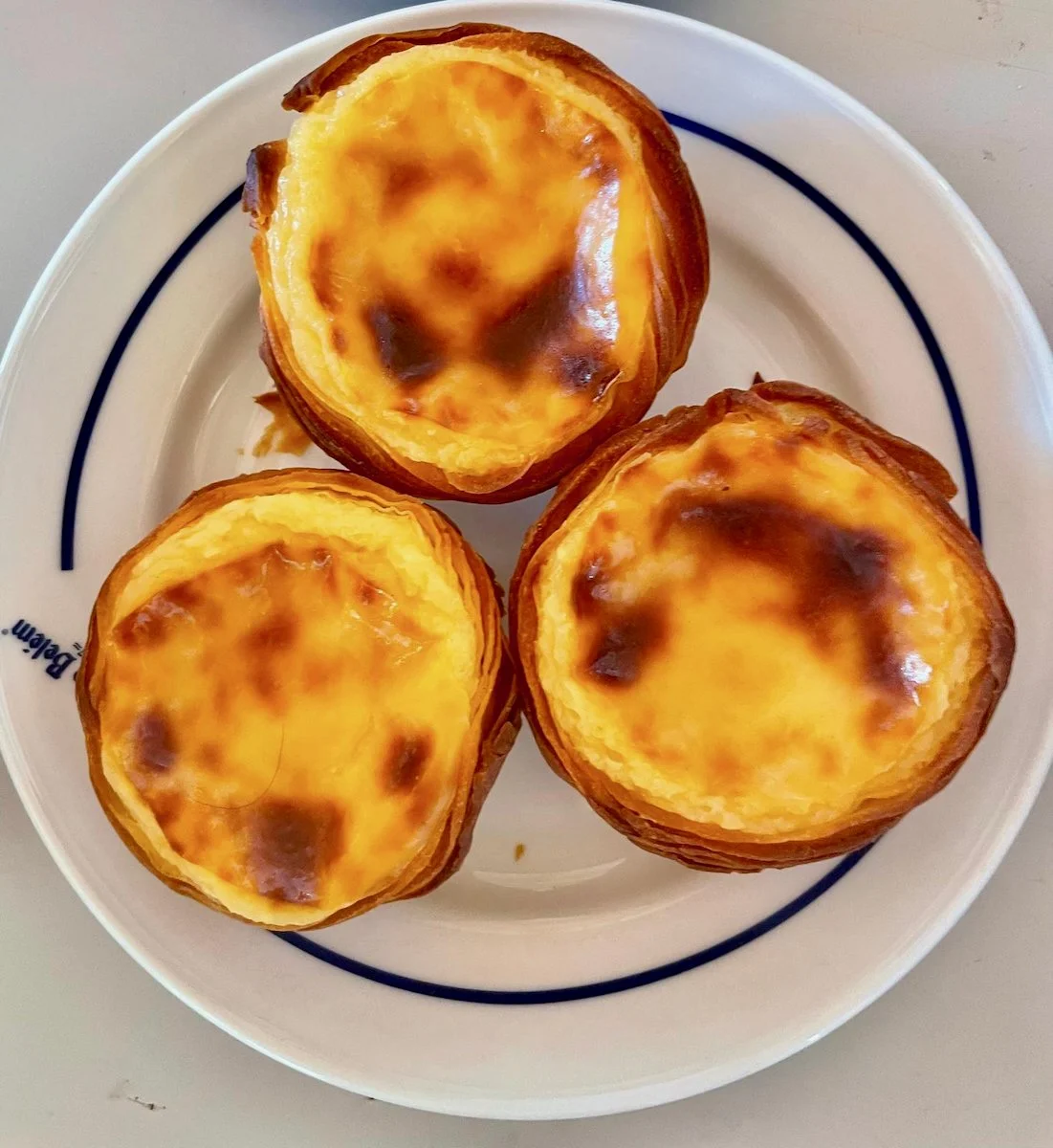
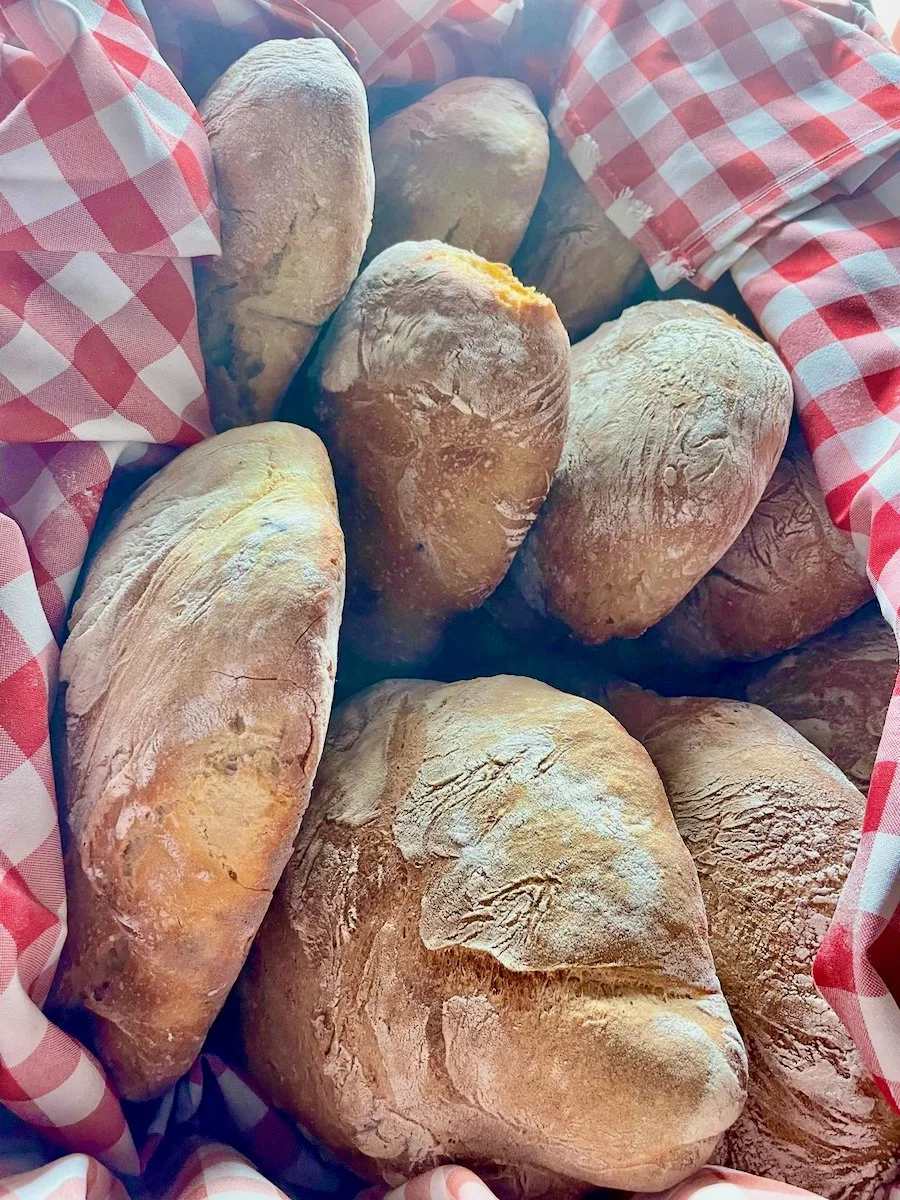
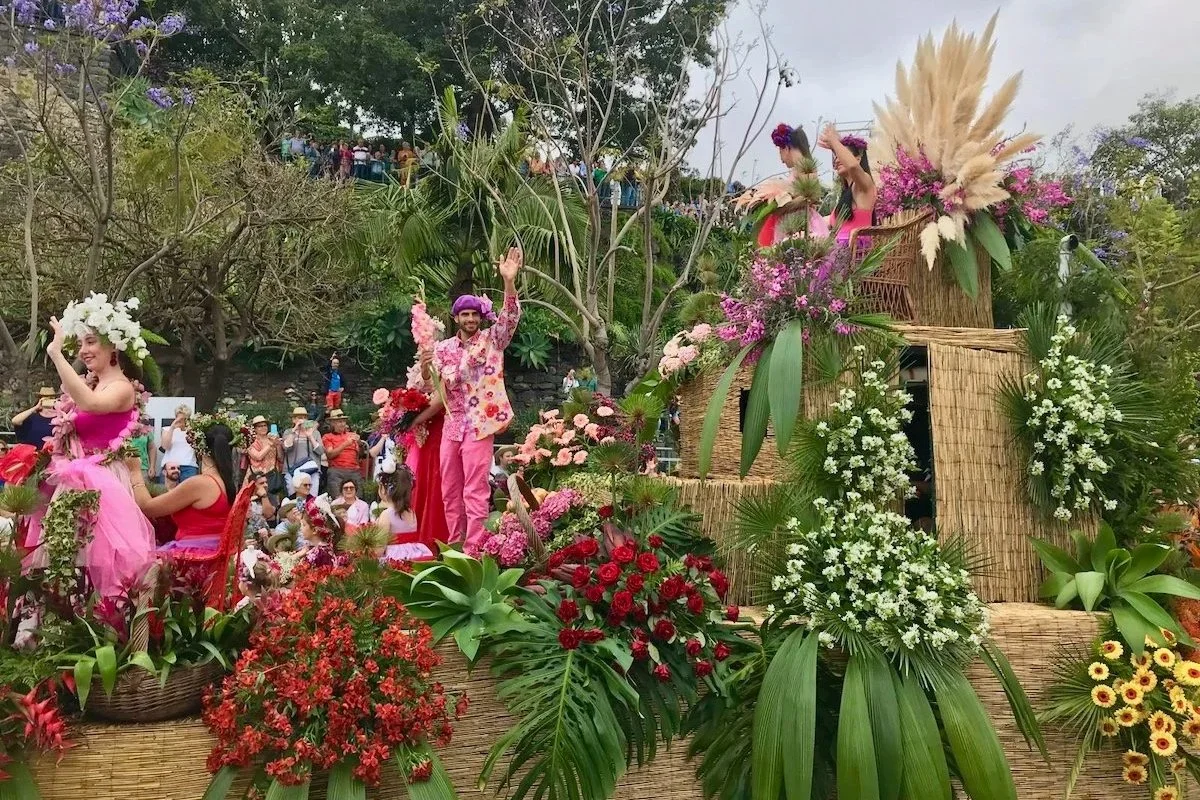
photos by ANdreia lopo
“For gardeners, Madeira is fascinating because its mild subtropical climate allows an incredible range of plants from around the world to flourish. What I find particularly interesting is the balance between its cultivated landscapes and its extraordinary natural heritage — from the ancient Laurisilva laurel forest, a UNESCO World Heritage Site, to the terraced banana plantations and the island’s remarkable gardens. It is almost like seeing nature and cultivation coexist in layers, creating an extraordinary botanical landscape where native vegetation, agriculture and exotic plants all have their place,” notes Andreia, who is a gardener herself, and can appreciate the special beauty of the island.
The island’s famous gardens reflect centuries of plant collecting and international exchange. British merchants involved in the Madeira wine trade established elegant quintas, or country estates, during the eighteenth and nineteenth centuries, introducing exotic plants from around the world.
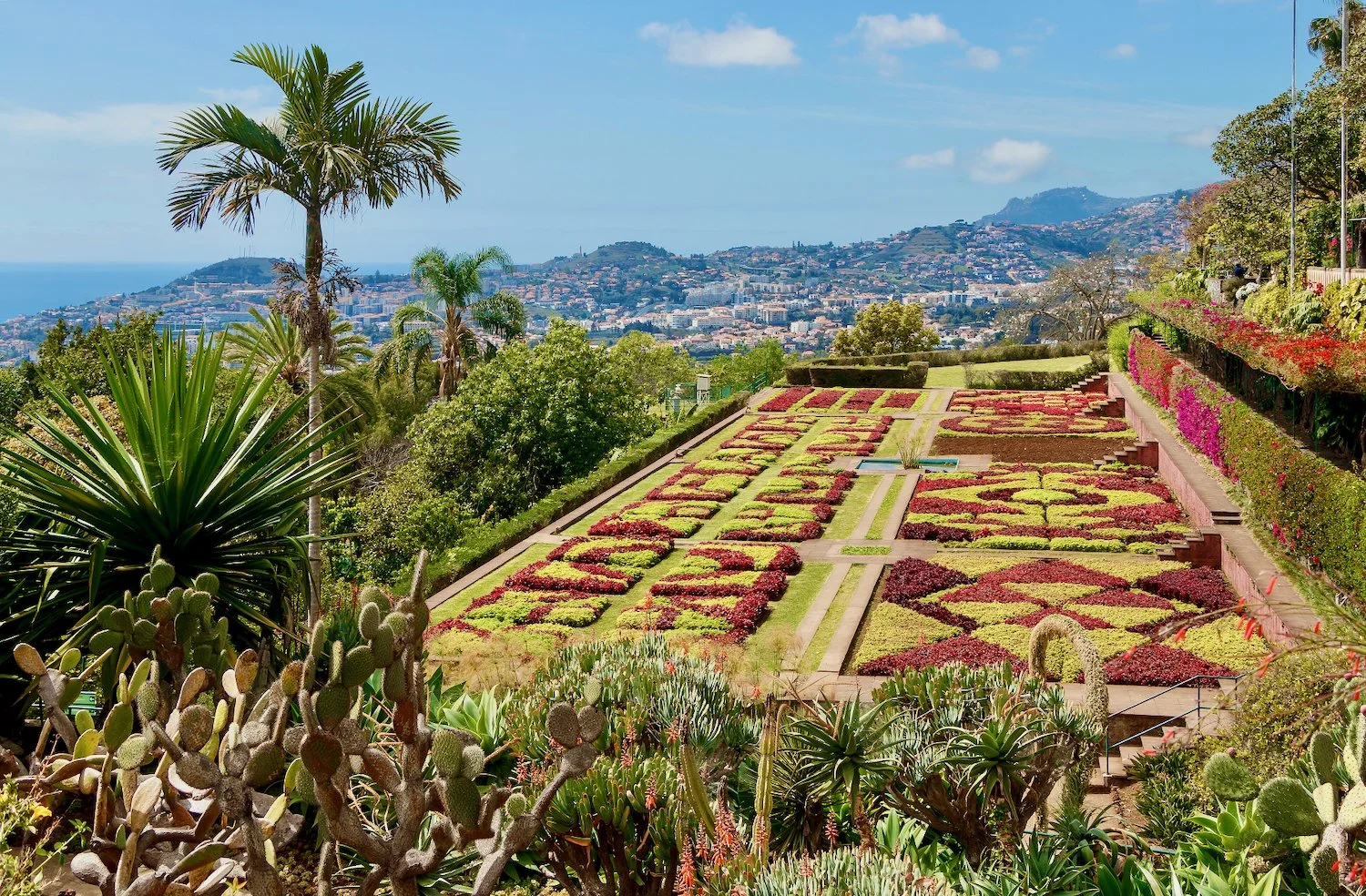
photo by Dr. Thomas Liptak, Wikimedia
The Madeira Botanical Garden, established in Funchal in 1960 on the former Quinta do Bom Sucesso, contains more than 2,000 exotic plants, along with orchids, ornamental shrubs, endemic species, and conservation collections. Its hillside setting provides spectacular views across Funchal and the Atlantic.
Above Funchal, Monte Palace Madeira is one of the island’s most spectacular garden experiences. Its 70,000-square-meter grounds combine tropical planting with koi ponds, sculpture, historic tiles, and Oriental-inspired garden features. The estate originated as an eighteenth-century leisure property and was transformed into the garden seen today beginning in the 1980s.
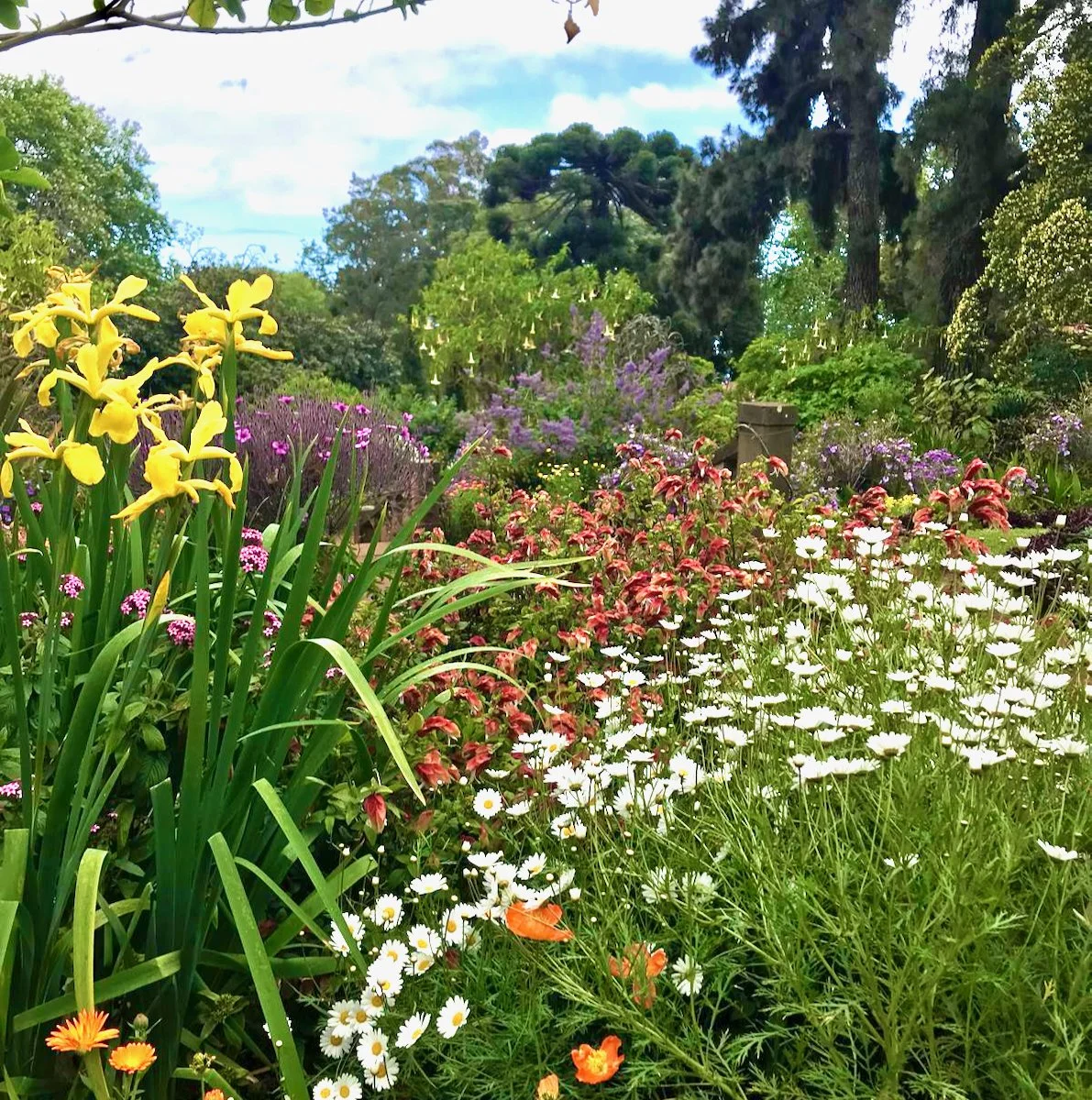
photo by ANdreia lopo
Another essential destination is Palheiro Gardens, a nineteenth-century estate renowned for its mature trees, lawns, lakes, and remarkable collection of camellias. Acquired by the Blandy family in 1885, the gardens occupy a hillside about 500 meters above Funchal and demonstrate beautifully how Madeira’s elevation can create ideal conditions for a wide range of ornamental plants. “Palheiro Gardens is my favorite garden,” says Andreia, “because of the extraordinary care and delicacy with which it is tended. I particularly love the way the gardeners thoughtfully combine flowers, colors and textures throughout the garden; you can feel that they care for it as something truly precious and take great pride in keeping it beautiful.”
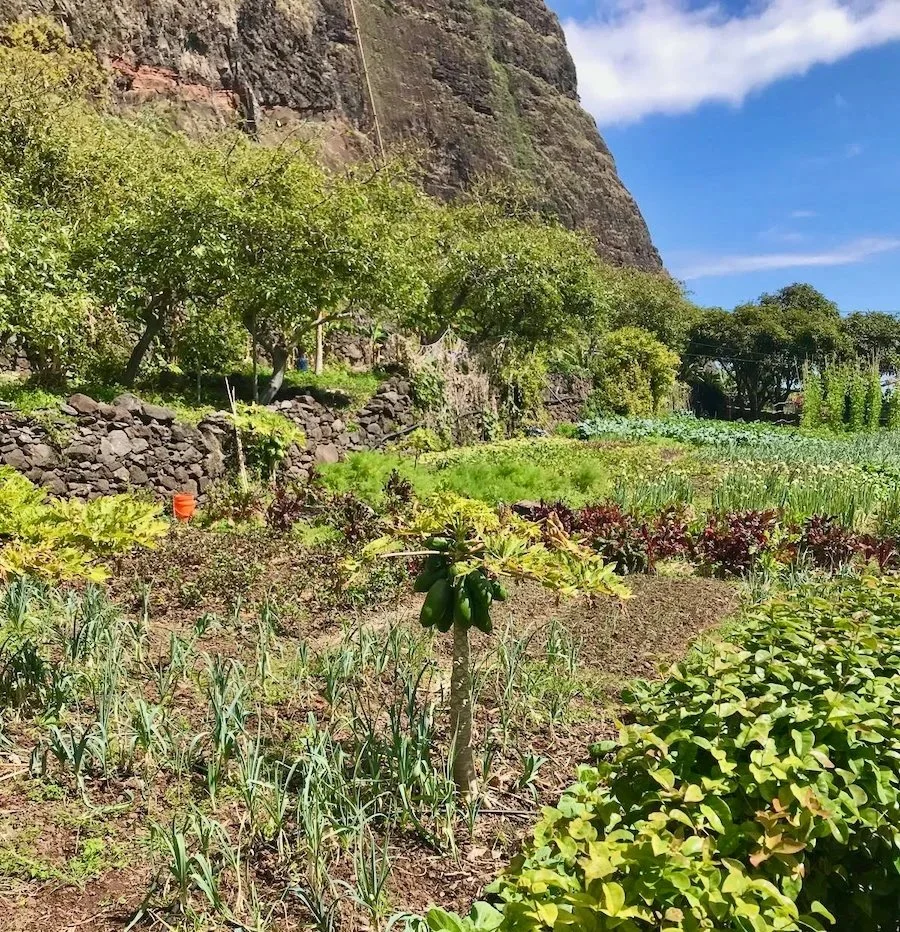
photo by andreia lopo
Andreia also brings her groups to Fajã dos Padres, a secluded area on the south side of Madeira separated from the rest of the island by a steep cliff. It can only be reached by boat or cable car. It is the site of an organic farm planted with tropical fruit trees, such as mango trees, banana trees and avocado trees, a vineyard and a restaurant set right by the sea. “What makes the experience so special is that many of the ingredients grown there are served at lunch, allowing you to literally taste the garden while enjoying this extraordinary landscape,” says Andreia. “Fajã dos Padres also has a remarkable history of wine production, particularly its famous Malvasia, connecting this beautiful little agricultural oasis with Madeira’s long and fascinating wine tradition—the same Madeira wine that was famously used to toast American independence.”
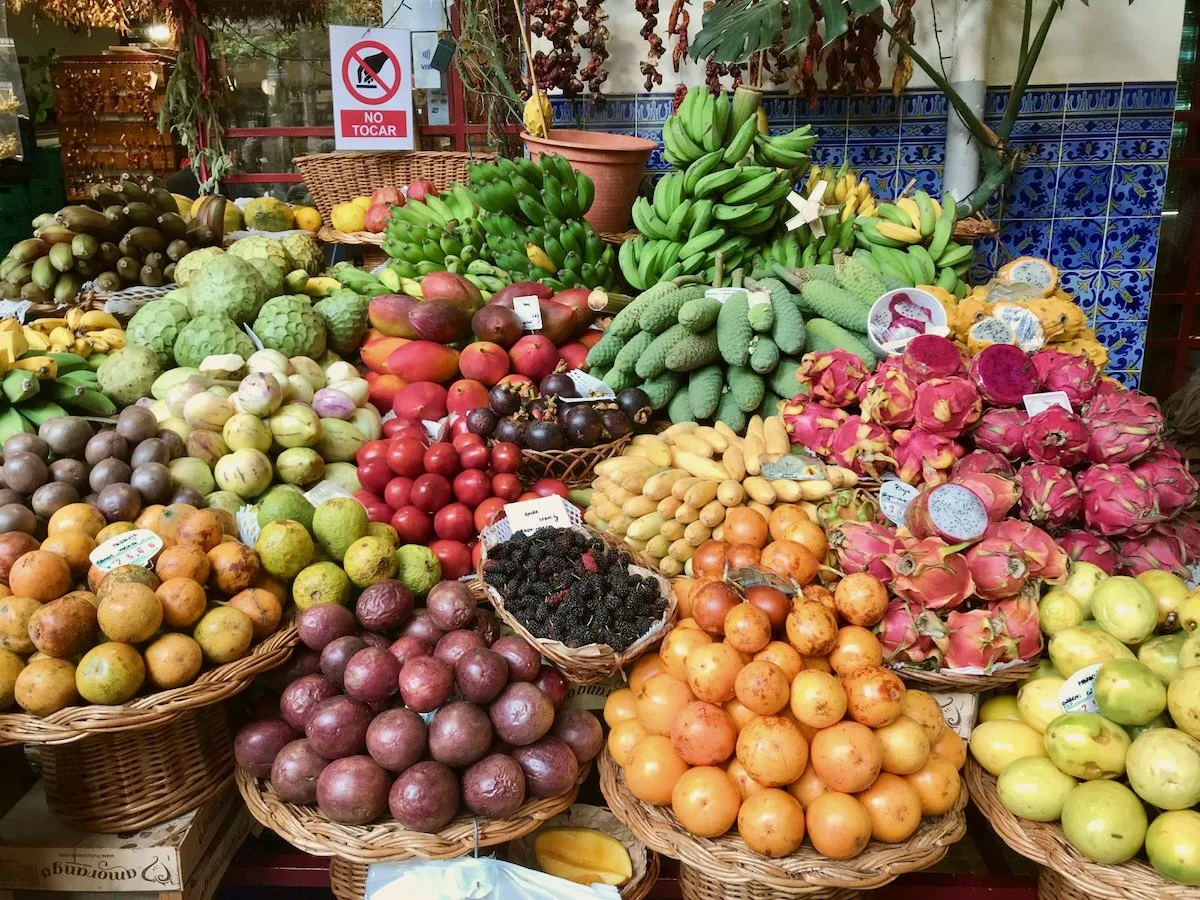
photo by andreia lopo
For gardeners, Madeira is ultimately more than a collection of beautiful estates. It is an island-sized botanical experiment where ancient forests, imported plants, historic estates, and dramatic volcanic terrain have combined to create one of the world’s most distinctive garden landscapes.
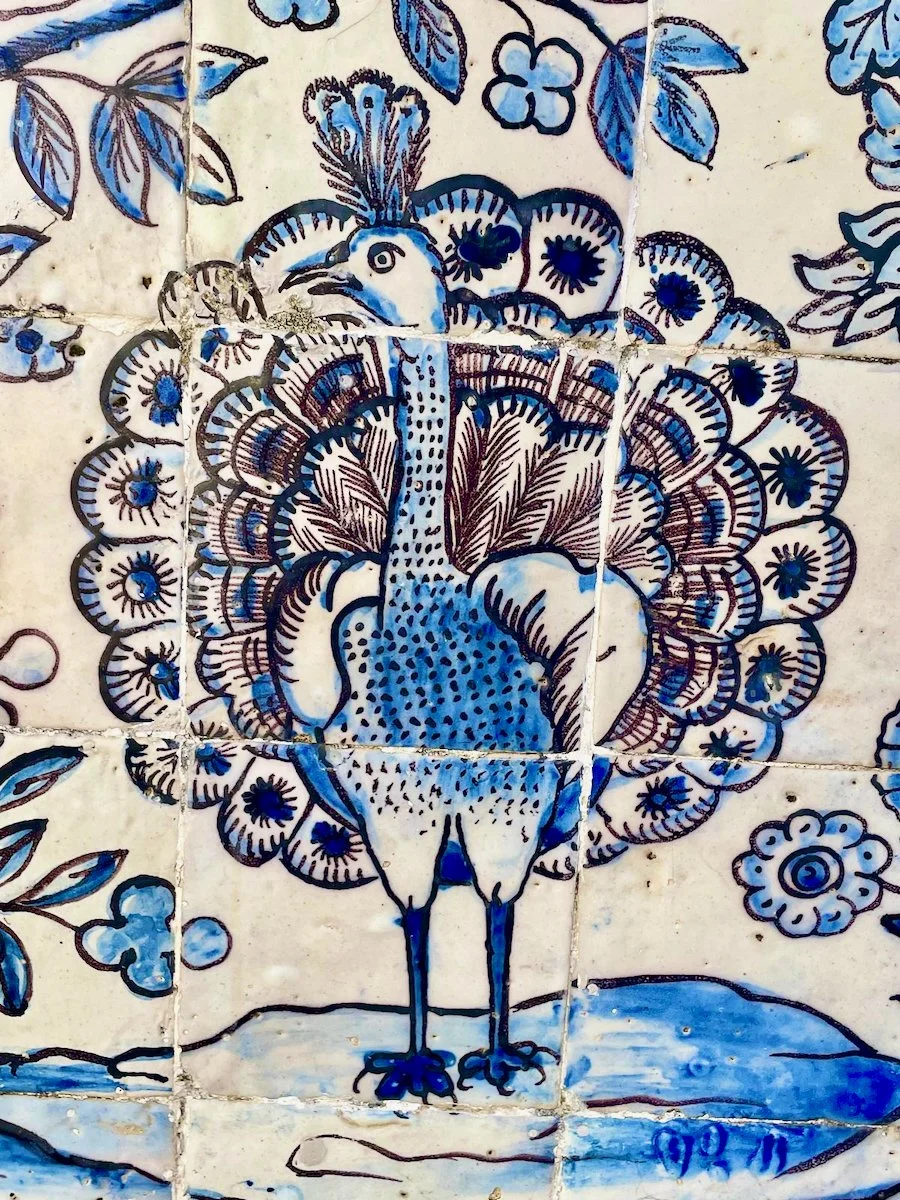
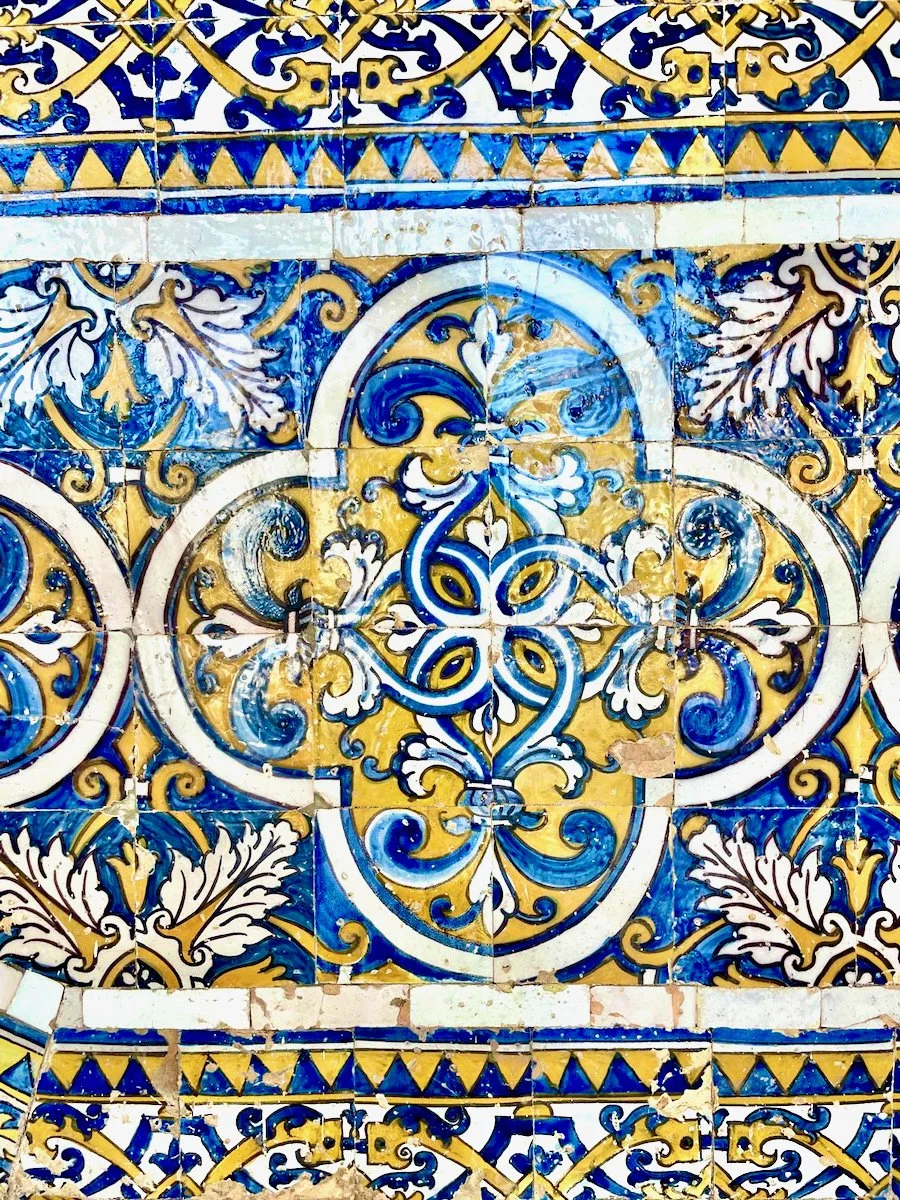
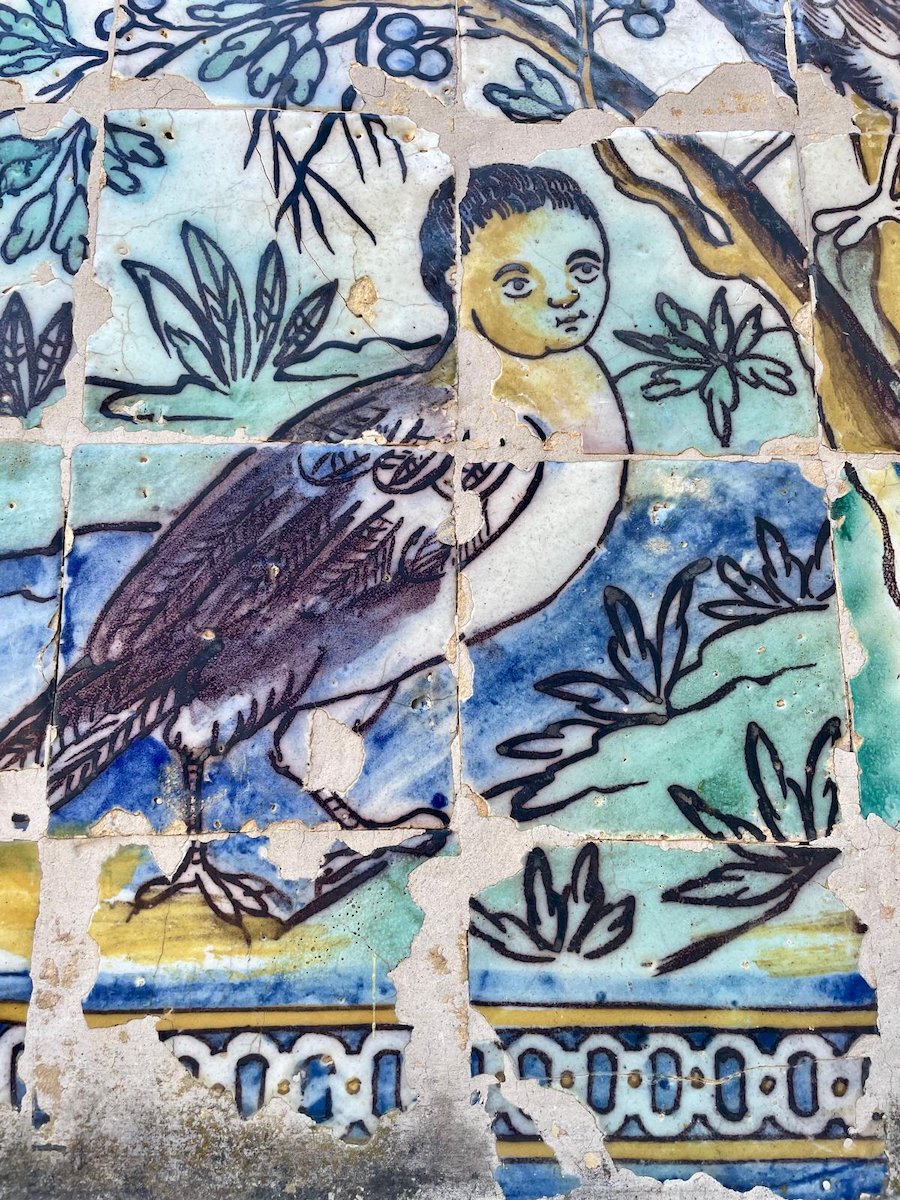
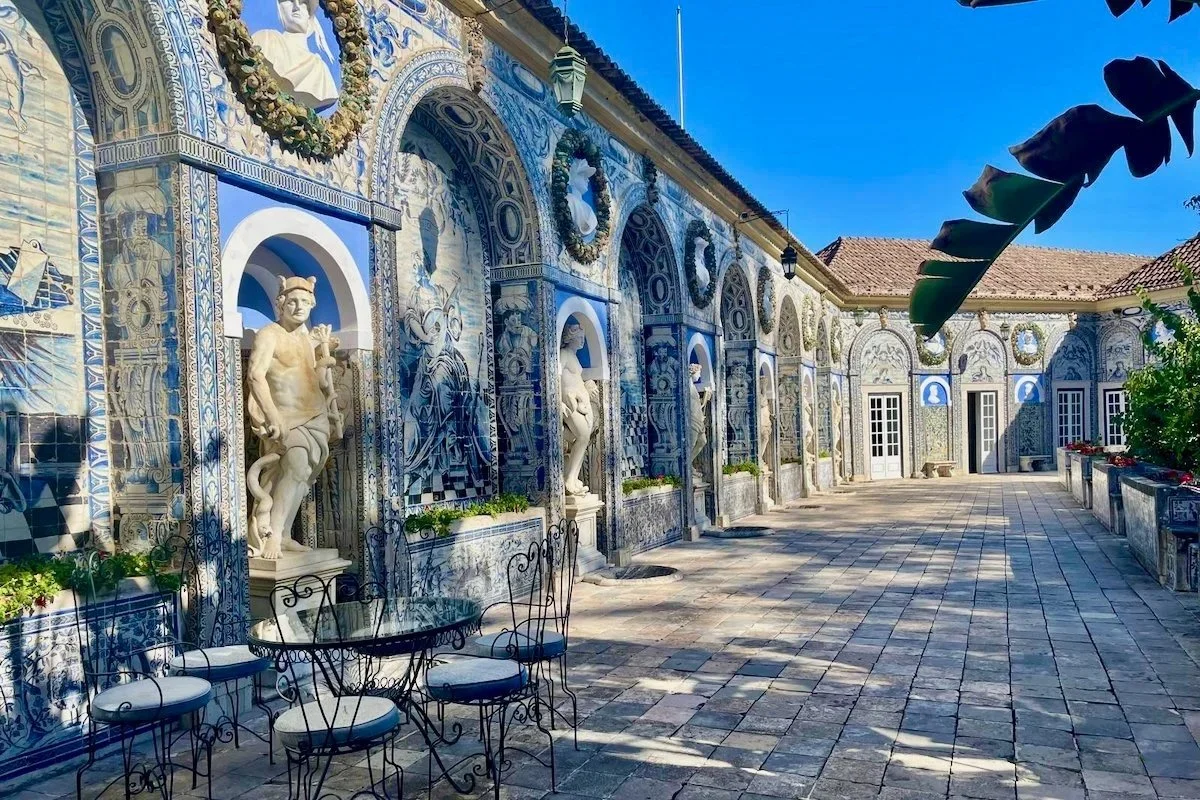
photos by andreia lopo
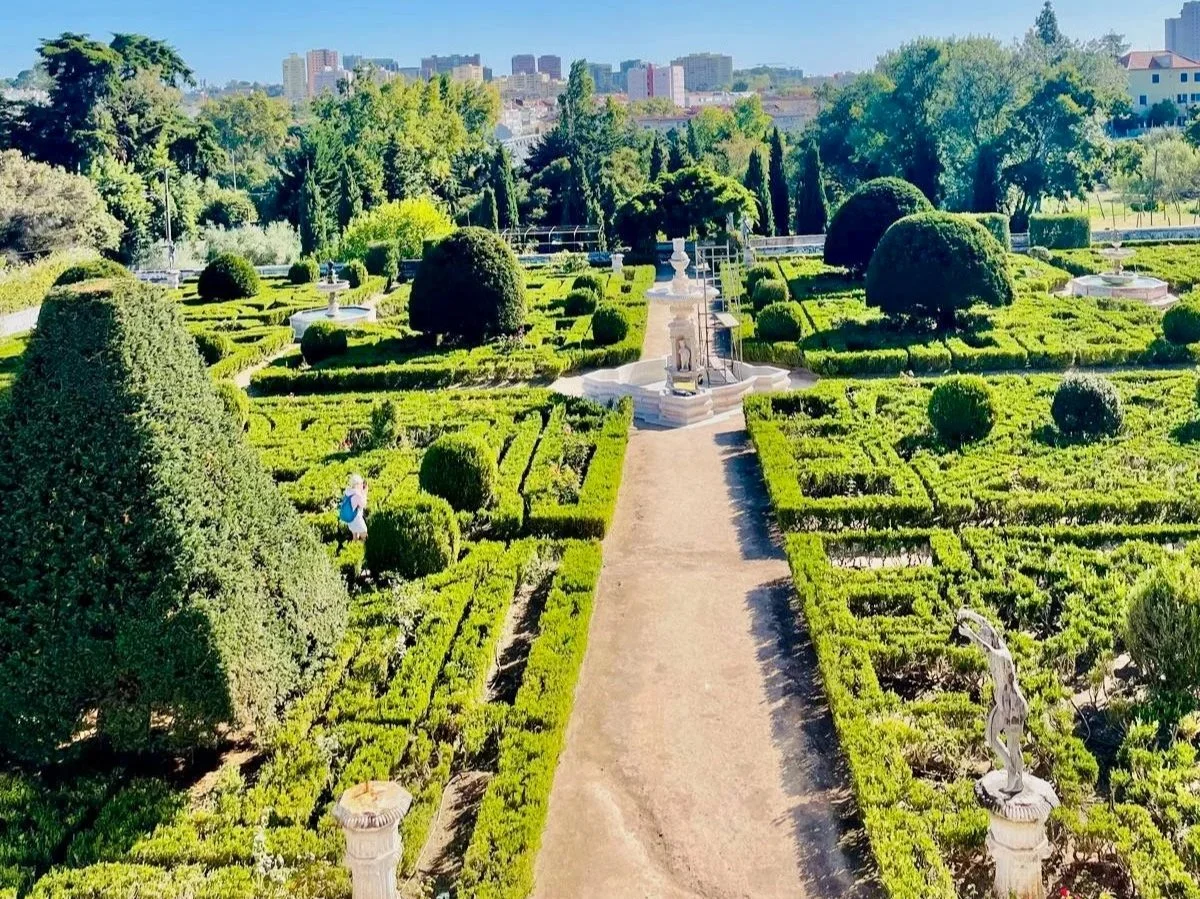
In addition to Madeira, we will visit several gardens in Lisbon, including the Fronteira Palace. We hope that you will join us on this special adventure! Please see the Garden Travel page for all my garden tours.
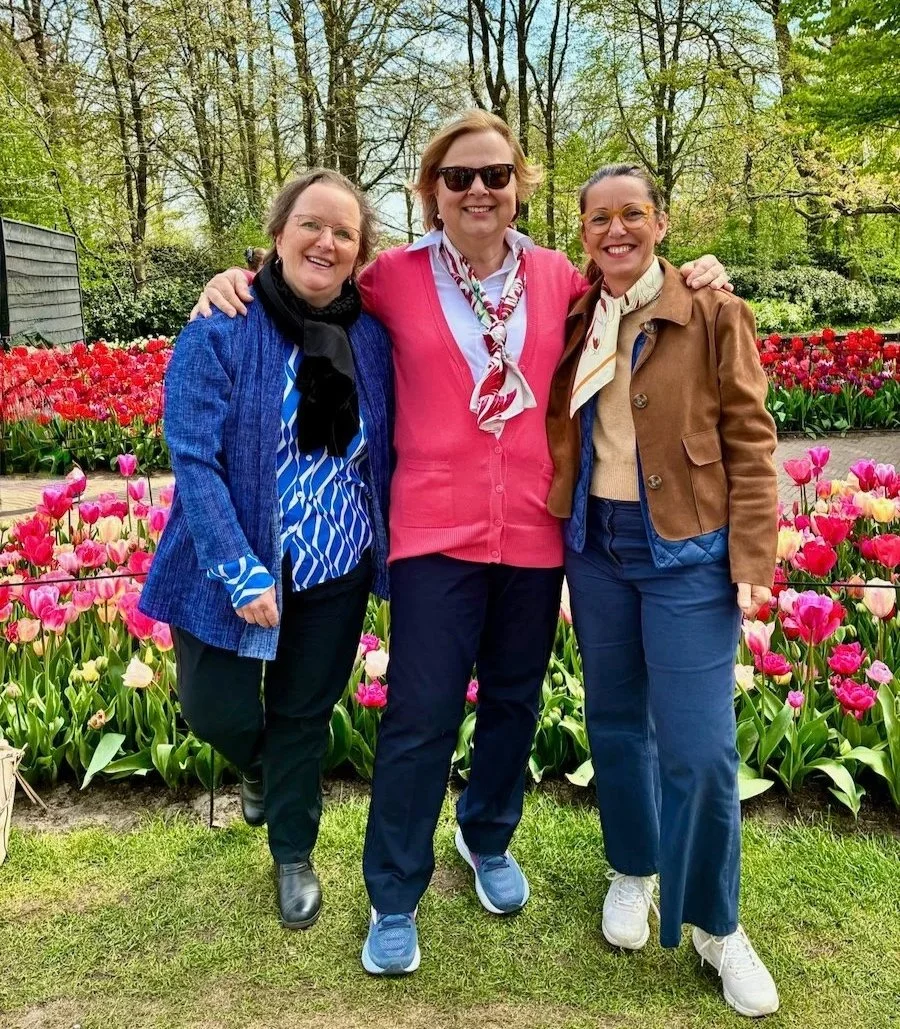
Lois Moss, Jana Milbocker, and Andreia Lopo at Keukenhof Gardens