Madeira: The Garden Island of the Atlantic

photo by andreia lopo

I will soon announce a brand new garden tour of beautiful the Portuguese island of Madeira, with a couple of days in Lisbon. The tour will be organized by Lois Moss of Visit Gardens and Portugese tour guide Andreia Lopo, who will accompany us on the trip, which is scheduled for late September 2027.
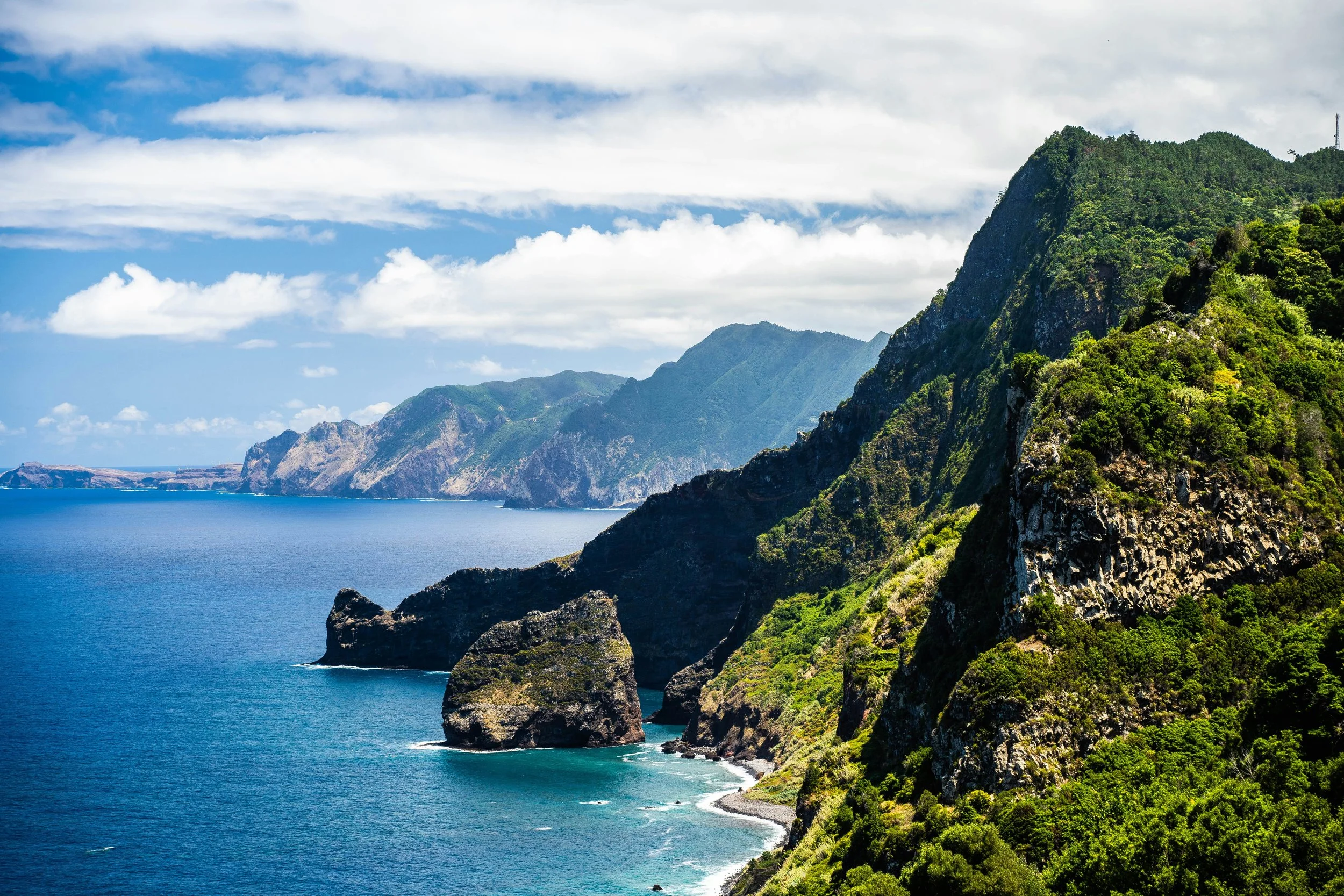
photo by Jan Tokarczyk, unsplash

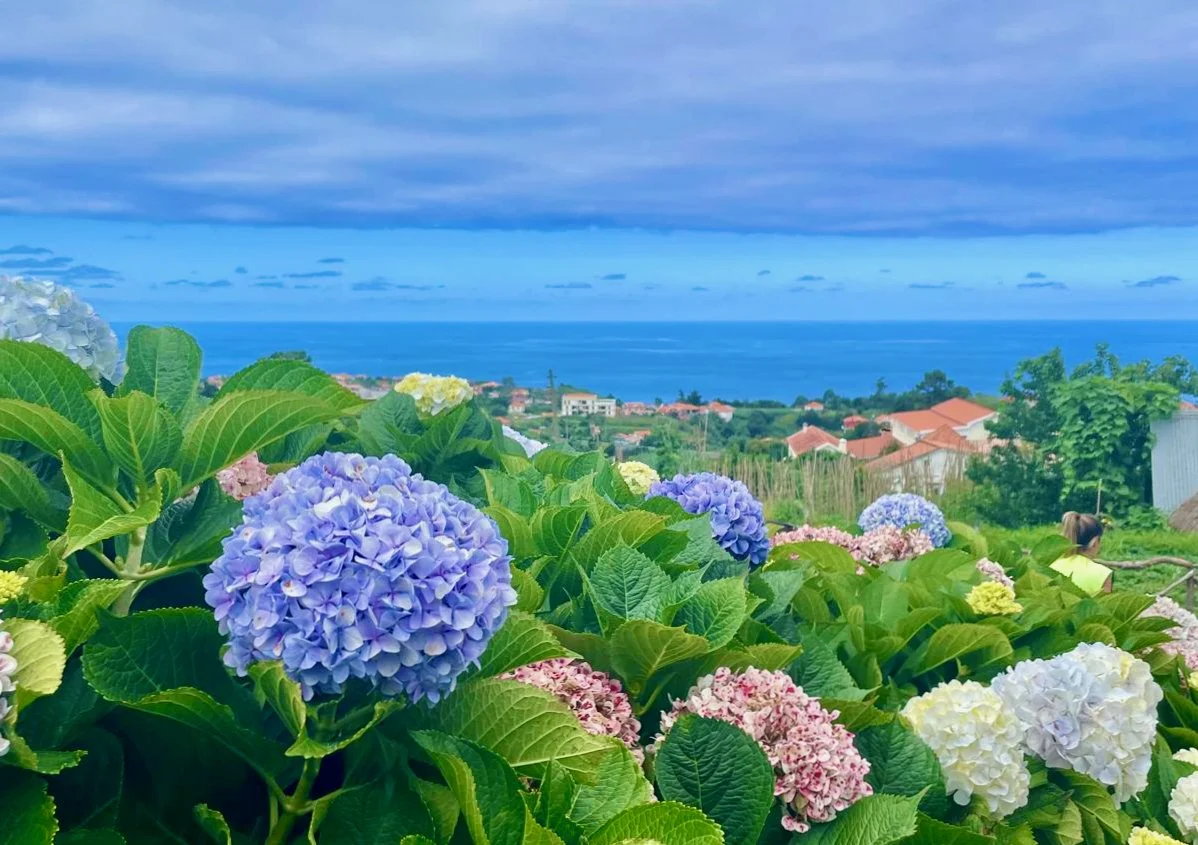
Rising dramatically from the Atlantic Ocean, Madeira is an island where mountains, forests, gardens, and the sea come together in an extraordinary botanical landscape. Often called the “floating garden of the Atlantic,” Madeira enjoys a mild subtropical climate that allows an astonishing range of plants to flourish. For gardeners, the island is both a horticultural destination and a living lesson in how climate, topography, and plant collecting can shape a garden tradition.

Madeira was reached by Portuguese navigators in 1419, when João Gonçalves Zarco and Tristão Vaz Teixeira landed at Machico. The island’s name, meaning “wood” in Portuguese, reflected its abundant forests. Colonization began in 1425, and Madeira soon developed an economy based on sugar, followed later by its celebrated wine trade.

The island’s rugged topography is central to its horticultural character. Volcanic mountains rise steeply from the coast, creating deep valleys, dramatic cliffs, and a series of distinct microclimates. Funchal, on the sheltered south coast, benefits from a particularly favorable climate, with average temperatures around 18°C in winter and 25°C in summer. Higher elevations are cooler and wetter, while the north coast receives more rainfall. This remarkable variation enables plants from tropical, subtropical, Mediterranean, and temperate regions to grow within a relatively small area.
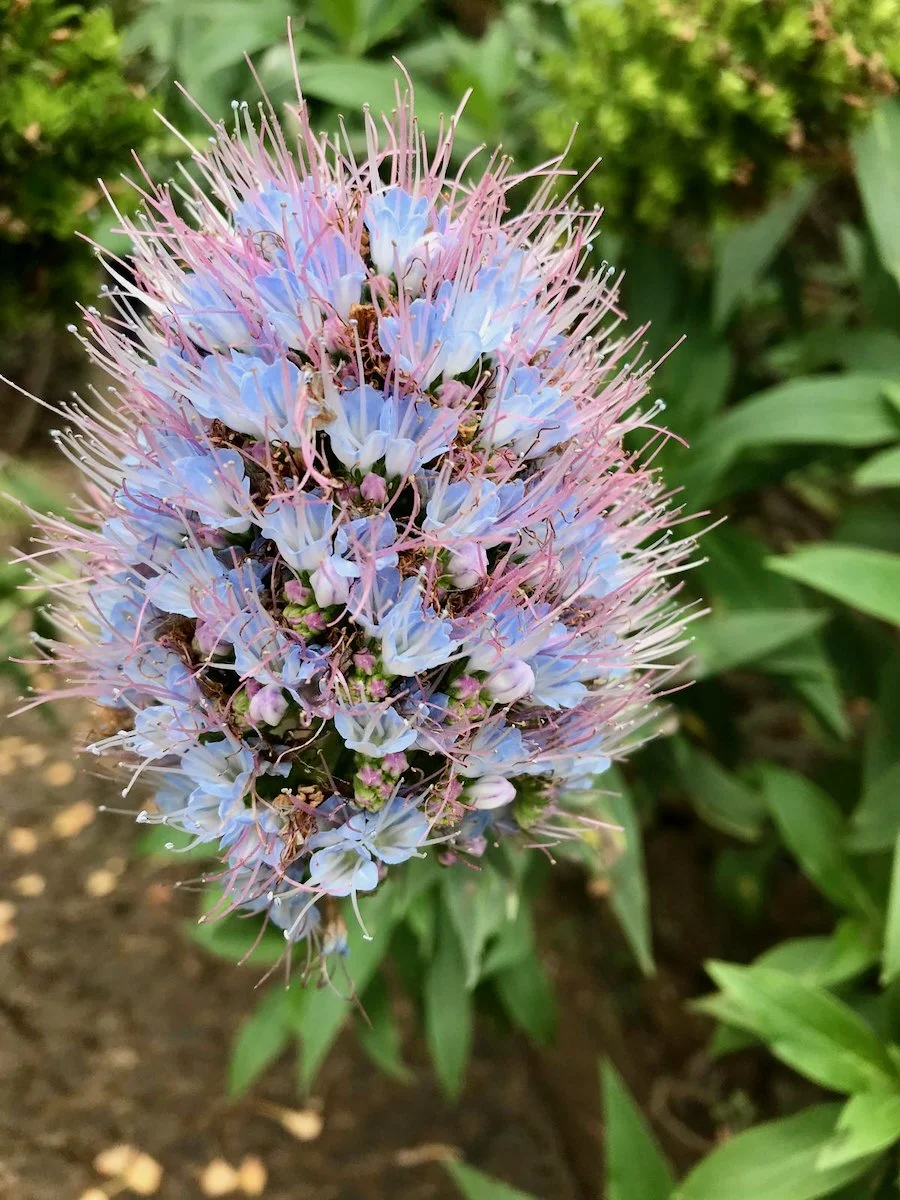
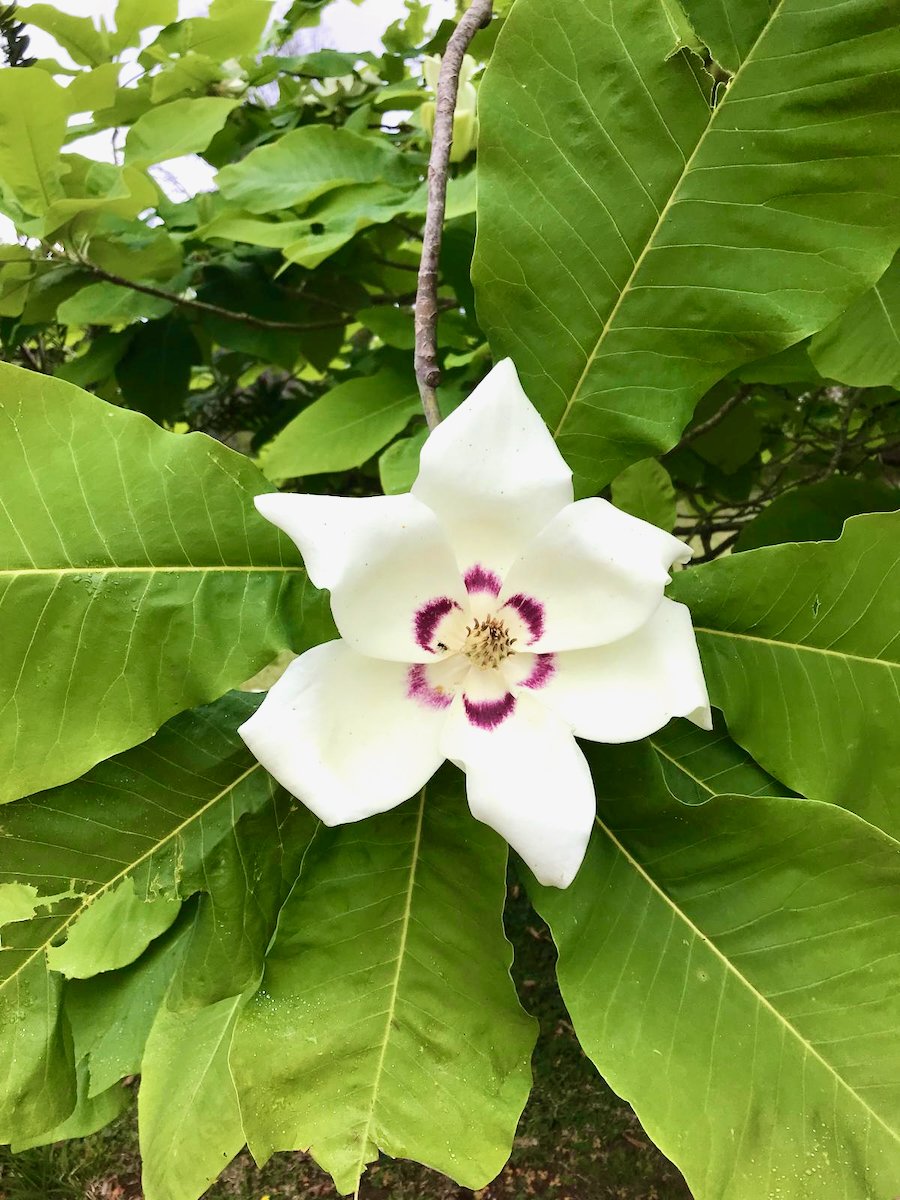
photos by ANdreia lopo

“Madeira is a wonderful destination because it offers such an incredible variety on a relatively small island — dramatic landscapes, lush nature, charming villages, beautiful gardens, excellent food and a rich cultural heritage. Even when I am there working, I always get that feeling of being on holiday: the pleasant climate throughout the year, the relaxed atmosphere and, of course, a good Poncha (a traditional sugarcane rum cocktail) at the end of the day make it very easy to slow down and enjoy the island,” says Andreia who also vacations frequently on the island.
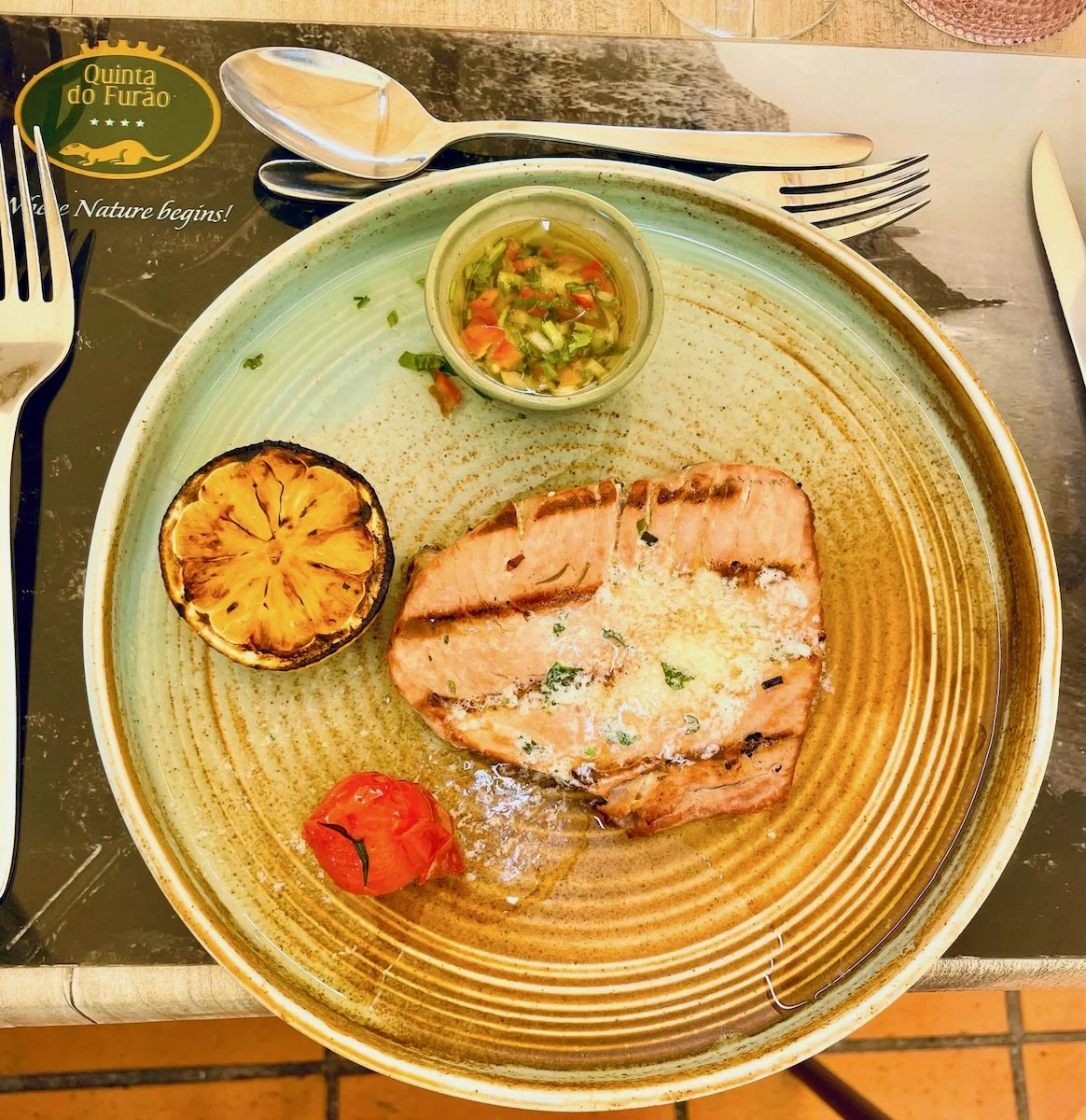
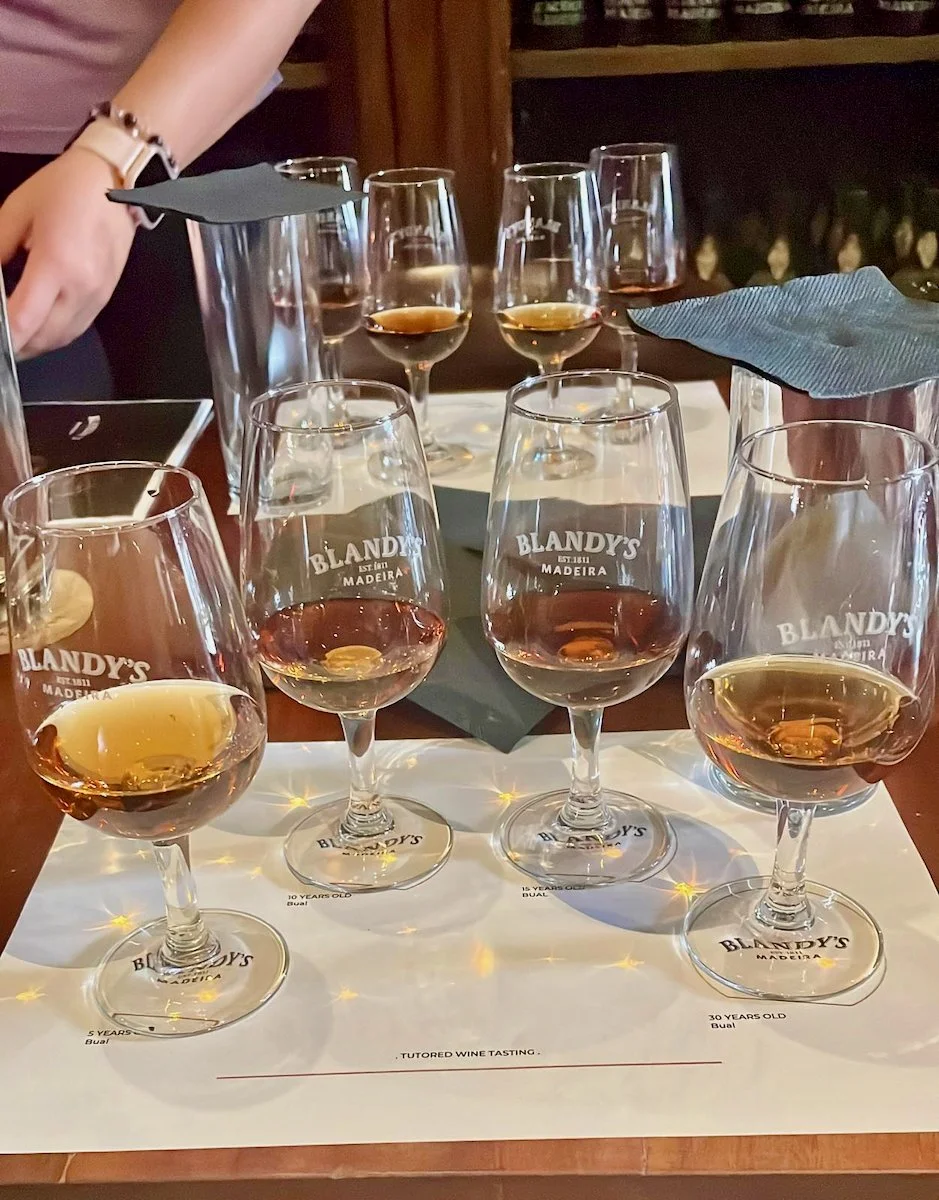
photos by ANdreia lopo

“For gardeners, Madeira is fascinating because its mild subtropical climate allows an incredible range of plants from around the world to flourish. What I find particularly interesting is the balance between its cultivated landscapes and its extraordinary natural heritage — from the ancient Laurisilva laurel forest, a UNESCO World Heritage Site, to the terraced banana plantations and the island’s remarkable gardens. It is almost like seeing nature and cultivation coexist in layers, creating an extraordinary botanical landscape where native vegetation, agriculture and exotic plants all have their place,” notes Andreia, who is a gardener herself, and can appreciate the special beauty of the island.

The island’s famous gardens reflect centuries of plant collecting and international exchange. British merchants involved in the Madeira wine trade established elegant quintas, or country estates, during the eighteenth and nineteenth centuries, introducing exotic plants from around the world.
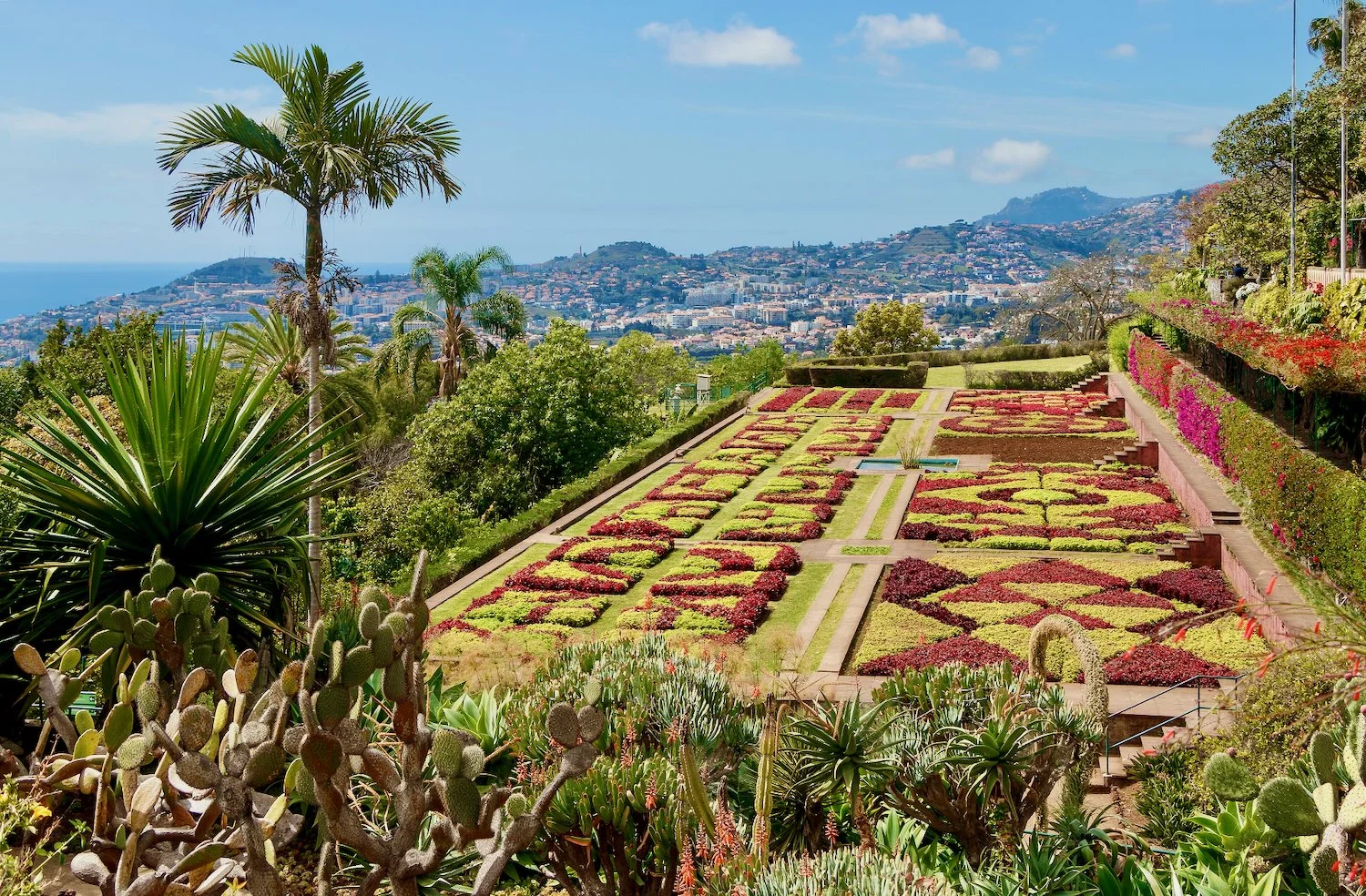
photo by Dr. Thomas Liptak, Wikimedia

The Madeira Botanical Garden, established in Funchal in 1960 on the former Quinta do Bom Sucesso, contains more than 2,000 exotic plants, along with orchids, ornamental shrubs, endemic species, and conservation collections. Its hillside setting provides spectacular views across Funchal and the Atlantic.

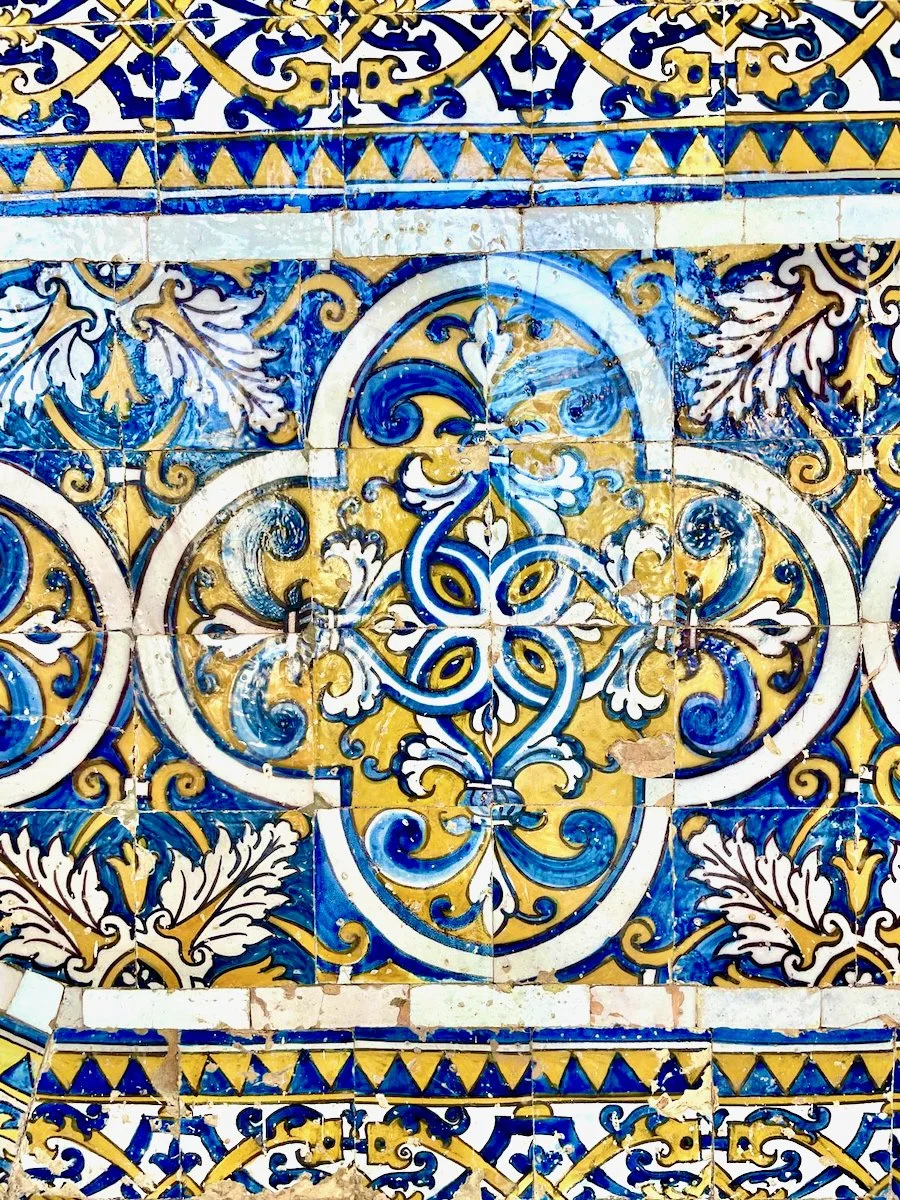
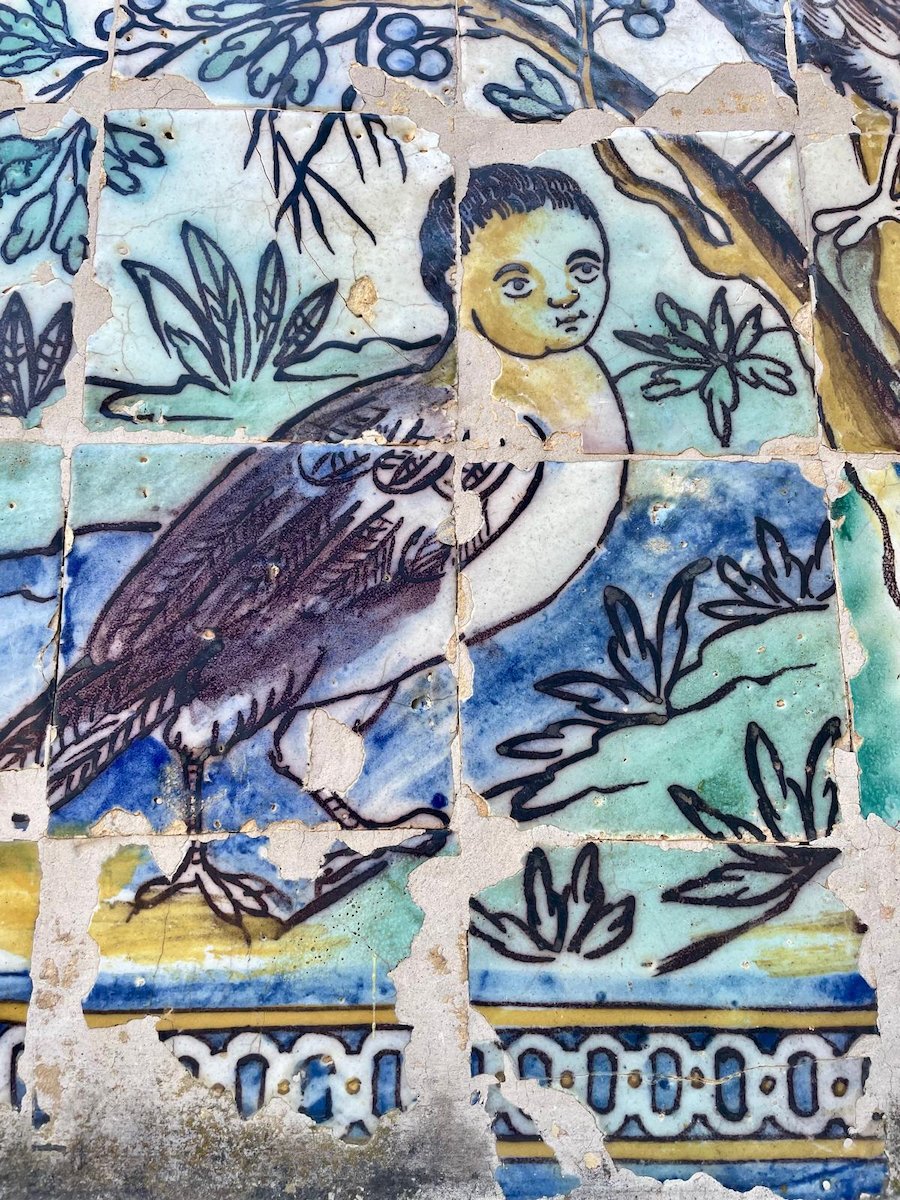
Above Funchal, Monte Palace Madeira is one of the island’s most spectacular garden experiences. Its 70,000-square-meter grounds combine tropical planting with koi ponds, sculpture, historic tiles, and Oriental-inspired garden features. The estate originated as an eighteenth-century leisure property and was transformed into the garden seen today beginning in the 1980s.
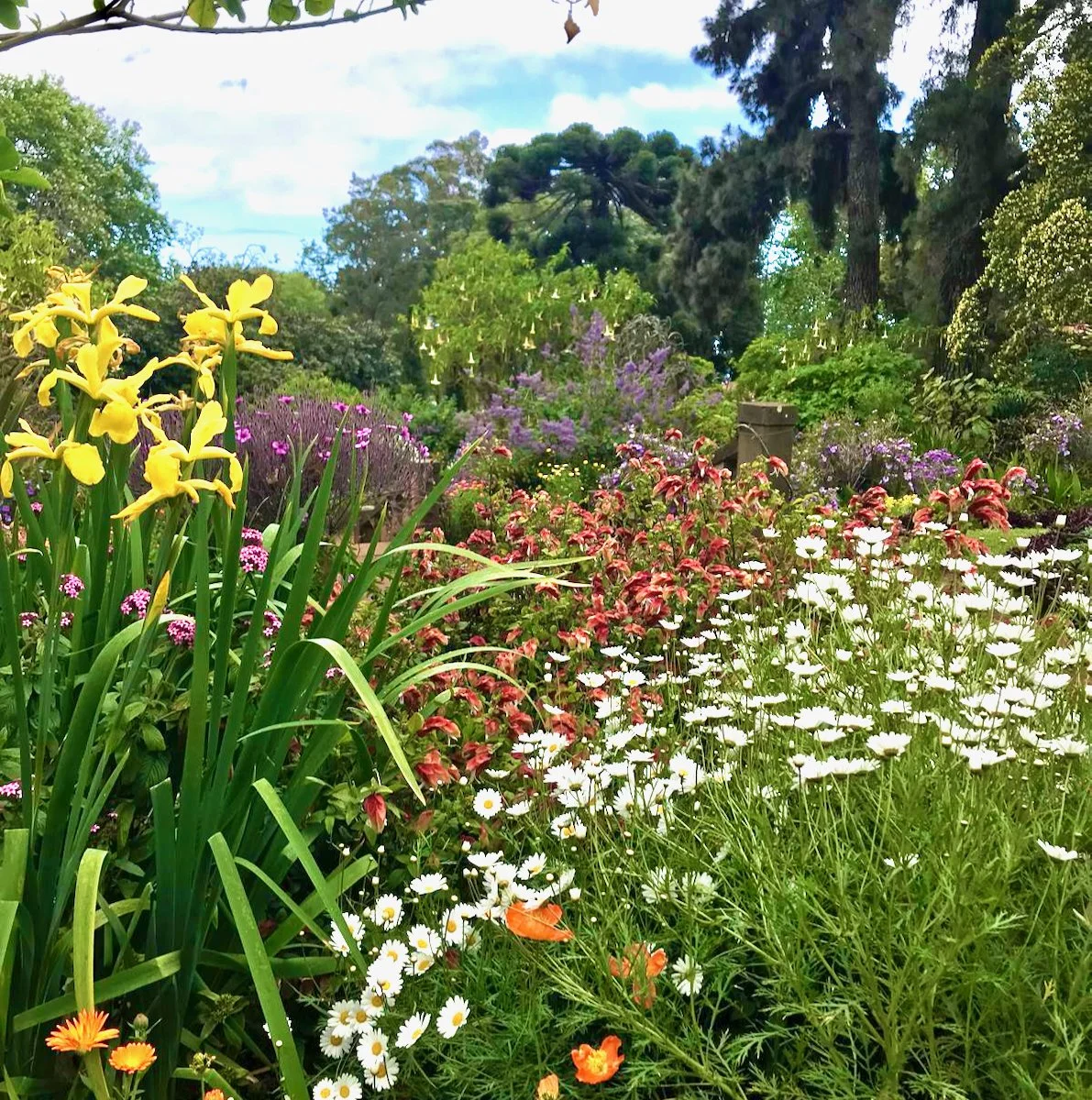
photo by ANdreia lopo

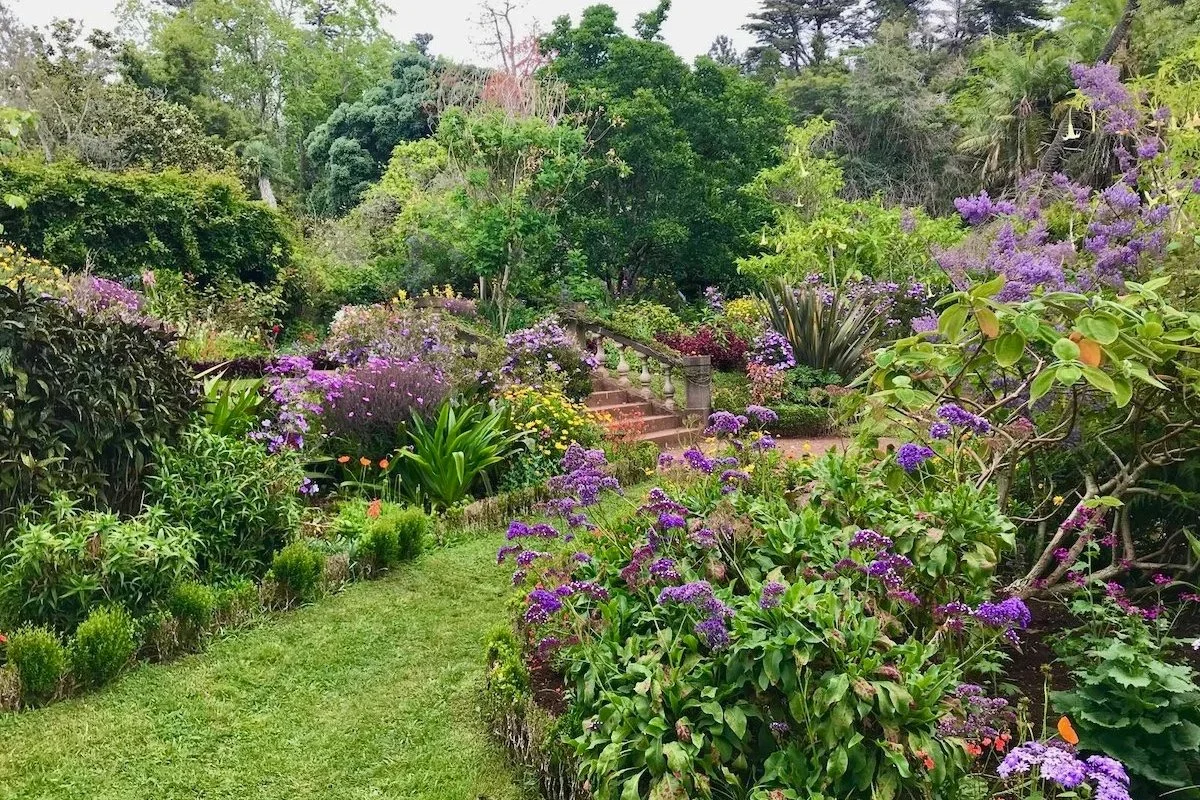
Another essential destination is Palheiro Gardens, a nineteenth-century estate renowned for its mature trees, lawns, lakes, and remarkable collection of camellias. Acquired by the Blandy family in 1885, the gardens occupy a hillside about 500 meters above Funchal and demonstrate beautifully how Madeira’s elevation can create ideal conditions for a wide range of ornamental plants. “Palheiro Gardens is my favorite garden,” says Andreia,  “because of the extraordinary care and delicacy with which it is tended. I particularly love the way the gardeners thoughtfully combine flowers, colors and textures throughout the garden; you can feel that they care for it as something truly precious and take great pride in keeping it beautiful.”
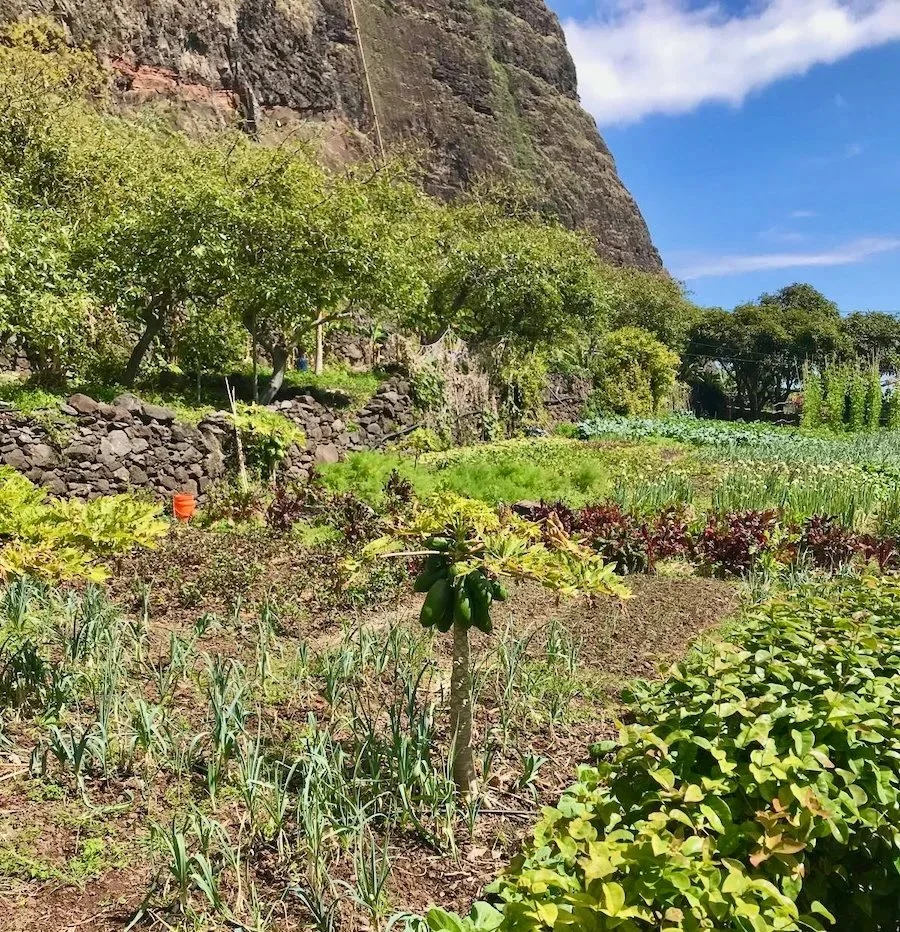
photo by andreia lopo

Andreia also brings her groups to Fajã dos Padres, a secluded area on the south side of Madeira separated from the rest of the island by a steep cliff. It can only be reached by boat or cable car. It is the site of an organic farm planted with tropical fruit trees, such as mango trees, banana trees and avocado trees, a vineyard and a restaurant set right by the sea. “What makes the experience so special is that many of the ingredients grown there are served at lunch, allowing you to literally taste the garden while enjoying this extraordinary landscape,” says Andreia. “Fajã dos Padres also has a remarkable history of wine production, particularly its famous Malvasia, connecting this beautiful little agricultural oasis with Madeira’s long and fascinating wine tradition—the same Madeira wine that was famously used to toast American independence.”
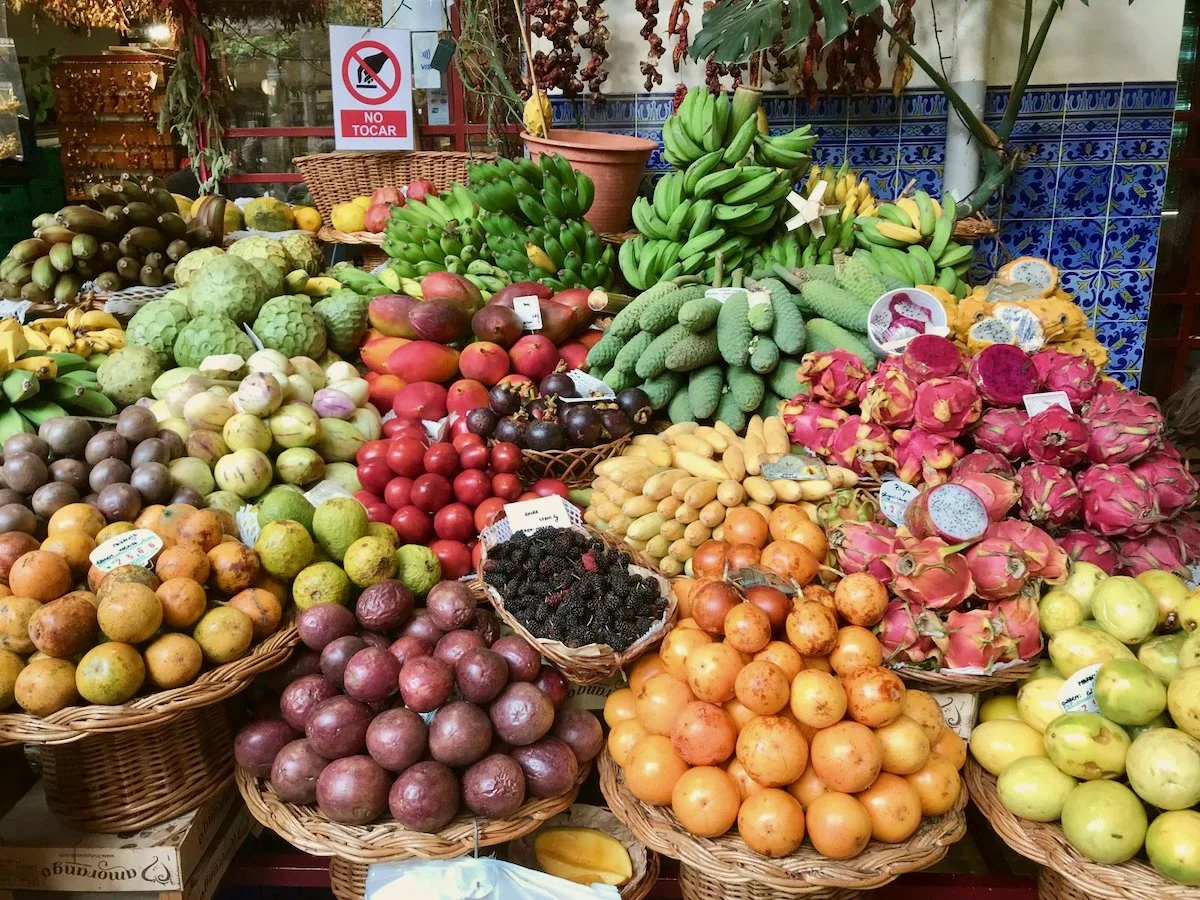
photo by andreia lopo

For gardeners, Madeira is ultimately more than a collection of beautiful estates. It is an island-sized botanical experiment where ancient forests, imported plants, historic estates, and dramatic volcanic terrain have combined to create one of the world’s most distinctive garden landscapes.
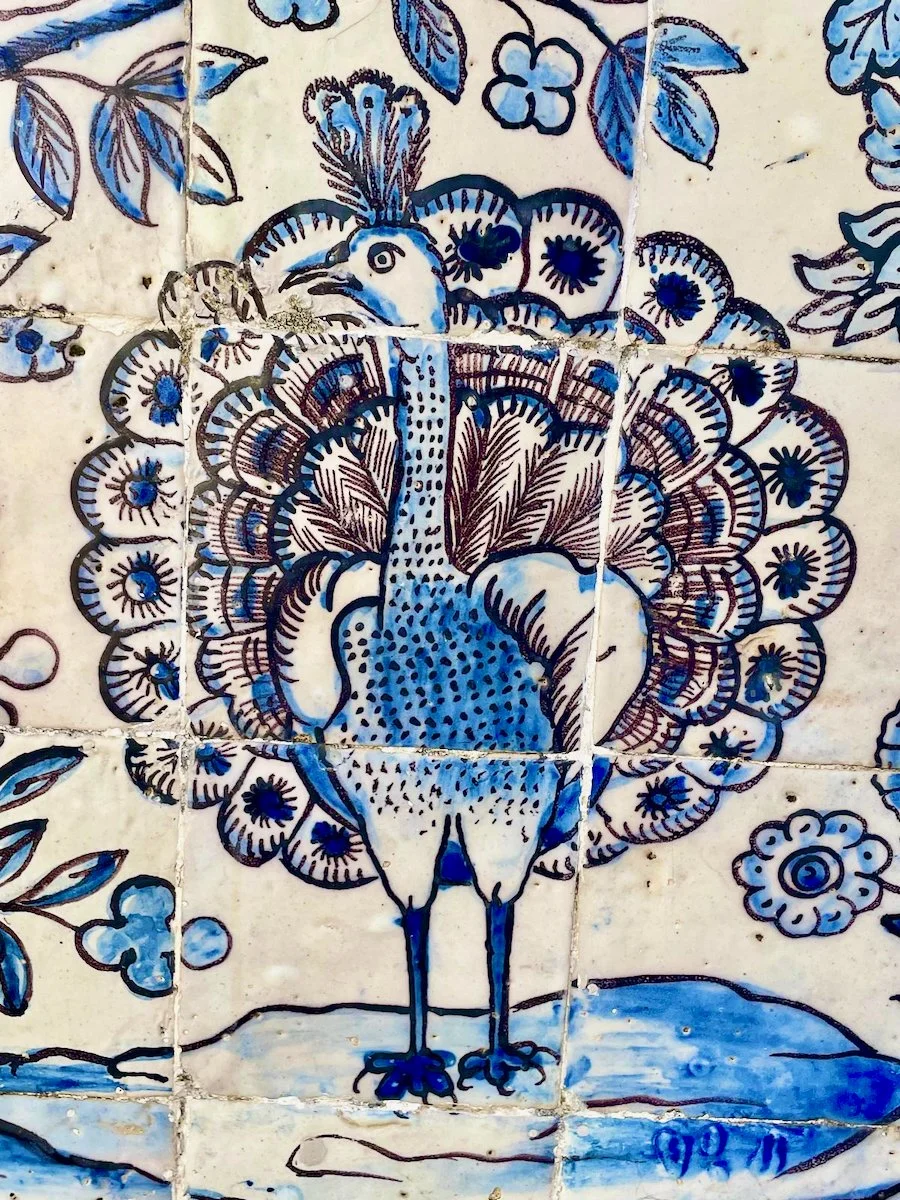
photos by andreia lopo

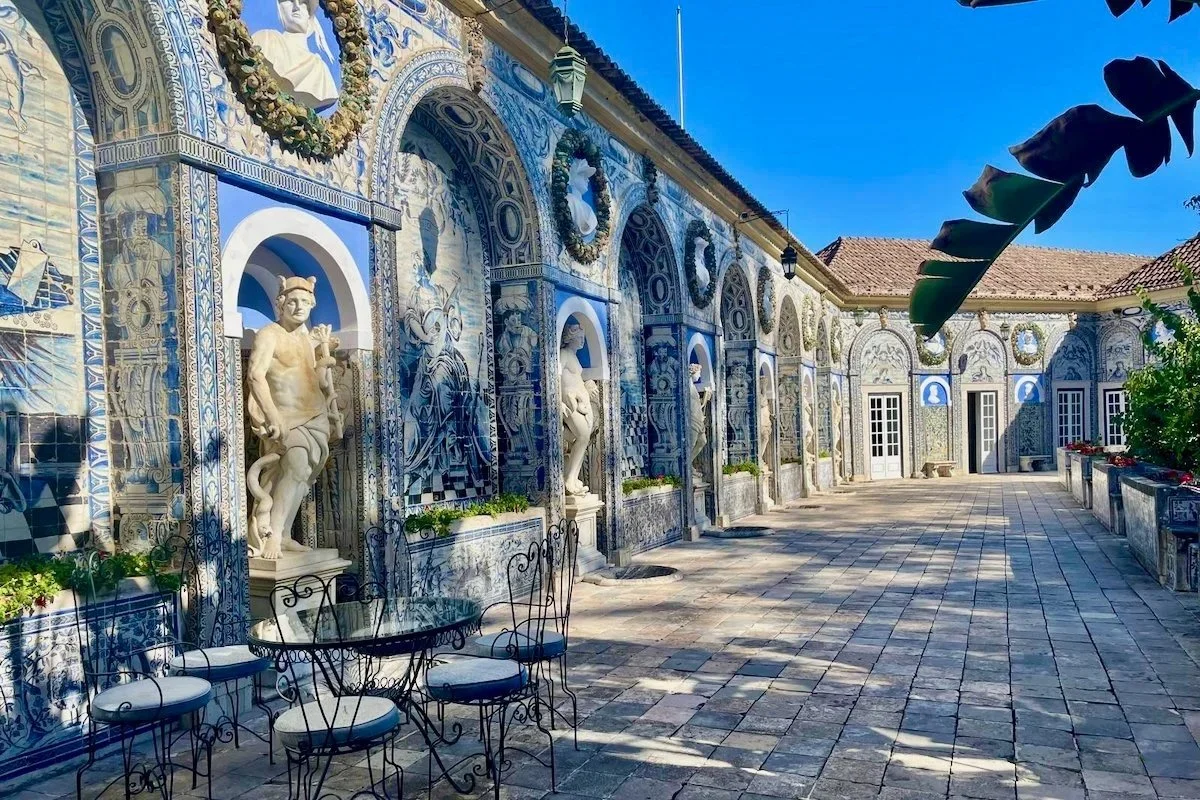
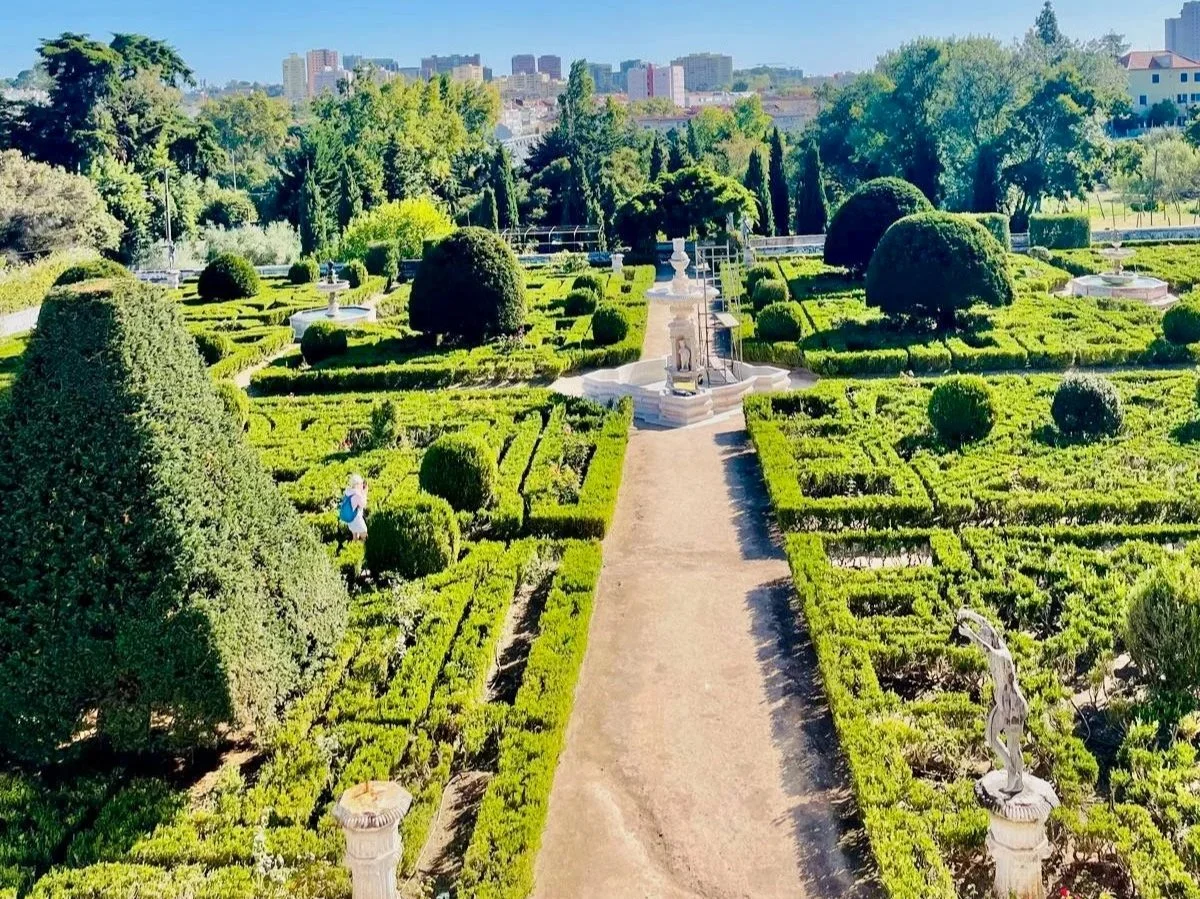
In addition to Madeira, we will visit several gardens in Lisbon, including the Fronteira Palace. We hope that you will join us on this special adventure! Please see the Garden Travel page for all my garden tours.
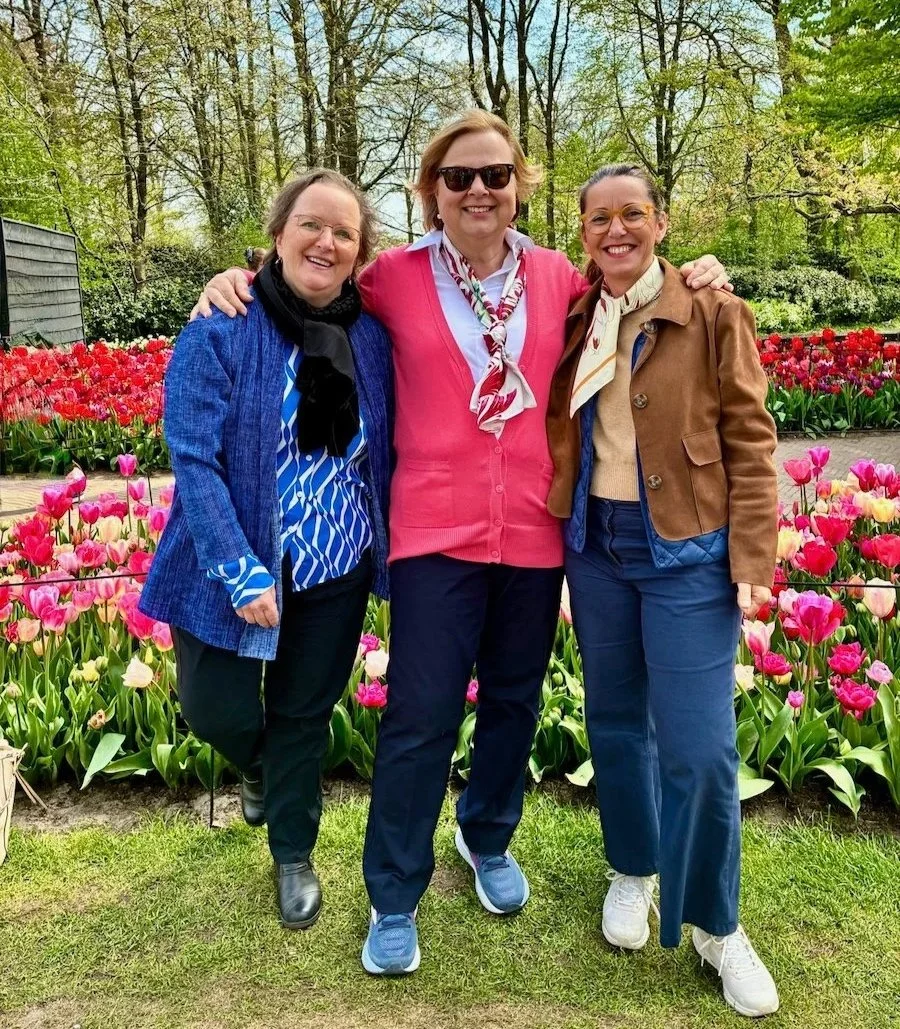
Lois Moss, Jana Milbocker, and Andreia Lopo at Keukenhof Gardens

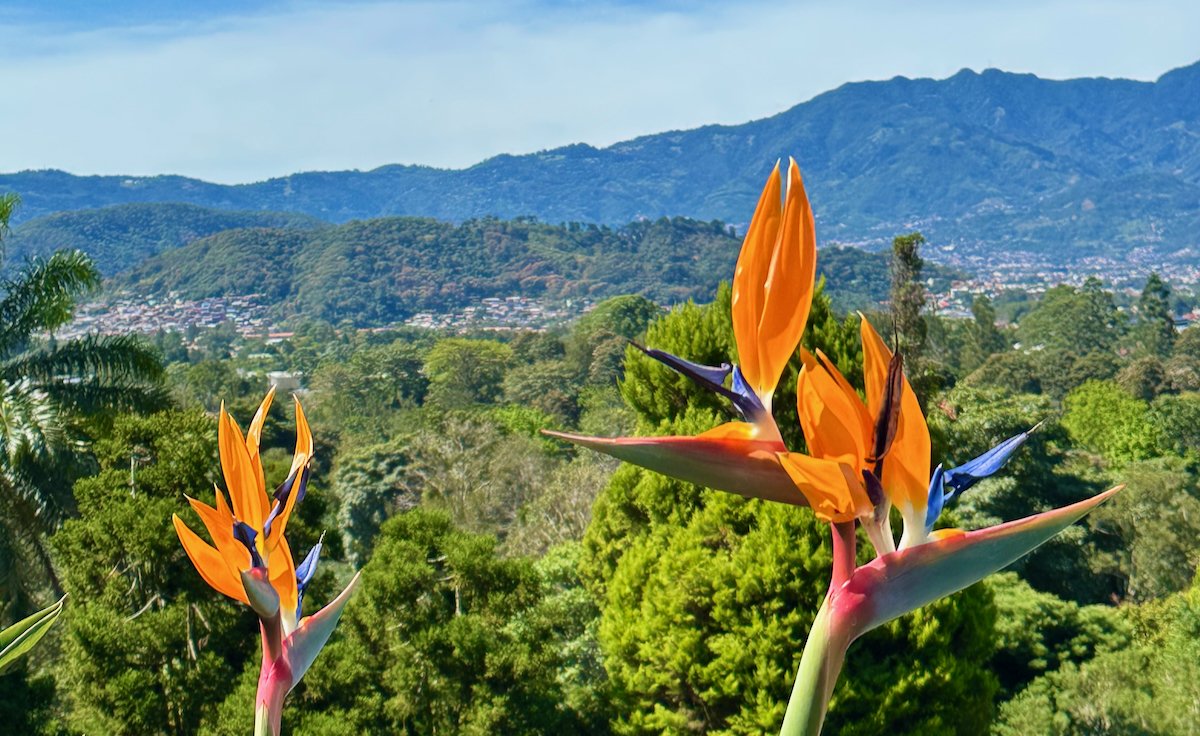
Pura Vida in Costa Rica

My January tour of Costa Rica’s tropical gardens and landscapes was an amazing experience. Our group of 12 travelers from various corners of the US, along with our local guide, Jose, and driver Danny, enjoyed wonderful camaraderie, stunning views, varied terrain, beautiful flowers and delicious cuisine in a week-long exploration of this Central American haven. 

Day 1

Our first stop on the Costa Rica Garden Tour was the stunning private garden of Senora Ileana Terán in Turrialba. Senora Terán began her garden 60 years ago as a new bride on the coffee plantation. Located on a mountain side, this terraced garden features collections of bromeliads, tropical foliage plants, miniatures, and a large collection of orchids. The plants are beautifully displayed and accented with native stone and ancient vessels. Senora Terán toured us around her garden, and shared her stories, her considerable knowledge of horticulture, and refreshments in her amazing home. 

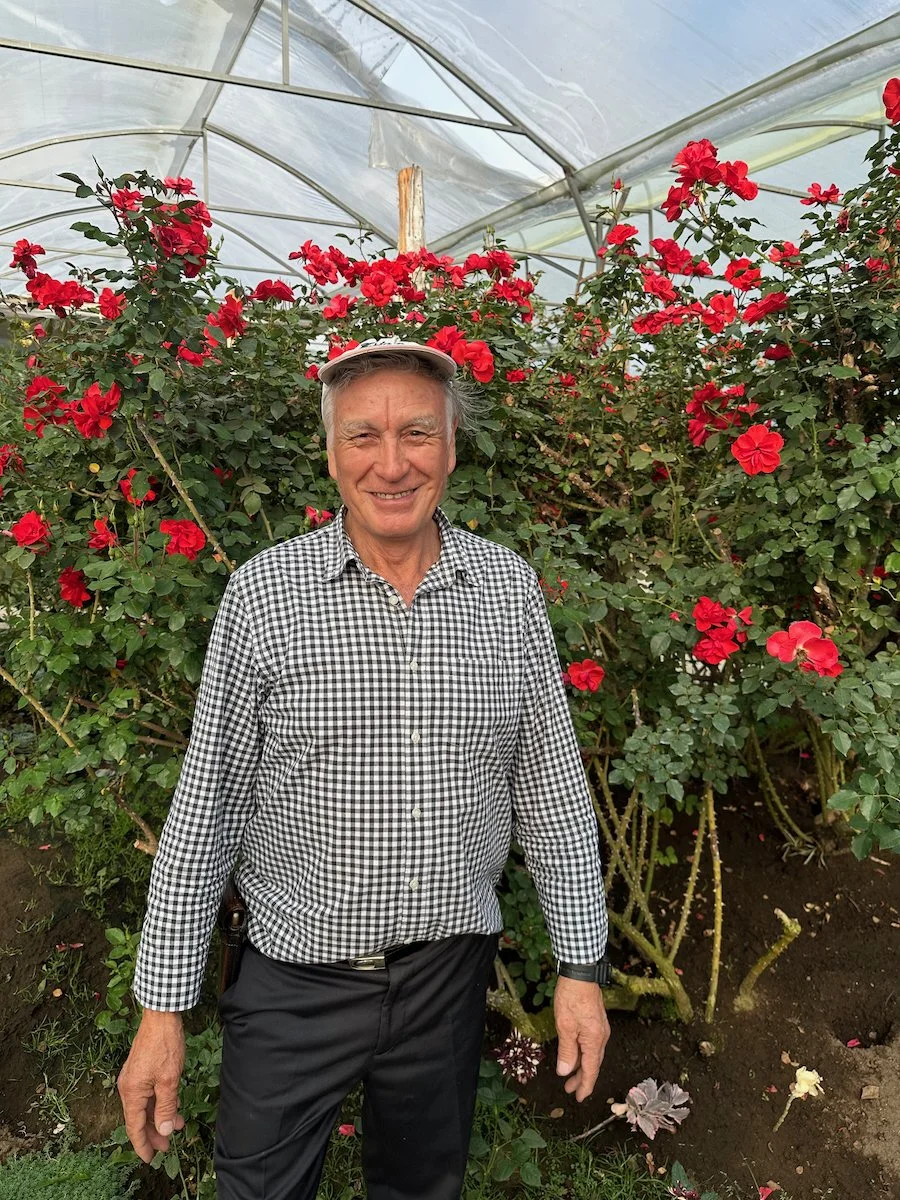
After lunch we continued on to Cartago, one of the seven provinces of Costa Rica, and its capital in colonial times. Here we toured the Sólo Rosas Rose Garden, where more than 500 varieties of roses are grown for the floral industry as well as for the pleasure of visitors. The owner has collected roses from all over the world, particularly England, France and Germany. The roses are grown organically in an enclosed environment and reach amazing sizes. As you stroll through the garden, you enjoy the sounds of classical music, the array of lovely colors, and the beautiful scents of the gorgeous flowers.

Day 2

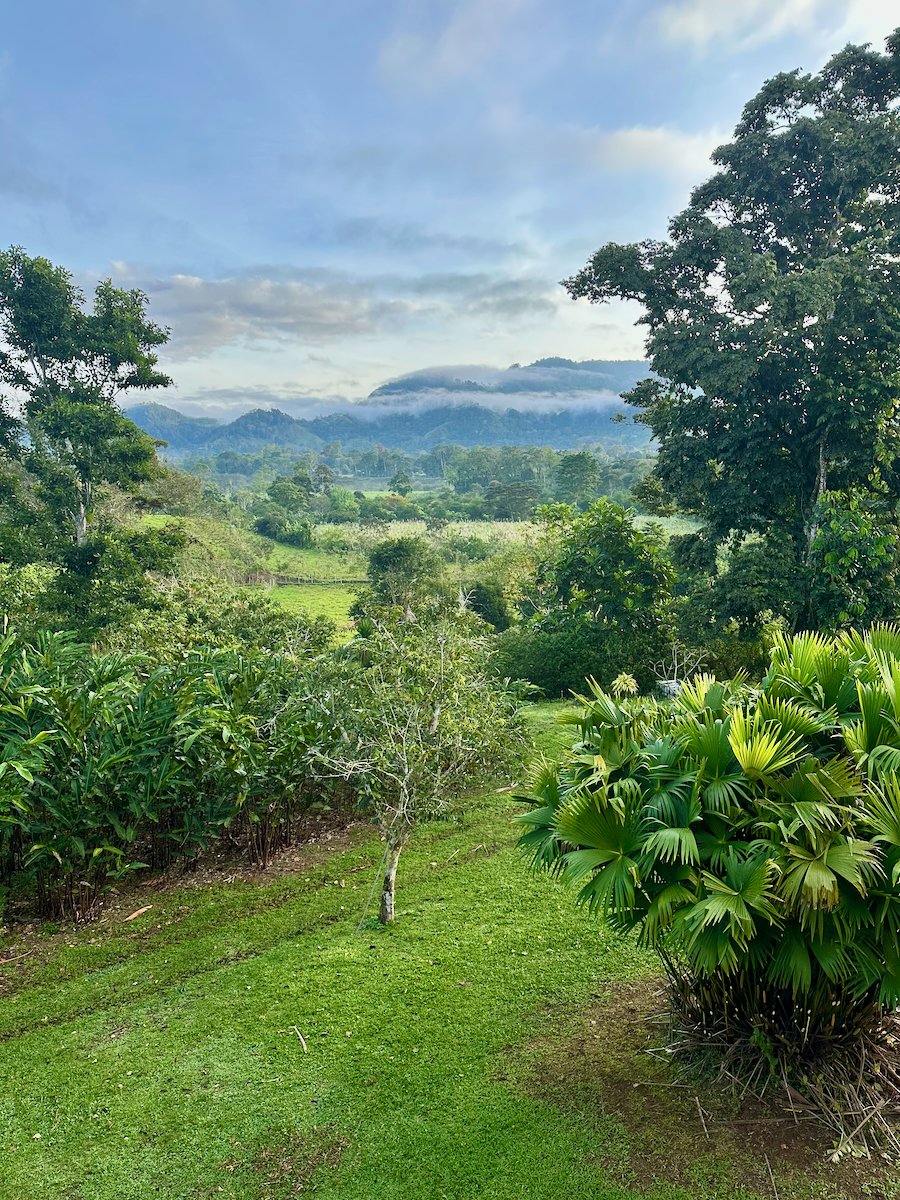
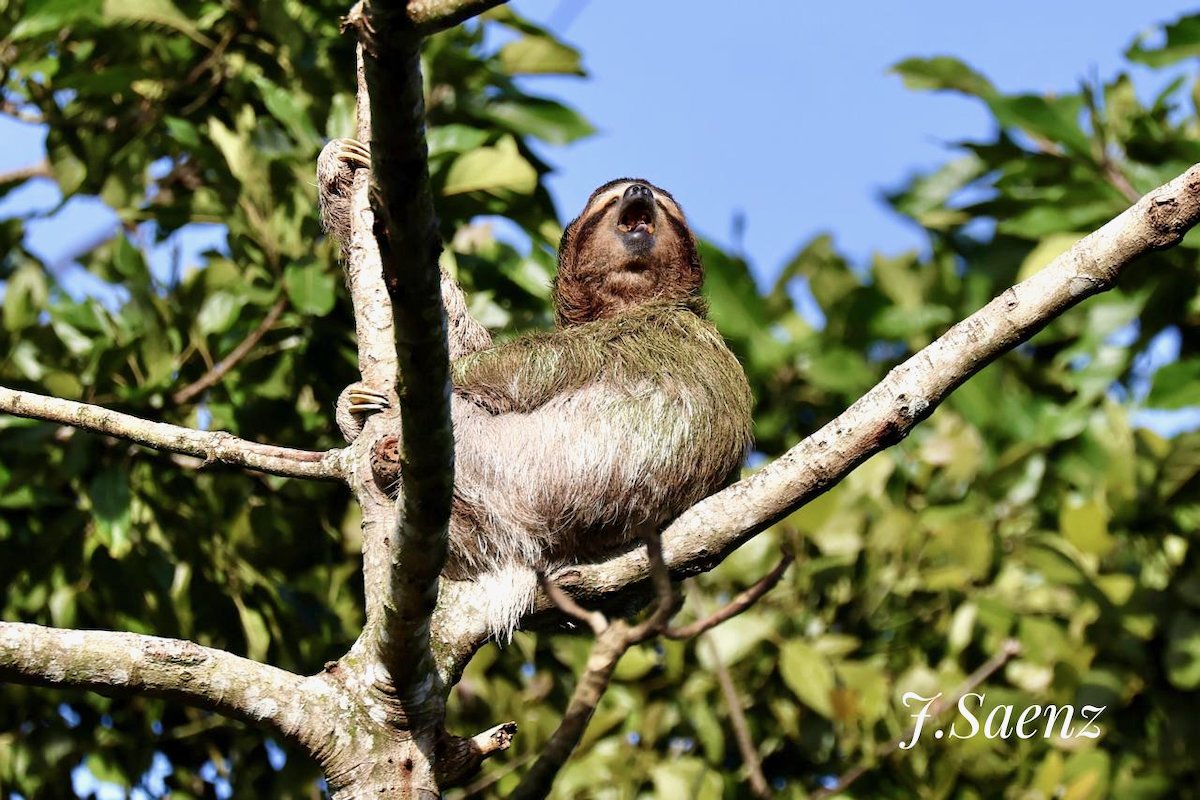
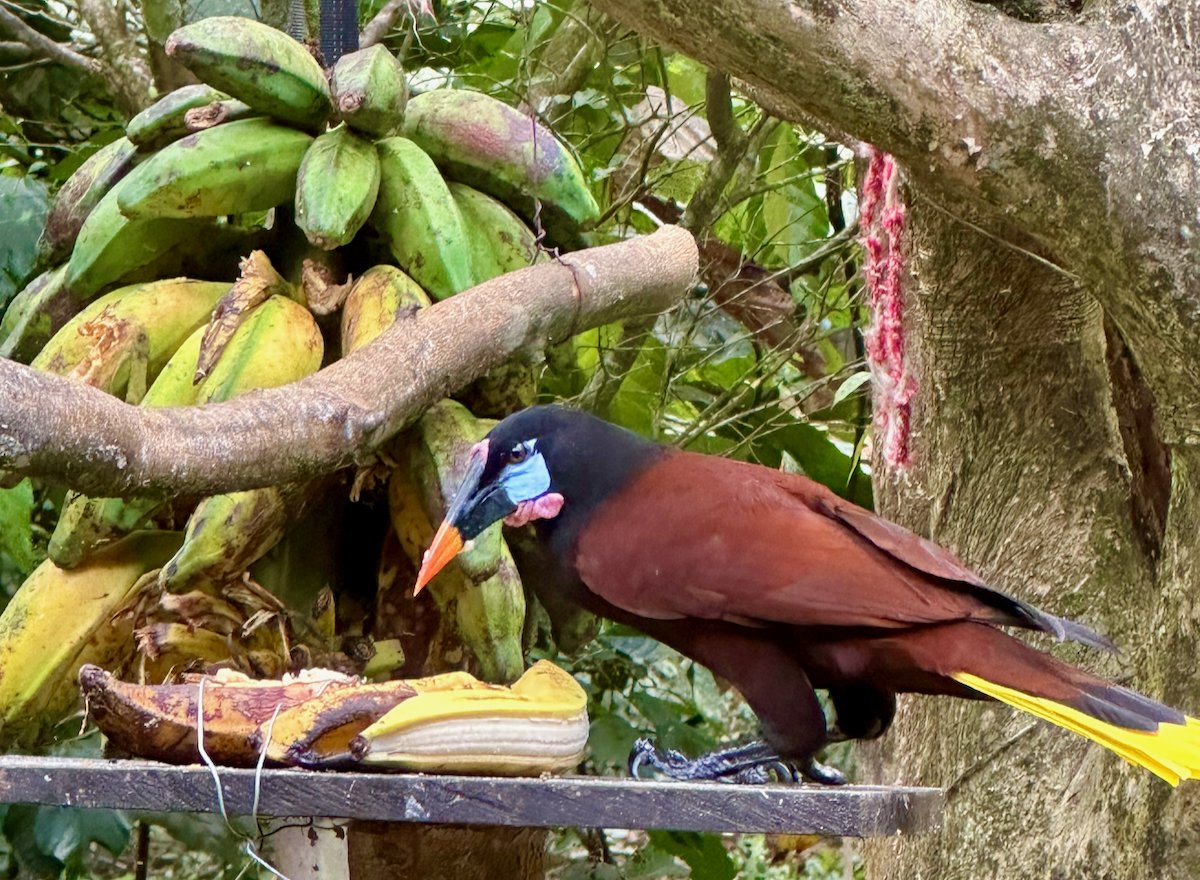
We stayed for two nights in Villa Florencia, a small family hotel surrounded by sugarcane plantations and tropical forests. We woke up to the songs of tropical birds and the sight of dozens of Montezuma Oropendolas building their hanging nests in a huge tree in the hotel courtyard. On the way to breakfast, we were greeted by a sloth lounging in a tall tree. Our hotel building was shaded by two towering monkey puzzle trees, and blooming hibiscus adorned the grounds. A kidney-shaped pool beckoned for an early evening swim.

resident sloth, photographed by our guide Jose Saenz

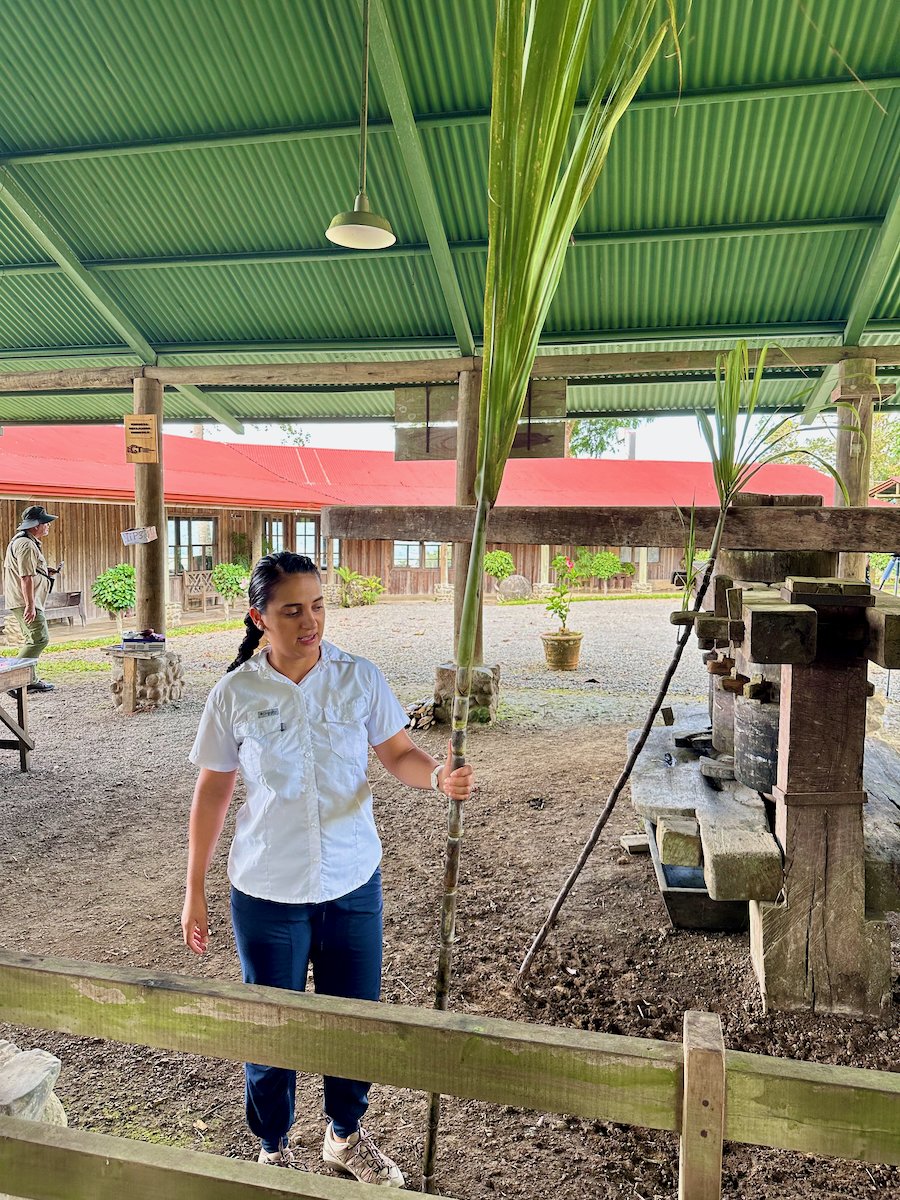
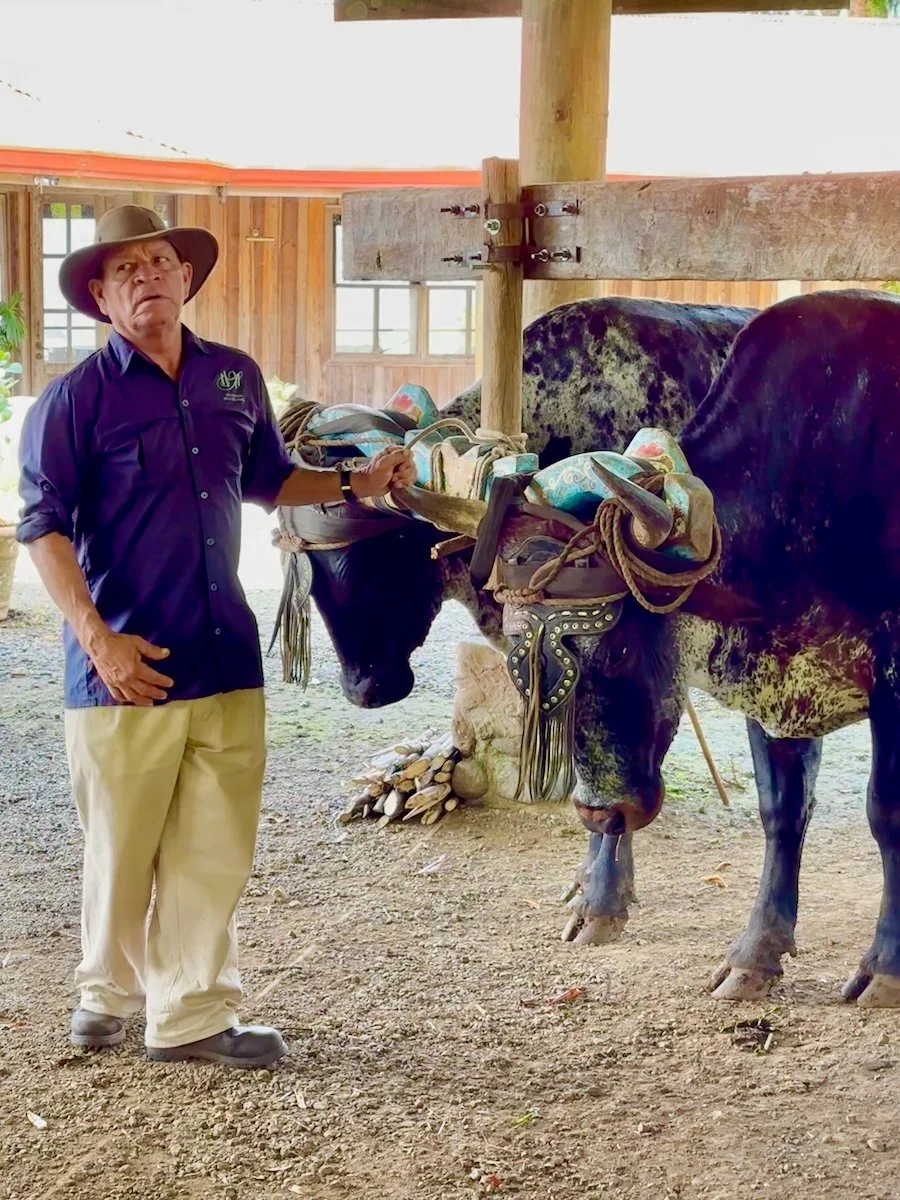
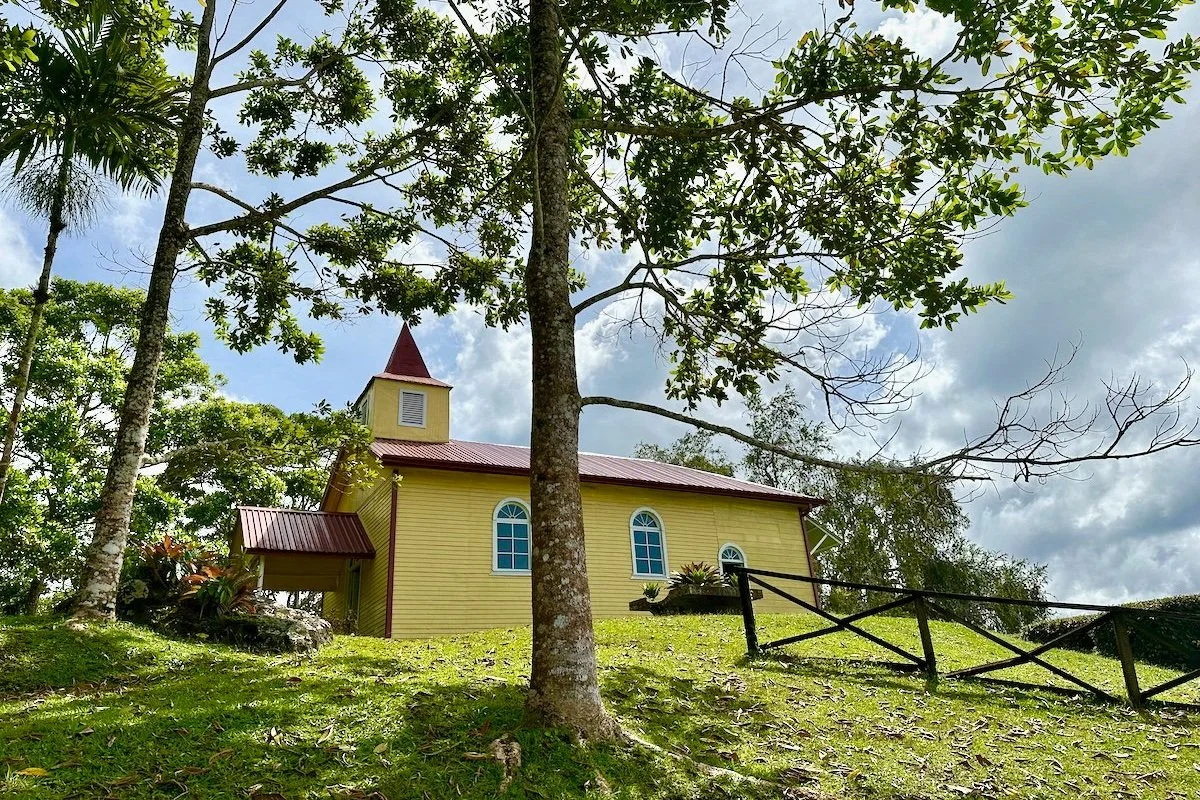
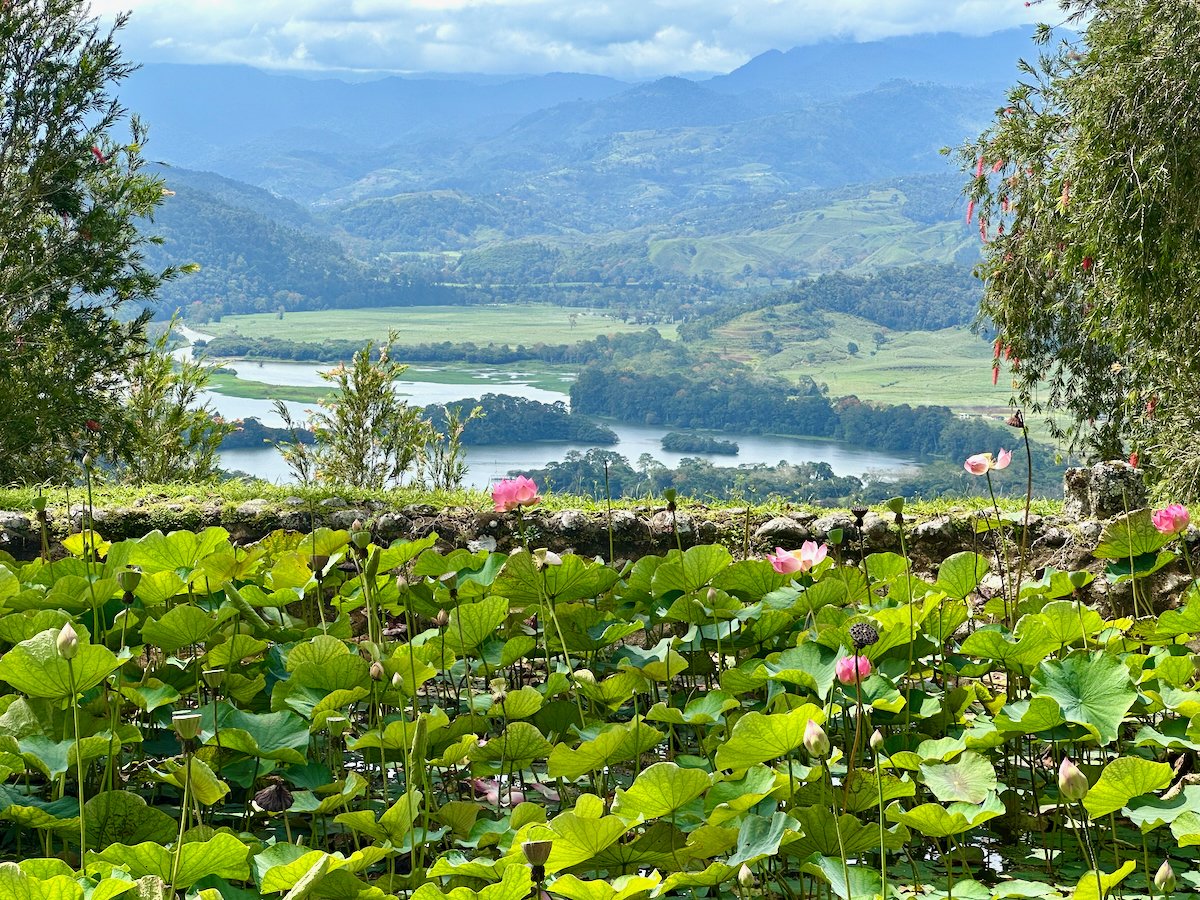
The second day began with a visit of Hacienda Sitio de Mata, a historic sugar plantation with stunning views. Our tour guided greeted us with a refreshing drink called Agua de Sapo, made with brown sugar, lemon and fresh ginger. We learned about the traditional ways of growing, harvesting, and processing sugar cane in an interactive demonstration with two oxen and cooking over an open fire. Throughout the tour, we tasted sugar cane in many different forms - from raw cane to a “fudge” made for plantation children, and the final brown sugar product. The Hacienda is also home to a colonial church from 1850, a pond filled with lotuses, a shrub maze, and a plank house built in 1750 on the slopes of the Irazú volcano. Our visit included a delicious Costa Rican lunch and coffee grown on the plantation.

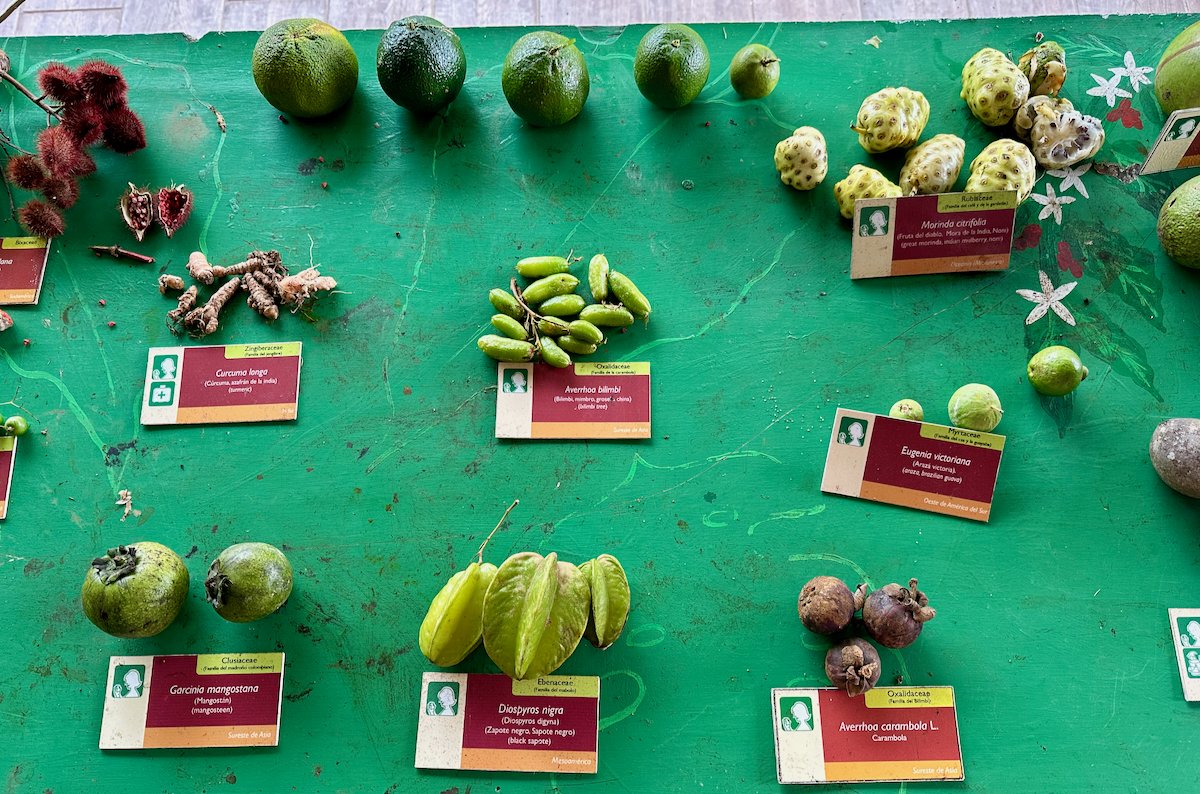
In the afternoon we continued to the Tropical Agronomy Center for Research and Learning (CATIE), and enjoyed a guided tour of their botanical gardens. The Botanical Garden of CATIE is a special place. There are exotic trees from around the world, collections of gingers and heliconias, robust stands of bamboo and a medicinal plant garden. The research at CATIE focuses on coffee and tropical fruits among other things, and the grounds include 2,000 varieties of coffee plants, and more than 500 varieties of tropical fruits. The garden serves as a laboratory for students and scientists investigating the molecular and morphological characteristics of the conserved species. It is also an educational site focused on environmental conservation and the sustainable use and protection of natural resources. We were able to sample some of the many tropical fruits that are displayed daily for visitors.

Day 3

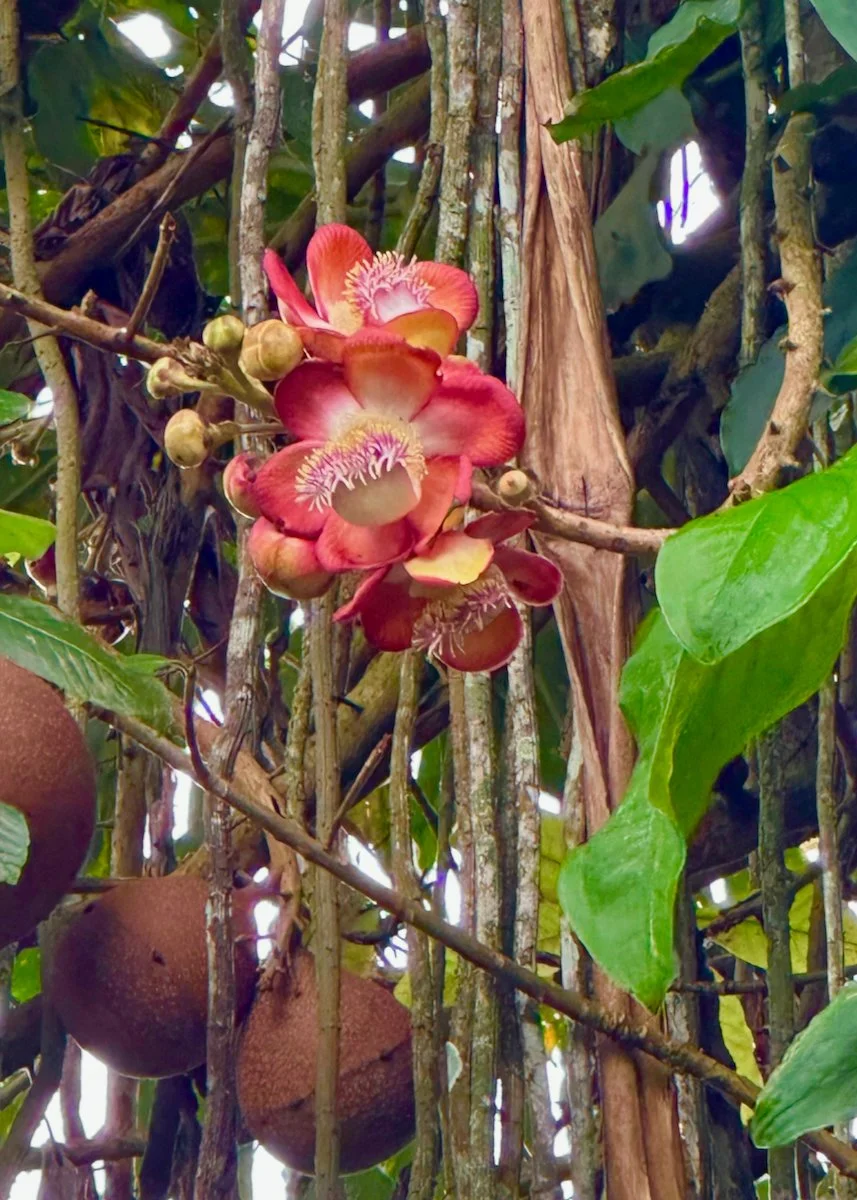
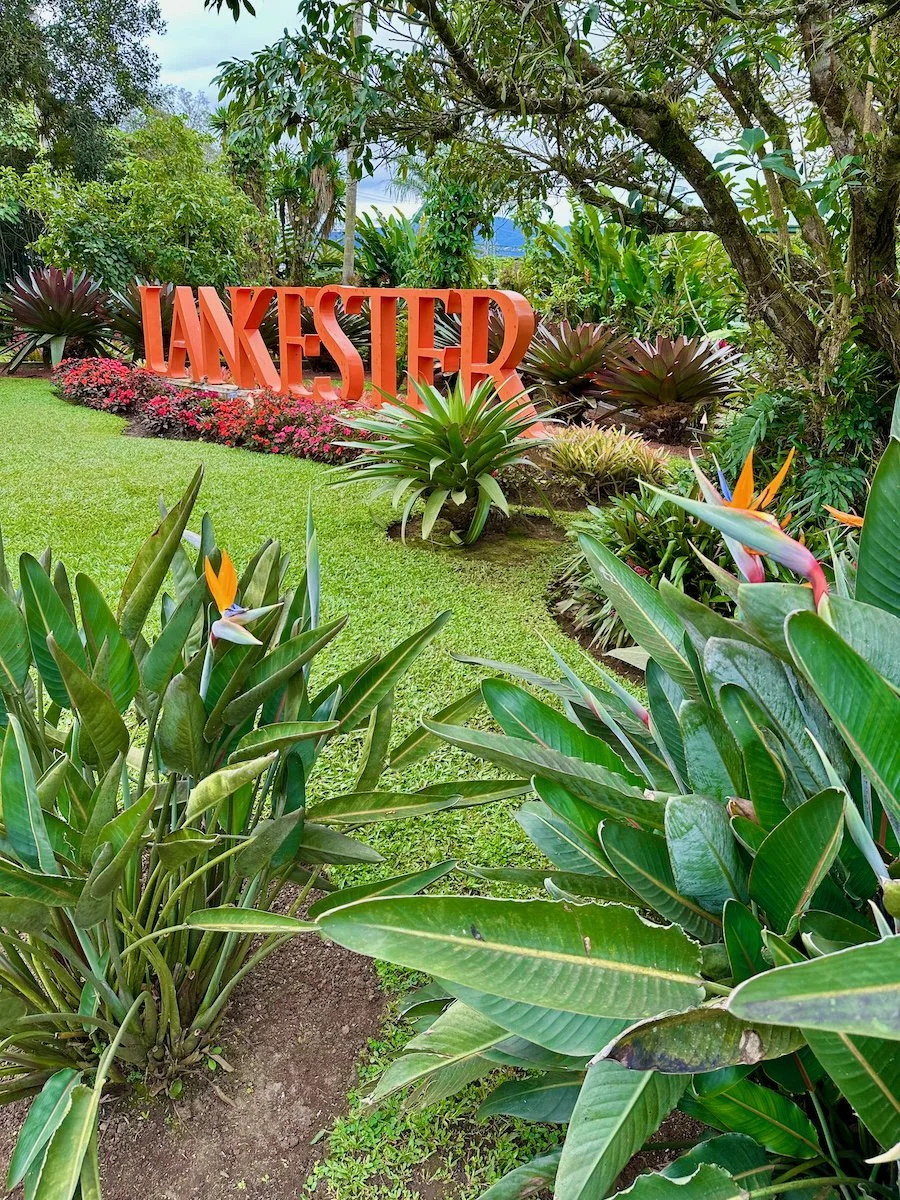
Our first stop was at the Lankester Botanical Garden,  a beautiful 27-acre property with more than 3,000 species of plants. Here, rare trees and flowers are displayed in a Bromeliad Garden, Japanese Garden, Cactus and Succulent Garden and water gardens. Lankester focuses on the  conservation and research of tropical epiphytic plants, particularly orchids. Hundreds of orchids were on display both in the ground (terrestrial orchids) and in containers.

Driving through the city of Cartago in light rain, we decided to make a spontaneous stop at the historic Ruins of Cartago. The site was home to several churches, the oldest of which was built in the mid-16th century. The original church was destroyed by an earthquake in 1630 and earthquakes continued to plague the location for centuries. Each time the church was rebuilt, only to be leveled by a tornado or earthquake several decades later. In 1910, the infamous and catastrophic Santa Monica earthquake permanently cancelled plans of a church on the site. The remaining ruins now frame a beautiful garden with a walking paths, benches, ponds and flowers.

ruins of cartago

Cloud forest in talamanca mountains

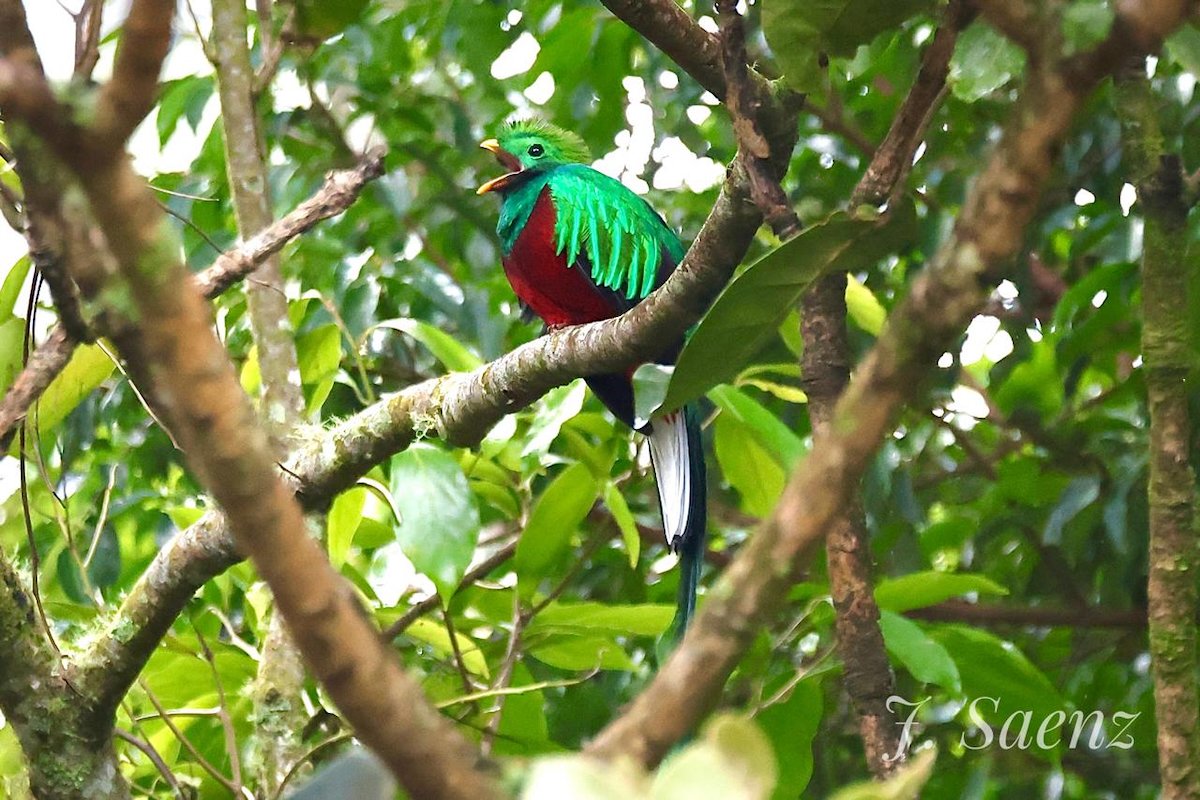
Our final destination for the day was the Savegre Hotel Natural Reserve and Spa. This family-owned hotel is located on 1,200 acres of nature preserves and cloud forests in the Talamanca Mountains. At an altitude of 2,400 ft, it features miles of hiking trails, colorful trees and flowers, and 170 species of birds. A steep, narrow road with a series of sharp switchbacks brought us to our destination. The hotel is located on the banks of the Savegre River, one of the cleanest rivers in Central America. The property is dotted with cabins set in lush gardens of hibiscus, clivias, agapanthus and apricot brugmansias. We say many varieties of hummingbirds flying from flower to flower, and gathering at feeders. The hotel is popular with birdwatchers from all over the world, and on the way to breakfast, I saw a group with giant cameras on tripods pointed at a tree with the brilliant green Quetzal. A Chinese couple offered me an up-close look through their 2-foot long camera lens.

quetzal by jose saenz

Day 4

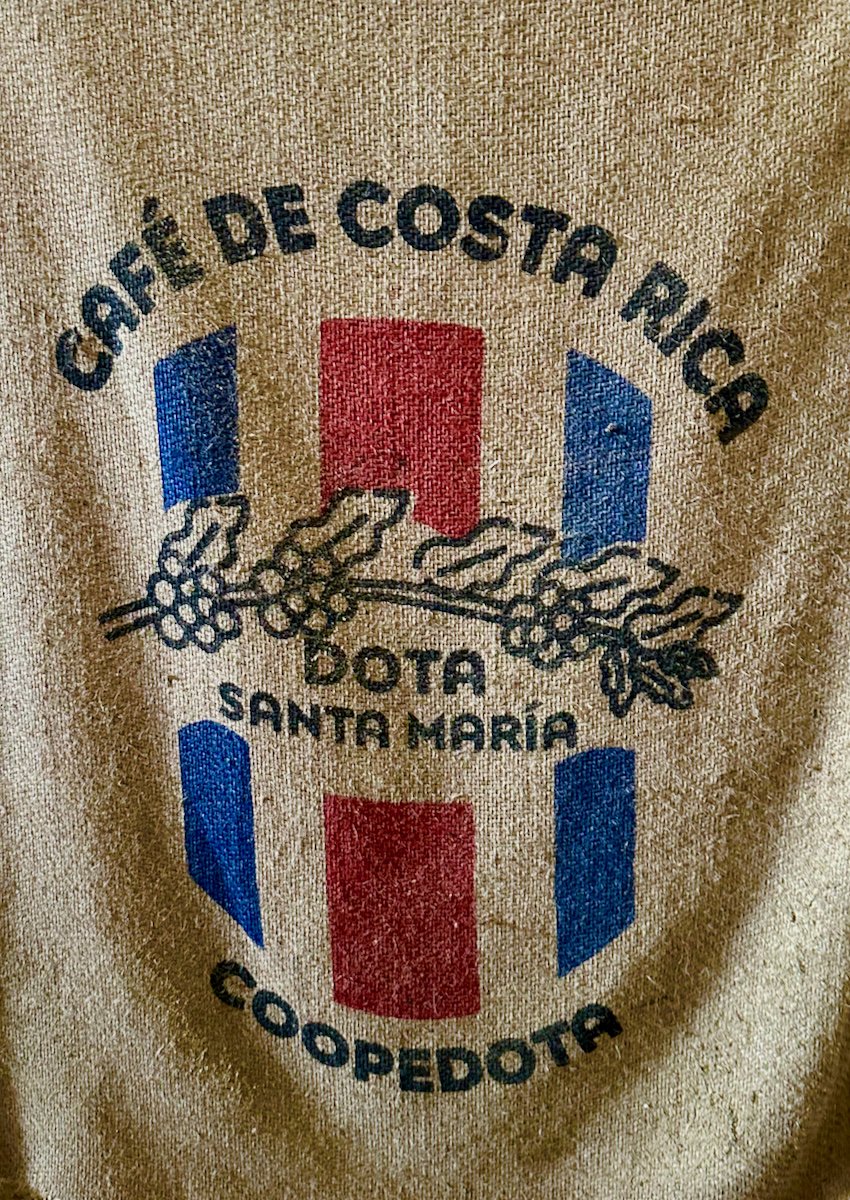
Day 4 began with a tour of Coopedota Coffee Plantation in Dota, one of the  highest-ranking coffee production areas in the world! The Coopedota Coffee Plantation is a farm and  processing cooperative where local farmers take their coffee beans to be washed, dried, and prepared for shipping. Our tour included the growing fields, where we learned about coffee cultivation and tasted coffee berries in all stages of processing. Coffee is a prized agricultural product in Costa Rica, and the berries are harvested manually. The farm focuses on environmentally friendly techniques and artisinal coffees. We were able to sample their coffee with lunch, and purchase beans to bring home.

From the Coffee Plantation we drove to the Pacific coast. Hotel San Bada is a contemporary hotel located next to the entrance to Manuel Antonio National Park and the beaches of Quepos. The hotel has a full restaurant and roof-top sushi bar with stunning views of the ocean and two swimming pools. Our rooms included balconies with sliding doors, which we were warned to keep locked to keep out the clever monkeys that live in the surrounding trees. The weather on the west coast was dramatically different than our previous few days—in the mid-80s and humid, perfect for the pools and the beach.

view from the hotel rooftop

Day 5

Our morning began with a Rainforest Spices Farm Tour. Villa Vanilla Spice Plantation is located in the Central Pacific rain forest. Spanning over 27 acres of agriculture production and 125 acres of rainforest, the plantation produces vanilla, as well as true Ceylon cinnamon, cocoa, black pepper, allspice, turmeric, and a variety of exotic fruits, essential oils, and medicinal plants. Our tour guide welcomed us with a refreshing iced tea made of hibiscus, clove, cinnamon and allspice. We first learned about the laborious process of growing, hand-pollinating, hand-harvesting and drying vanilla pods, which grow on a species of orchid called Vanilla planifollia. During the tour, we learned about the cultivation and production of spices grown on the farm, saw many beautiful tropical flowers, and sampled cocoa, cookies, and three types of ice cream enhanced with vanilla and spices.

vanilla pods drying in the sun

In the afternoon, some of us went to the town beach where we saw capuchin monkeys cavorting in the trees and stealing trash from barrels. More monkeys devoured the fruits of palms at our hotel.

Day 6

This day focused on Manuel Antonio National Park, which was located next to our hotel. This is a very popular tourist destination, and there were many groups with guides pointing out the plants and wildlife. Manuel Antonio National Park is one of the most bio-diverse areas in the world, with rain forests, beaches, and gorgeous coral reefs. It is a mecca for birdwatchers, with more than 350 bird species including toucans and emerald amazon kingfishers. During our park visit, we saw iguanas, sloths, lizards, butterflies, capuchin monkeys, brightly-colored crabs and tropical vegetation. The walk brought us to a pristine beach in a small cove where we enjoyed a long swim in the warm, crystal clear ocean water.

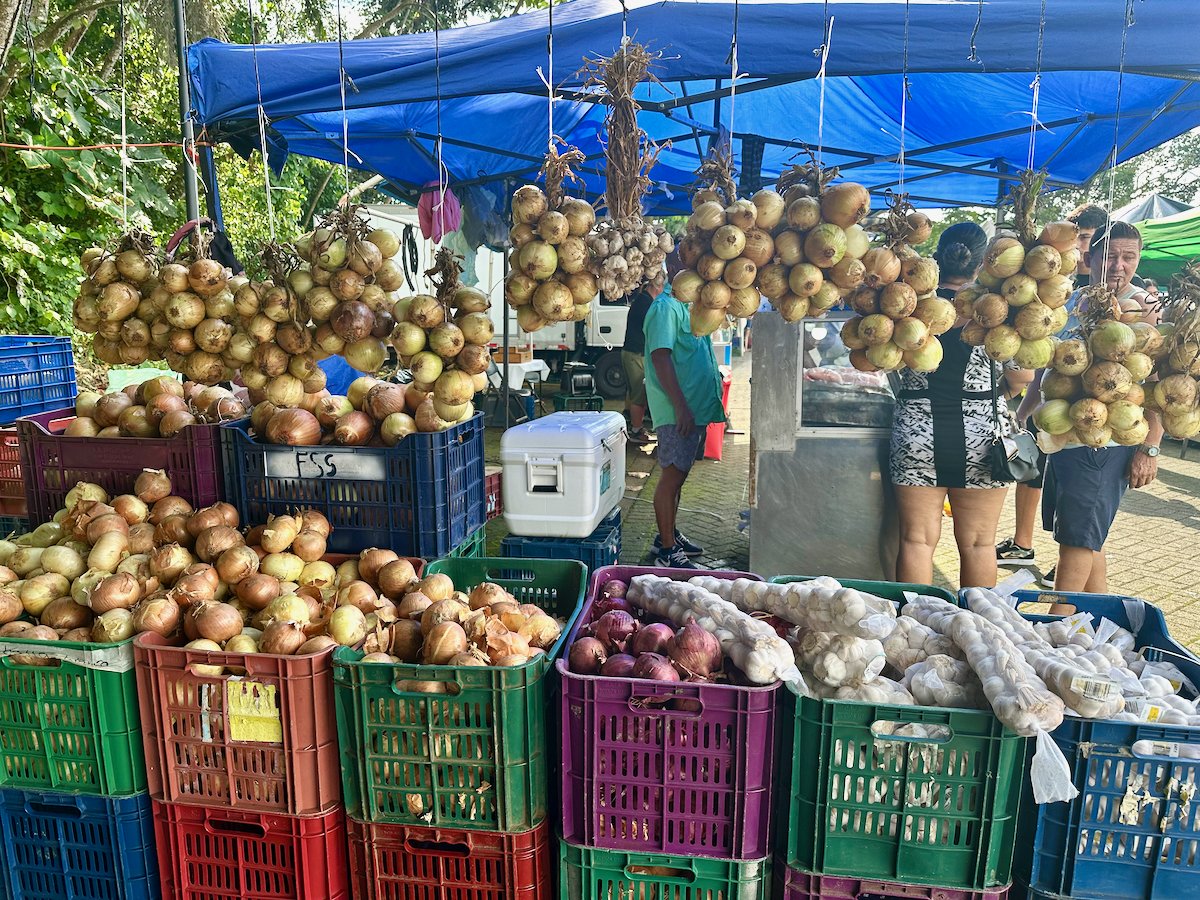
In the afternoon we toured the Quepos farmers market where local farmers sold gorgeous fruits, vegetables, crafts, and jewelry, amidst a festive atmosphere of music and dancing. We then headed to a ranch in the small town of Londres, where we had a cooking demonstration and participated in the preparation of a true farm-to-table Costa Rican dinner of plantain ceviche, braised chicken, rice, beans, and corn tortillas made with fresh ingredients and local flavors.

Day 7

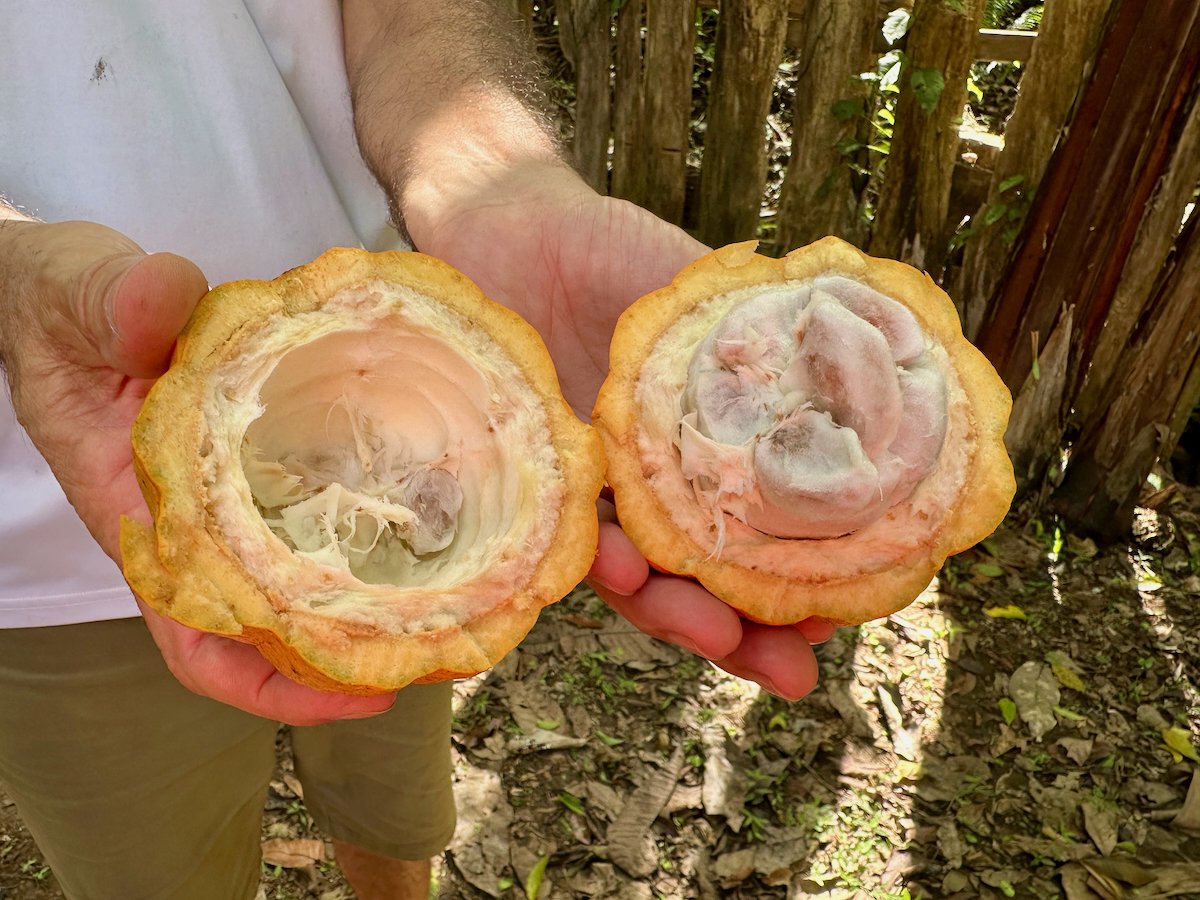
As we made our way inland from the Pacific coast, we stopped to learn all about chocolate at Cacao Santo. The founders of this small plantation were originally missionaries, and focused on the spiritual and religious history of chocolate in the culture of Central American indigenous peoples. Cacao is a fruit that grows on understory trees. Its use dates back to Ecuador, some 5,000 years ago. We toured the home farm, tasted the cacao fruit, and then helped to shell and grind dried cocoa beans on a metase and an old-fashioned hand-crank grinder. We then sampled cocoa made from our our ground cacao beans, observing toucans, tanagers, and Montezuma birds in the garden.

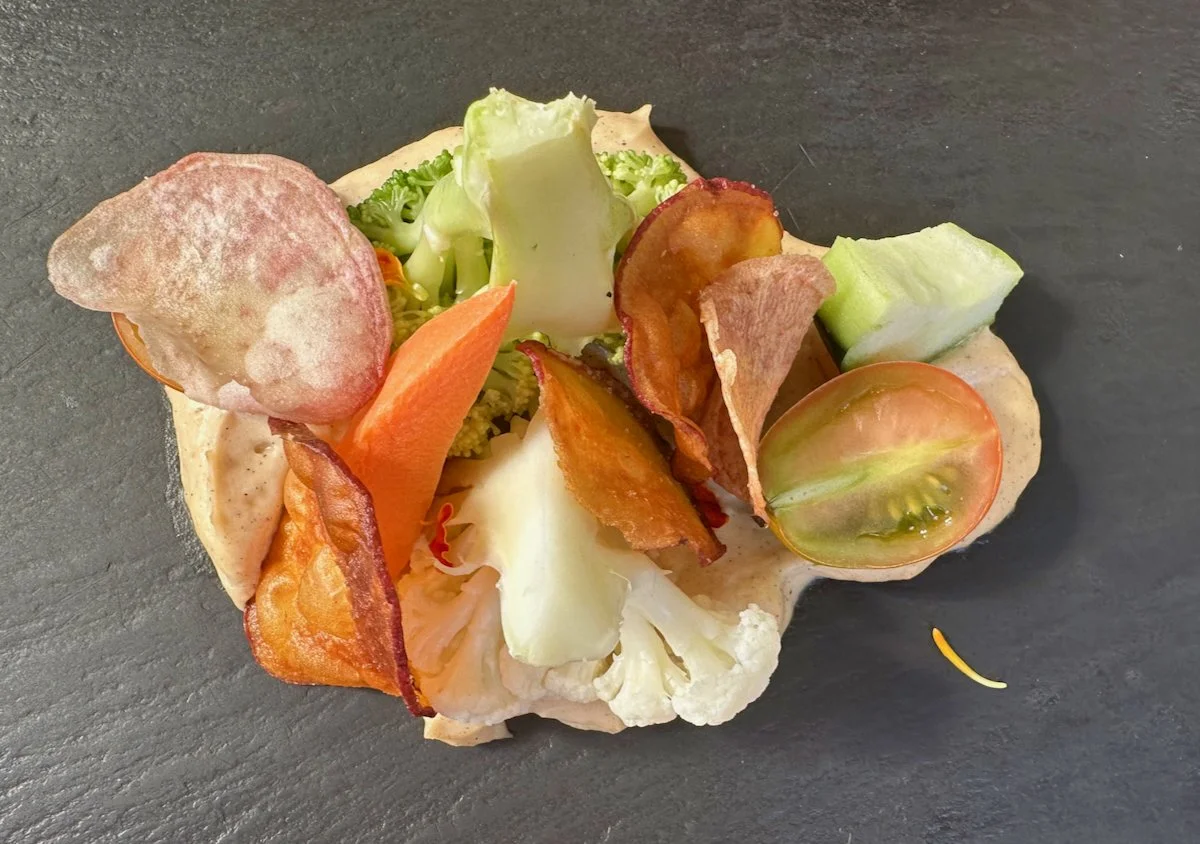
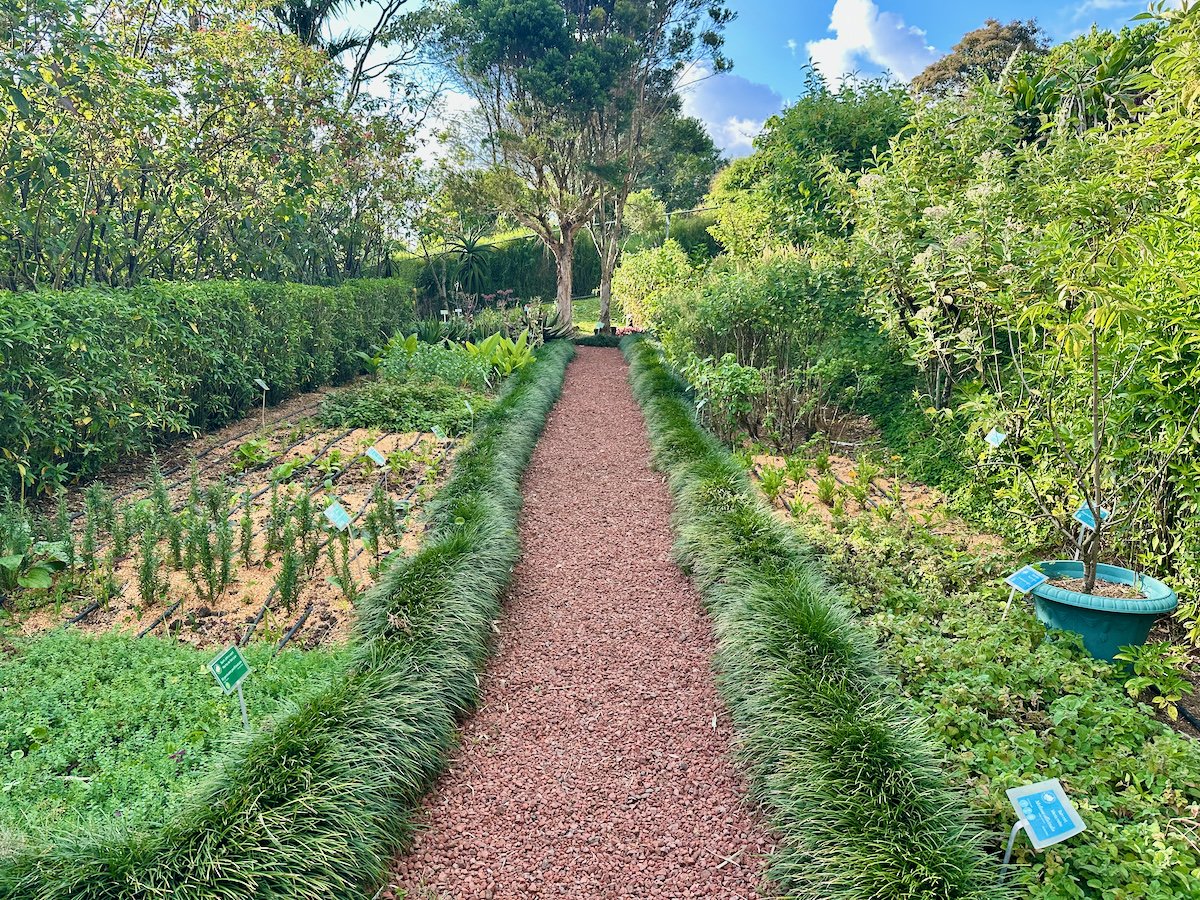
Our final botanical garden was the Green Ark in Santa Barbara de Heredia. The Green Ark is a foundation and public garden that focuses on the many uses of plants in our daily lives. Plants from all over the world are displayed on terraces that feature a medicinal garden, a culinary garden, a tropical food garden, an essential oils garden, and a natural colorants garden. After a gourmet lunch prepared with fresh herbs and produce from the garden, Green Ark’s founder, a fascinating gentleman originally from Arkansas, took us on an educational tour of the grounds. 

We ended our tour with a final night and Farewell Dinner at Hotel Bougainvillea. Located in a suburb just 10 minutes from downtown San José,  Hotel Bougainvillea is a boutique hotel decorated with original artwork, stained glass, minerals, and artifacts. The hotel is nestled within a 1-acre award-winning tropical botanical garden with meandering paths, seating areas, sculpture, specimen trees, and flowers that attract birds and butterflies.

Perhaps no other country has a motto so charming, so universally quoted and so life-affirming as pura vida. It’s Costa Rica’s unofficial national slogan, and you hear it everywhere. You can say pura vida to mean “thank you,” “you’re welcome,” “that’s great” or “life is good.” The literal meaning of pura vida is “pure life,” but it’s come to symbolize the cheerful outlook and simple lifestyle of what is often called the happiest country in the world.

We all returned from our trip to Costa Rica with that feeling of pura vida, with wonderful memories, new friendships and thousands of photos! Join me on a Costa Rica adventure in January 2026!