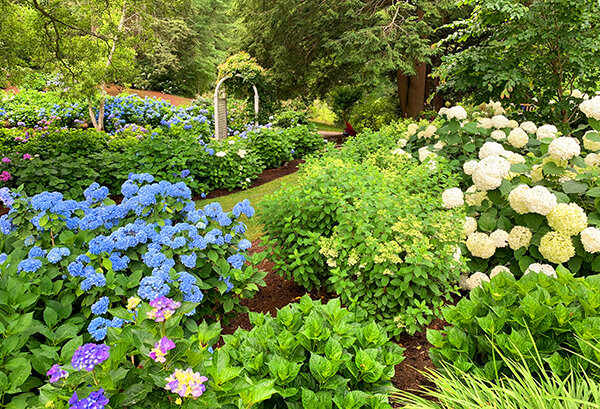
Buffalo Garden Walk: How a Neighborhood Tour Blossomed into a Summer Garden Festival
/
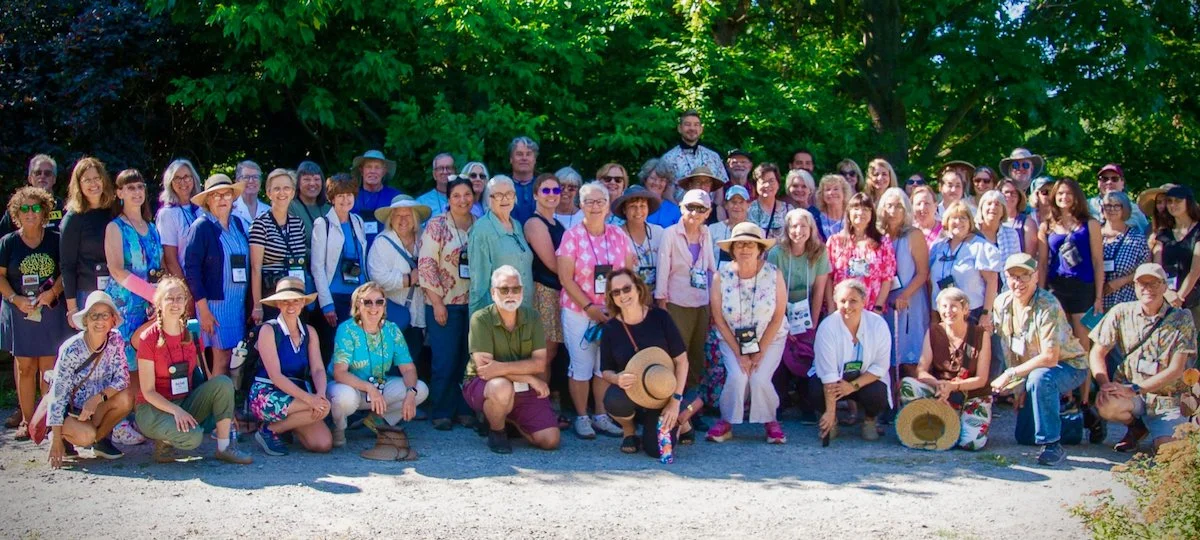
Every gardener has a bucket list of gardens and garden events that they would like to visit. The Buffalo Garden Walk had been on mine for over 10 years. This July, I joined over 70 other garden lovers from 28 states and Canada in the pilgrimage to Buffalo. We were a group of garden authors, magazine writers, bloggers, podcasters and social media influencers who gather together annually for “The Fling”—a 3-day networking and garden touring gathering that is staged in a different city every year.
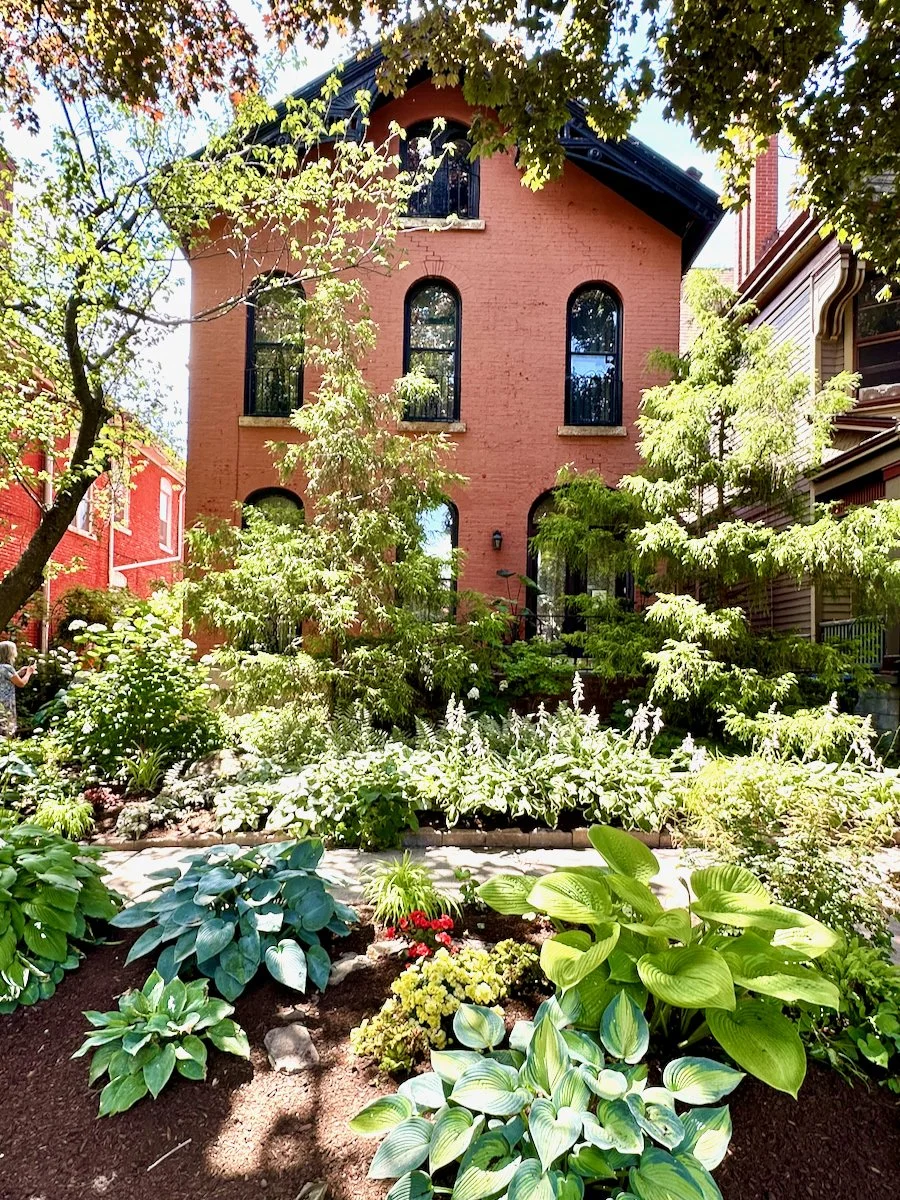
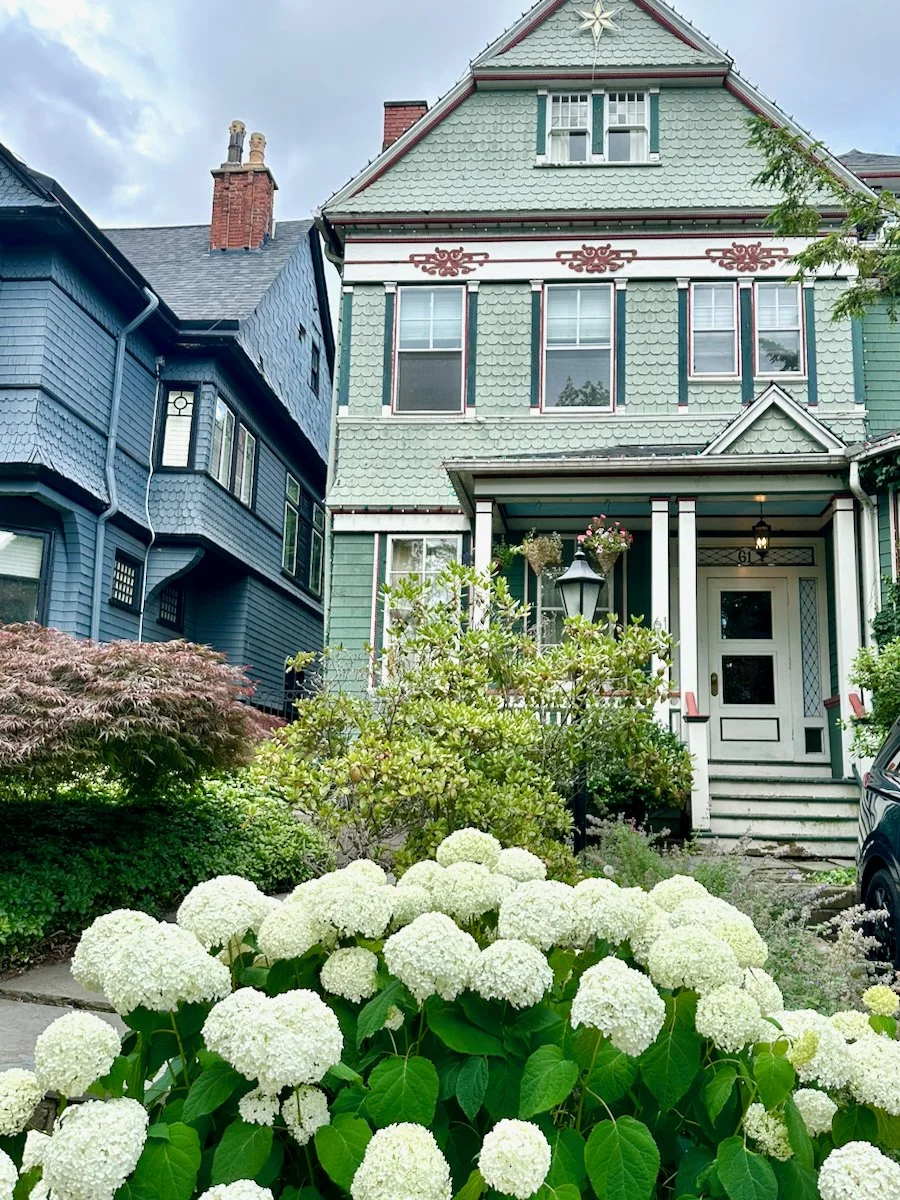
In Buffalo, we got a taste of an event that is unlike any other in North America. What began as a modest neighborhood garden tour has grown into the largest free, self-guided garden walk in the United States, transforming Buffalo into one of the country's premier garden tourism destinations.
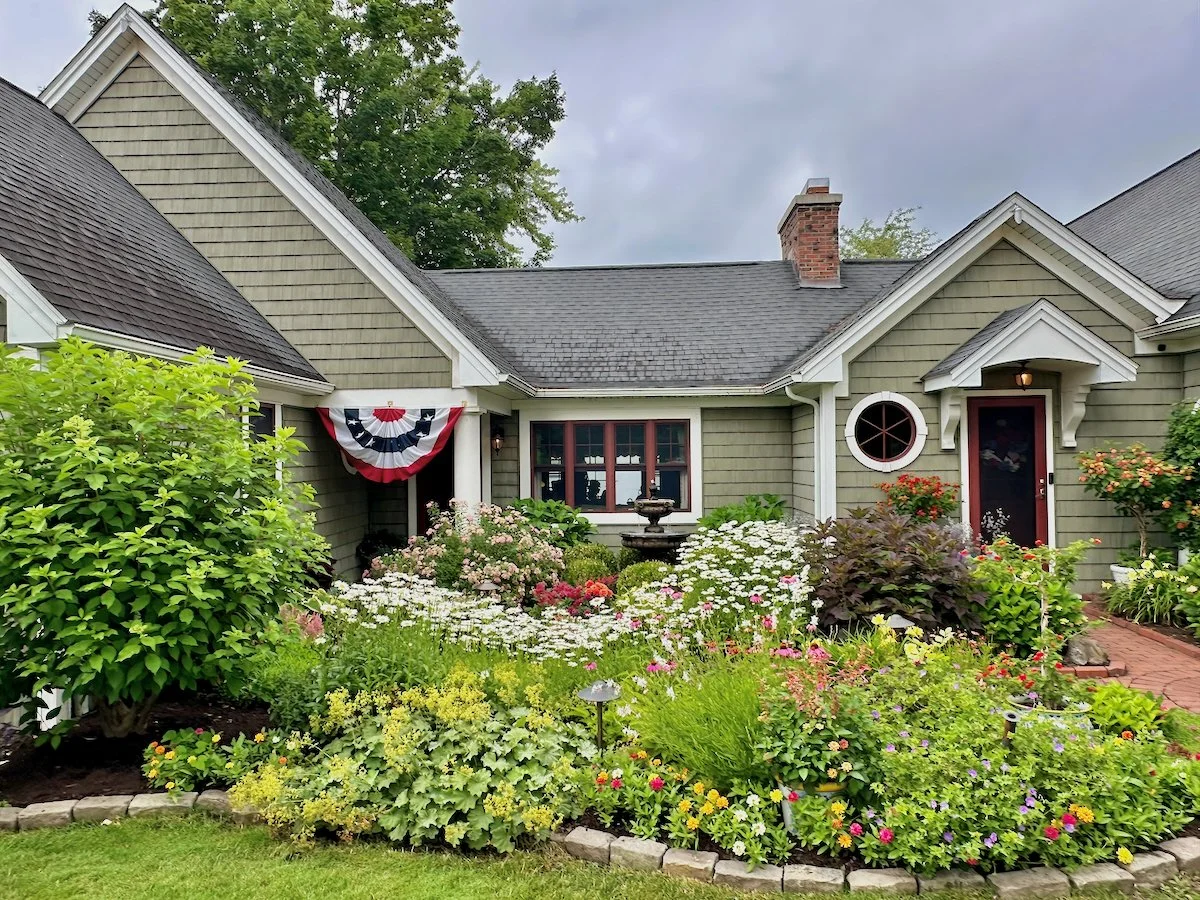
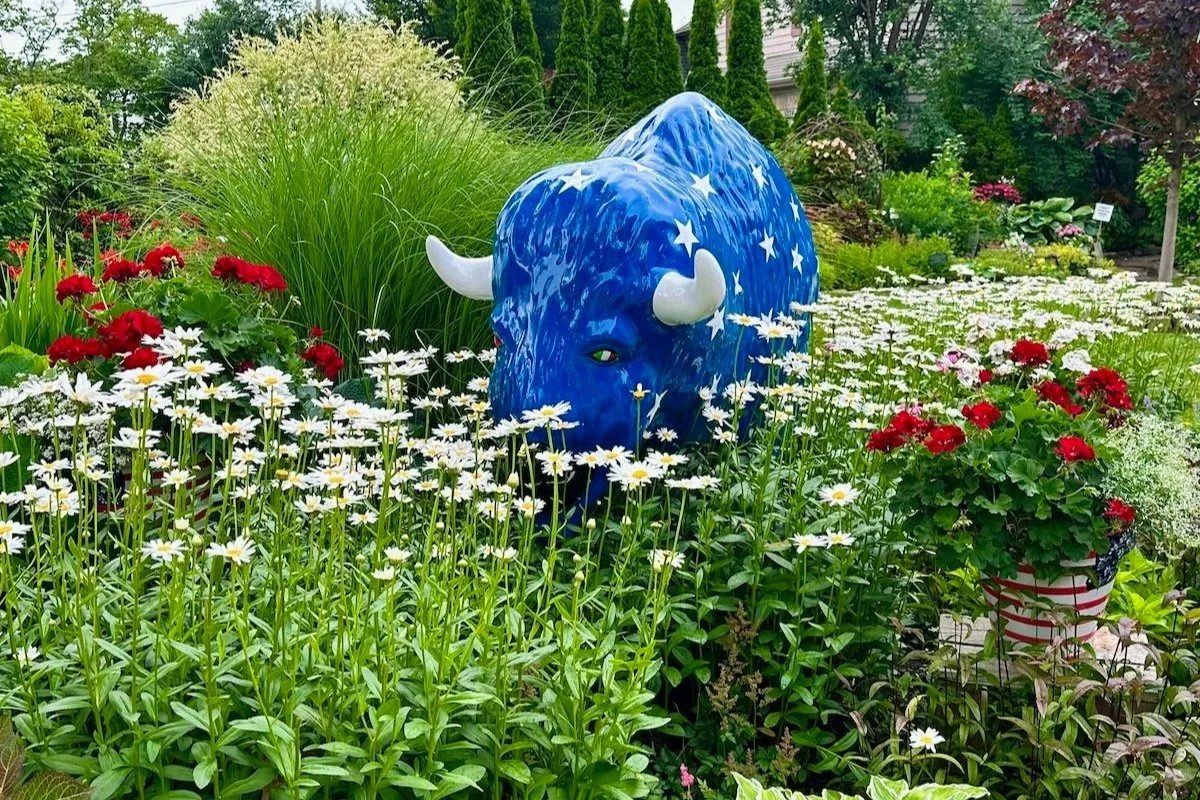
The story began in 1993 when Buffalo gardeners Marvin Lunenfeld and Gail McCarthy attended Chicago's Sheffield Garden Walk. Inspired by the idea of opening private gardens to the public, they brought the concept home to their Norwood/West Utica neighborhood. Two years later, on July 15–16, 1995, the first Buffalo Garden Walk featured just 29 gardens, with maps distributed from the founders' front porch. The goals were simple: encourage neighborhood beautification, build community pride, and celebrate the creativity of local gardeners. Admission was free then—and it remains free today.
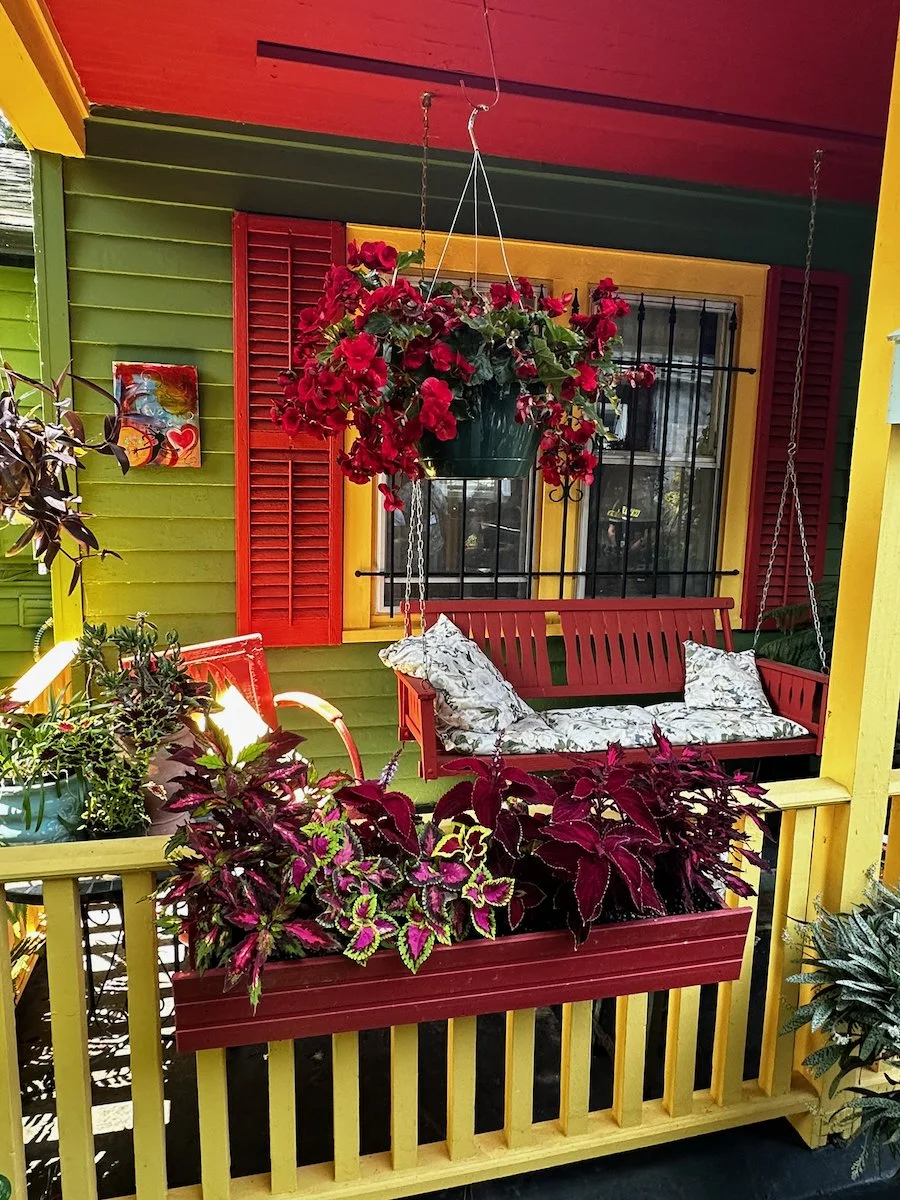
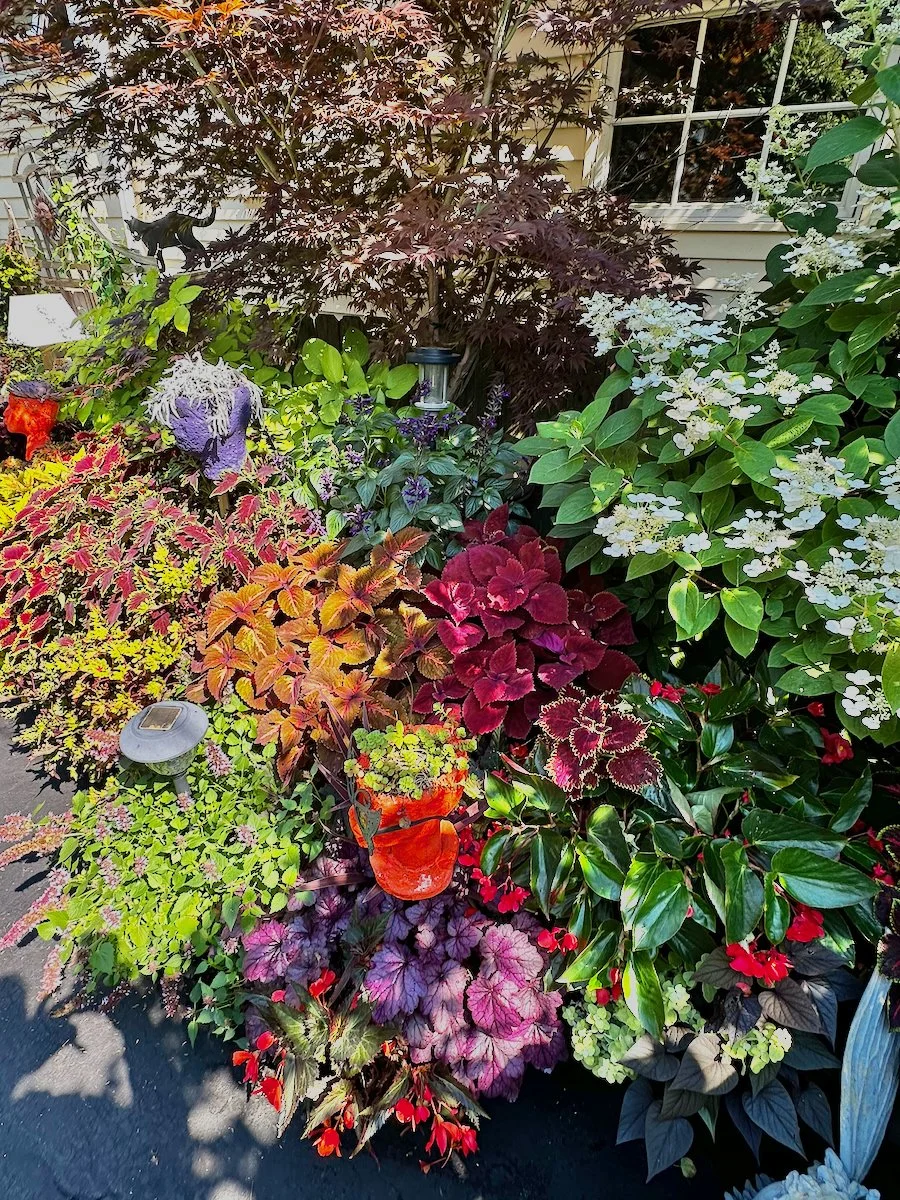
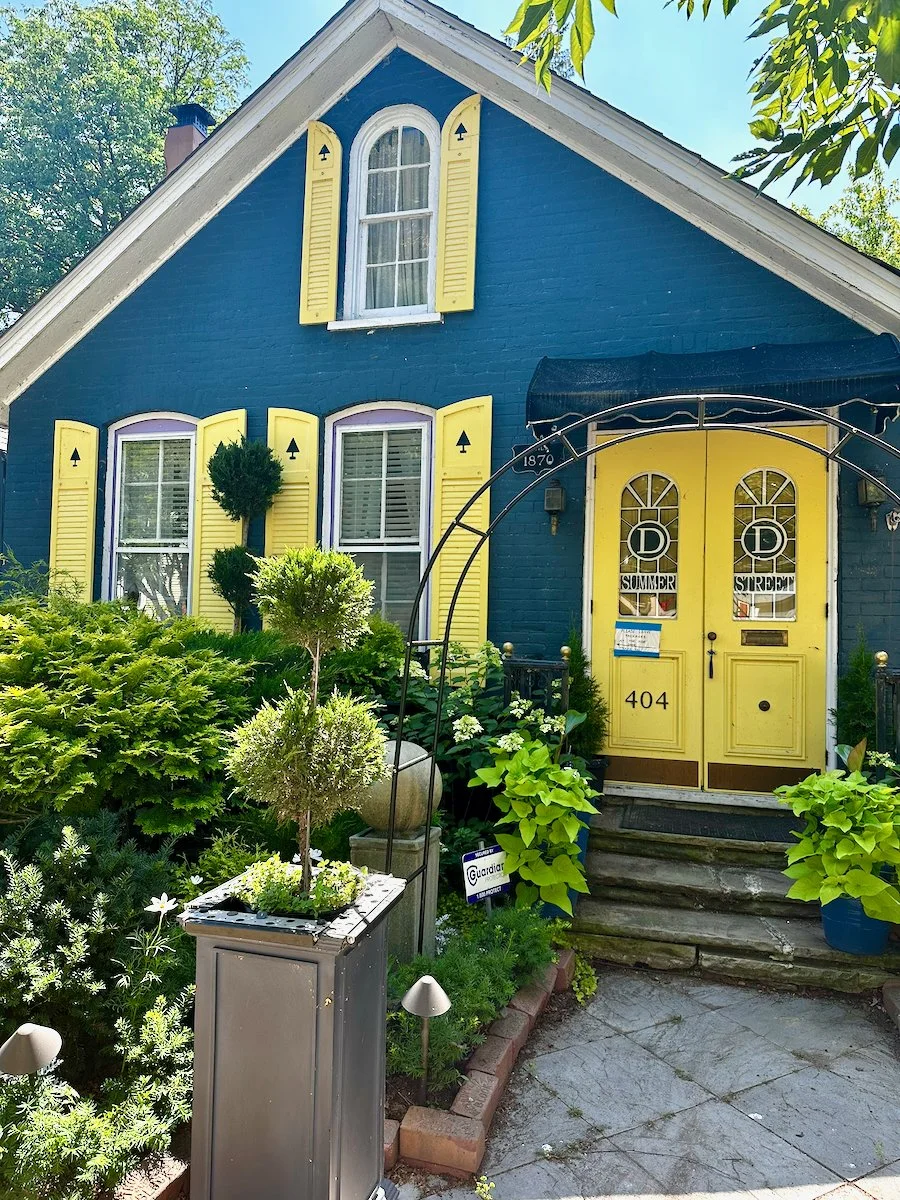
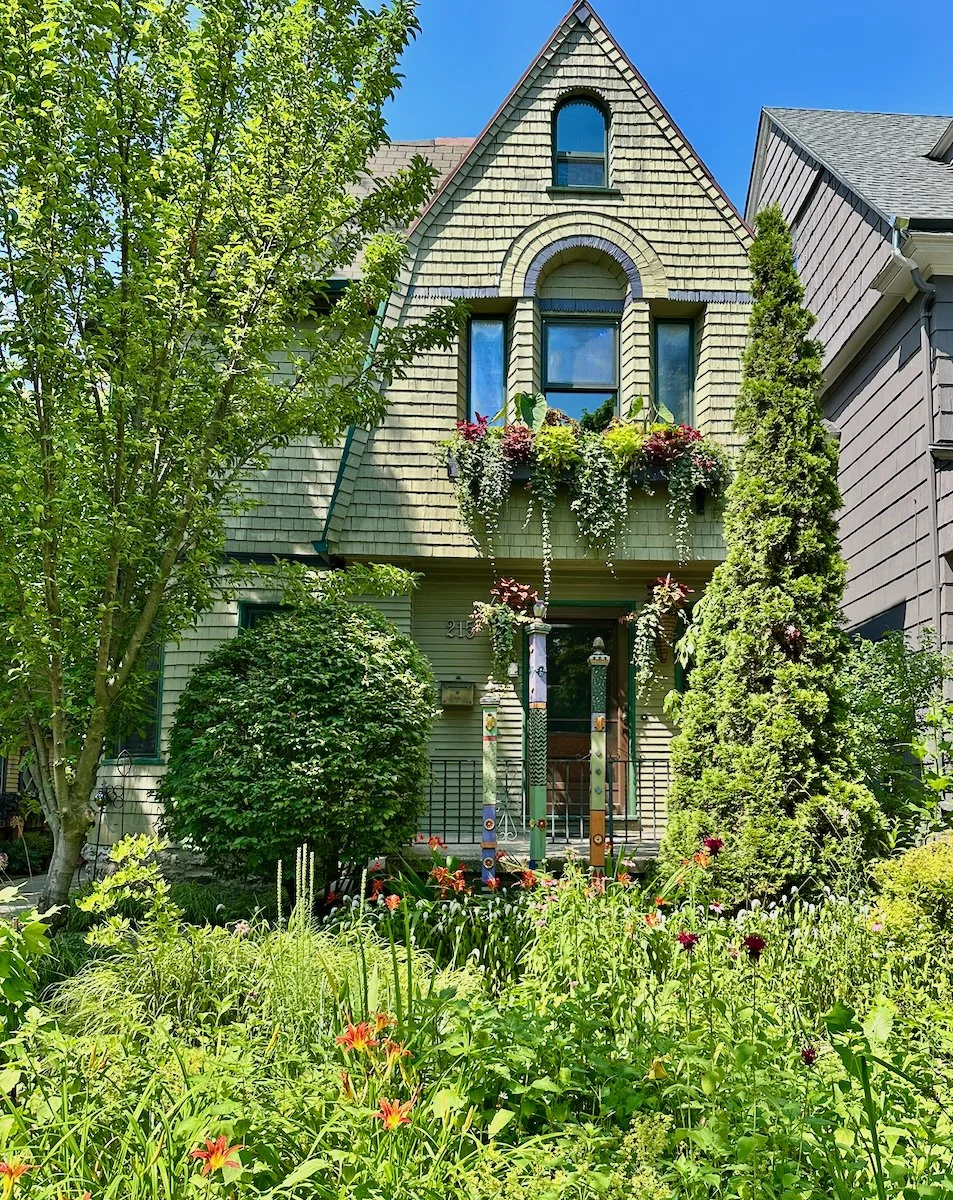
Those founding principles fueled remarkable growth. As word spread, more homeowners eagerly volunteered to share their gardens. The walk expanded beyond its original neighborhood into Buffalo's historic districts, eventually encompassing hundreds of private landscapes, community gardens, church grounds, and public spaces. Today, more than 300 gardens participate each year, welcoming tens of thousands of visitors from across the United States, Canada, and beyond. Unlike many garden tours, there is no judging or competition. Every garden is valued for its individuality, whether it features lush perennial borders, native plantings, water gardens, edible landscapes, whimsical garden art, or innovative urban design.
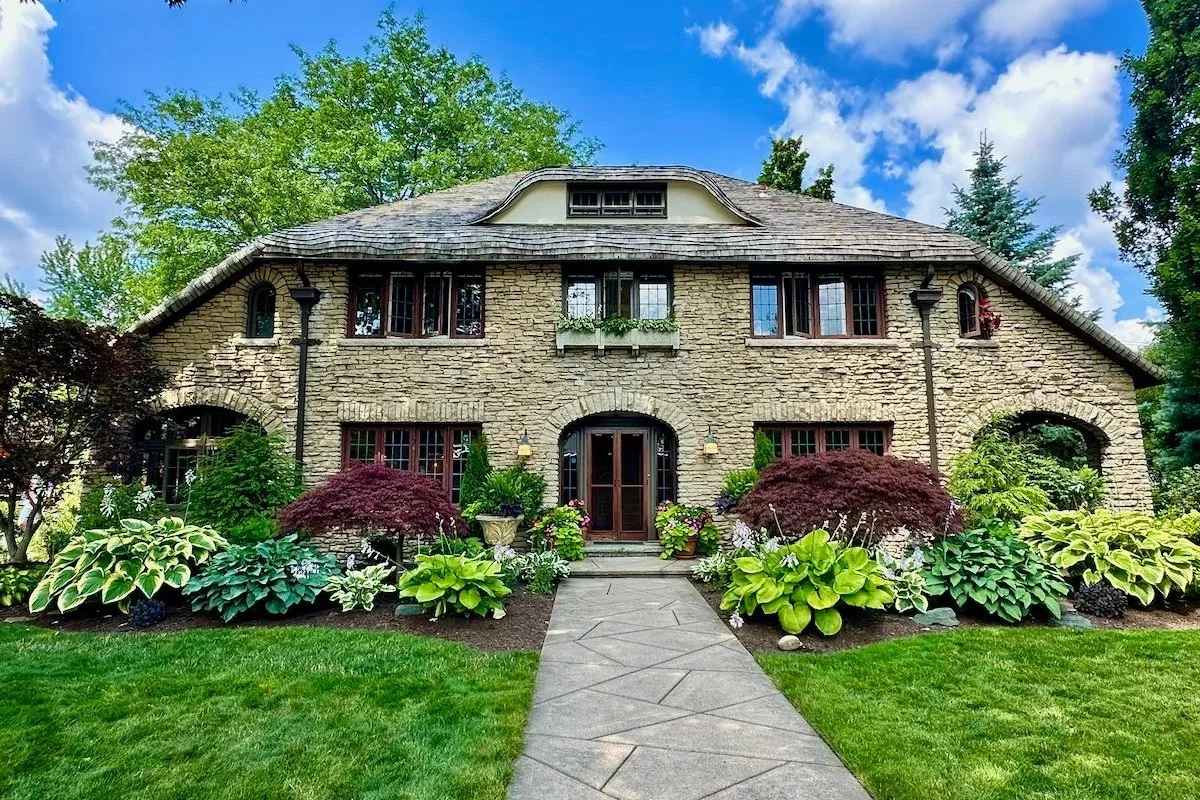
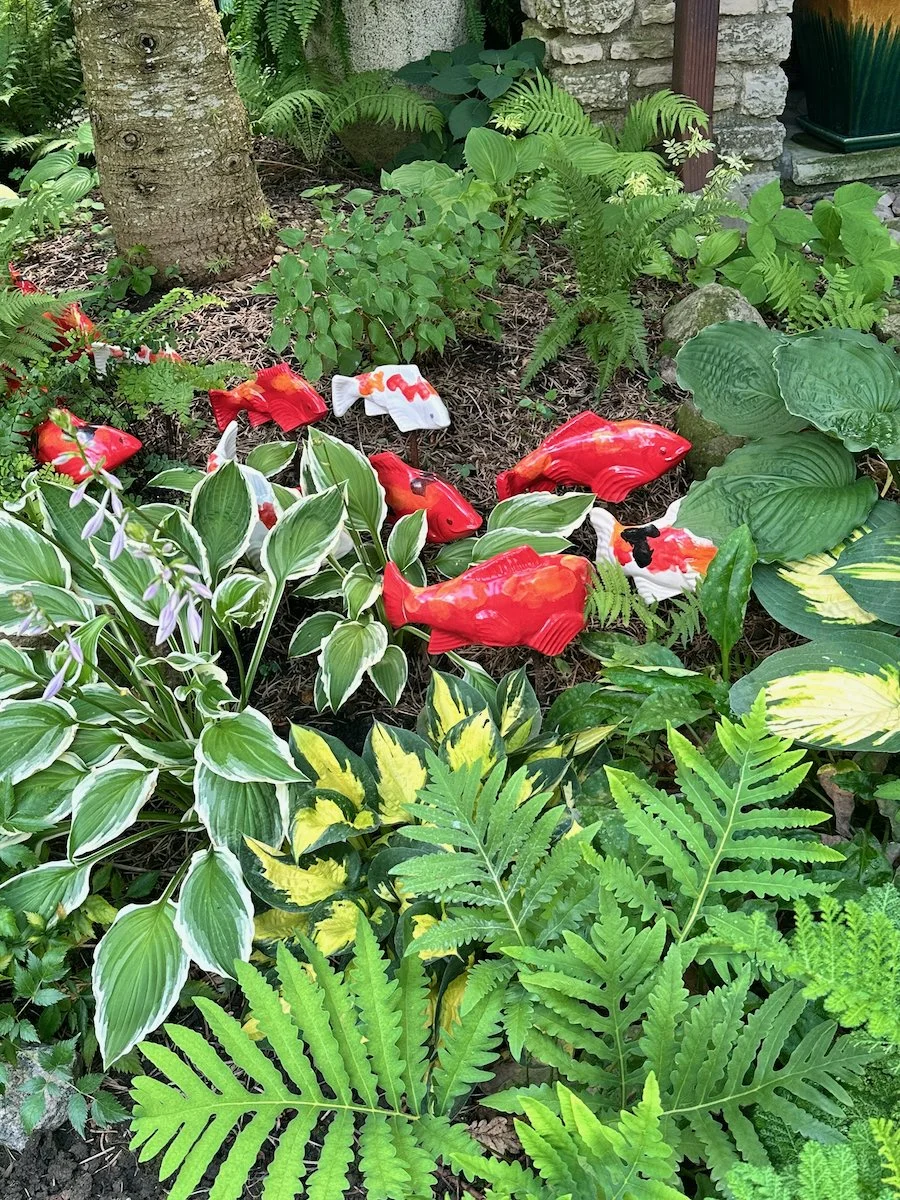
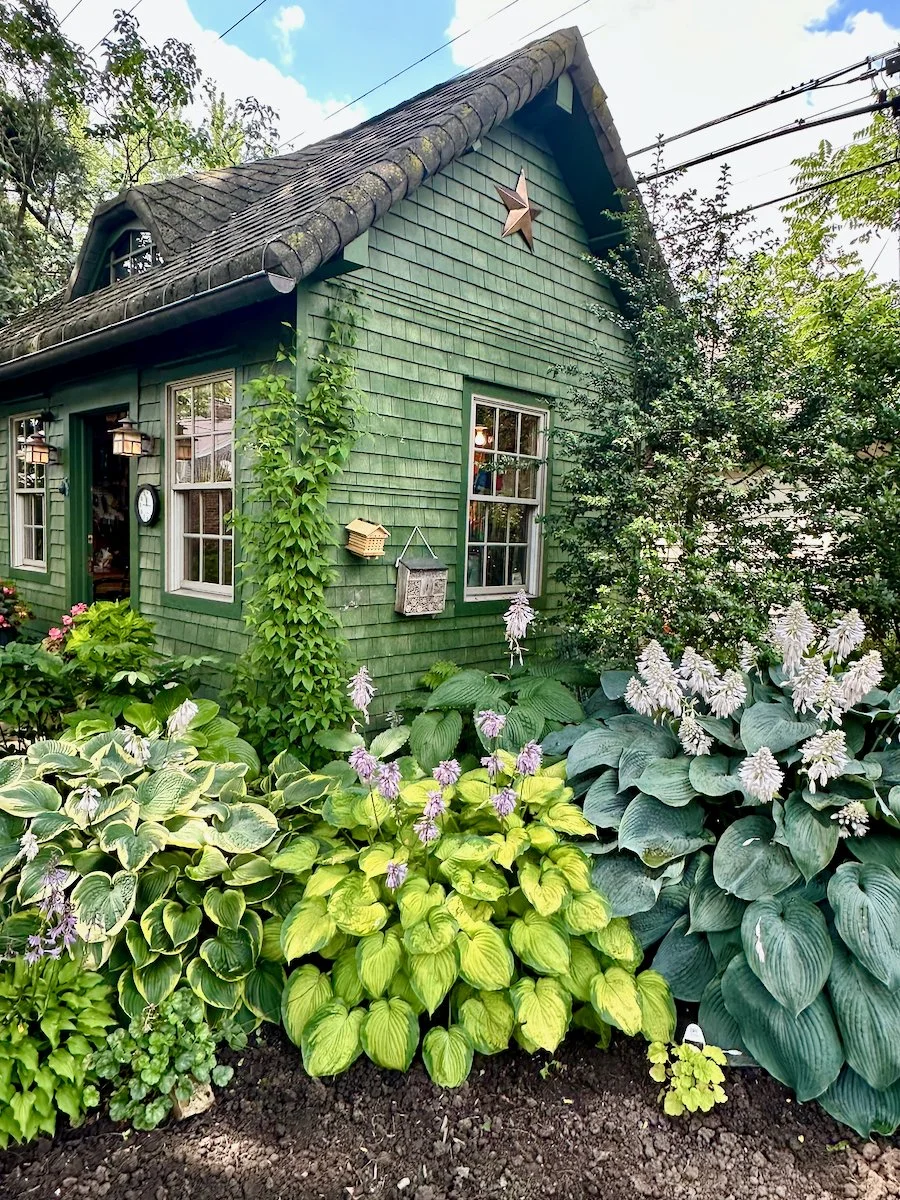
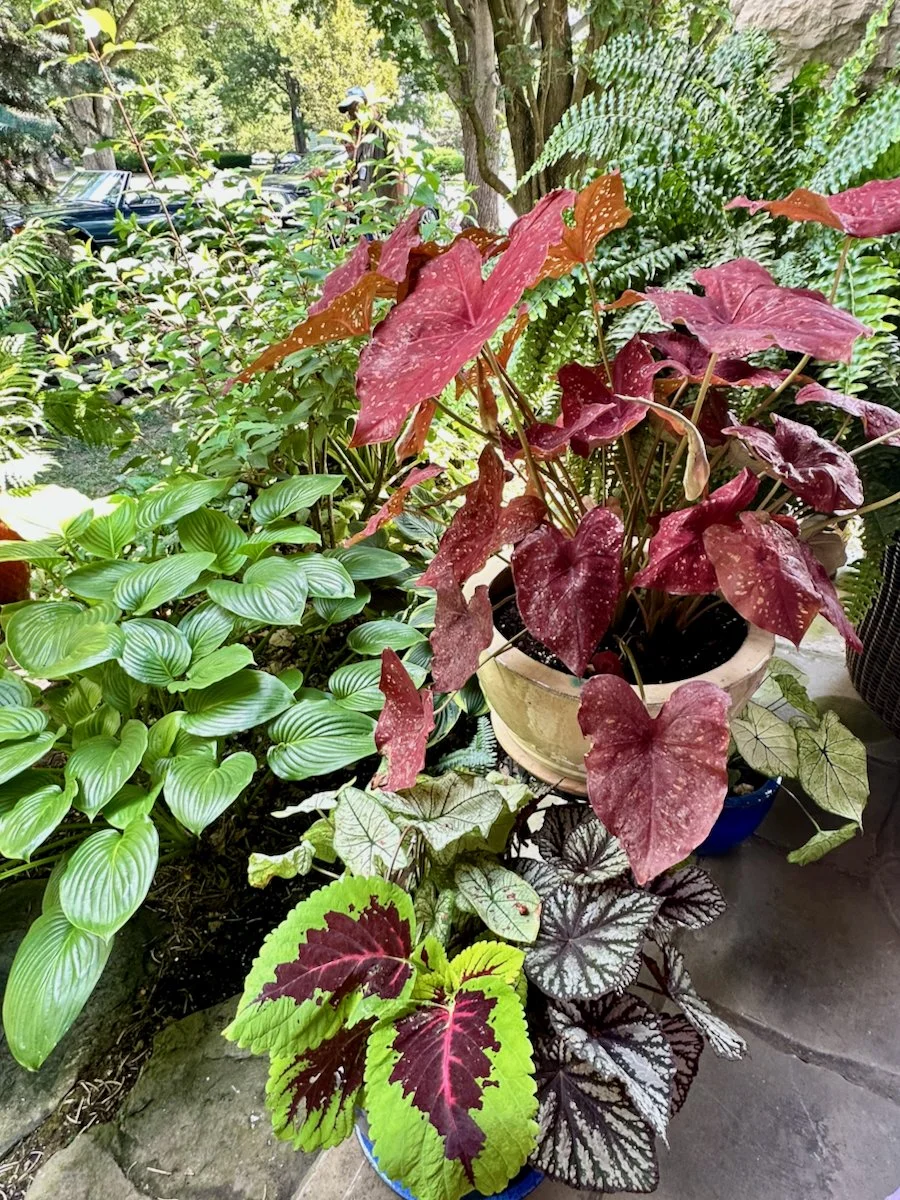
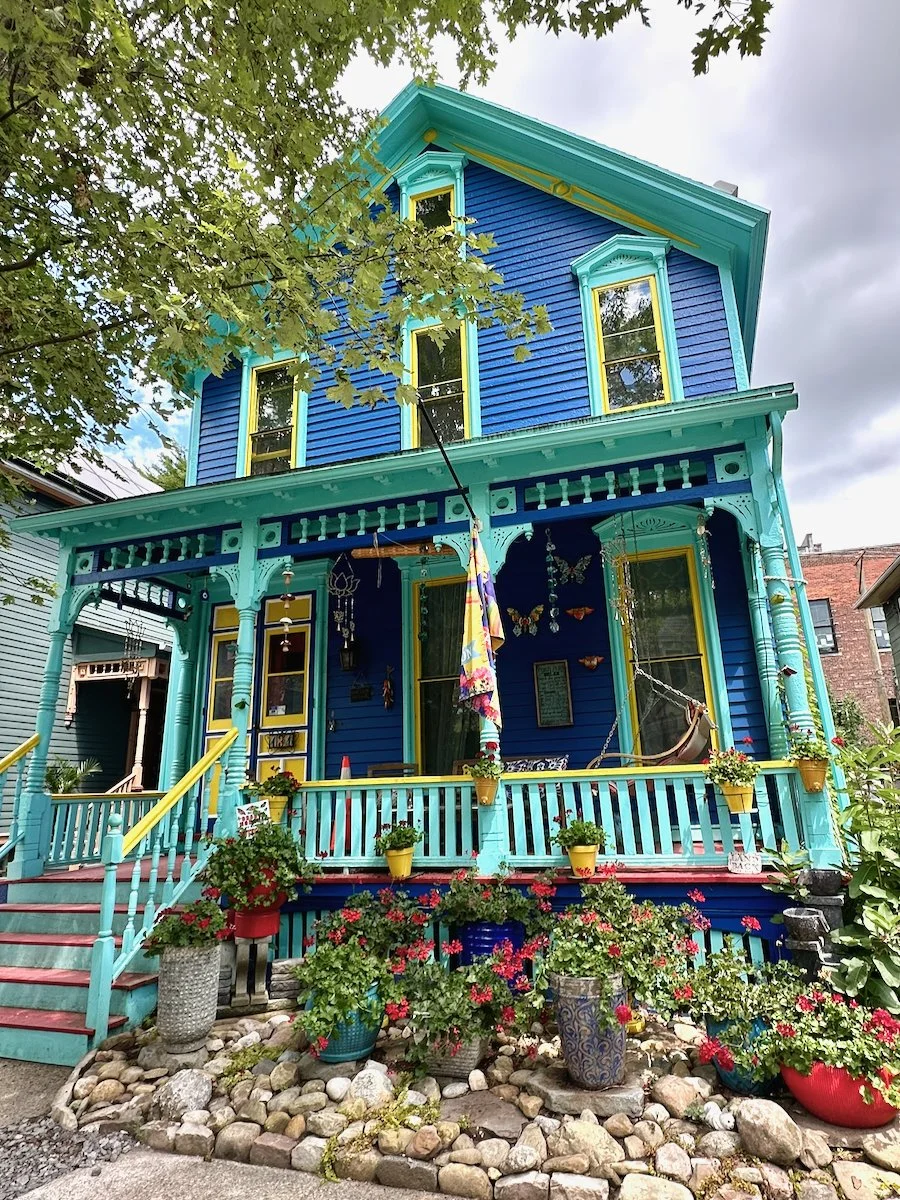
Perhaps the Buffalo Garden Walk's greatest achievement is the way it has reshaped perceptions of the city itself. Visitors discover tree-lined streets, beautifully restored historic homes, and remarkably friendly residents who enthusiastically share gardening tips from their front porches. The event has become an engine for neighborhood revitalization, inspiring homeowners to invest in their landscapes while strengthening community connections. Volunteer organizers also fund beautification grants that support community gardens, streetscape improvements, and neighborhood planting projects throughout Buffalo.
As attendance continued to climb, organizers recognized that visitors wanted more than a single weekend of gardens. In 2010, local tourism leaders and Garden Walk volunteers helped launch the National Garden Festival, introducing educational programs, art shows, speakers, bus tours, and Open Gardens, which allowed visitors to tour selected private gardens on Thursdays and Fridays throughout July. Several years later, Garden Walk Buffalo and the National Garden Festival merged under the nonprofit organization Gardens Buffalo Niagara, creating a coordinated calendar of horticultural events that extends well beyond the signature weekend in late July.
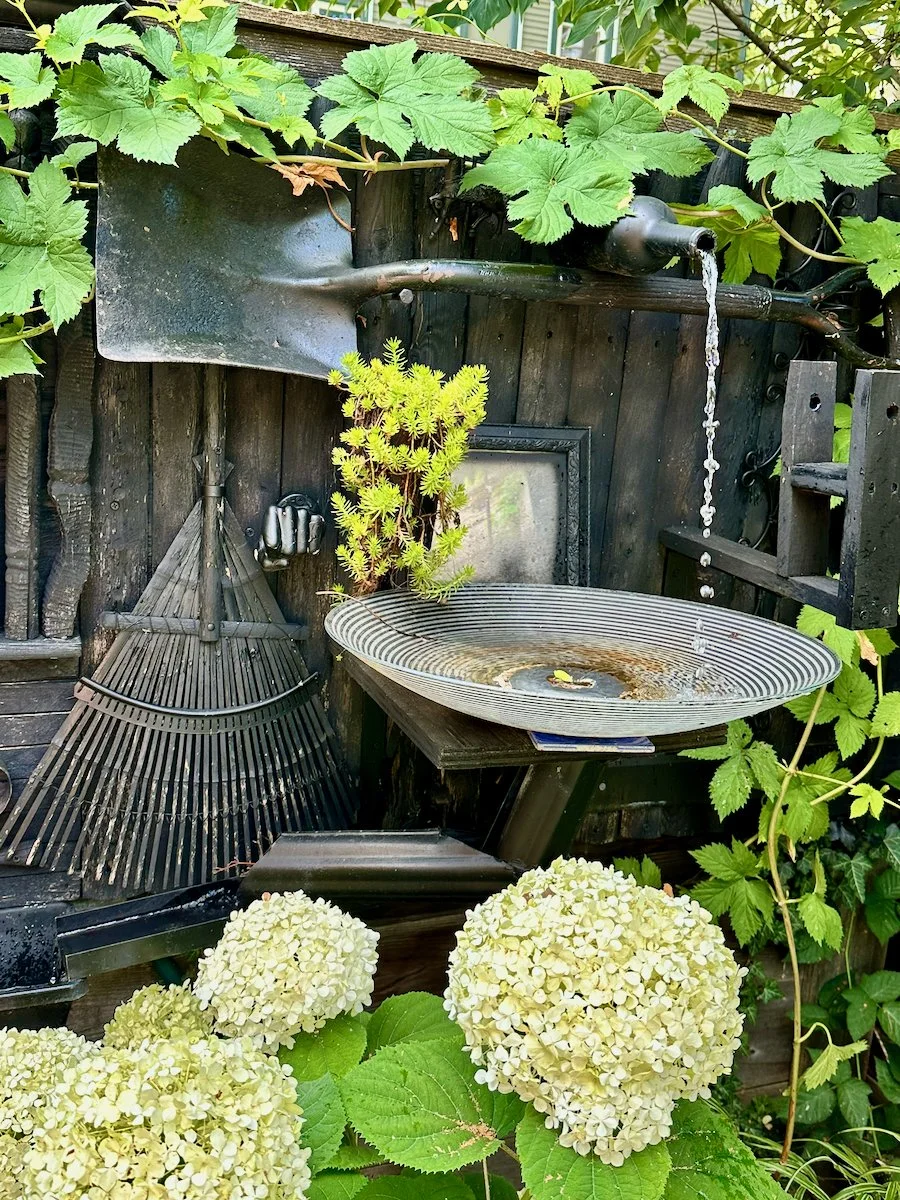
Today, the summer celebration includes Open Gardens, neighborhood garden walks throughout the Buffalo-Niagara region, Urban Farm Day, a garden art sale, children's activities, educational workshops, and conservation programs. Rather than concentrating all the excitement into one weekend, the region now offers nearly a month of opportunities to explore exceptional gardens and meet the passionate gardeners behind them.
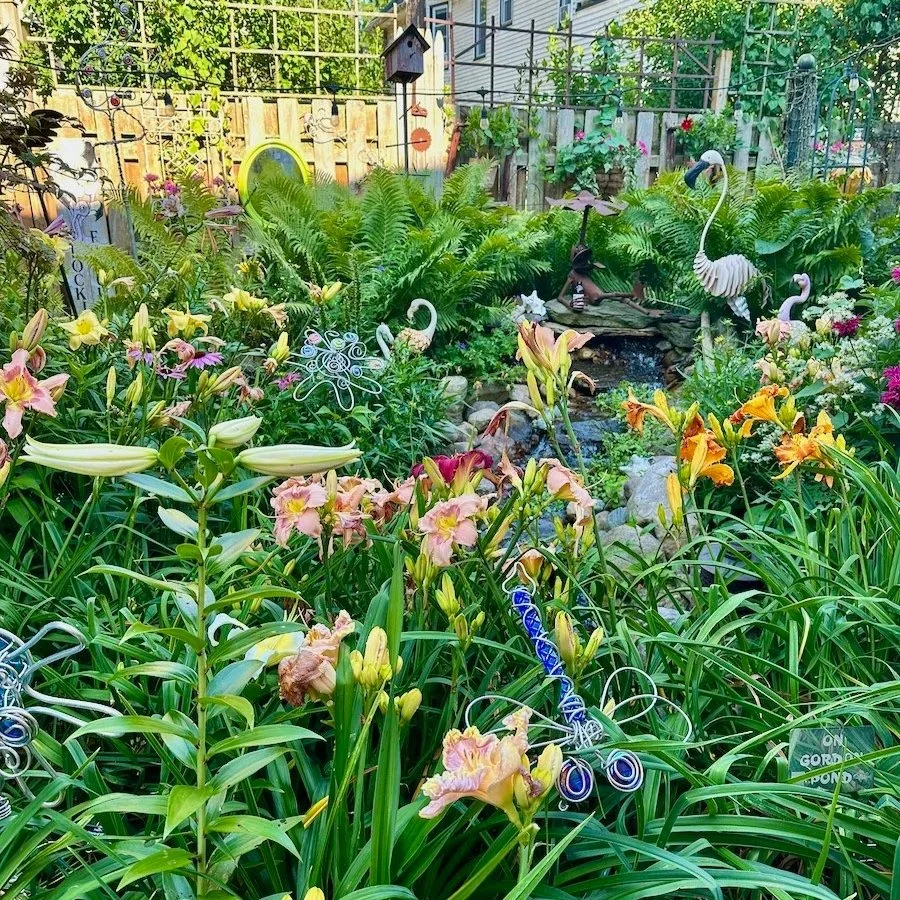
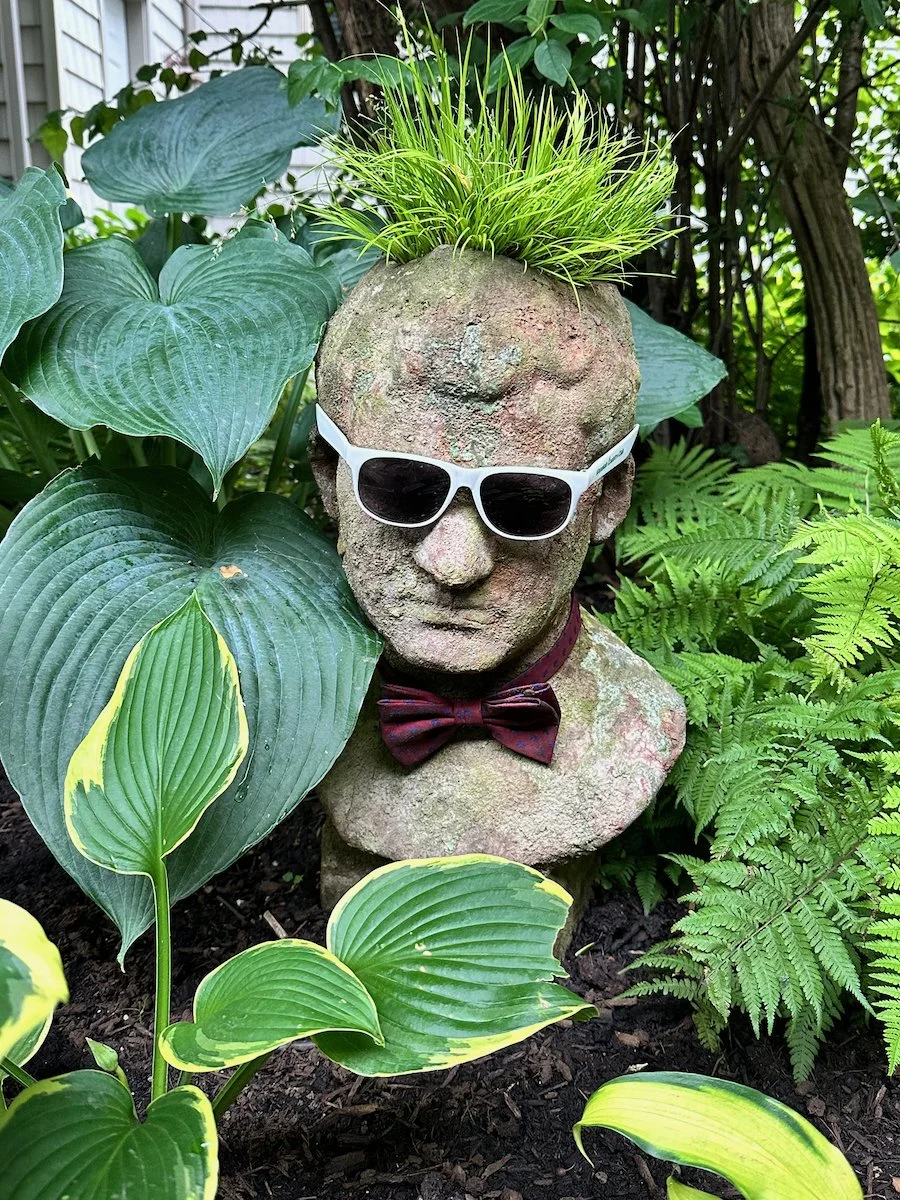
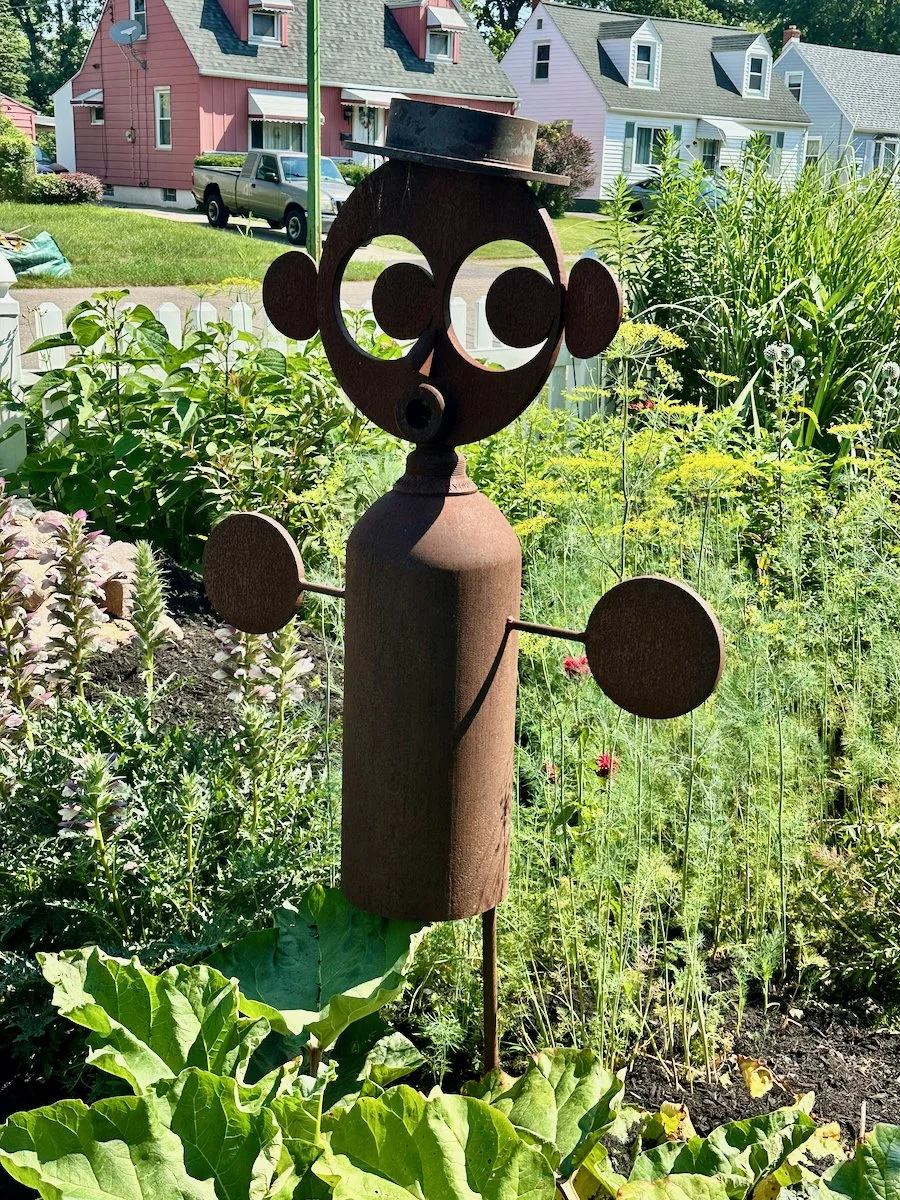
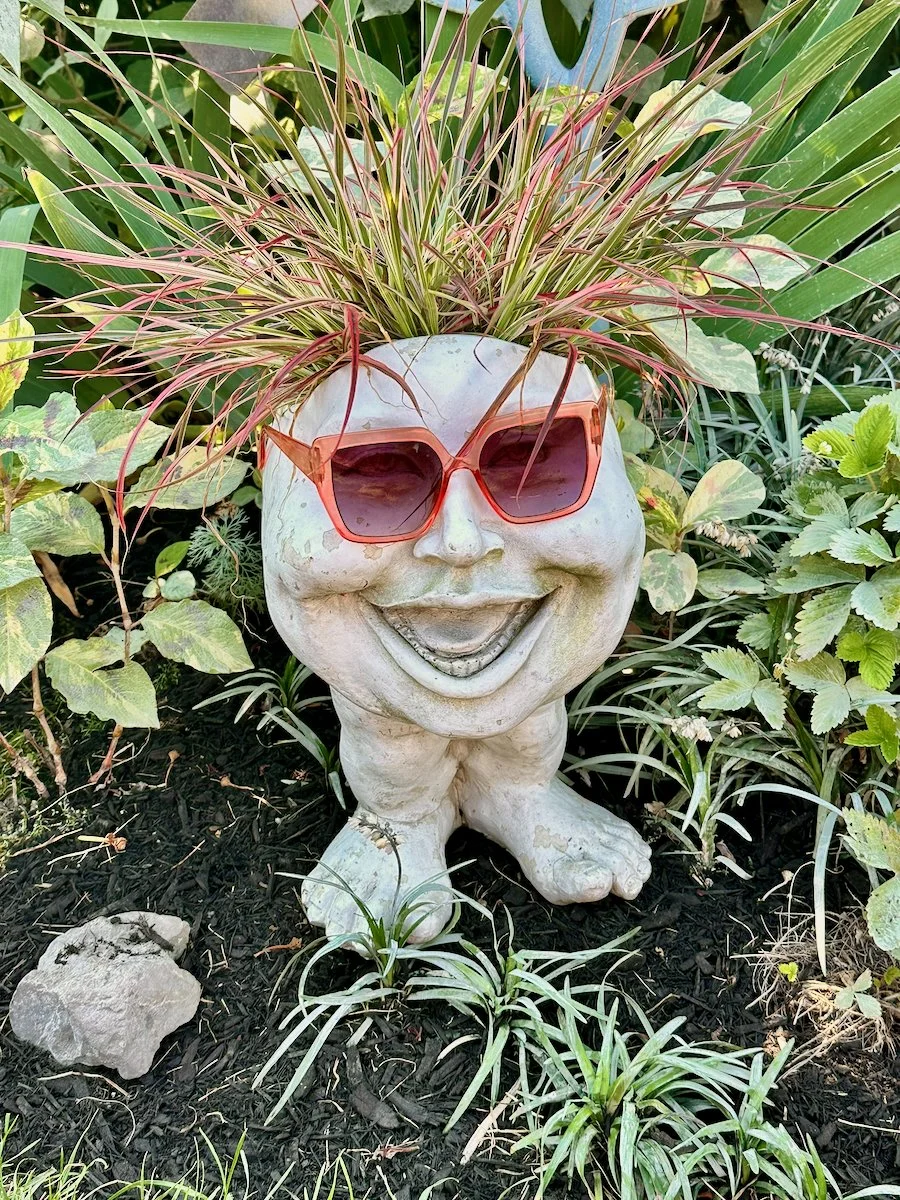
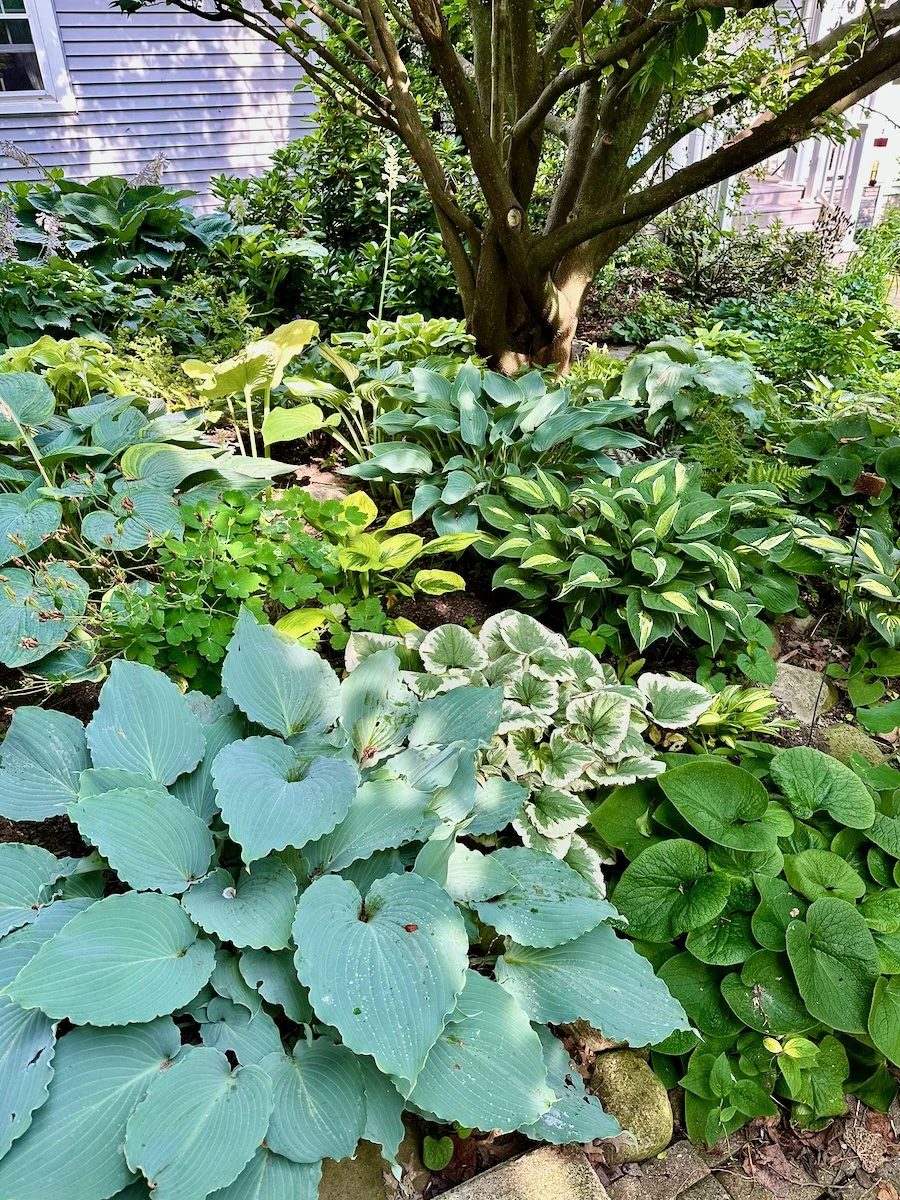
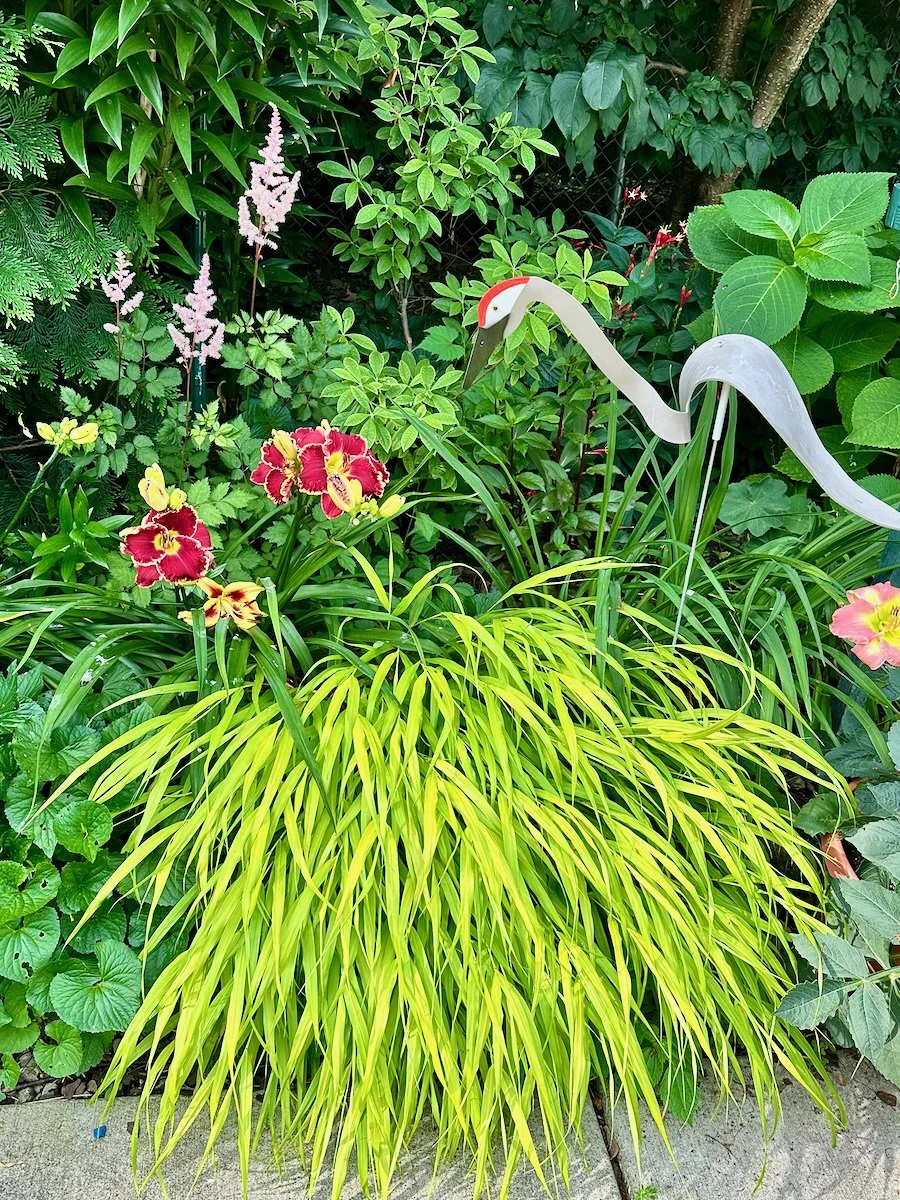
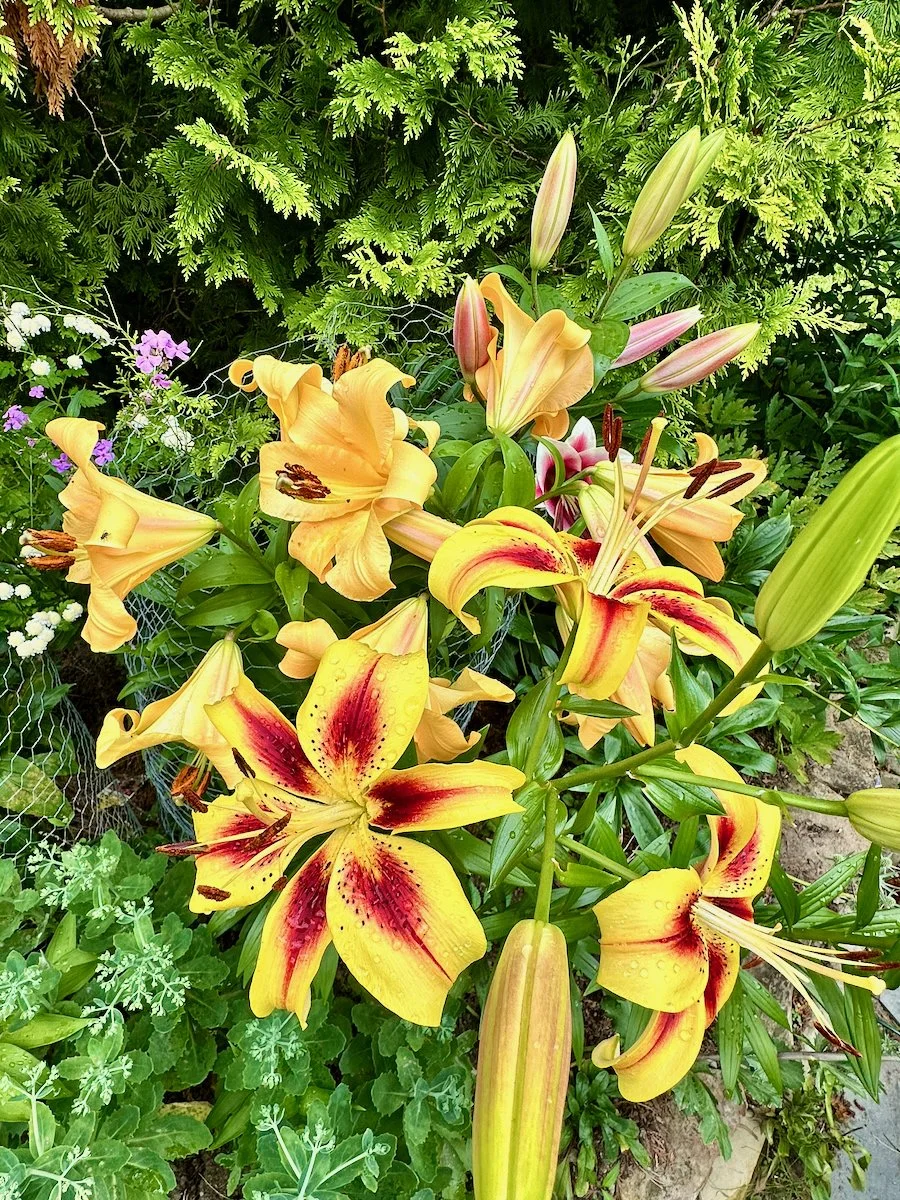
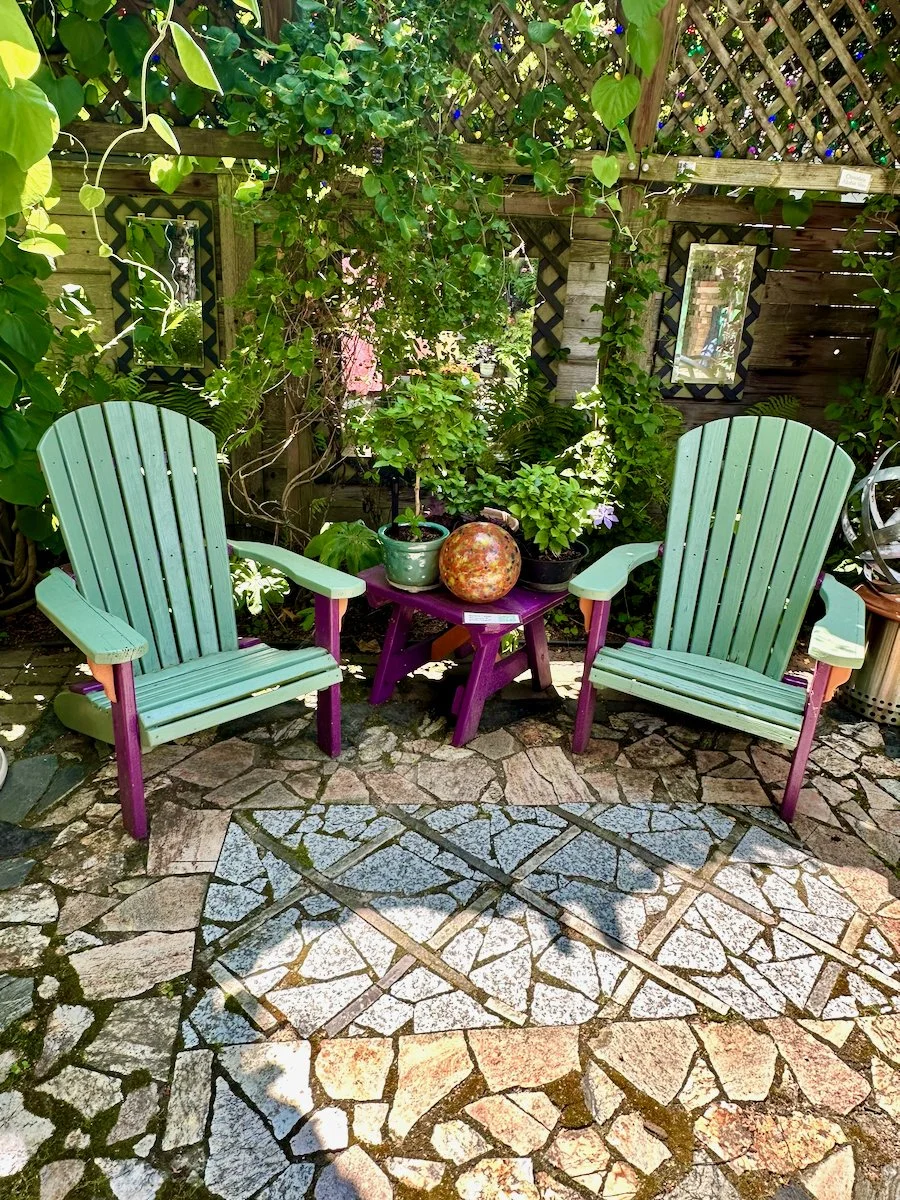
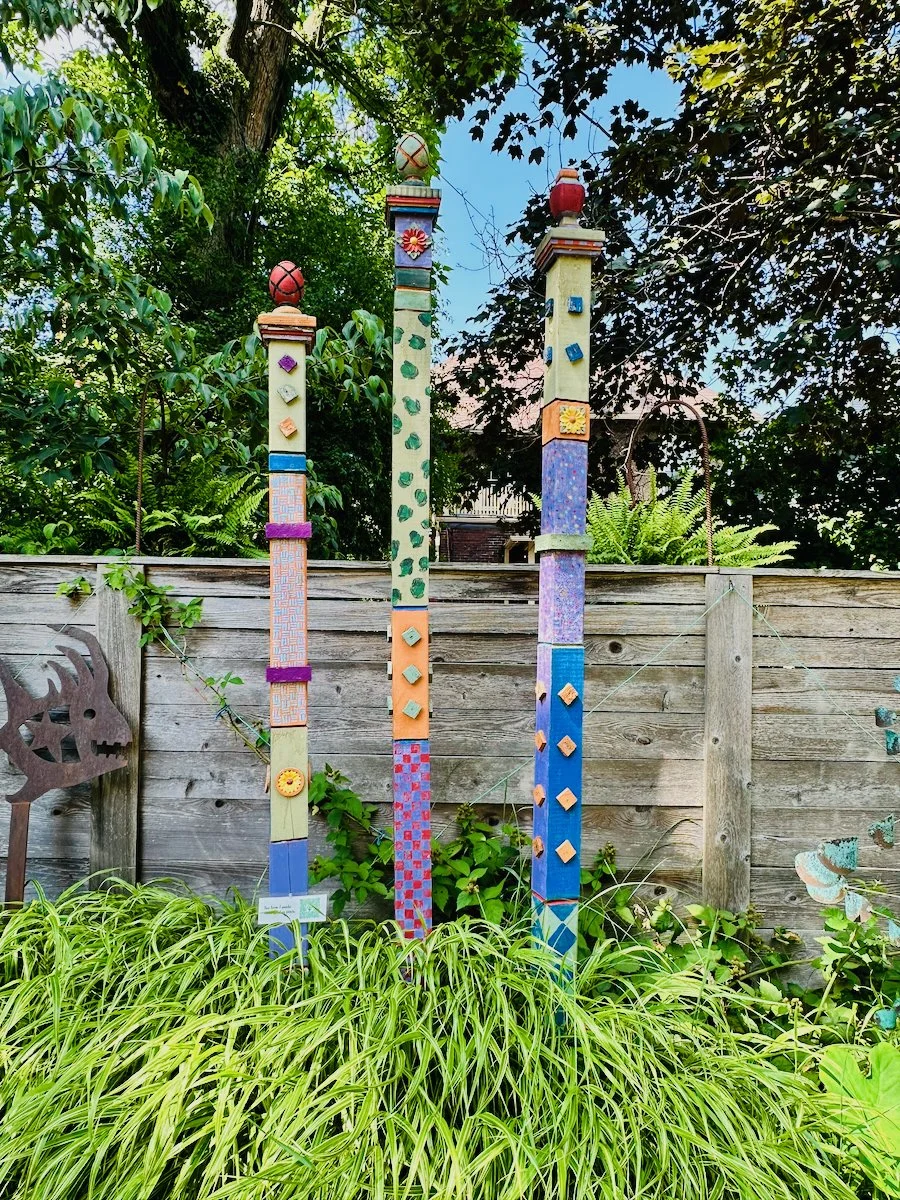
For gardeners, Buffalo offers more than beautiful landscapes—it offers inspiration. Creative plant combinations, imaginative use of small urban lots, and generous conversations with homeowners provide ideas that visitors can take home to their own gardens. We toured xx gardens both in the city and in the suburbs–gardens that ranged from postage-stamp size to a couple of acres; from a tiny, walled shady retreat to an expansive sunny site on the banks of Lake Erie; from a serious plant collector’s garden, to a space designed for outdoor relaxation with friends, to a lush tropical garden built of 150 pots on a driveway, to a garden inspired by its beautifully restored Arts and Crafts home. We saw many whimsical handmade ornaments made or repurposed materials, beautifully composed pots, comical “head” planters, dragons, and a myriad of buffalos that adorned the gardens. All were high individual, colorful and exuberant.
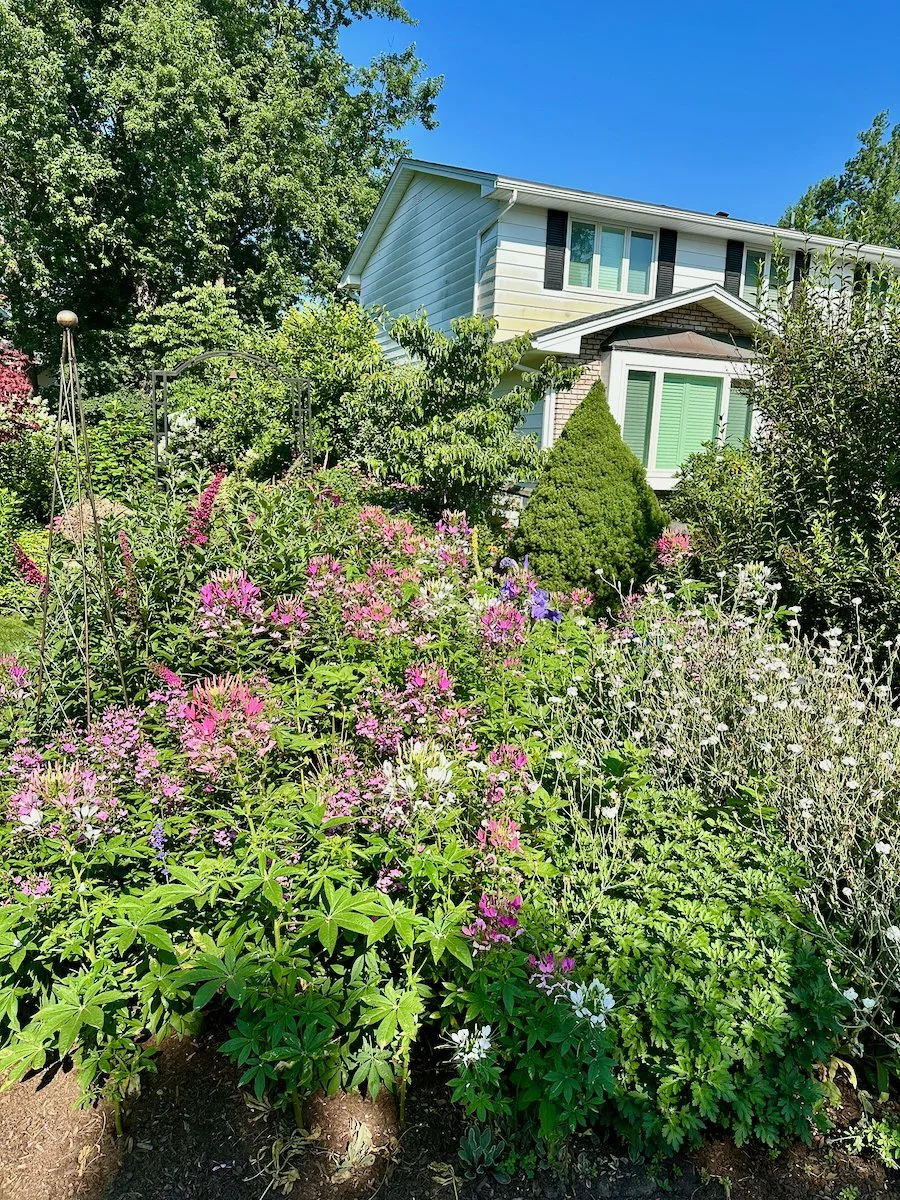
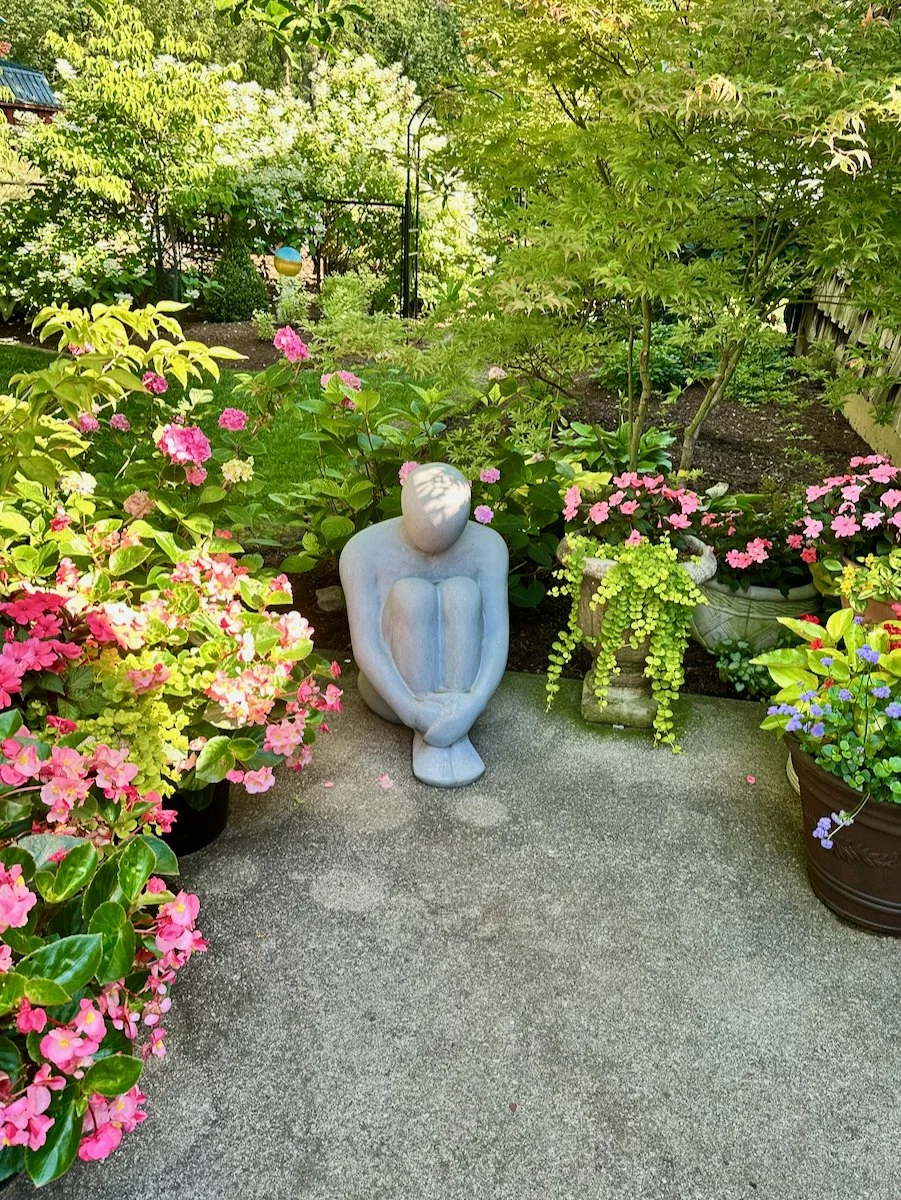
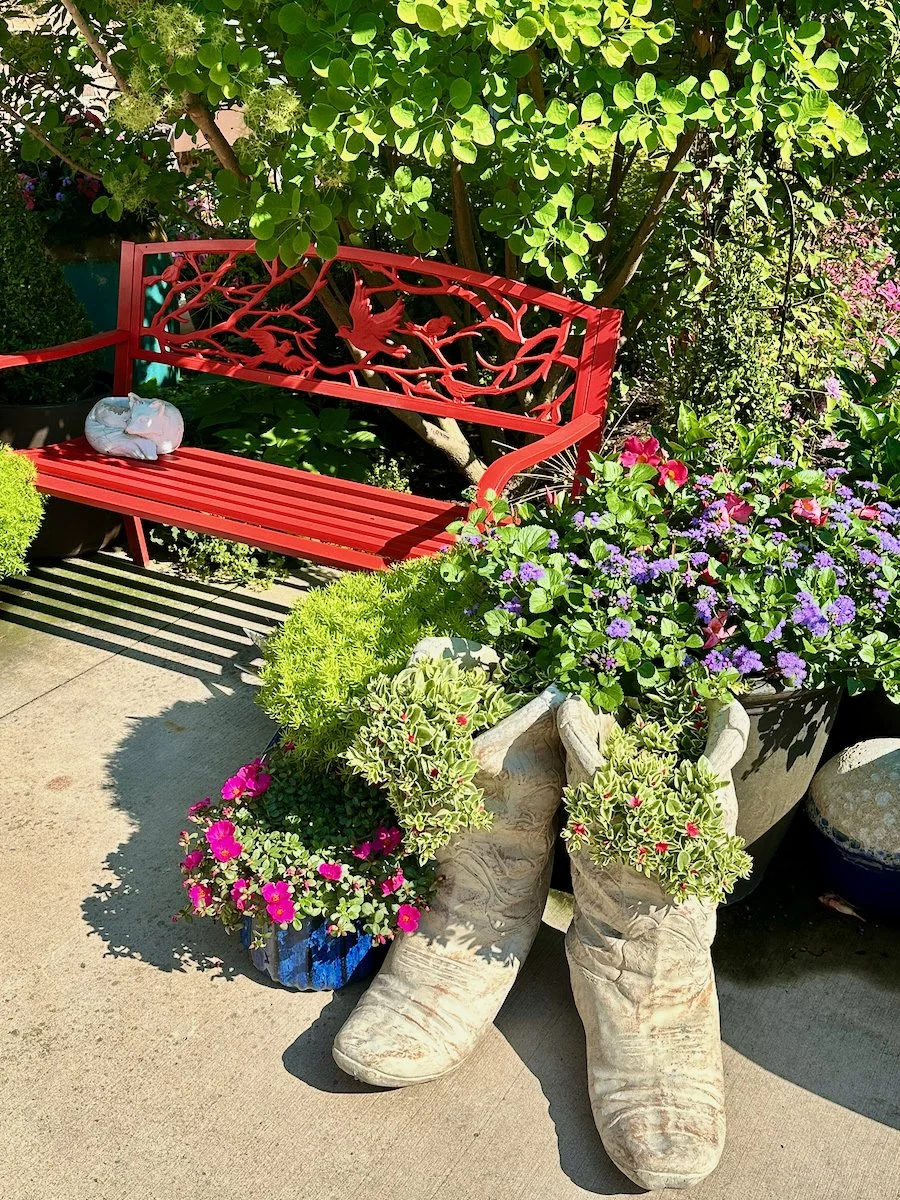
While Buffalo Garden Walk is a delightful experience for the visitor, more importantly it demonstrates how gardening can strengthen neighborhoods, foster civic pride, and build lasting friendships. It has inspired similar garden festivals around the country, such as the annual Cape Cod Hydrangea Festival held in July throughout many towns in Cape Cod, MA, and Experience Memphis Gardens held in June in Memphis, TN. More than three decades after its humble beginning with 29 gardens, Buffalo Garden Walk remains a powerful reminder that great gardens grow best in communities willing to share them. I hope that you’ll take the pilgrimage to Buffalo sometime soon!