Castle Hill on the Crane Estate: A Gilded Age Treasure

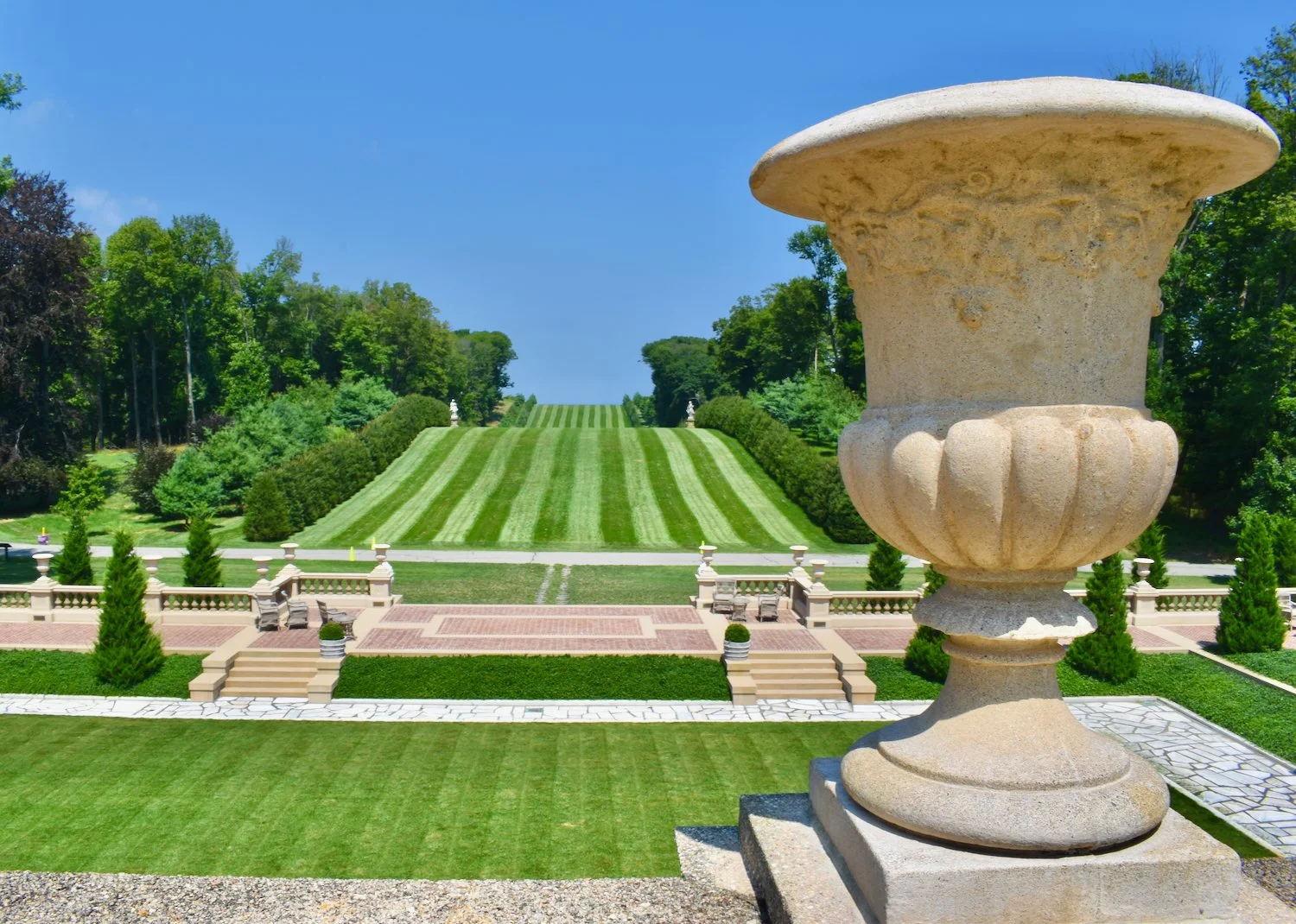
the Grand Allée

Castle Hill is one of New England’s Gilded Age estates that features gorgeous period gardens. It is part of the spectacular Crane Estate, which encompasses more than 2,100 acres overlooking Ipswich Bay on the North Shore of Massachusetts. The Estate comprises three properties: Castle Hill, the National Historic Landmark mansion with gardens; Crane Beach, a beautiful public beach; and the Crane Wildlife Refuge, a natural treasure boasting many rare plant and animal species.
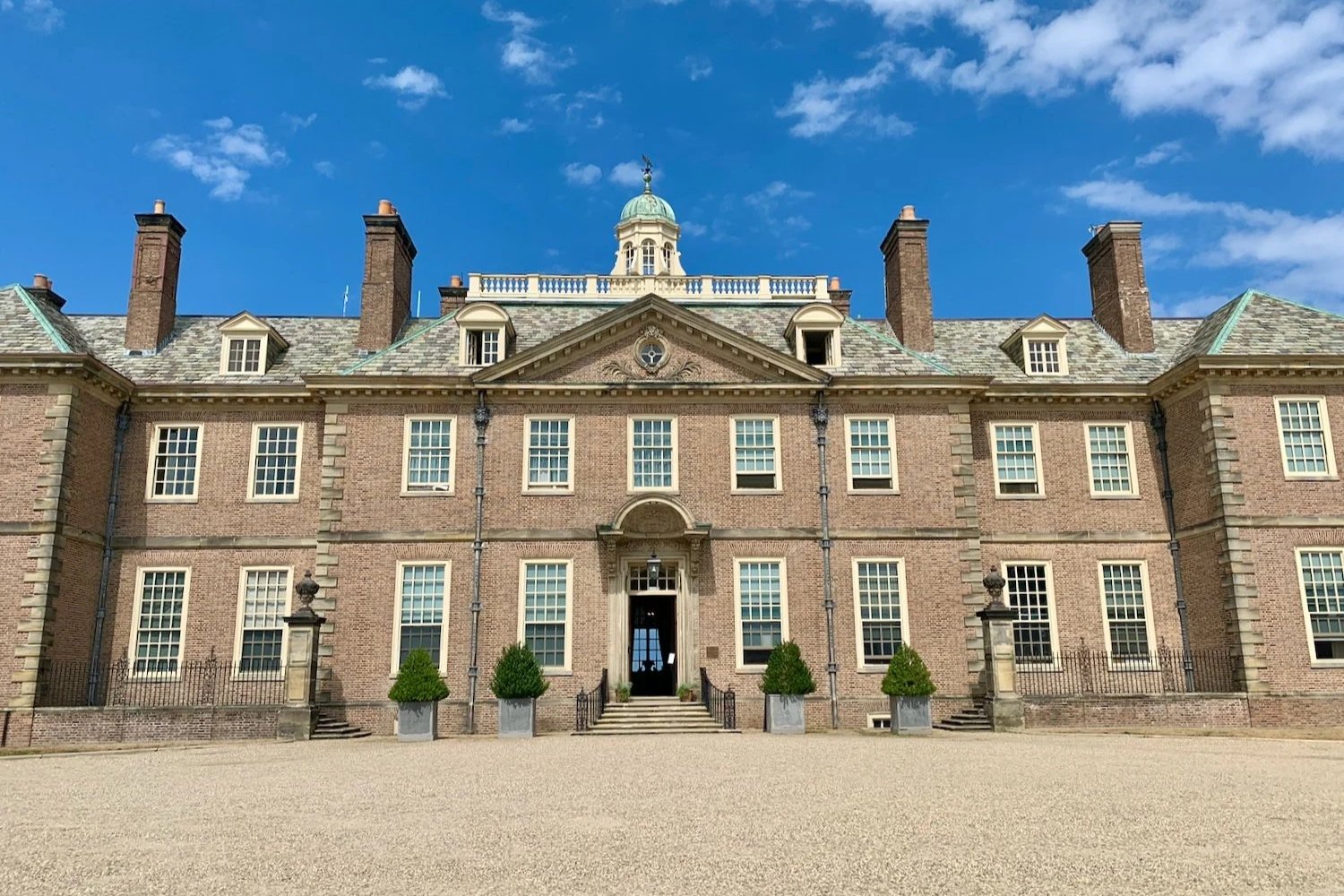
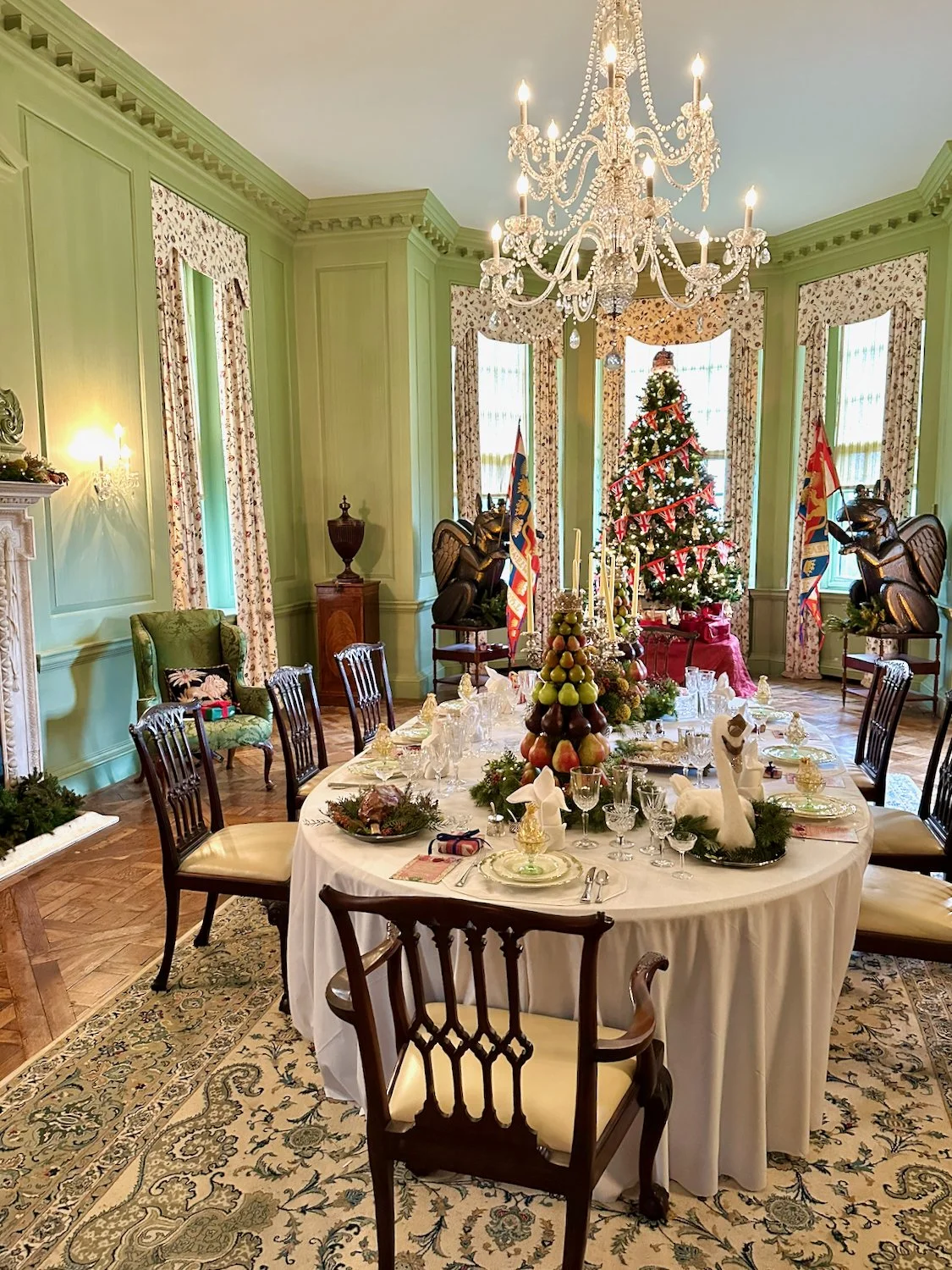
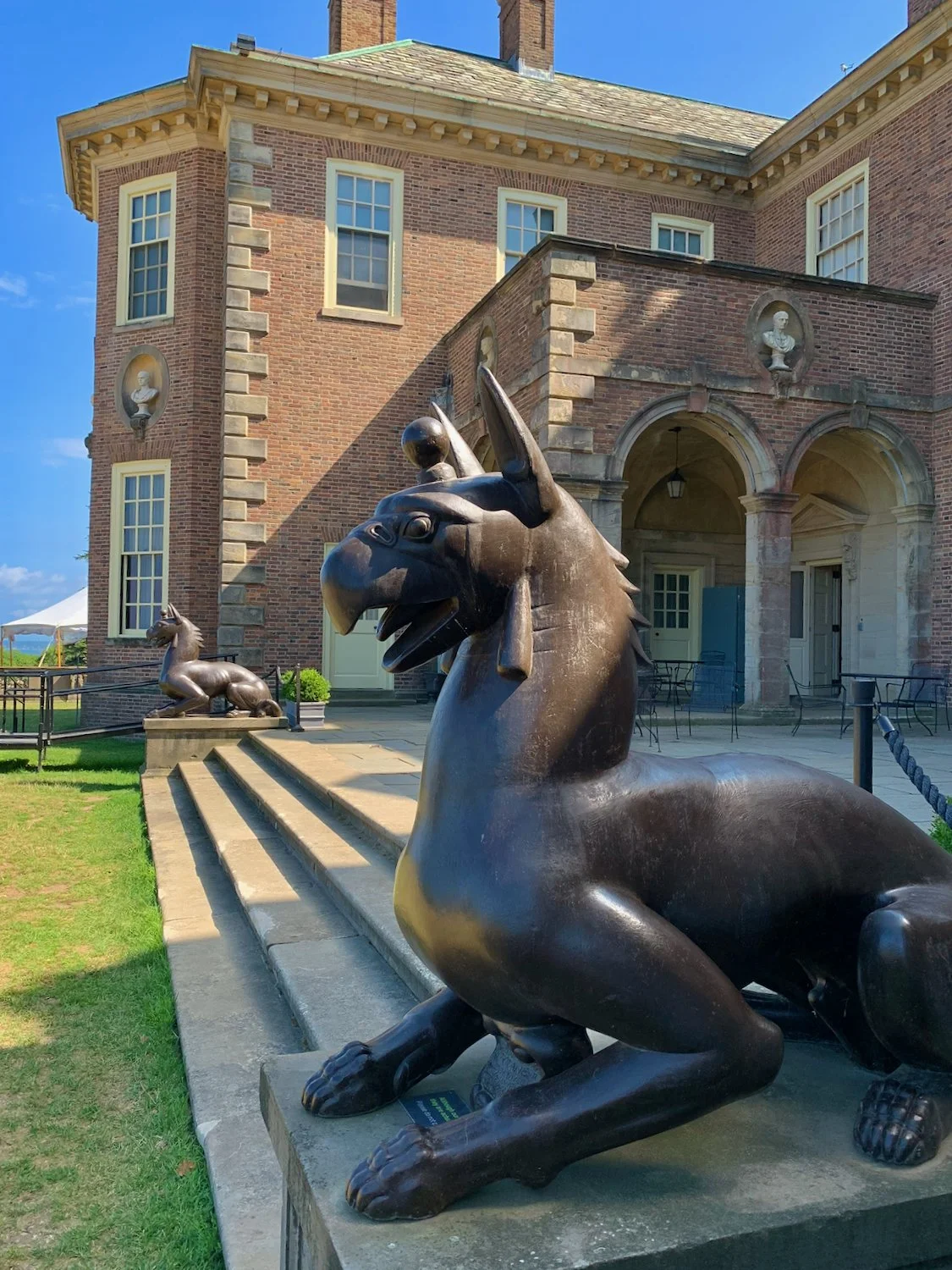
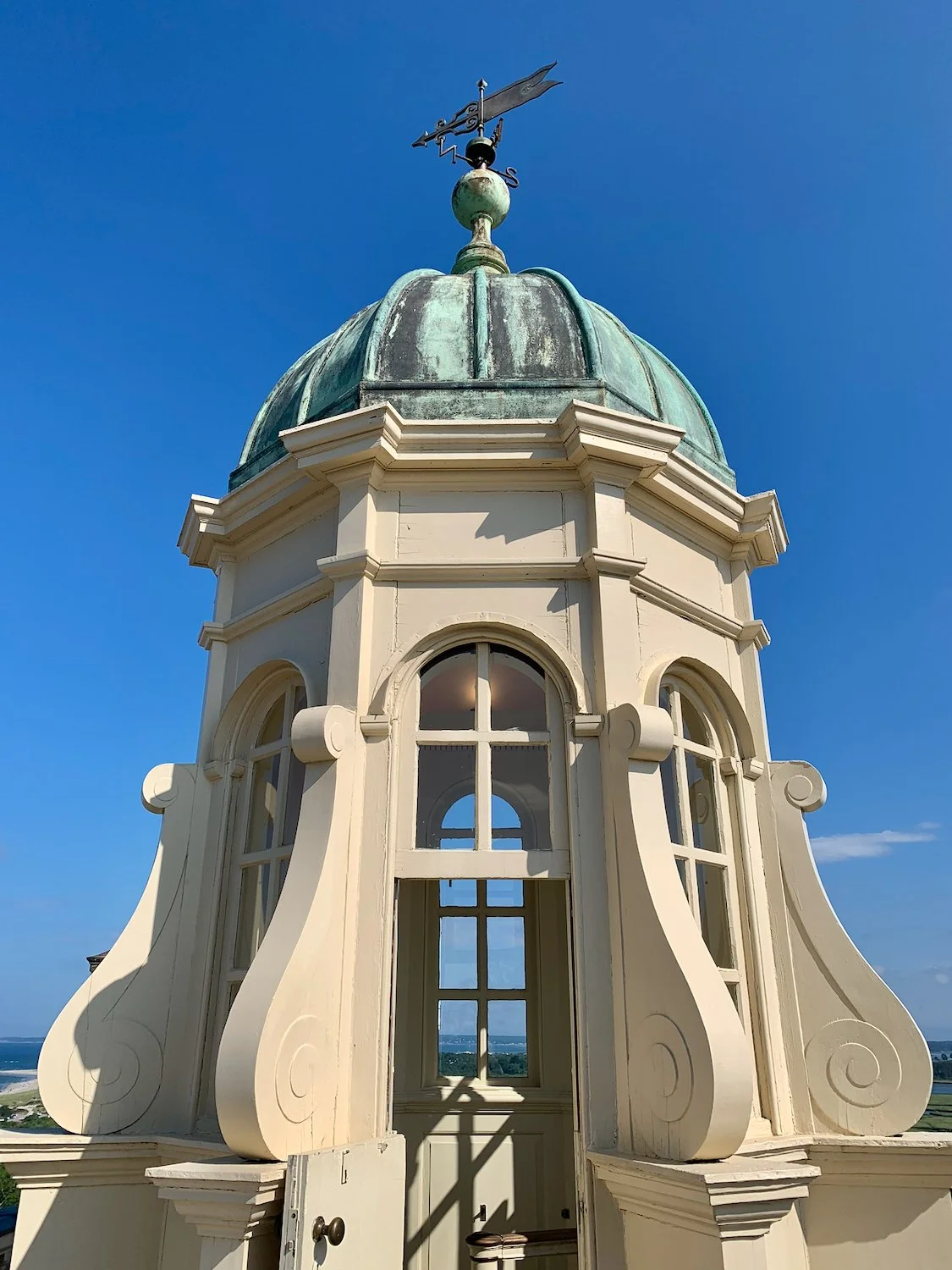
Chicago industrialist Richard T. Crane, Jr., and his wife, Florence, first purchased the property in 1910. He was captivated by the natural beauty of the landscape, with its with miles of salt marshes, tidal rivers, sand dunes, and beaches. Crane worked with eight leading architects and landscape architects to create his summer retreat. The grand 59-room, Stuart-style mansion that you see today designed by world-renowned architect David Adler, and built in 1928. A pair of Art Deco griffins given to Crane by his employees upon completion of his new house, graced the entrance to the north terrace overlooking the sea.
During its heyday the estate was quite self-sufficient. The Cranes raised livestock and maintained root cellars, vegetable gardens, and orchards with the help of 60 or so gardeners. An on-site 134,000-gallon underground cistern supplied water (it’s now back in use), and a coal-fired power plant supplied electricity.
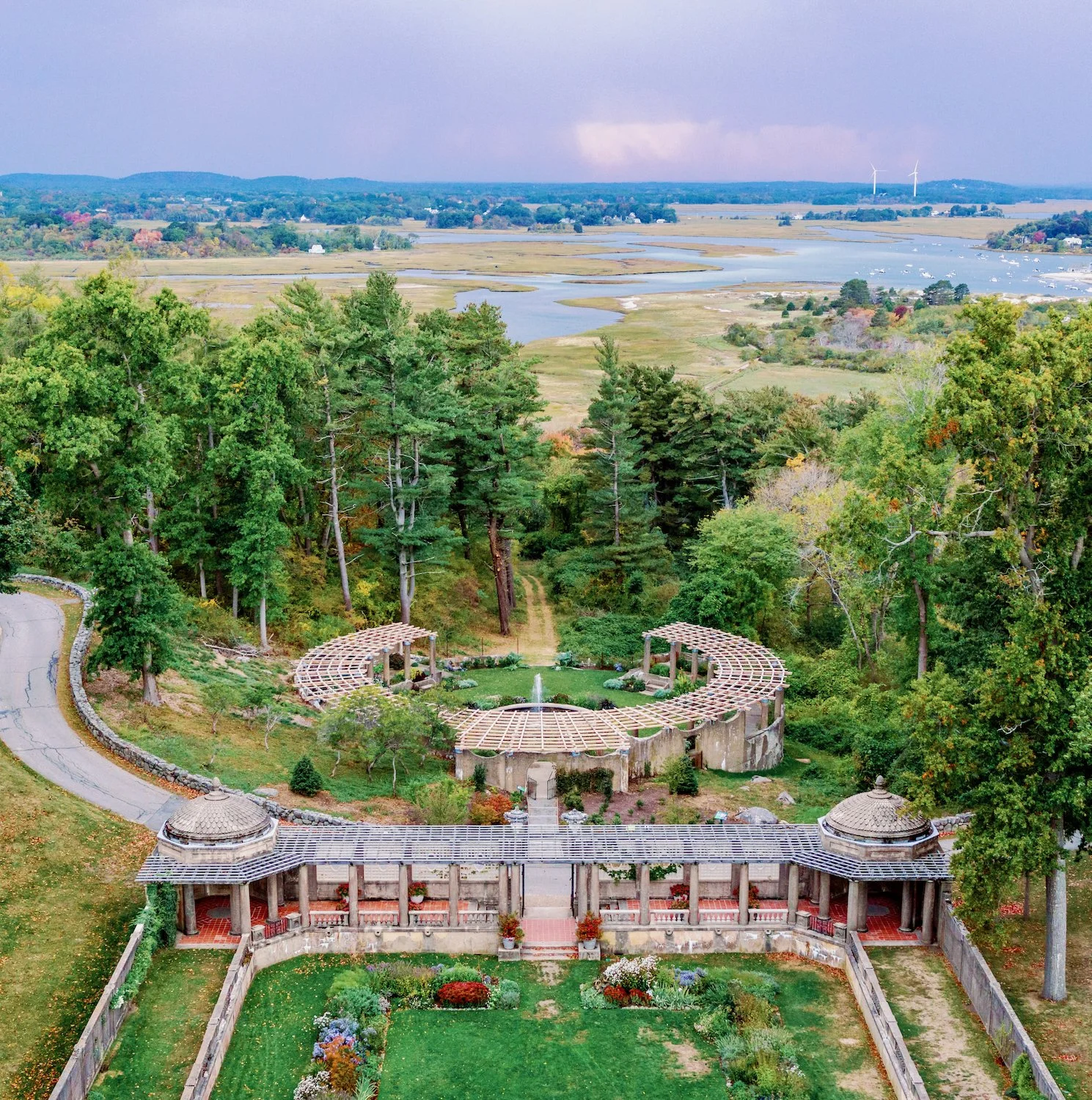
photo courtesy of the trustees.

Although the mansion was formal in style, the estate was designed for fun and entertaining. For eight idyllic weeks each summer, the Cranes enjoyed their paradise with lavish picnics, parties, and boat trips. The property included a maze, a log cabin playhouse, a bowling green, tennis court, billiard room, walking paths, deer park, golf course, and the sand beach.
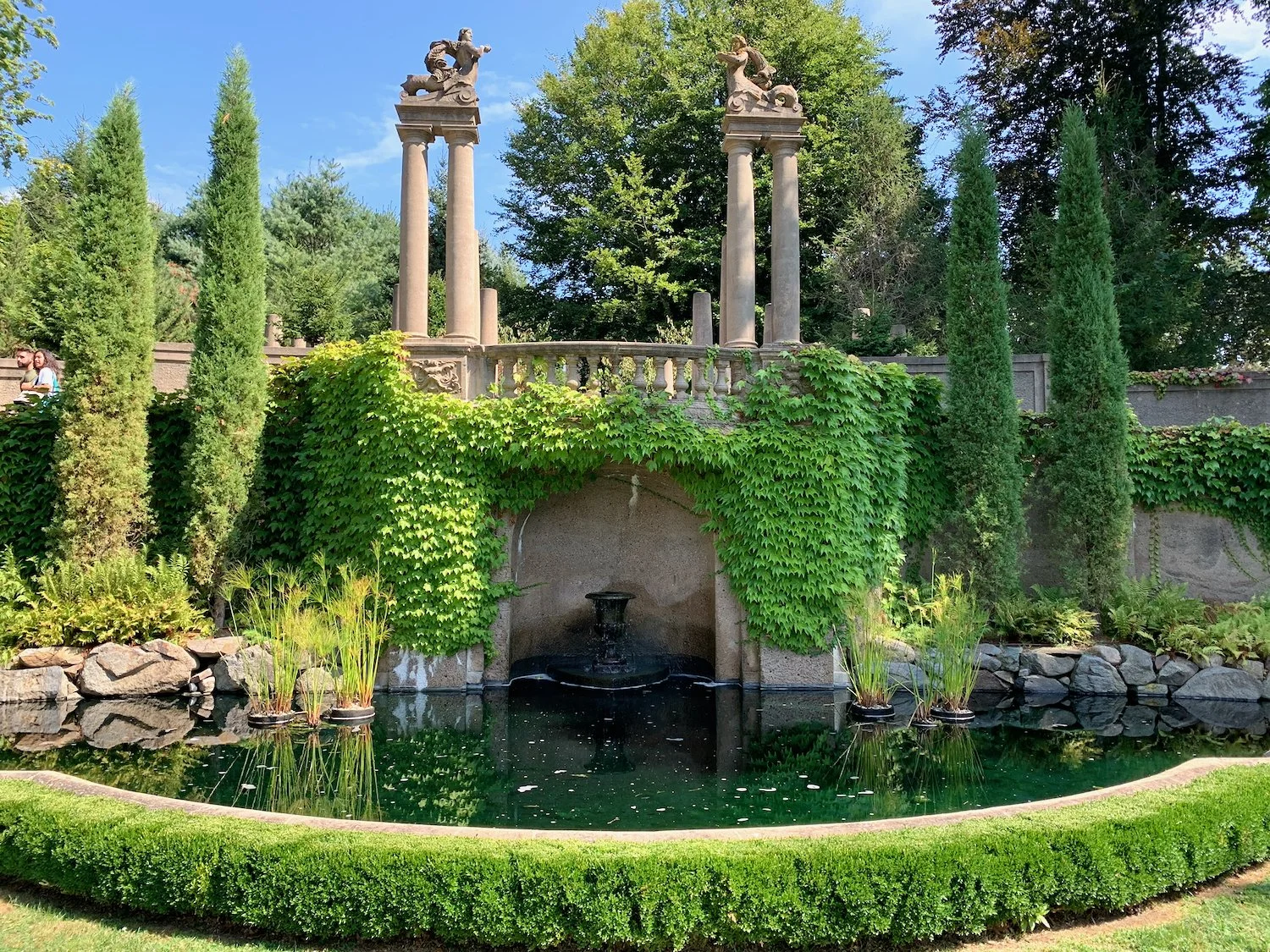
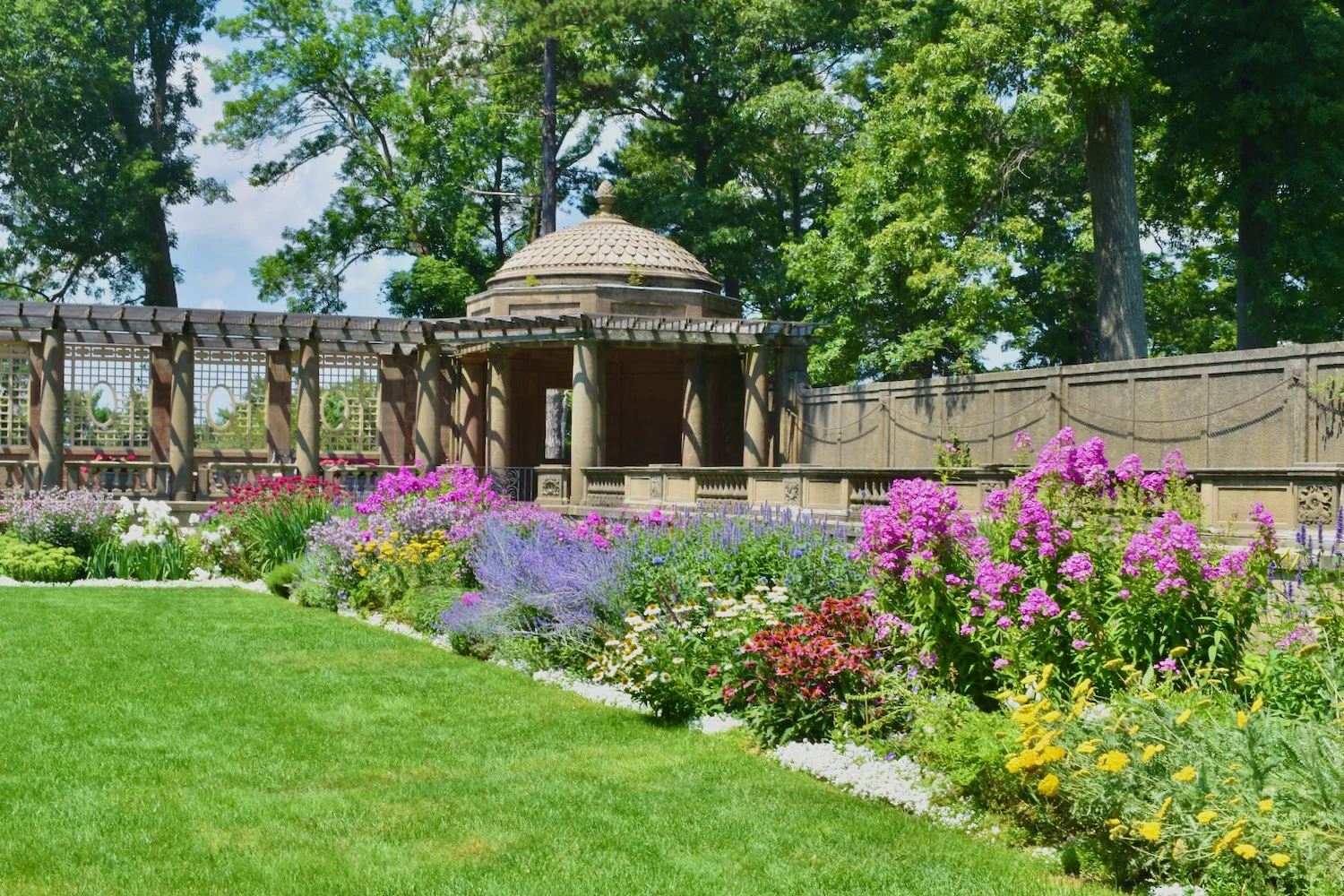
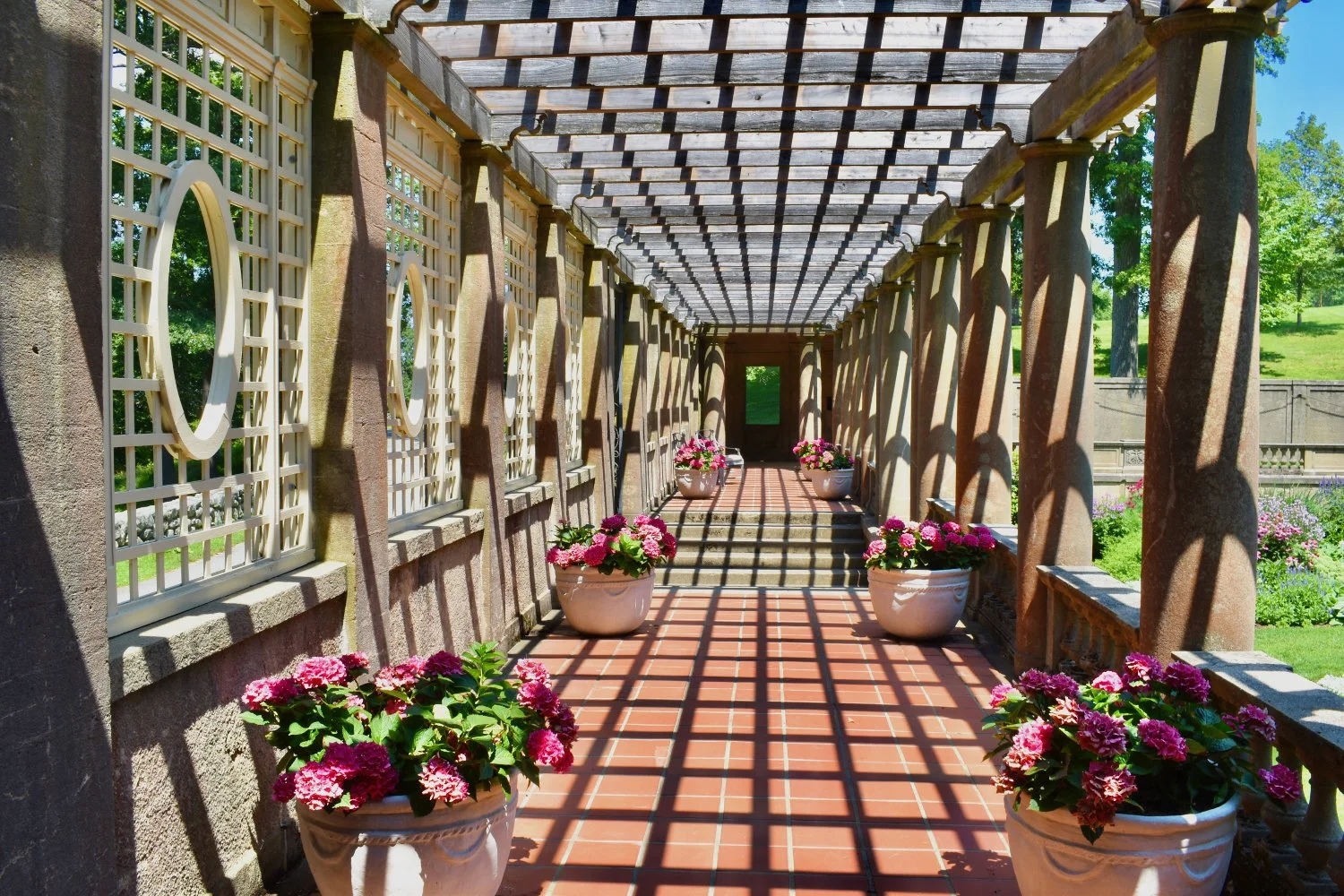
Castle Hill’s formal gardens have been restored to their original beauty. The Italian Garden, designed by the Olmsted Brothers, was Florence Crane’s favorite. This hidden oasis features colorful perennial beds enclosed by walls and terraces. Two octagonal teahouses are linked by a pergola on one end, and a columned balcony above a fountain and pool encloses the other end.
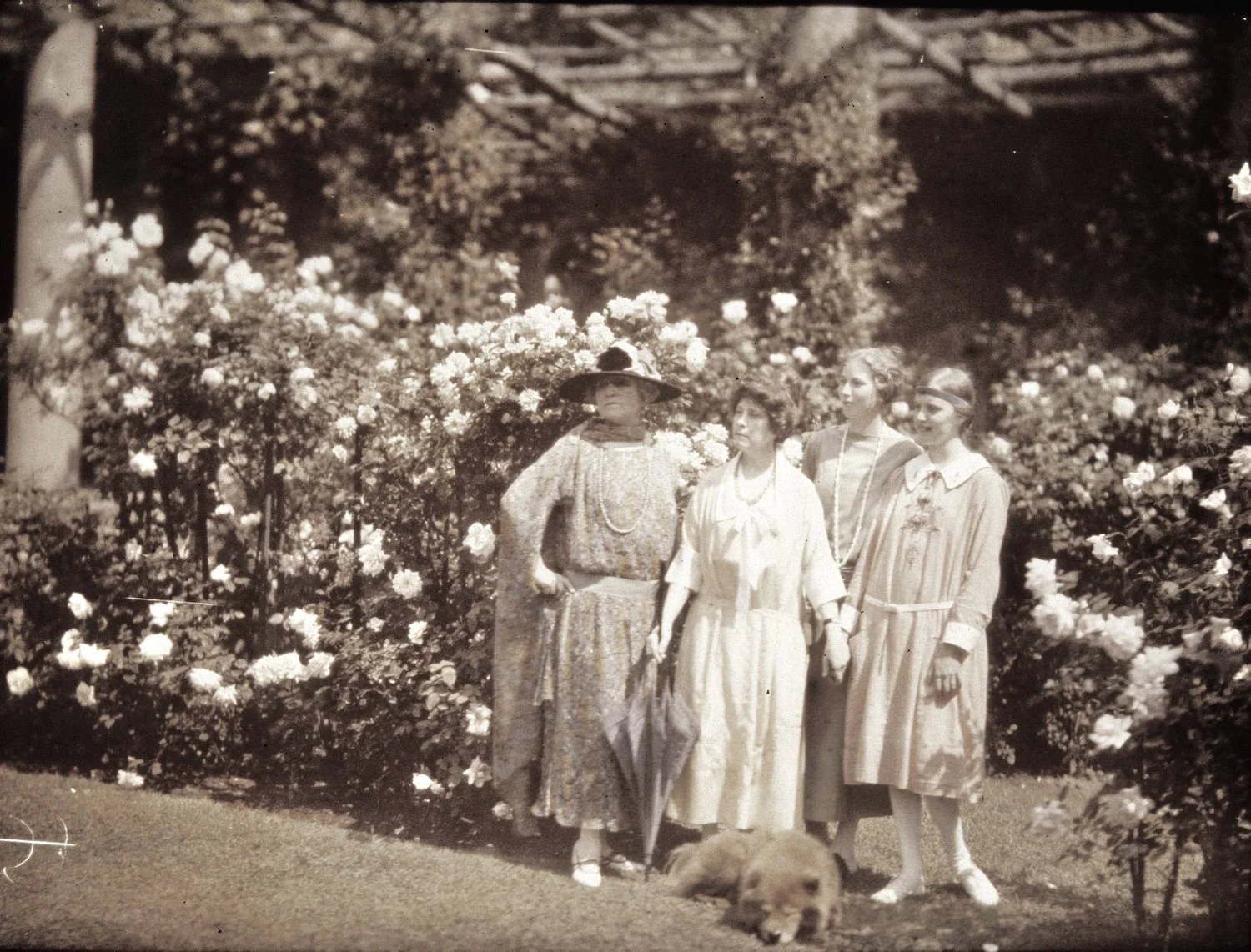
Mrs. Crane and guests touring the rose garden. photo courtesy of the trustees.
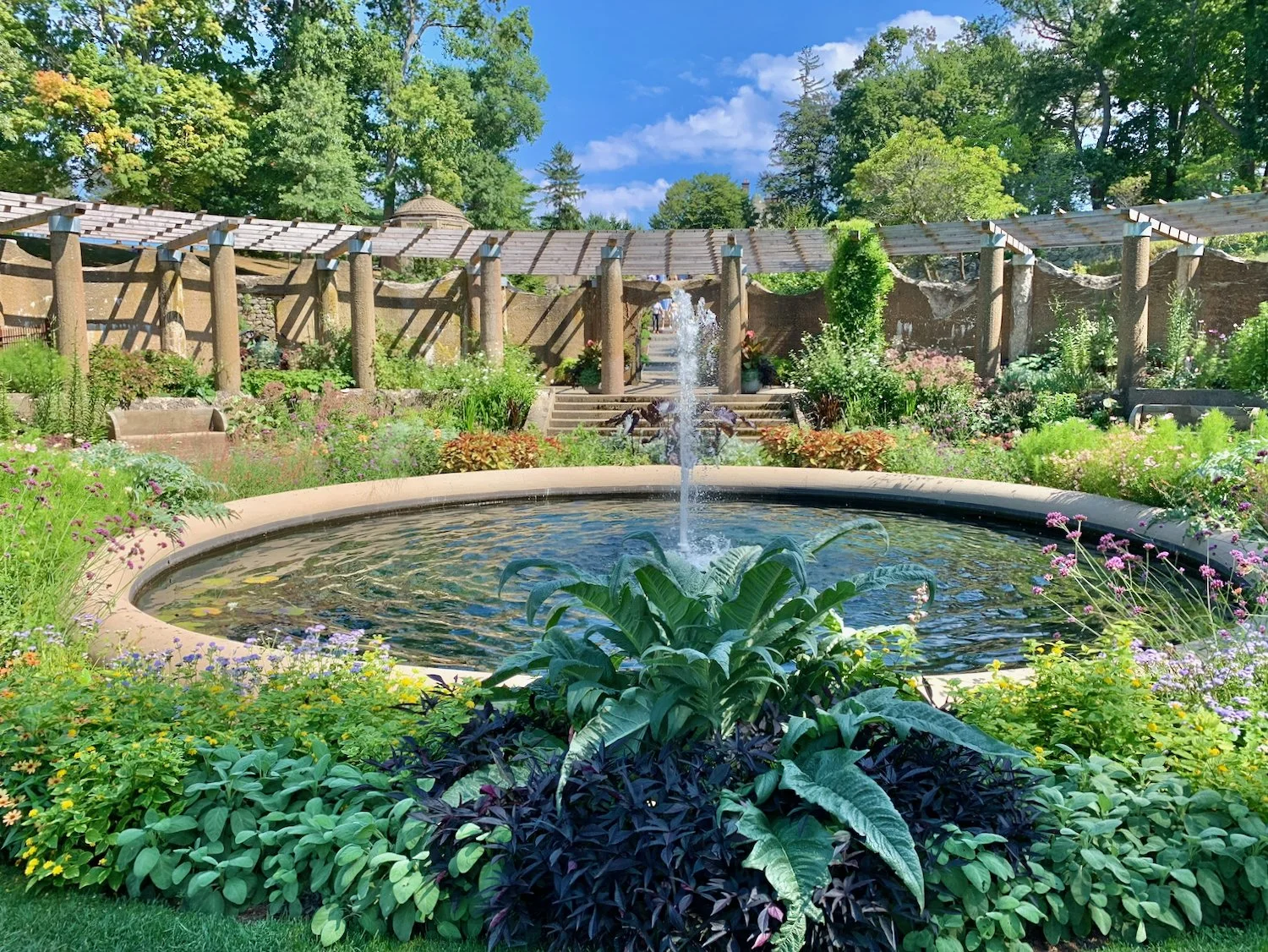
Across the drive, stands of rhododendrons veiled the gate to the circular rose garden designed by Shurcliff in 1914. Marblehead rosarian Harriett Risley Foote, one of the leading rose specialists in the country, selected the roses for this garden. Once the home of 12,000 rosebushes of 600 varieties displayed in four curving beds and on an immense wooden pergola, this garden has been transformed to a contemporary herbaceous border.
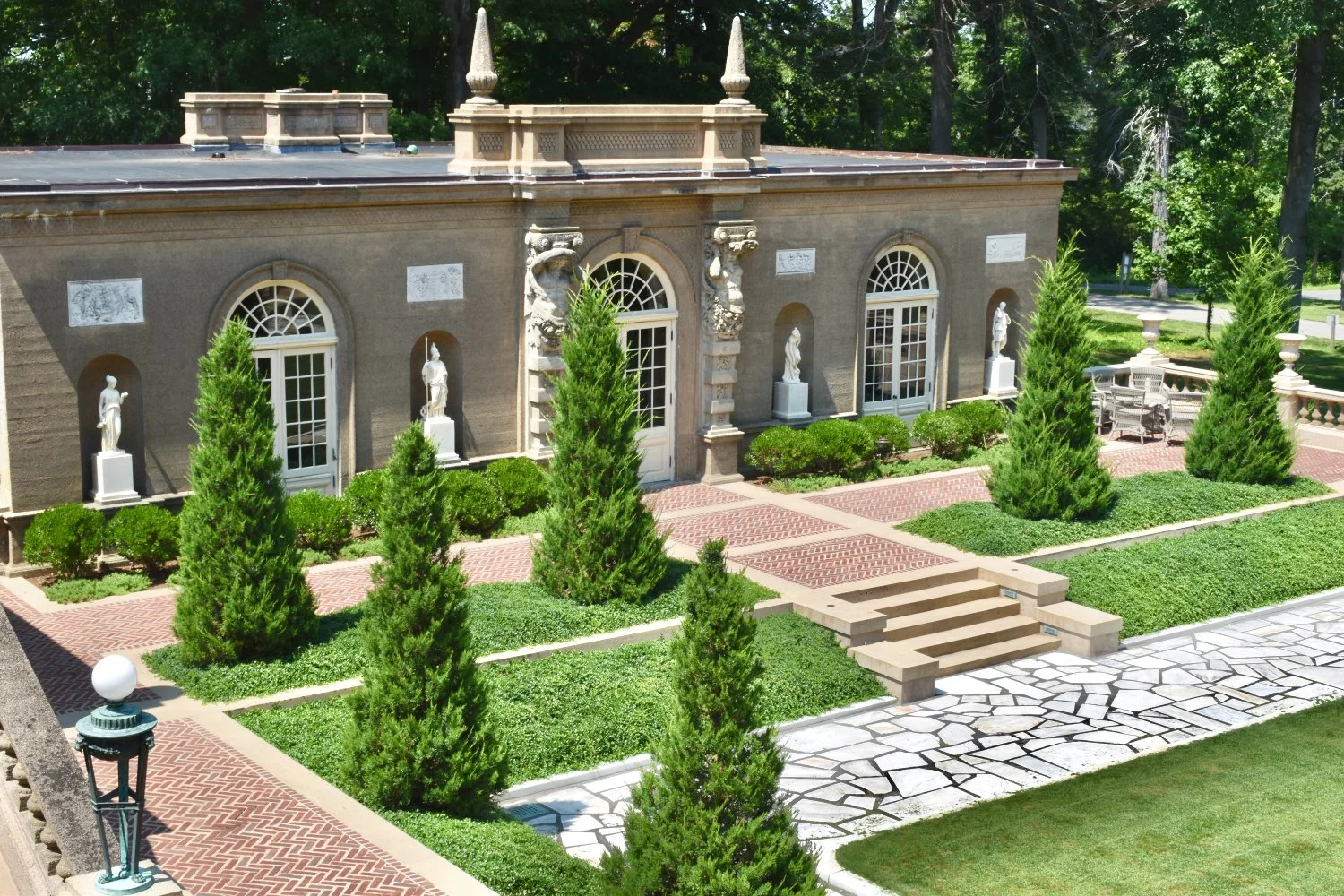
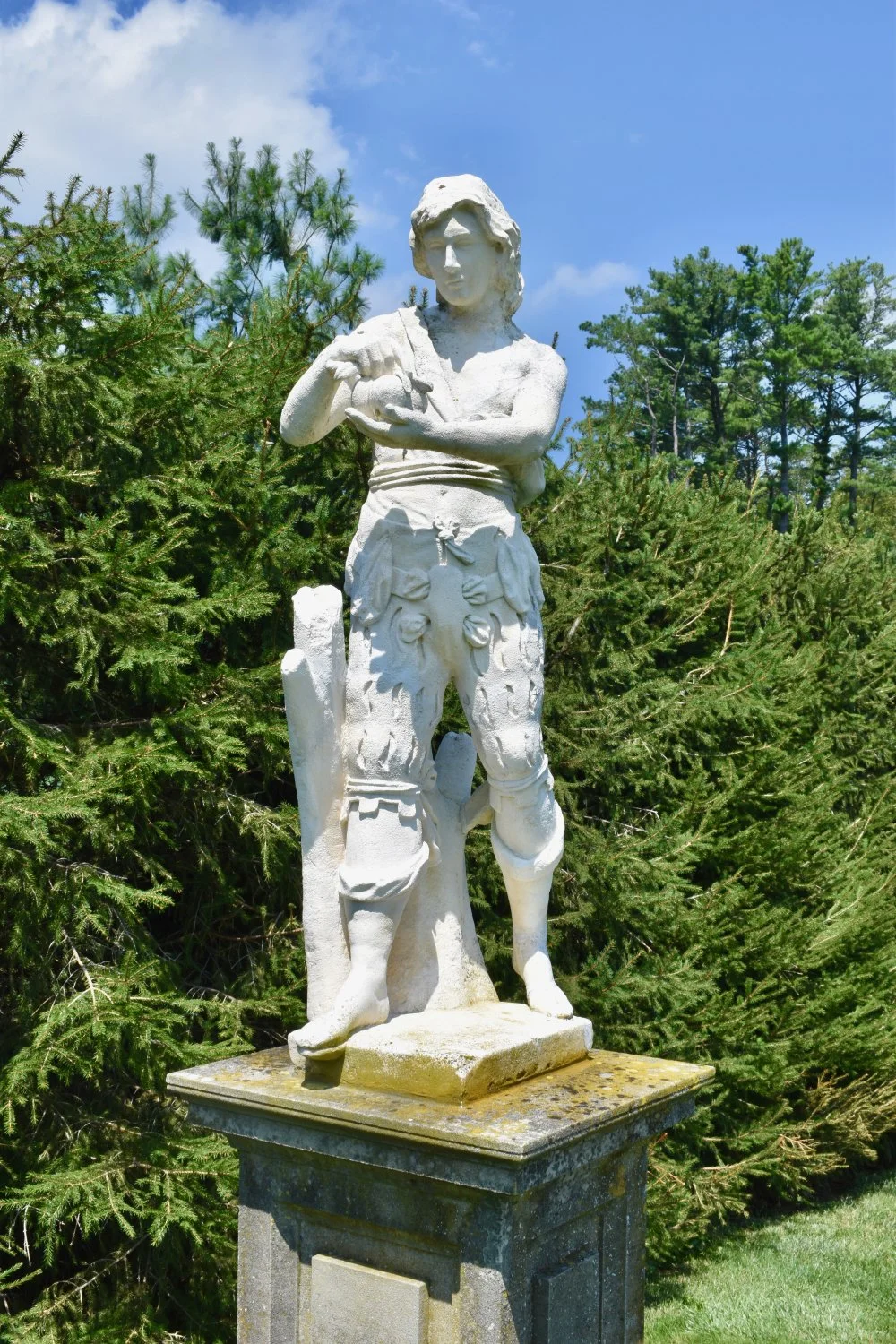
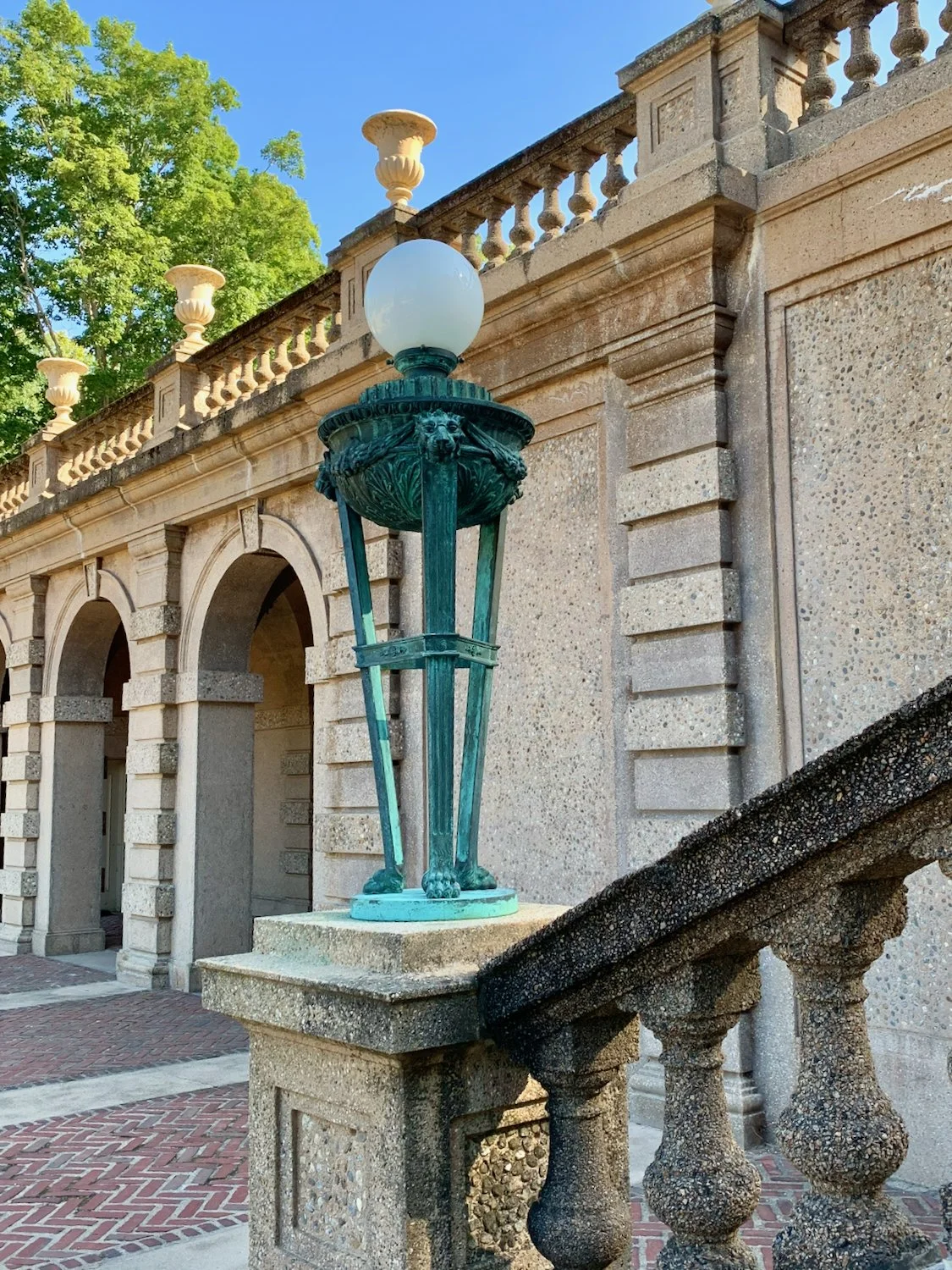
In 1915 Arthur Shurcliff added the Grand Allée, a half-mile long, 160-foot wide stretch of lawn, bordered by two rows of evergreens and classical statuary. An Italianate “Casino Complex” tucked into the allée’s first hillside had a courtyard with a saltwater swimming pool that was bookended by two villas: one housing a ballroom, the other providing “bachelors’ quarters” for the young men who visited. In Italian gardens, the “casino” simply meant “small house” and was often the name for the summer house. The Casino Complex was restored in 2016, and now offers a trimmed lawn for croquet (the pool had been filled in long before), and a new brick terrace with marble statues and comfortable chairs and tables. The Grand Allée was restored in 2012, with 700 trees planted to replace old and storm-damaged ones.
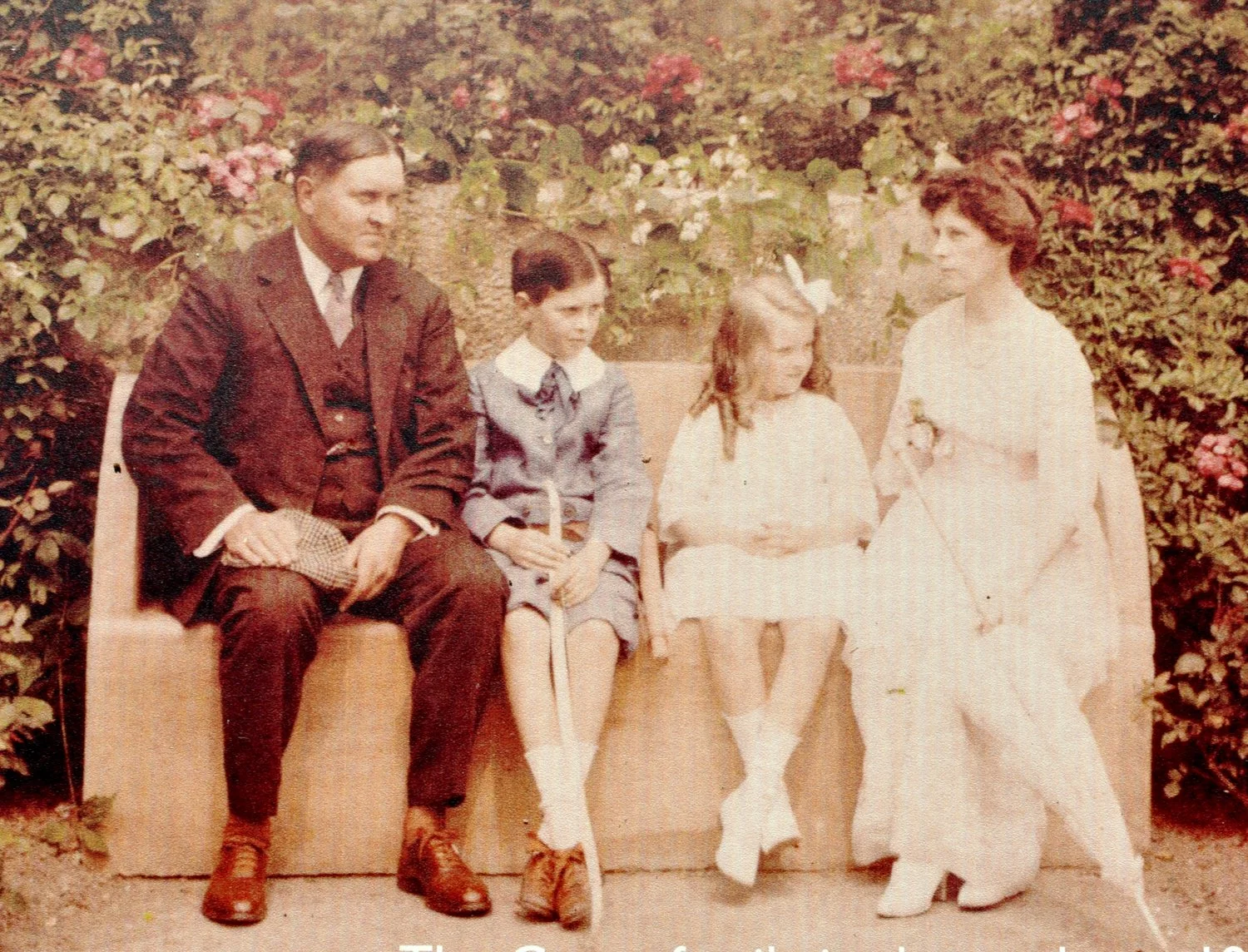
The Crane Family. Photo courtesy of the trustees.

Sadly, Richard Crane died of a heart attack in 1931, so he enjoyed his house for a very short time. In 1945, the family gave 1,000 acres of beach and dunes to The Trustees of Reservations in his memory. Florence Crane continued to spend summers at Castle Hill until her death in 1949. She bequeathed an additional 350 acres and the mansion to The Trustees, who maintain it to this day. Within the last 15 years, about $6 million has been invested in capital improvements. Two Crane  granddaughters reside in Ipswich and remain involved with the property.

Castle Hill on the Crane Estate, 290 Argilla Rd., Ipswich, MA 01938, (978) 356-4351, thetrustees.org/castlehill
Spring Spectacular at the Stevens-Coolidge House and Gardens

Photo courtesy of Stevens-Coolidge Place

Photo courtesy of Stevens-Coolidge Place

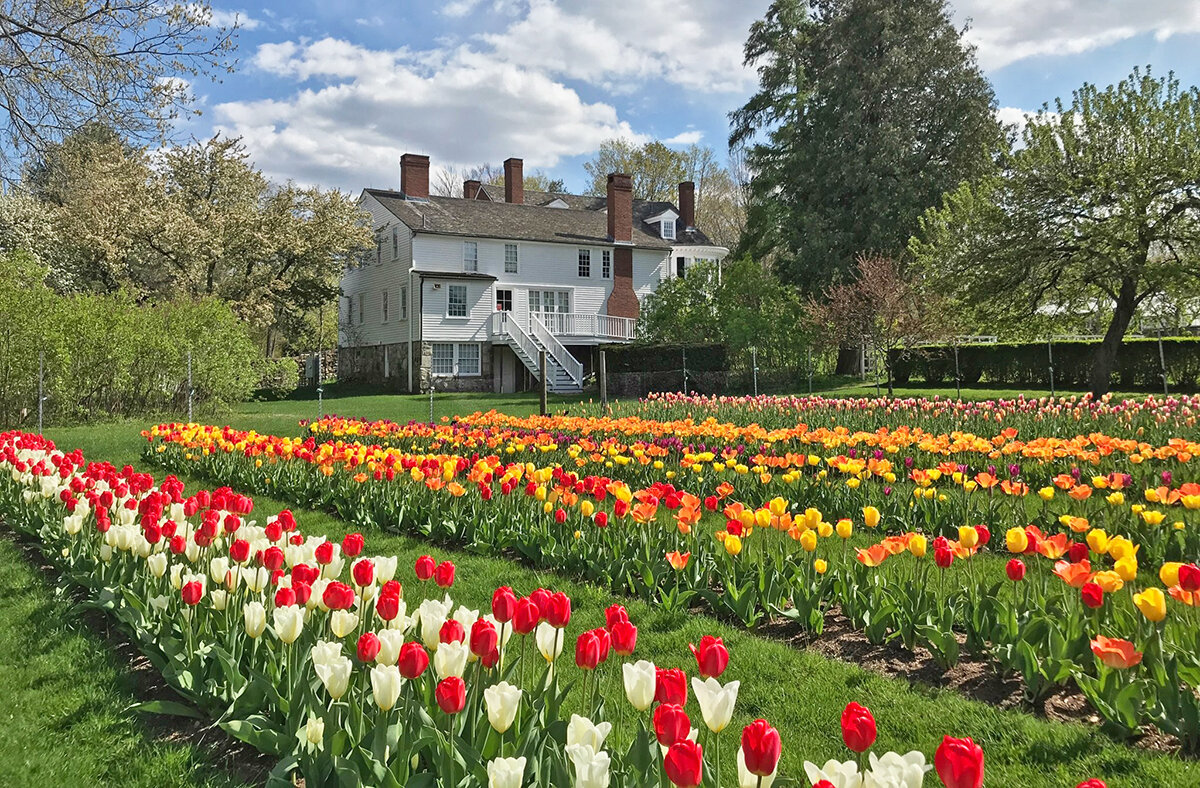
A Spring Spectacular, running from April 21 to May 16, launches the rejuvenation of The Stevens-Coolidge House and Gardens. More than 165,000 bulbs will adorn nine display gardens with the exuberant colors of spring, and visitors will enjoy a series of events and programs staged amidst the garden’s beauty.

The Stevens-Coolidge House and Gardens is a prime example of a Country Place estate—a style that was popular with wealthy Americans in the early part of the 20th century. The Stevenses were one of the founding families of North Andover, farming at what was originally called Ashdale Farm since 1729. In 1914 Helen Stevens inherited the estate, and with her husband, John Gardner Coolidge, transformed the farm into an elegant summer residence.

Stevens Coolidge Place 1.jpg
Stevens Coolidge Place 2.jpg

John Coolidge was member of the Boston elite—the nephew of Isabella Stewart Gardner and a descendant of Thomas Jefferson. The Coolidges hired preservation architect Joseph Everett Chandler to remodel the house and garden in the Colonial Revival style that swept the country after the 1876 Centennial Exhibition in Philadelphia.

Stevens Coolidge Place 3.JPG
Stevens Coolidge Place 12.jpg

Chandler’s design for the exterior was based on a formal layout of garden rooms with informal plantings. The main gardens were sited behind the house to offer privacy. The house opened onto a shaded brick terrace that offered views of the perennial garden, which was enclosed by hedges and laid out in a pattern of rectilinear beds with colorful perennials. The Italian-style fragrant Rose Garden replaced the old barn, cow yard, and pig sty. Adjacent to the perennial garden, the Rose Garden could also be entered through an upper terrace, which provided a wonderful view of the flowers. The neighboring greenhouse complex allowed for a grapery, potted tropicals for the house, and plant propagation. 

Construction of the rose garden

Construction of the rose garden

The rose garden today

The rose garden today

Stevens Coolidge Place 10.jpg
Stevens Coolidge Place 11.jpg

The Coolidges became enamored with chateau gardens while they lived in France during WWI, and Chandler designed for them a French flower garden, screened on one side by a brick Serpentine Wall. Modeled after those designed by Thomas Jefferson for the University of Virginia, the wall supports espaliered fruit trees. The garden was eventually converted to lawn, but in 2000 the original layout was restored and replanted with an incredible display of annuals, herbs, and vegetables.

The serpentine wall

The serpentine wall

The French Flower Garden

The French Flower Garden

Stevens Coolidge Place 9.jpg
photo courtesy of Stevens-Coolidge place

photo courtesy of Stevens-Coolidge place

Ashdale Farm maintained its agricultural heritage throughout Helen Stevens Coolidge’s lifetime. The family kept farm animals, grew vegetables in the kitchen garden, and harvested apples from their orchard. When Helen Stevens Coolidge died in 1962, she left the property and an endowment to The Trustees of Reservations. Many of her gardens, including the rose garden, greenhouse, potager, perennial garden, and cutting garden have been restored to their former appearance.

In November 2020, The Trustees announced a multi-year rejuvenation at the Stevens-Coolidge House and Gardens. The plan preserves the overall architectural structure and American Country Place style, while adding new and expanded display garden spaces, featuring plantings of the latest ornamental species, varieties, and cultivars in contemporary designs. More than 5,000 plants and 165,000 bulbs were added to the gardens, as well as native shrub and wildflower displays, and nature trails through the woodlands, fields, and meadows of the historic Ashdale Farm property. You will enjoy a spring visit to the glorious Stevens-Coolidge House and Gardens this spring!

Photo courtesy Stevens-Coolidge Place

Photo courtesy Stevens-Coolidge Place

Stevens-Coolidge House and Gardens, 137 Andover St., North Andover, MA 01845, (978) 682-3580, thetrustees.org/place/stevens-coolidge-house-and-gardens/

Gardens are open during the season daily (closed Wednesdays), 10 am–5 pm. Tuesday 10 am–7 pm.