A Seasonal Spectacle: the NYBG Orchid Show

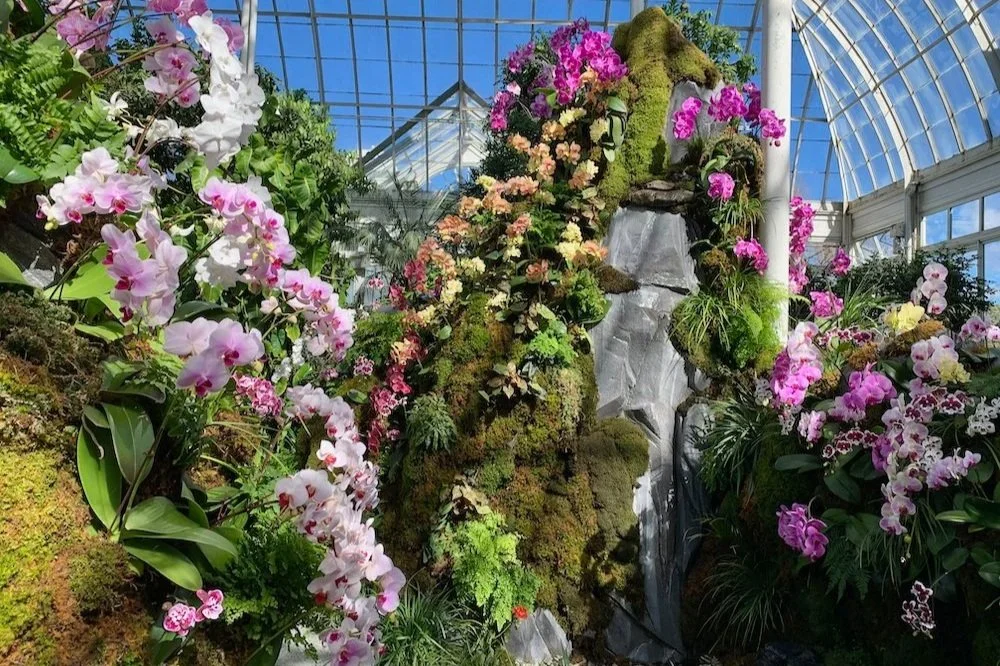
Each spring, the New York Botanical Garden’s (NYBG) annual Orchid Show transforms the Victorian conservatory in the Bronx into a breathtaking tropical paradise that draws gardeners, orchid lovers, and nature enthusiasts from around the world. For decades this exhibition has been one of the Garden’s signature events, celebrating the astonishing diversity, elegance, and botanical intrigue of one of the planet’s most beloved plant families. 
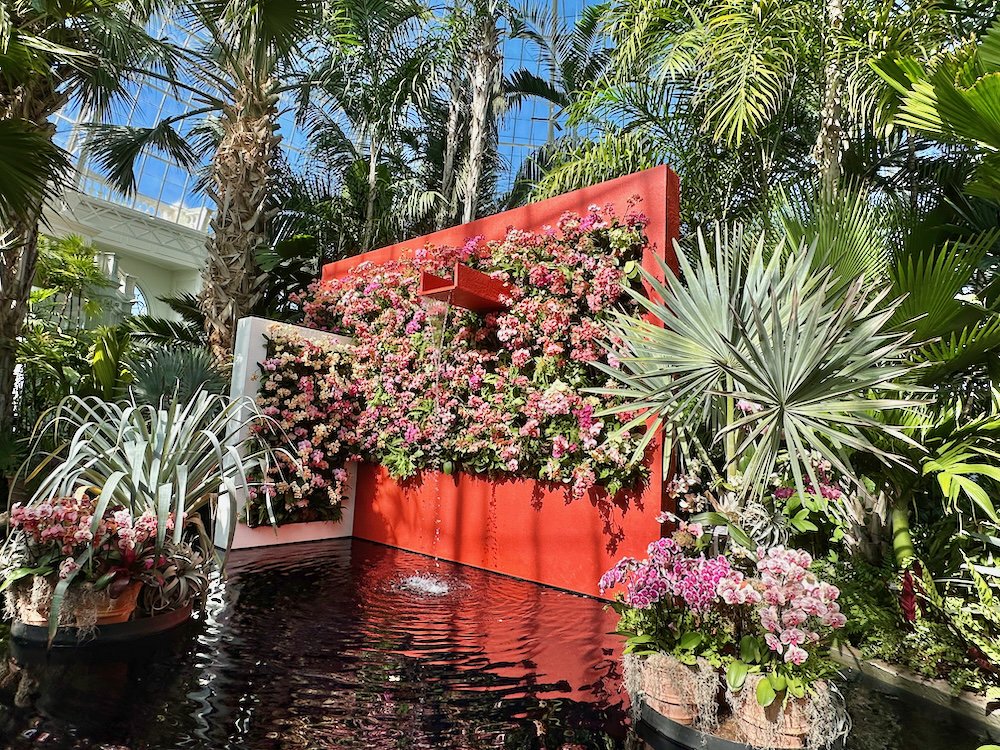
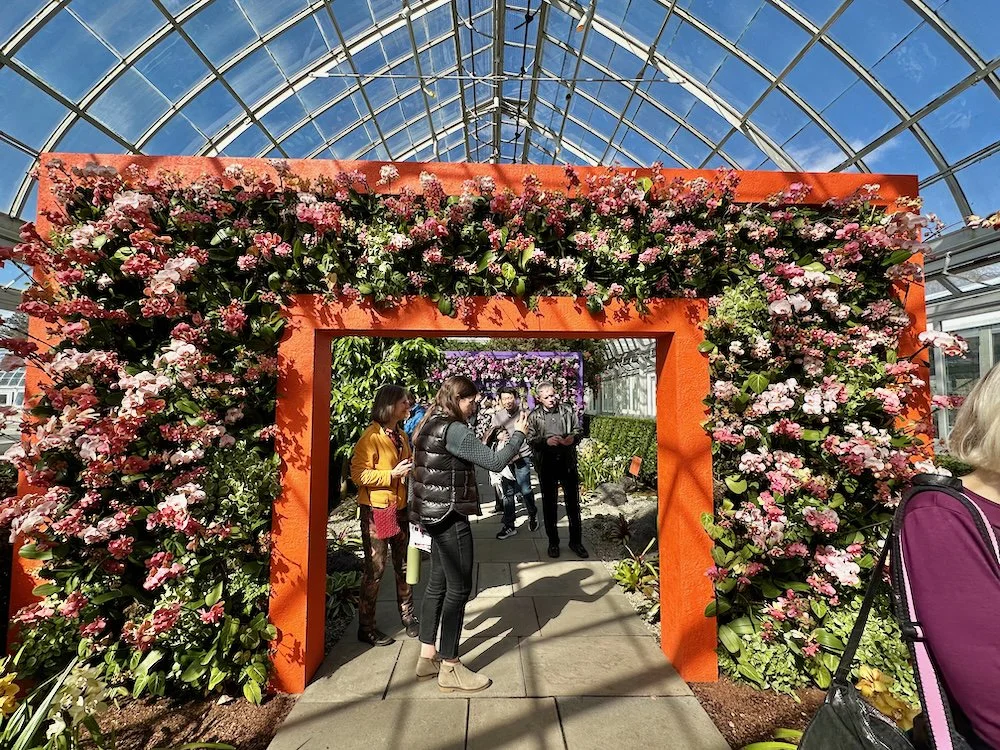
Every year, a different theme and designer is selected for the Orchid Show. Last year it was Mexican Modernism, inspired by the bold, color-rich architectural style of Mexican modernist Luis Barragán. Thousands of orchids in dazzling hues were arranged against backdrops of vivid color blocks, latticework, arches and fountains that echoed Barragán’s striking geometric designs. 
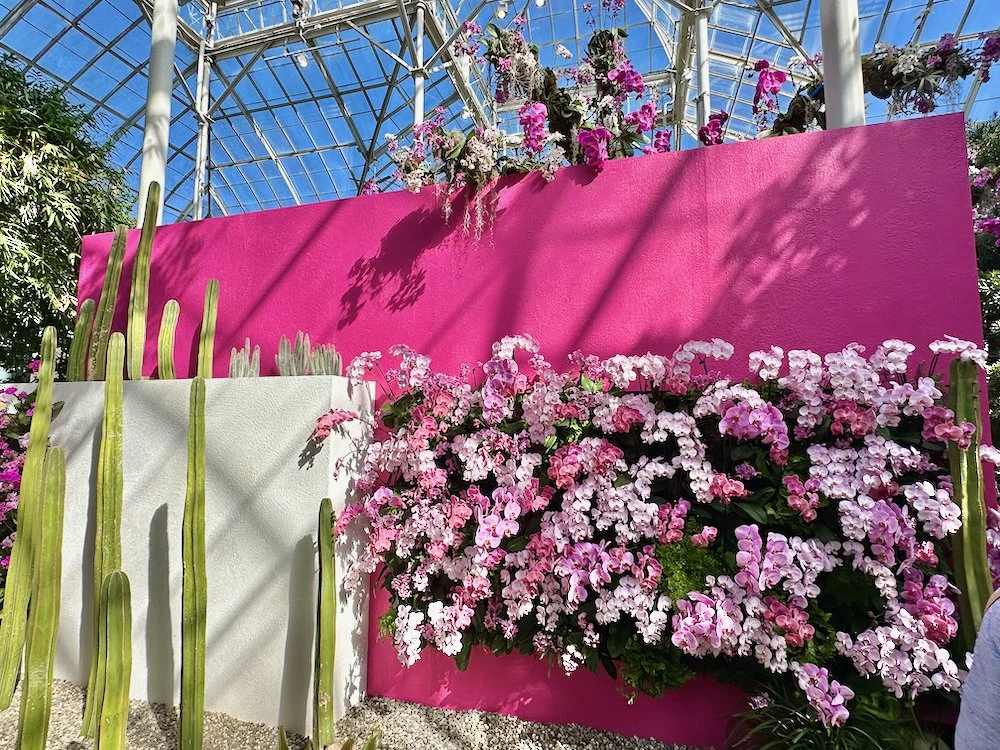
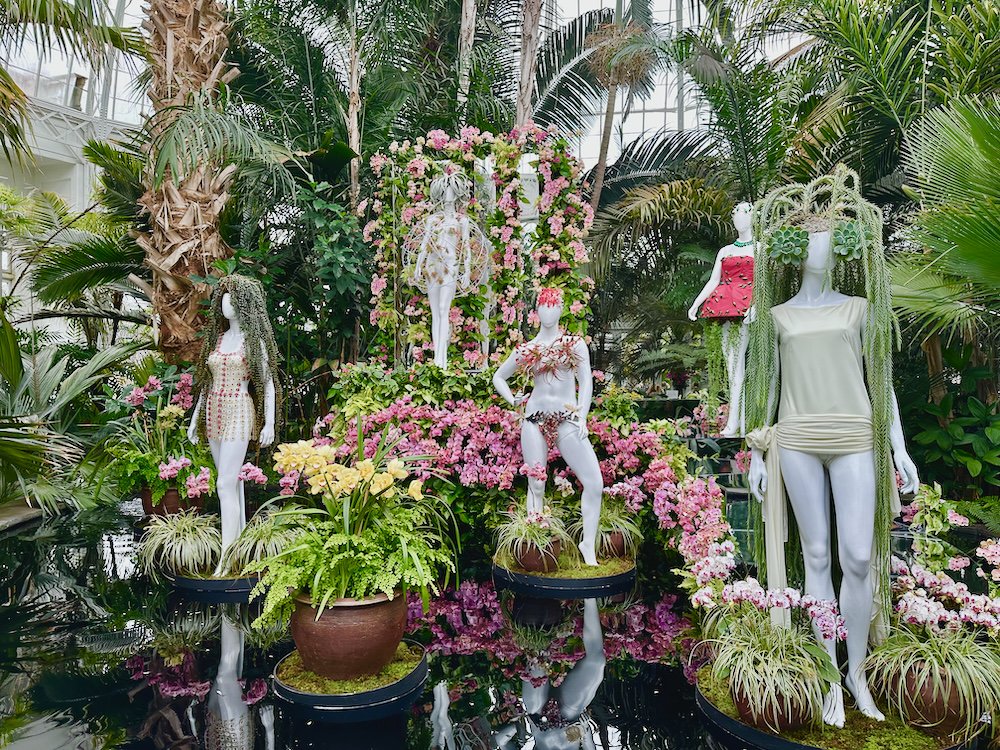
The 2026 show is titled Mr. Flower Fantastic’s Concrete Jungle, and celebrates the vibrant spirit, culture, and style of New York City through a creative floral lens. At the heart of the exhibition is Mr. Flower Fantastic— an anonymous New York–born artist known for fusing floristry with pop art, street culture, and fine art. The show reimagines the conservatory as a “concrete jungle” where orchids and cityscapes coexist in a dazzling fusion of nature and metropolitan artistry. Orchids fill immersive installations that echo elements of New York’s architecture and cultural landmarks — from imagined subways and stoops to skyline-inspired floral structures. Vibrant color, unexpected juxtapositions, and bold design elements mirror the diversity and resilience of NYC itself. 
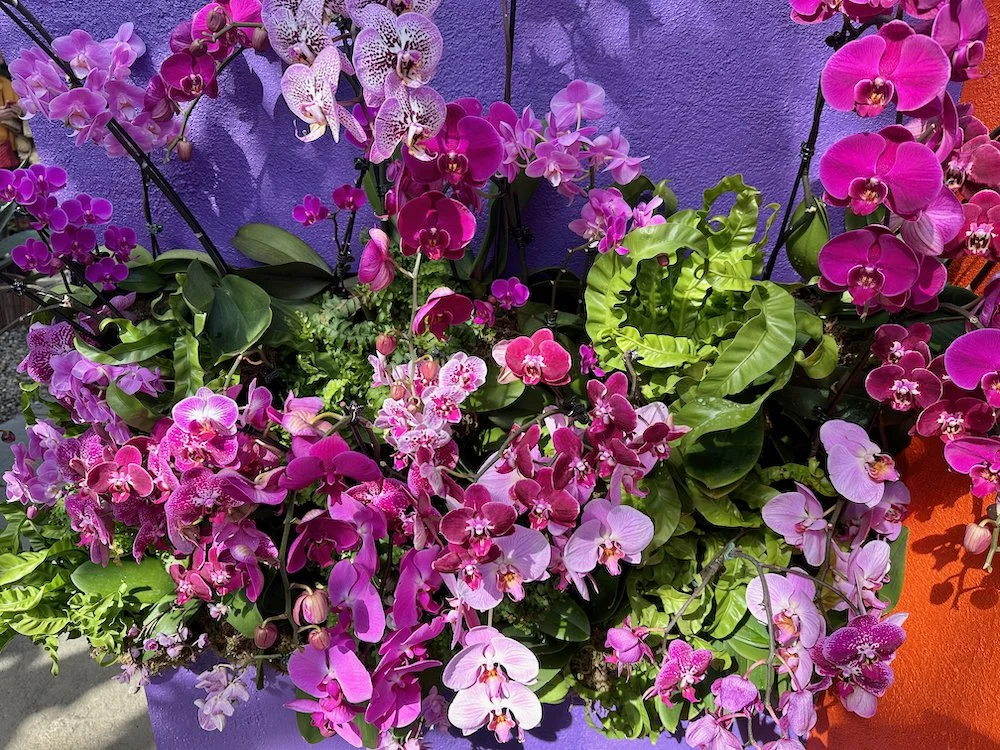
For gardeners, both experienced and budding, the Orchid Show offers much more than just a visual feast. The display showcases the astonishing range of orchid forms, sizes, and colors—from tiny blossoms just a couple of inches across to dramatic inflorescences that stretch toward the light. Some of the varieties that you will see include:
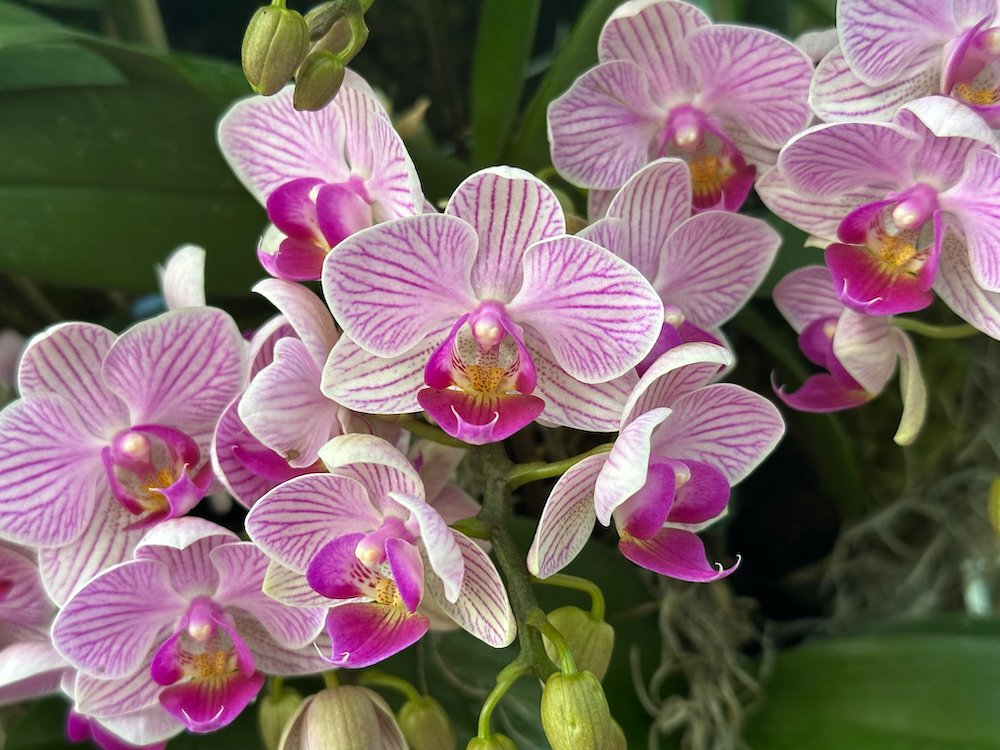
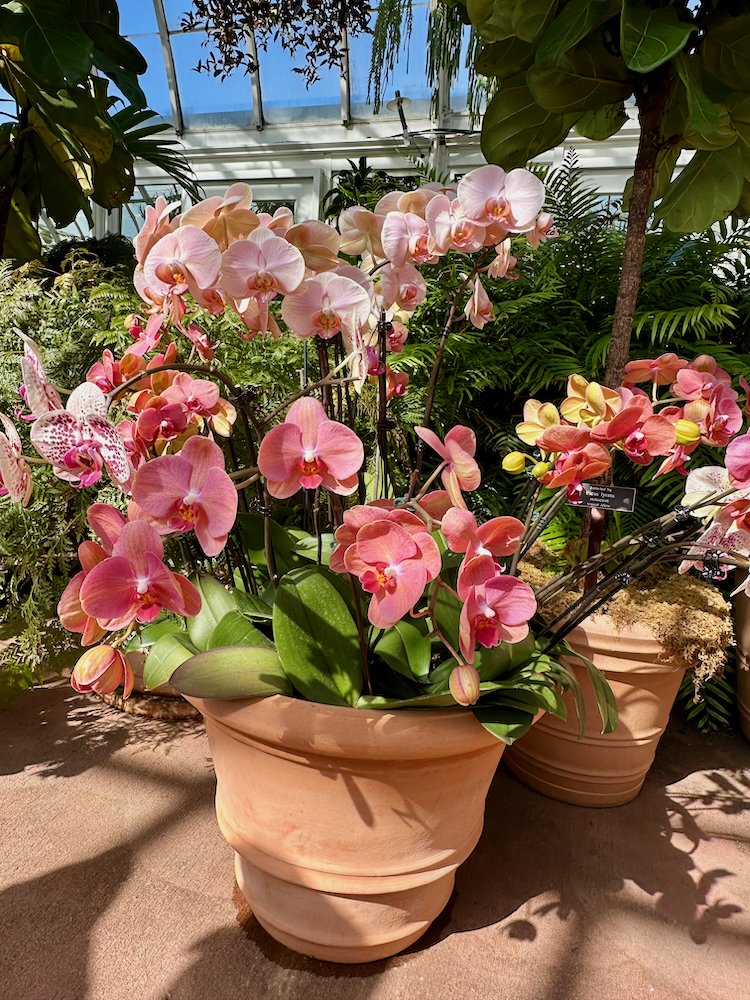
Phalaenopsis (Moth Orchids)
These are among the most recognizable and widely grown orchids. Phalaenopsis have broad, flat blooms that resemble moths in flight and come in shades of white, pink, yellow, and speckled patterns. They’re often featured prominently because of their striking forms and accessibility for growers at all levels.
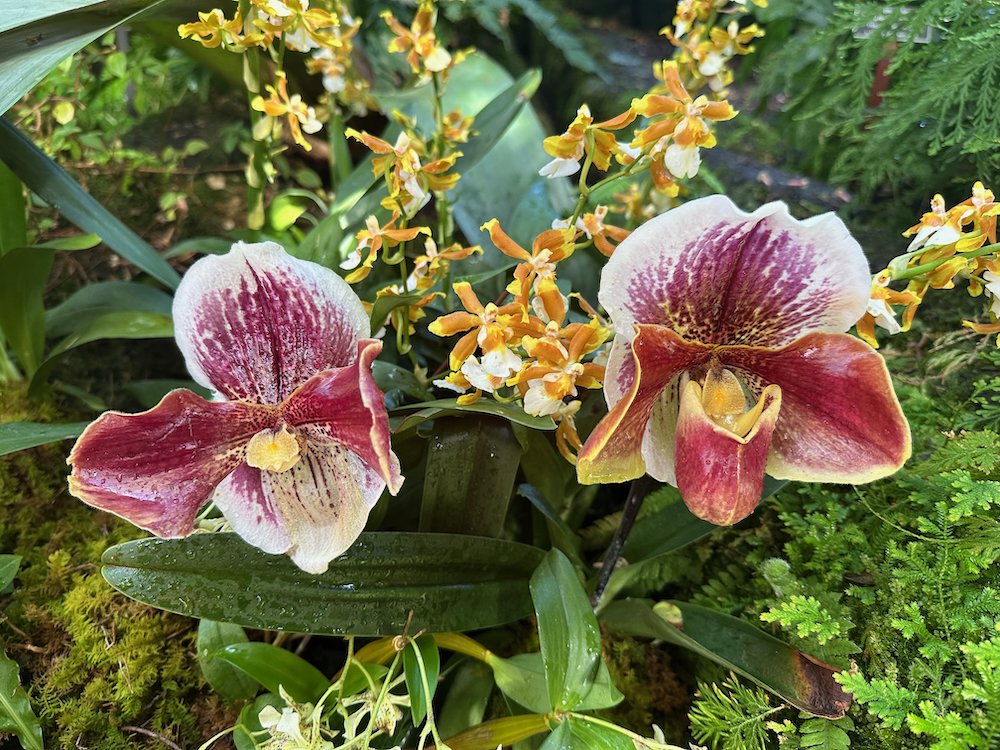
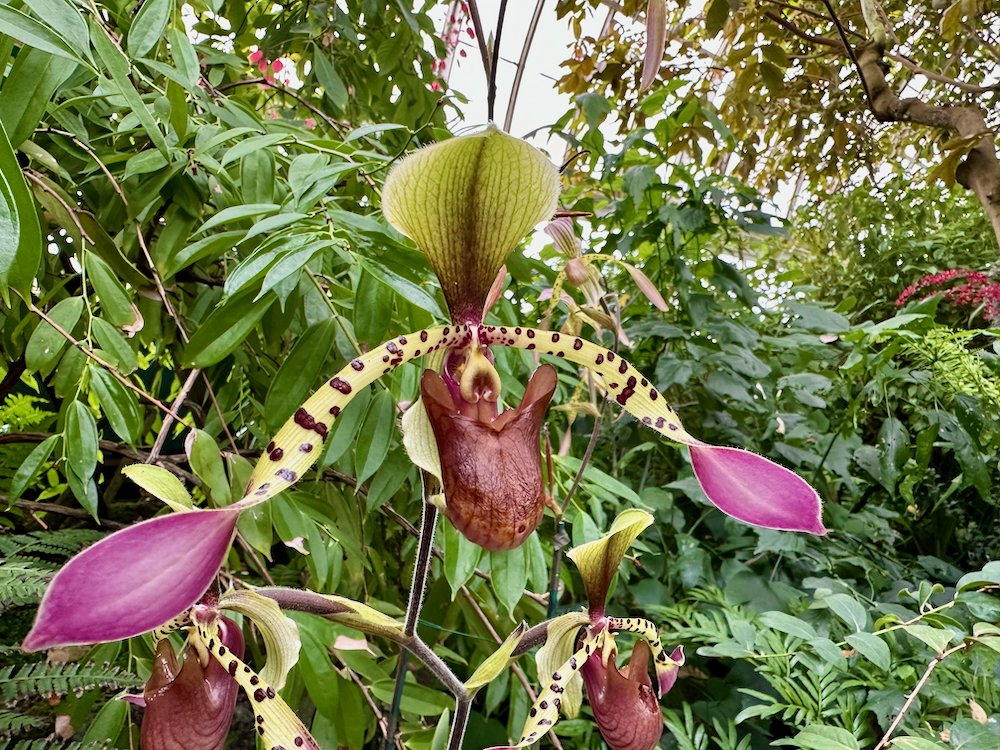
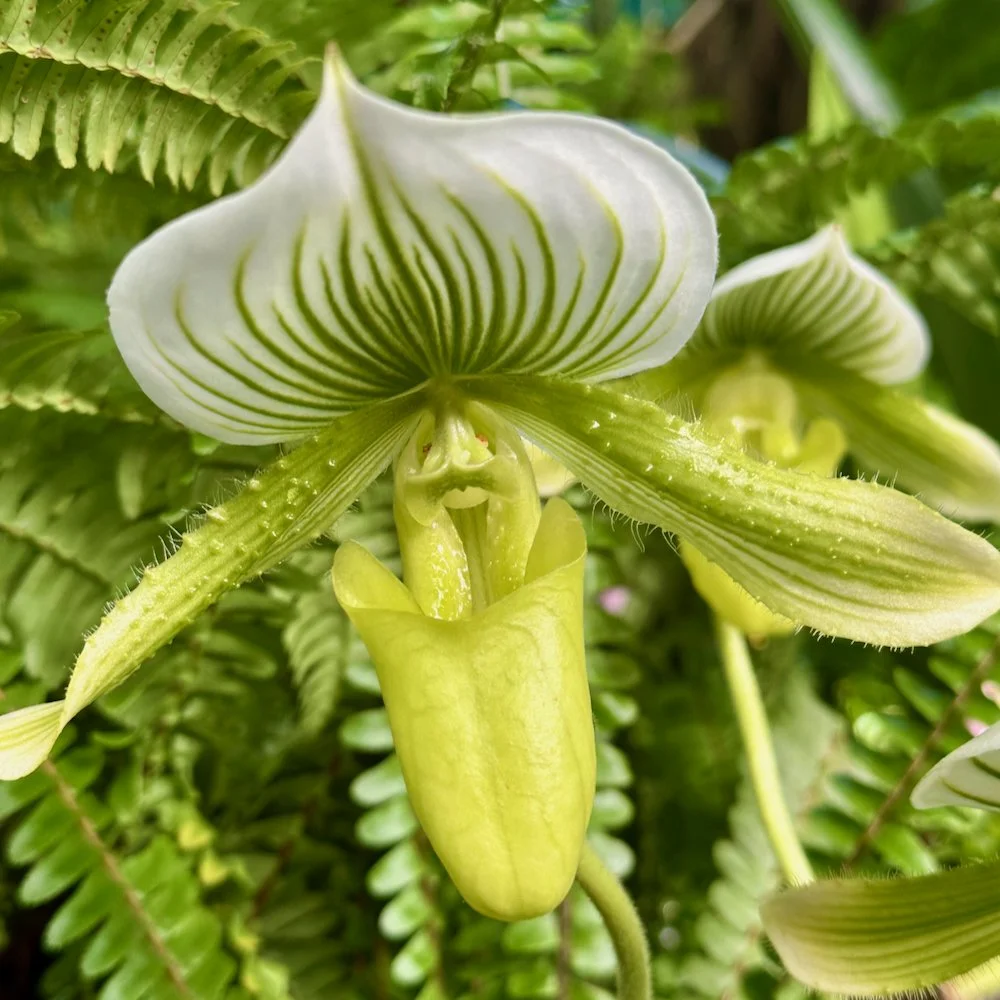
Paphiopedilum (Slipper Orchids)
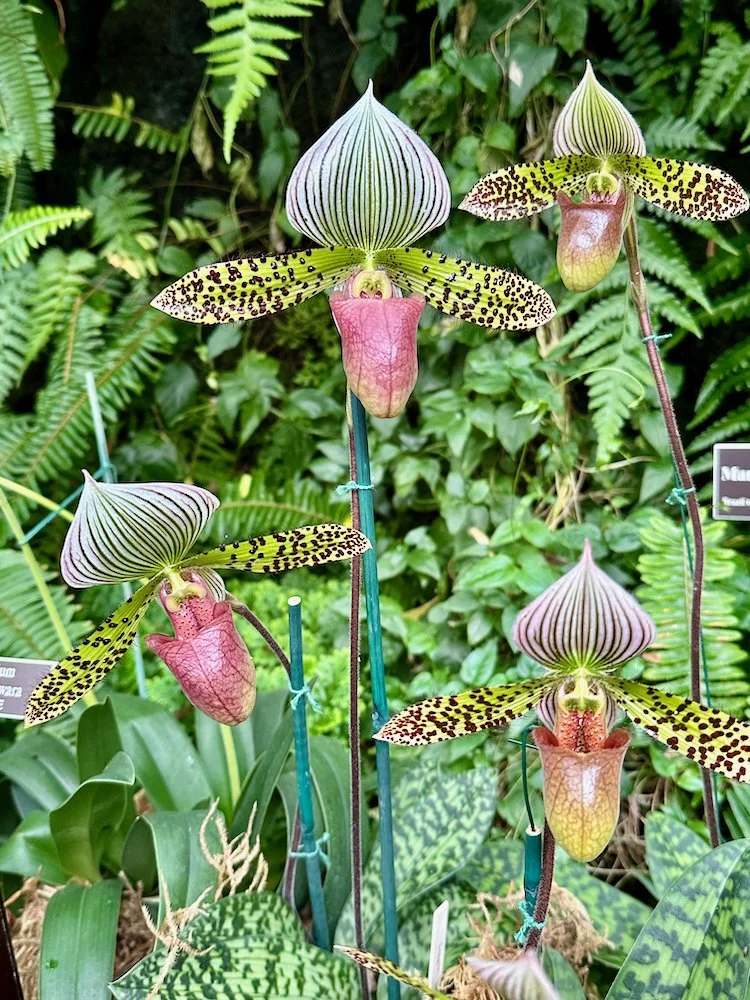
Also known as slipper orchids, Paphiopedilum species are treasured for their unique pouch-shaped lip. These orchids—which grow naturally in tropical Asia—offer a fascinating structural form and come in colors that range from maroon and amber to bold spotted patterns. 
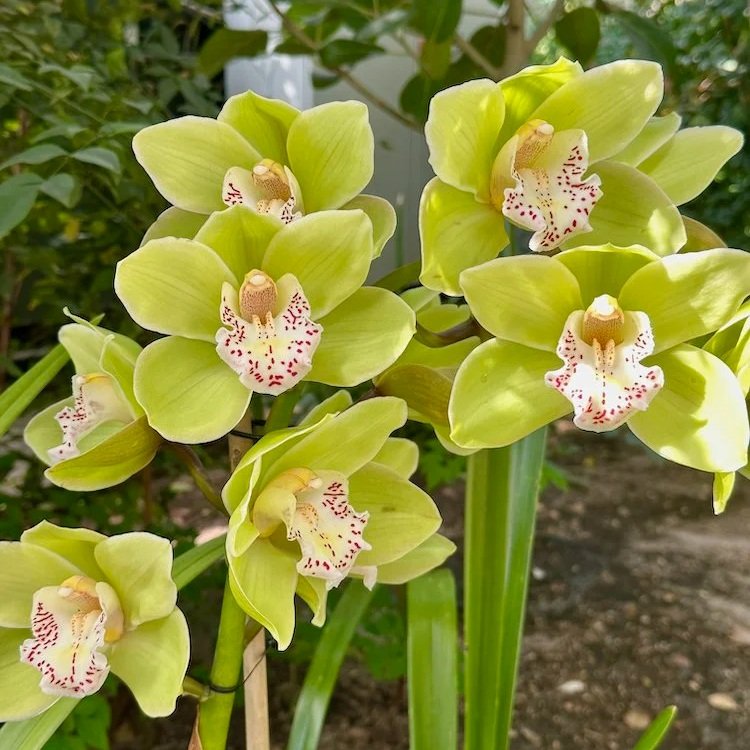
Cymbidium (Boat Orchids)
Cymbidium orchids are known for their tall spikes and waxy, long-lasting flowers. Traditionally used in corsages, they have a classic elegance and come in a broad palette, from soft greens to rosy hues.
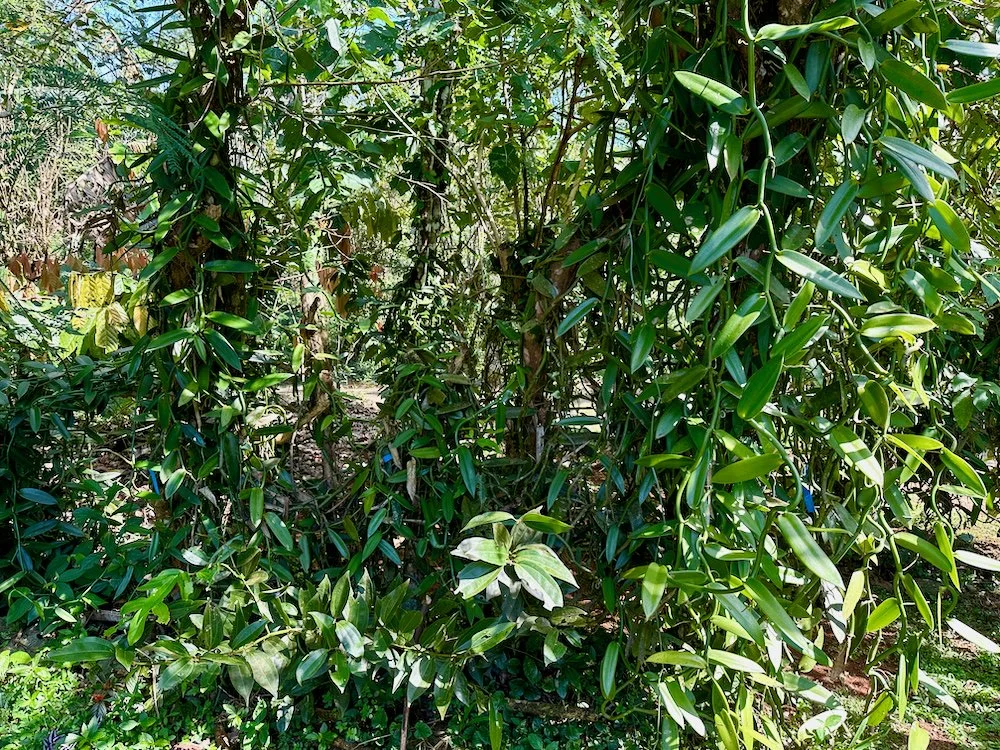
Vanilla planifolia (Vanilla Orchids)
Vanilla orchids—the source of real vanilla flavor—are vining plants native to Mexico, Central America, and parts of South America. They often grow on trees and can easily reach 45’ in height.
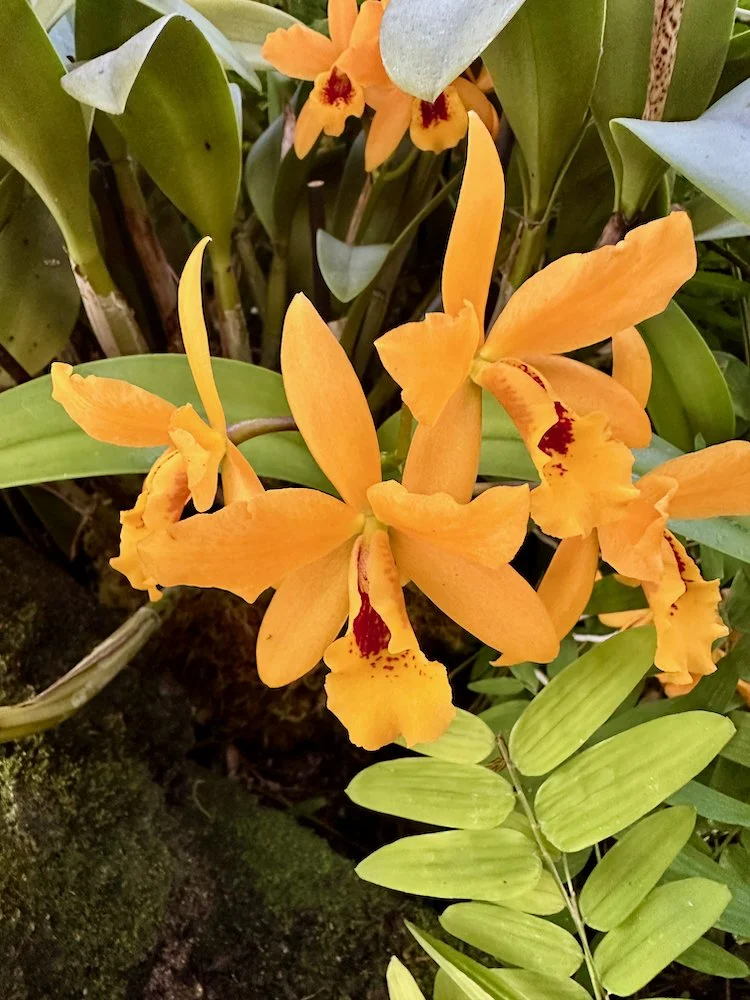
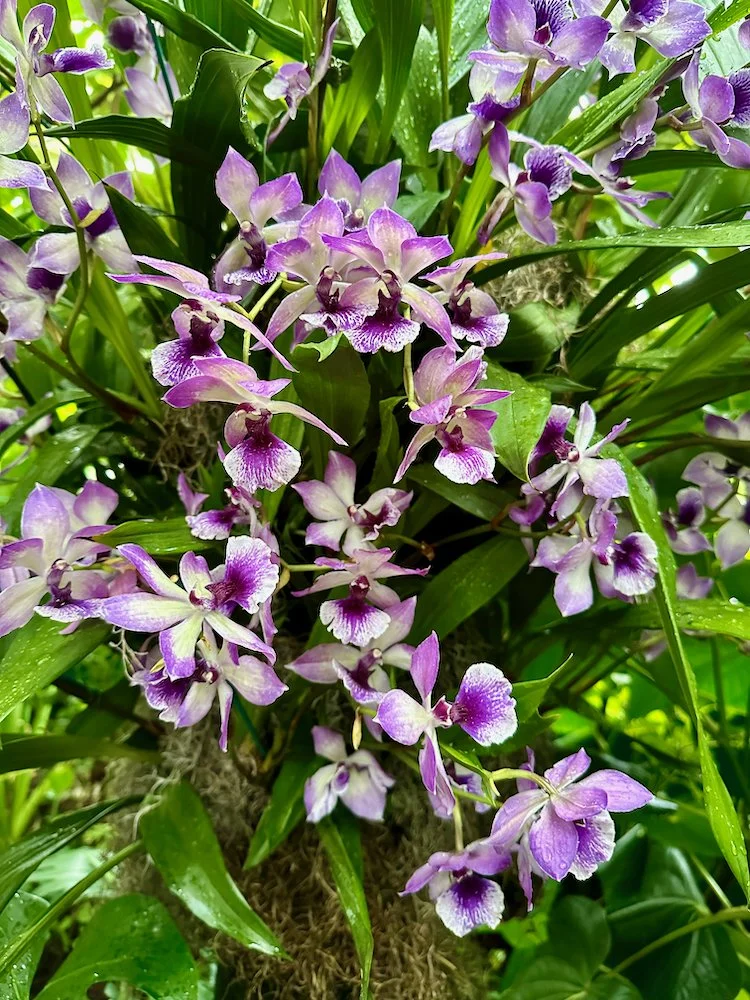
Dendrobium (Cane Orchids)
With over 900 species, Dendrobium orchids are a diverse bunch. Their blooms can be delicate or dramatic, often arranged along slender canes. These orchids originate throughout Asia and the Pacific and are a common and colorful sight at the show. 
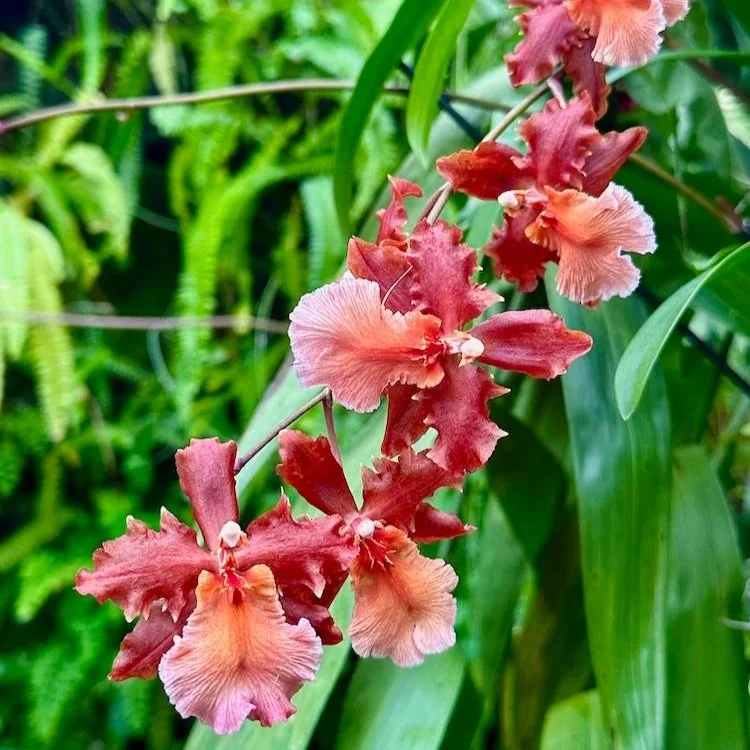
Oncidium (Dancing Lady Orchids)
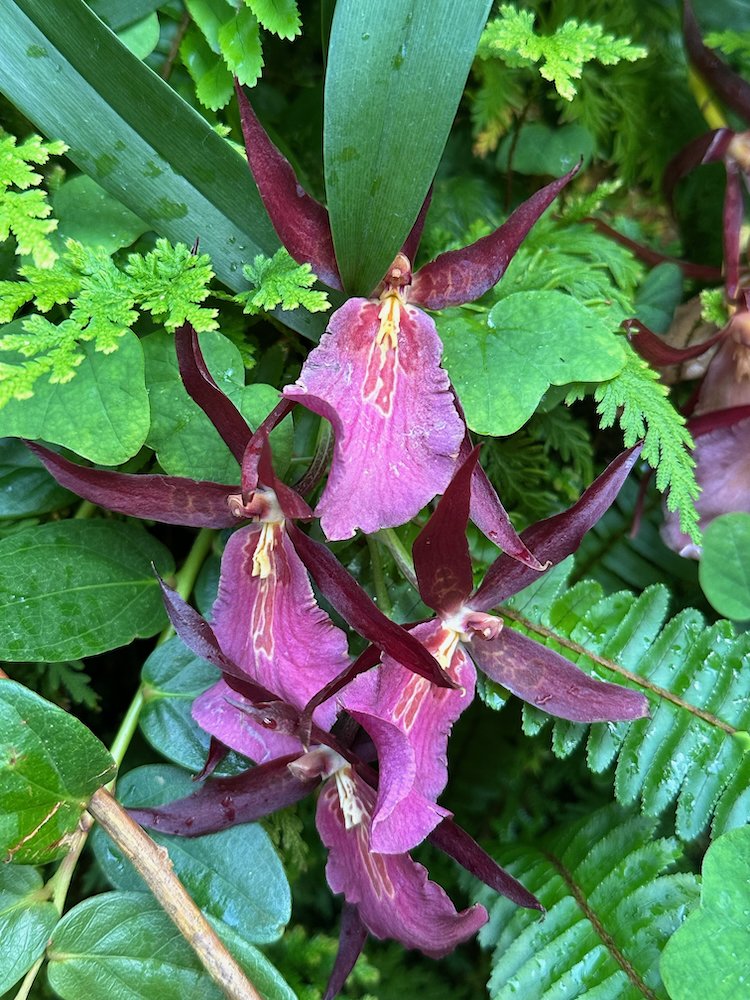
Named for their small flowers with ruffled edges that seem to dance in the breeze, Oncidium orchids add cheerful splashes of yellow, brown, and amber. Their branching sprays create visual movement and texture within displays. 
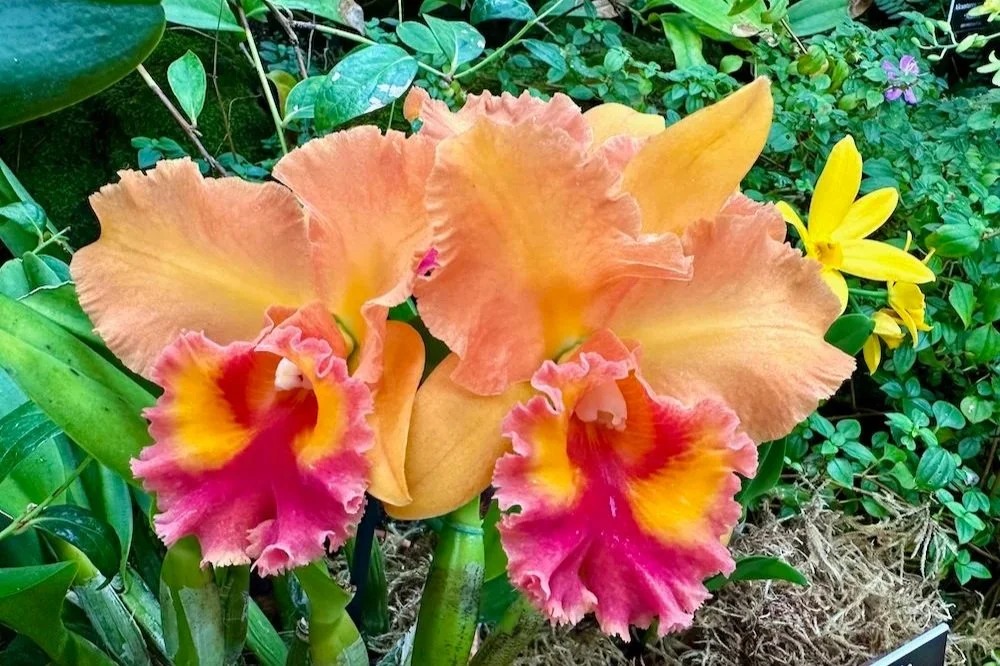
Cattleya (Corsage Orchids)
Cattleya orchids, often called the "Queen of Orchids" or "corsage orchid," are popular for their large, showy, and fragrant flowers that come in a wide range of colors. They are relatively easy to care for, making them suitable for beginner orchid growers.
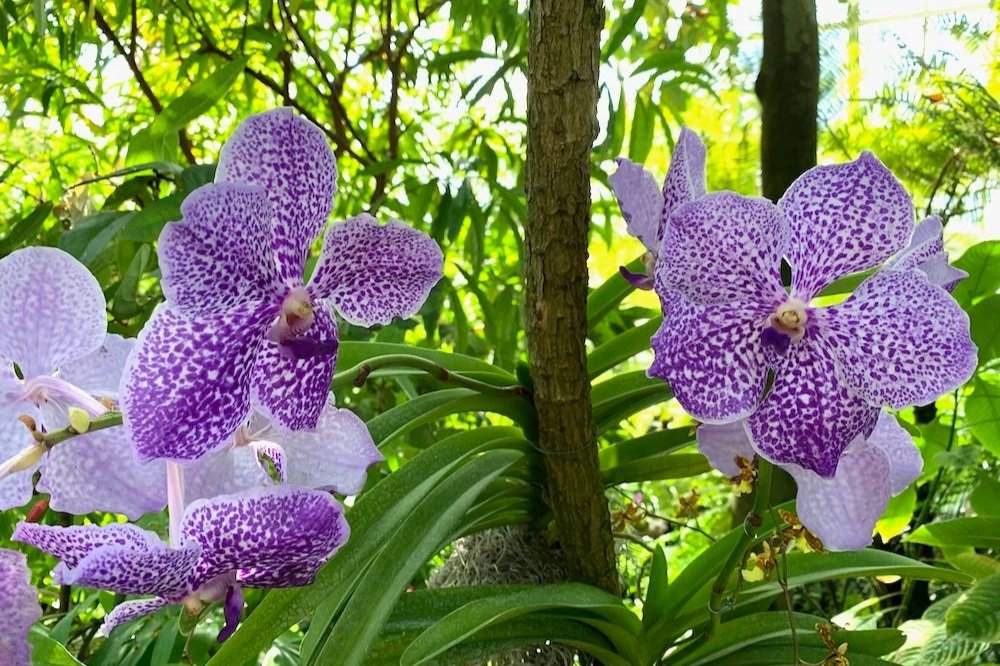
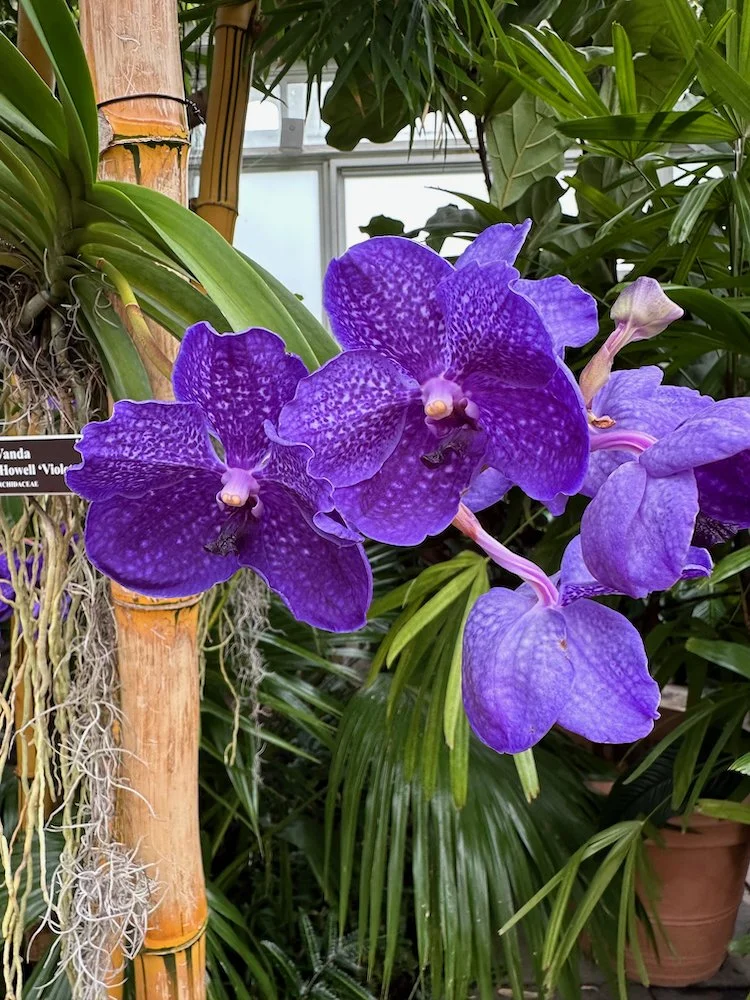
Vanda (Rainbow Orchids)
Vanda orchids are celebrated for their intense colors and broad, flat flowers, often seen in bold blues, purples, oranges, and spotted forms. They’re attention-grabbers and demonstrate the spectacular range of patterns in orchids. 
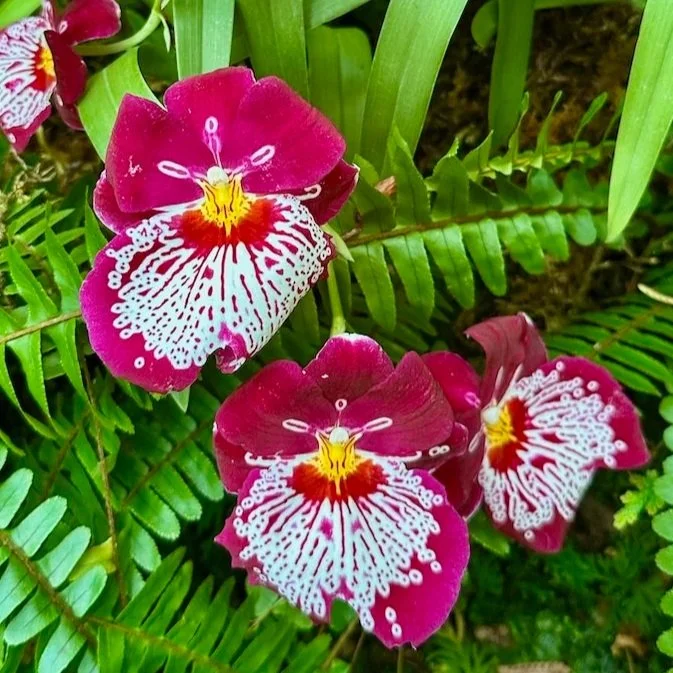
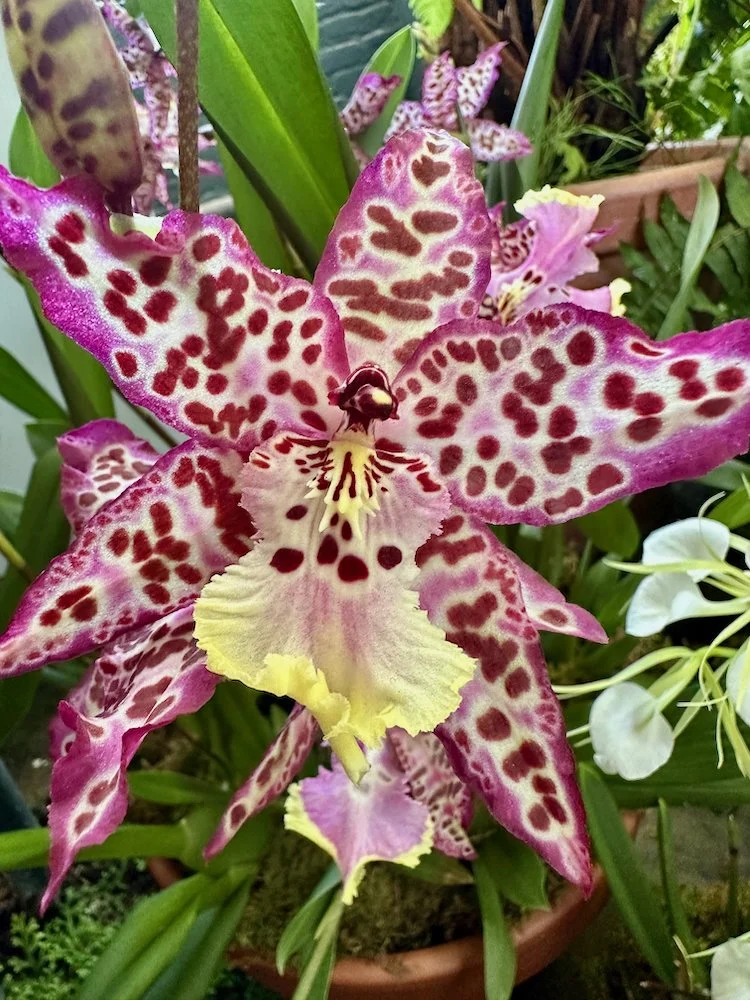
Miltonia (Pansy Orchids)
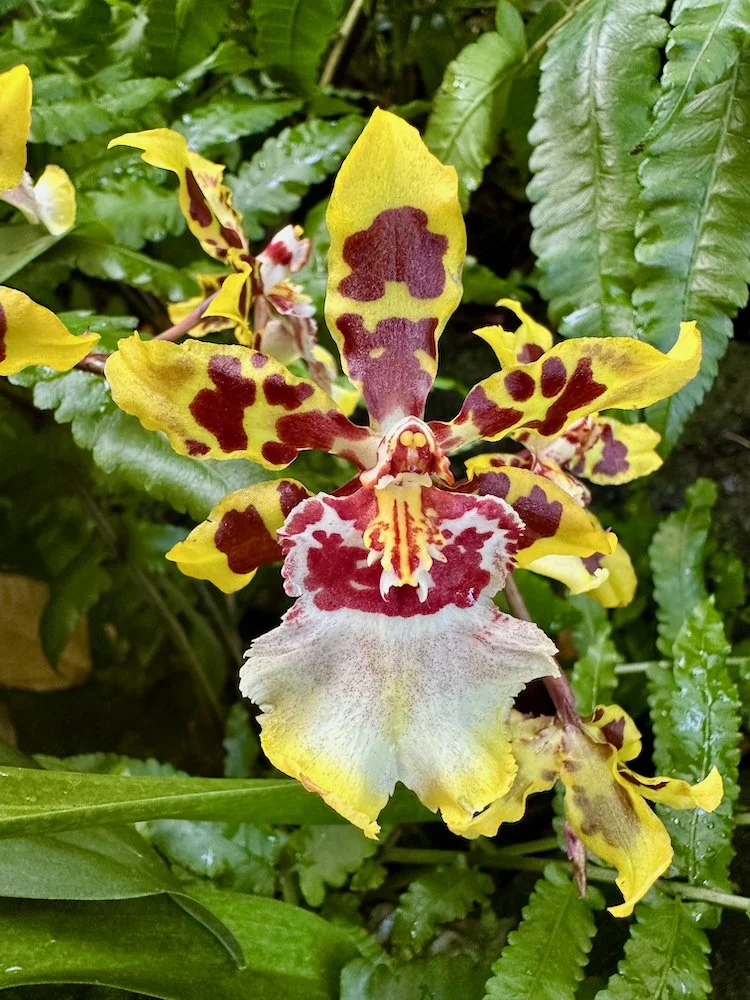
These orchids resemble pansies with broad, flat petals and often have intricate markings and soft color transitions, making them a favorite for designers and visitors alike. 
The Orchid Show also includes educational programs that are especially valuable for gardeners. On select weekends, visitors can join Orchid Basics Q&A sessions with NYBG’s expert horticulturists, getting practical tips on recognizing species traits, understanding cultural needs, and troubleshooting common issues. Other lectures bring insights into how orchids are collected, preserved, and studied, giving gardeners a deeper appreciation for the science behind these alluring blooms. The NYBG Shop stocks a wide selection of orchids and orchid-related tools, giving gardeners a chance to bring home new plants and expert advice to nurture them. 
For those who enjoy combining horticulture with nightlife, NYBG’s Orchid Nights turn the Conservatory into an enchanting evening destination. These adults-only events pair orchid viewing with music, dancing, and refreshments in a setting that highlights the sensual appeal of orchids after dark. 
For gardeners, the annual Orchid Show isn’t just a seasonal spectacle—it’s an inspirational classroom and a celebration of nature’s endless variety. Whether you come to admire rare species, gather ideas for your own greenhouse, or simply lose yourself in a riot of color and form, the Orchid Show offers a rich experience that deeply connects horticulture with art, culture, and scientific discovery.

The NYBG Orchid Show runs from Feb. 7 to April 26, 2026.

You might also like:
Gardens Under Glass

January and February are the toughest months for gardeners with snow, ice and bitter, cold winds making forays into the garden unpleasant. An afternoon spent in a warm, lushly planted greenhouse is a welcome respite from our Northeast winter. So call one of your gardening friends and make a date to visit one of our local gardens under glass.

courtesy of wellesley college

Wellesley College Global Flora Conservatory

The Global Flora conservatory at Wellesley College is a part of the Wellesley College Botanic Garden. This new conservatory was built in 2019, and houses plants from every continent except Antarctica. Global Flora includes three sections: the Camellia Pavilion, the Dry Biome, which includes plants adapted to desert and dry climates around the world, and the Wet Biome, for plants from subtropical humid regions. (wellesley.edu/about-us/offices-departments/wellesley-college-botanic-gardens)

Roger Williams Park Botanical Center

The Botanical Center opened in 2007, and at 12,000 square feet is the largest public indoor display garden in New England. It includes two main greenhouses: The Conservatory and the Mediterranean Room. The Conservatory has the feeling of a large courtyard surrounded by elegant tall palms. A fountain bubbles and colorful tropical plants bloom beneath stately trees. Immense birds of paradise hide among the palms, like storks in the jungle. The Mediterranean Room is built around a long stucco wall with a circular gate. A densely planted pond with giant koi dominates the room. A small waterfall and a Mediterranean fountain provide soothing background music. All in all, there are over 150 different species and cultivars of plants including 17 types of palms. (providenceri.gov/botanical-center)

Lyman Conservatory at Smith College

The Lyman Conservatory at Smith College houses over 3,000 species of tropical, subtropical, and desert plants in Lord & Burnham greenhouses. A Camellia Corridor leads to the Palm House where a titan arum opens its gigantic flower every three to five years. The Fern House features a Wardian case and New Zealand tree ferns towering above dozens of fern species. Carnivorous plants bask in the Warm Temperate House. Many varieties of orchids share the Stove House with water lilies, papyrus, sugar cane, and bromeliads. The Spring Bulb Show is a delight in March. (garden.smith.edu)

Briggs Garden and Home

Briggs Garden and Home is a family-owned and operated nursery dating to 1961, when the business began as a landscape design and build company. Today the nursery has one of the largest greenhouses in the area, stocked with tropicals, citrus trees, herbs, and baskets overflowing with gorgeous annuals. The retail store is beautifully designed and staged, with a huge selection of garden necessities, ornaments and accessories. There are candles, glass balls, ceramic fish, birdhouses, and elegant glass containers for the terrariums. A charming café allows you to linger over a cappuccino or fruit smoothie and indulge in a sandwich or pastry. (briggsgarden.com)

New England Botanic Garden

New England Botanic Garden’s Orangerie and Limonaia conservatories showcase beautiful collections of subtropical plants, camellias, and citrus trees. The Orangerie is a charming 18th century style greenhouse with potted plants arranged in artful combinations of complementary foliage color, texture and bloom. Statuary, seating nooks, fountains with trickling water and the scents of many blossoms add to its magical charm. The Limonaia – Italian for “Lemon House” – features lemon trees with fruits in many forms and colors, from the school-bus yellow Meyer lemons to the soft-ball sized Ponderosas. Mingling with the lemon trees are camellias, ferns, bougainvillea and forced narcissus. It’s a feast for the senses. (nebg.org)

Isabella Stewart Gardner Museum

The exquisite courtyard garden of Boston’s Isabella Stewart Gardner Museum complements the architecture and artwork of this grand historic mansion. Known for its spring nasturtium display, this indoor city garden is a haven in all seasons. From January to February, masses of tropical plants fill the courtyard with many of shades of green, complemented by clouds of white blossoms on mature jade plants. Norfolk Island pines, tree ferns, begonias and a variety of palms create a green tapestry, while orange and yellow bromeliads, striped Draceaena and colorful crotons provide splashes of color. In late February through March, the courtyard overflows with weeping yellow jasmines and dozens of orchids: lady’s slippers, Moth Orchids, Cattleya, Oncidius, and Cymbidiums. (www.gardnermuseum.org)

Lyman Estate

Orchid and camellia lovers should also visit the Lyman Estate in Waltham, which features one of the oldest surviving greenhouse complexes in the country.  A grape house dates back to 1804, a camellia house to 1820, and an orchid house to 1840. The 100 year-old camellia trees are the stars of the Lyman Estate. Related to Camellia sinensis, which is the plant that tea comes from, Camellia japonica is a small ornamental tree valued for its beautiful, rose-like flowers. There are more than 2,000 varieties of Camellia japonica in existence, with colors ranging from white to pale pink to red, and blossoms that may be striped or speckled, and single or double in form. Visit the Lyman Estate and celebrate their camellia blooming season from early February to early March. (www.historicnewengland.org)

Logee’s Greenhouses

A listing of gardens under glass would not be complete without mentioning Logee’s Greenhouses, a destination greenhouse for avid gardeners in Danielson, Conn. In 1900, founder William D. Logee bought a small Ponderosa Lemon tree from a grower in Philadelphia. It was know as the “American Wonder Lemon” because the fruit could get as large as five pounds. Planted in the original greenhouse on the property, the same tree still stands today and is reliably producing five-pound lemons every year. Thousands of lemon trees have been propagated from this original plant. Logee's Greenhouses is renowned for its collection of tropical and exotic plants including a large selection of passion flowers, Angel’s Trumpets, orchids, begonias, jasmines, and of course, citrus trees. (www.logees.com)

New York Botanical Garden

The New York Botanical Garden is a destination year-round. Its Lord & Burnham Conservatory is a remarkable example of Victorian-style glasshouse artistry. It is home to lush tropical rain forests, cactus-filled deserts, orchids, palms, aquatic and carnivorous plants, and seasonal displays. Of special note is the annual Orchid Show, which begins in March. Designed with a different theme each year, it features thousands of gorgeous orchids in unique displays. (nybg.org)

Longwood Gardens

The indoor garden spaces at Longwood Gardens cover more than 10 acre of amazing displays throughout the seasons. The Historic Main Conservatory is a place of perpetual bloom and elegant beauty. Stroll past green lawns, mature trees and sunken pools, surrounded by lush floral displays and massive hanging baskets of flowers. There is a whimsical indoor children’s garden, an Orchid House, a historic ballroom and organ room. The new Longwood Reimagined complex features the Roberto Marx Burle Cascade Garden and the modern West Conservatory with its Mediterranean-inspired landscape. (longwoodgardens.org/gardens)

Hershey Gardens

The Hershey Gardens Butterfly Atrium in the conservatory is a year-round attraction, with hundreds of North American and tropical butterflies fluttering through a tropical oasis. Palm trees, ti plants, hibiscus, and even the cacao tree that is used to make chocolate create a beautiful setting for leopard lacewings, Great Mormons, blue morphos, and many other butterflies and moths. A large Chrysalis Cabinet illustrates the butterfly lifecycle from egg to caterpillar, pupa, and adult. (hersheygardens.org)

A visit to one of these wonderful greenhouses will lift your spirits, fuel your creativity and make the winter seem a little shorter.


You might also like: