Royal Botanic Gardens, Kew
/
For American gardeners, a visit to the Royal Botanic Gardens, Kew—known simply as Kew Gardens—is both a pilgrimage and a revelation. Located along the River Thames in southwest London, Kew is one of the world’s most important botanical gardens, blending scientific research, imperial plant history, and breathtaking horticultural display across more than 300 acres. It is not merely a garden, but a living encyclopedia of plants.
Founded in the 18th century and significantly expanded under the influence of Sir Joseph Banks, Kew became the hub of Britain’s global plant-collecting enterprise. For American readers, it helps to think of Kew as combining the roles of the U.S. National Arboretum, a major university herbarium, and a grand public display garden—all in one historic landscape. Its scientists continue to catalogue and conserve plant species from around the world, housing one of the largest and most significant botanical collections on earth.
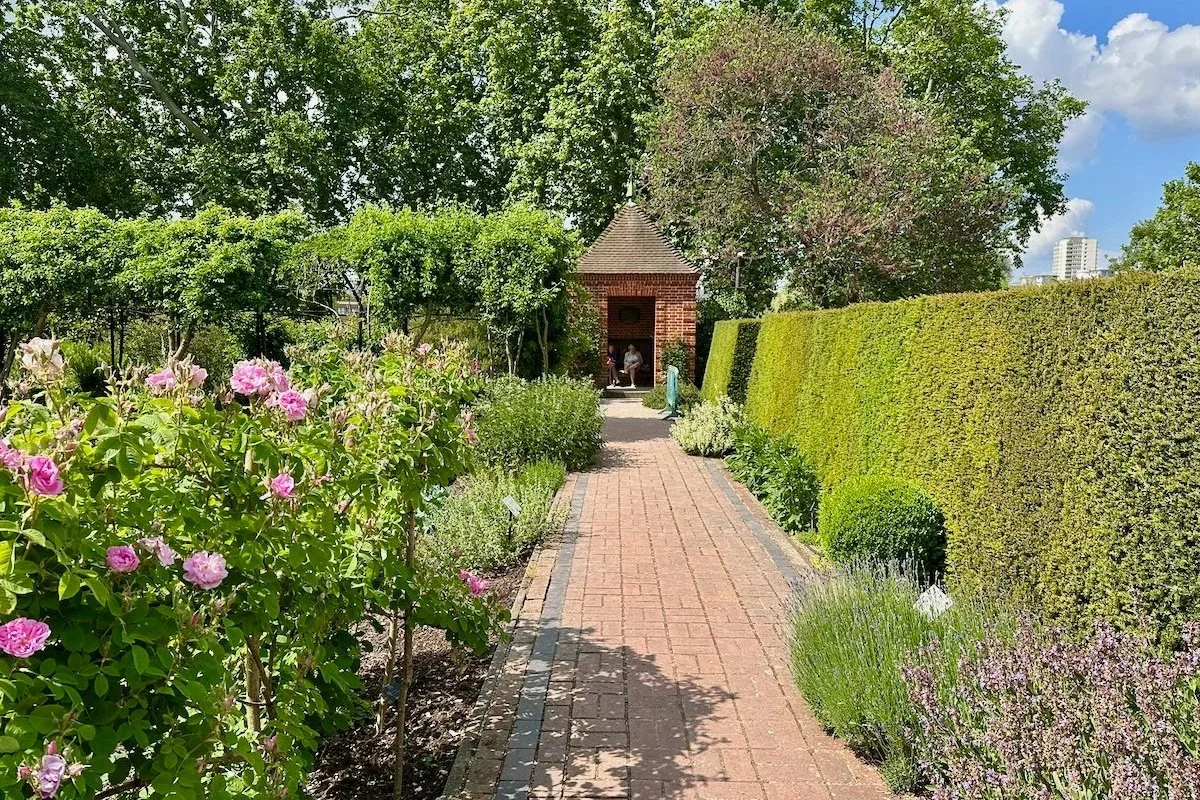
Yet Kew is far from an academic exercise. It is, above all, a gardener’s garden.
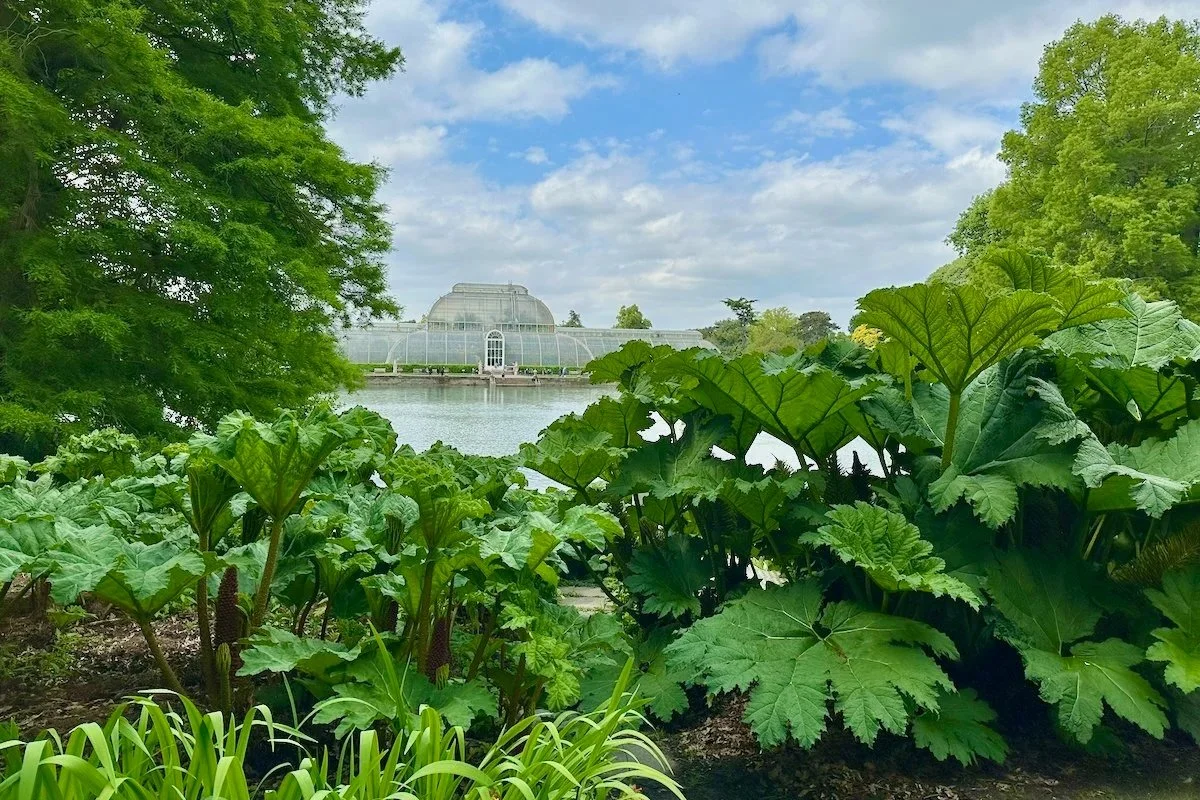
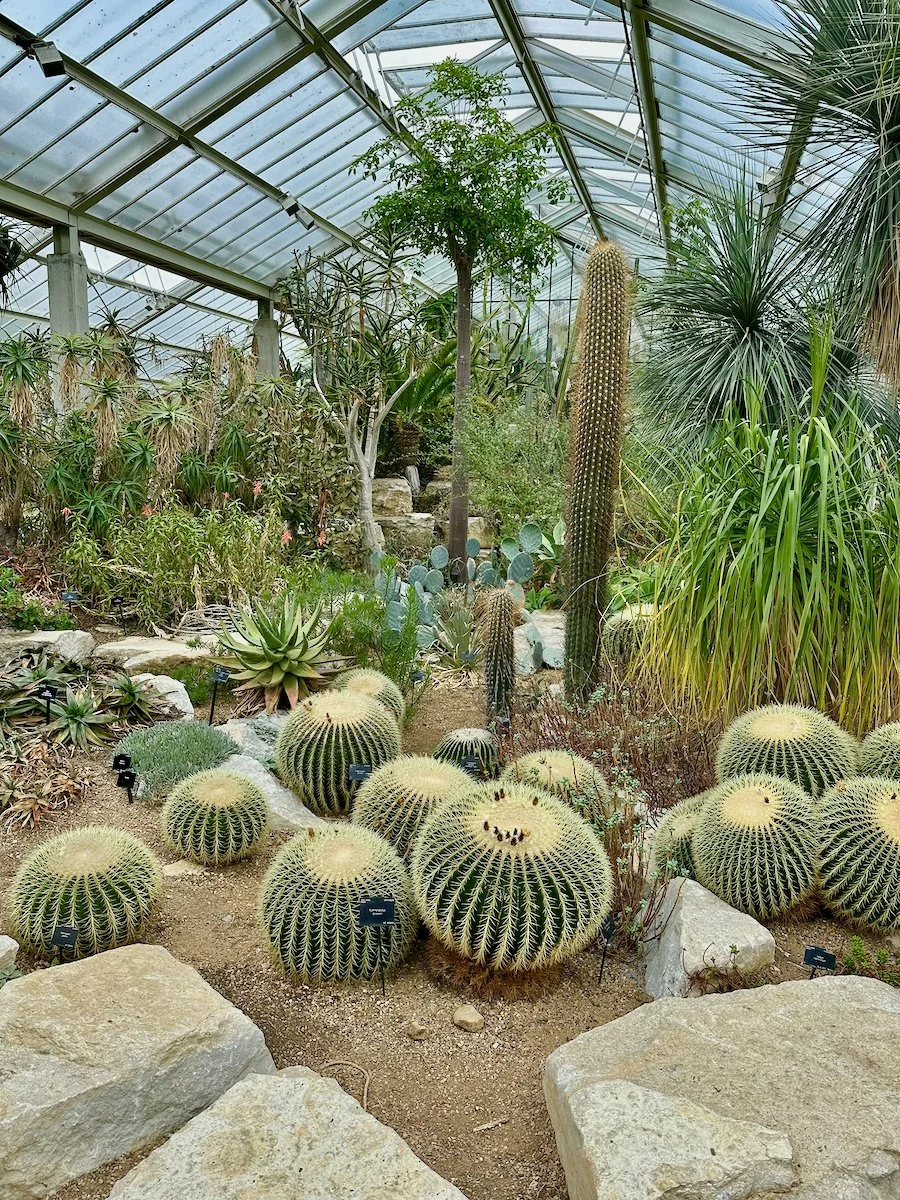
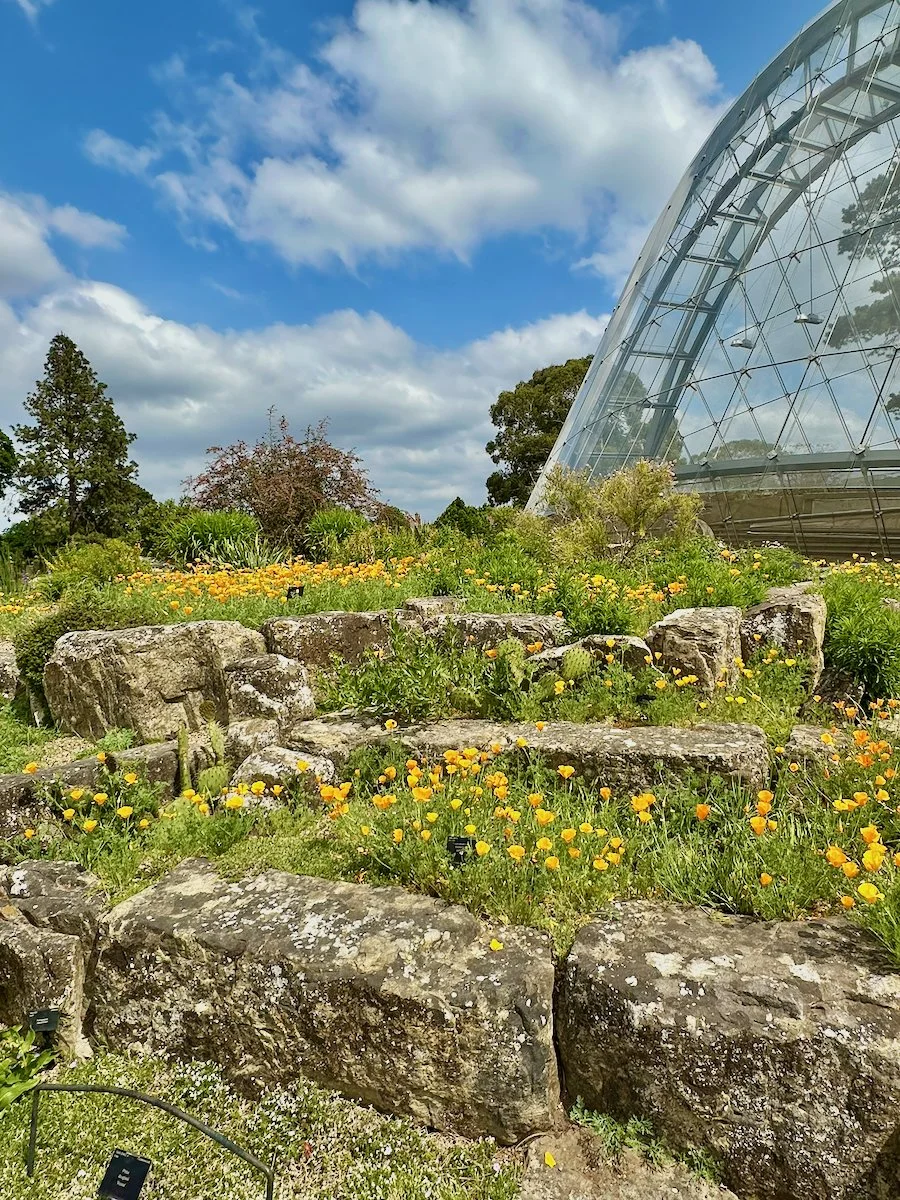
The iconic Palm House, completed in 1848, is a soaring Victorian glasshouse that feels like stepping into a tropical cathedral. Inside, cycads, palms, and tree ferns create a humid, primeval atmosphere. For gardeners accustomed to American conservatories, the scale and drama are astonishing—curving iron ribs arch overhead like the hull of a ship turned upside down. Nearby, the Temperate House—the largest Victorian glasshouse in the world—displays plants from Mediterranean climates, South Africa, Australia, and California, offering a study in water-wise gardening long before sustainability became fashionable.
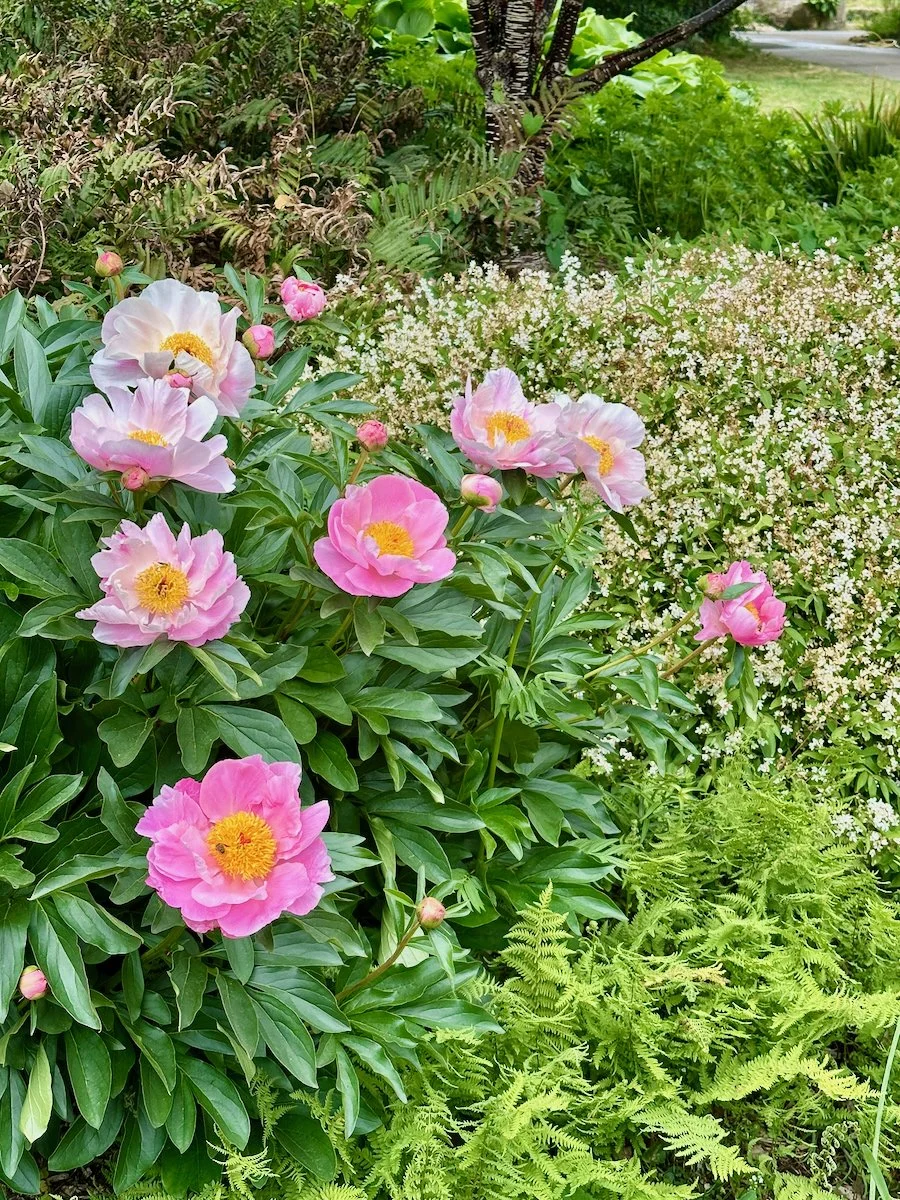
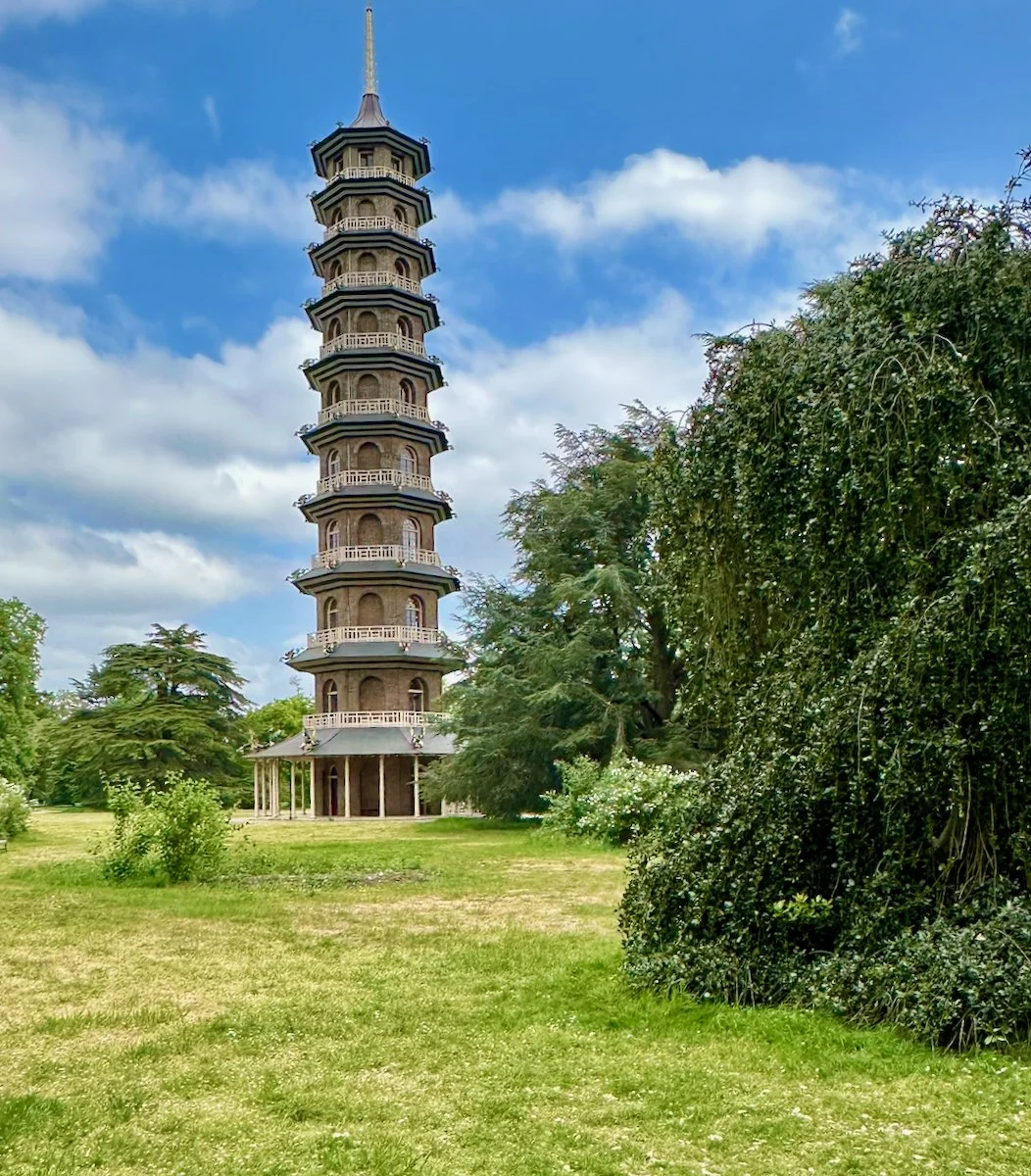
Outside the glasshouses, Kew’s landscapes unfold as a series of distinct experiences. The Great Pagoda, an 18th-century chinoiserie tower, rises above sweeping lawns and specimen trees. The Treetop Walkway allows visitors to stroll 60 feet above the ground through the canopy of sweetgum, oak, and chestnut—an experience that shifts one’s perspective from border-level planting to arboreal architecture.
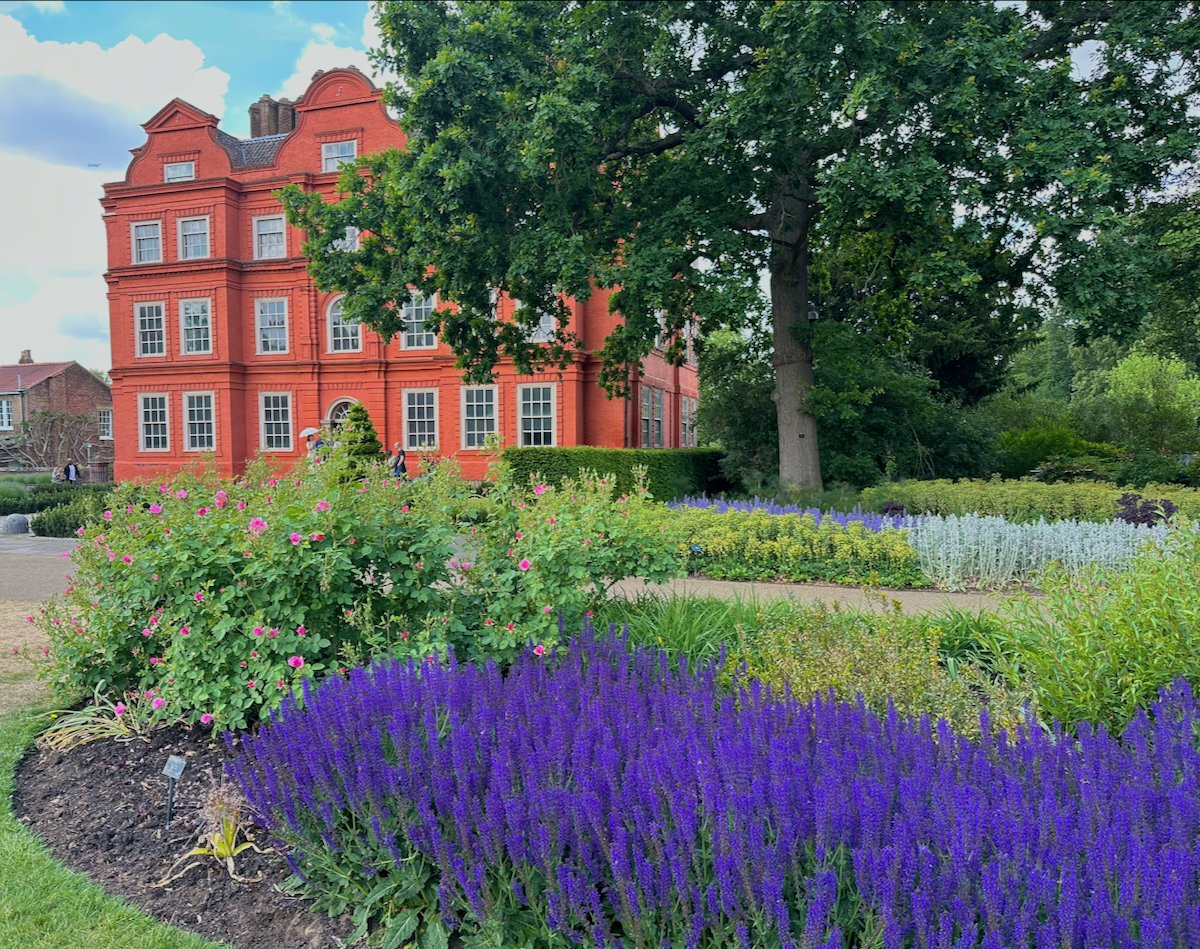
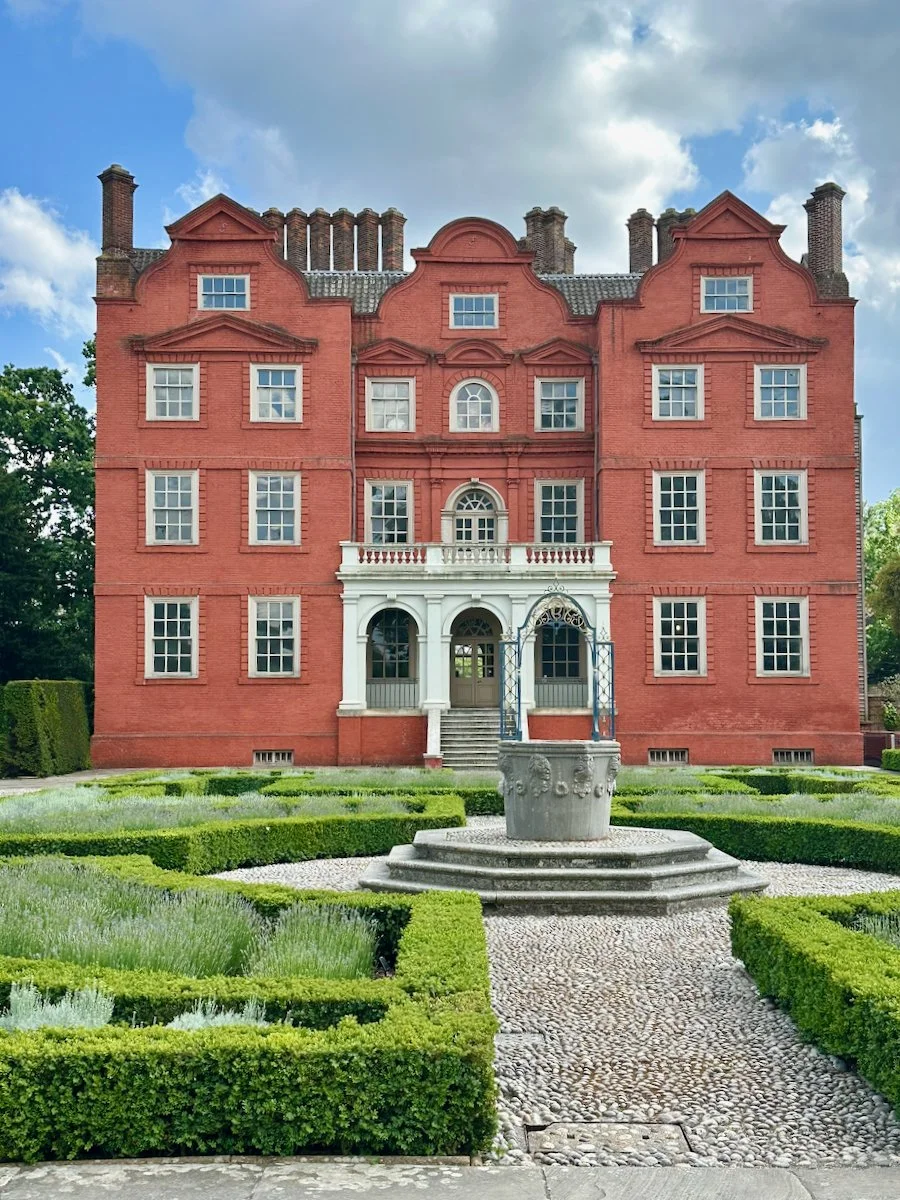
Nestled within the gardens is Kew Palace, the modest red-brick Georgian residence once occupied by King George III and Queen Charlotte, adding a layer of royal domestic history to the horticultural splendor.
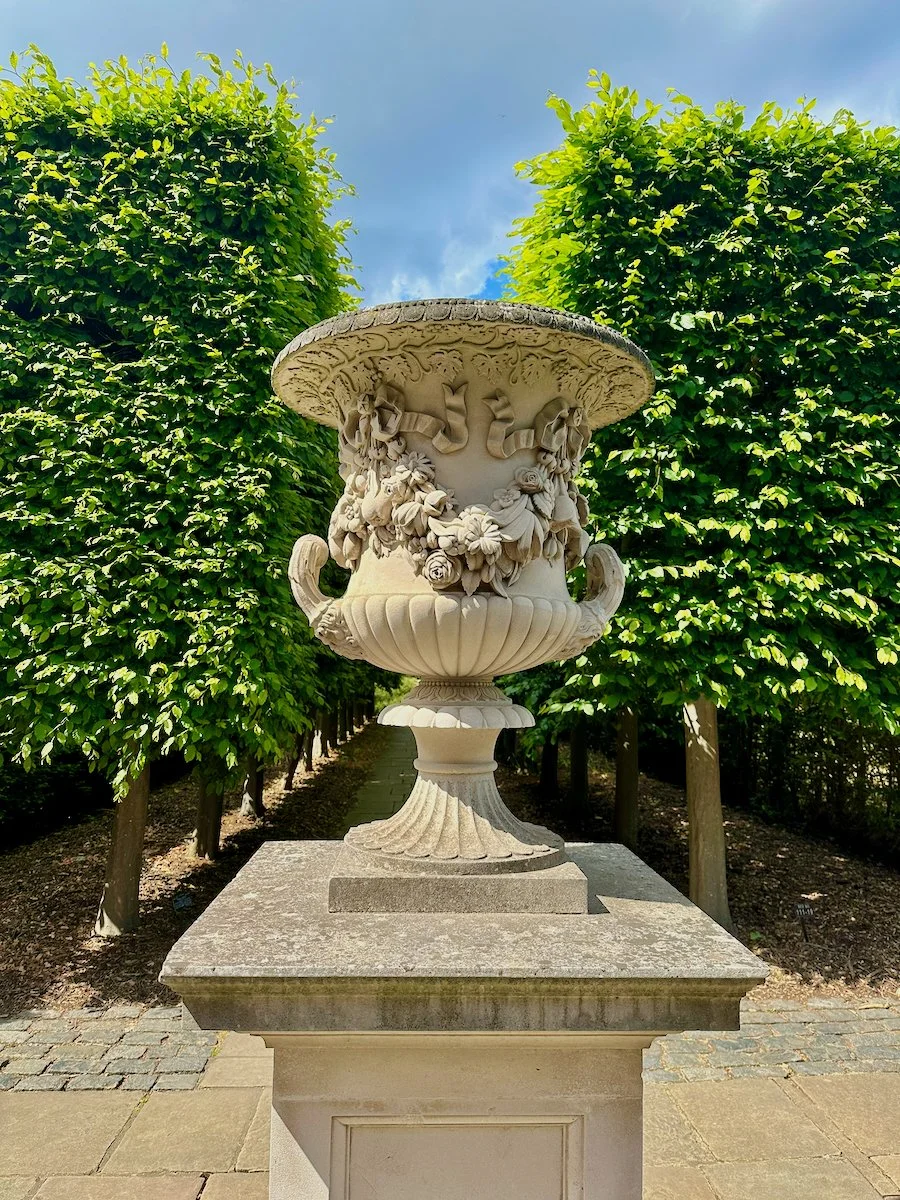
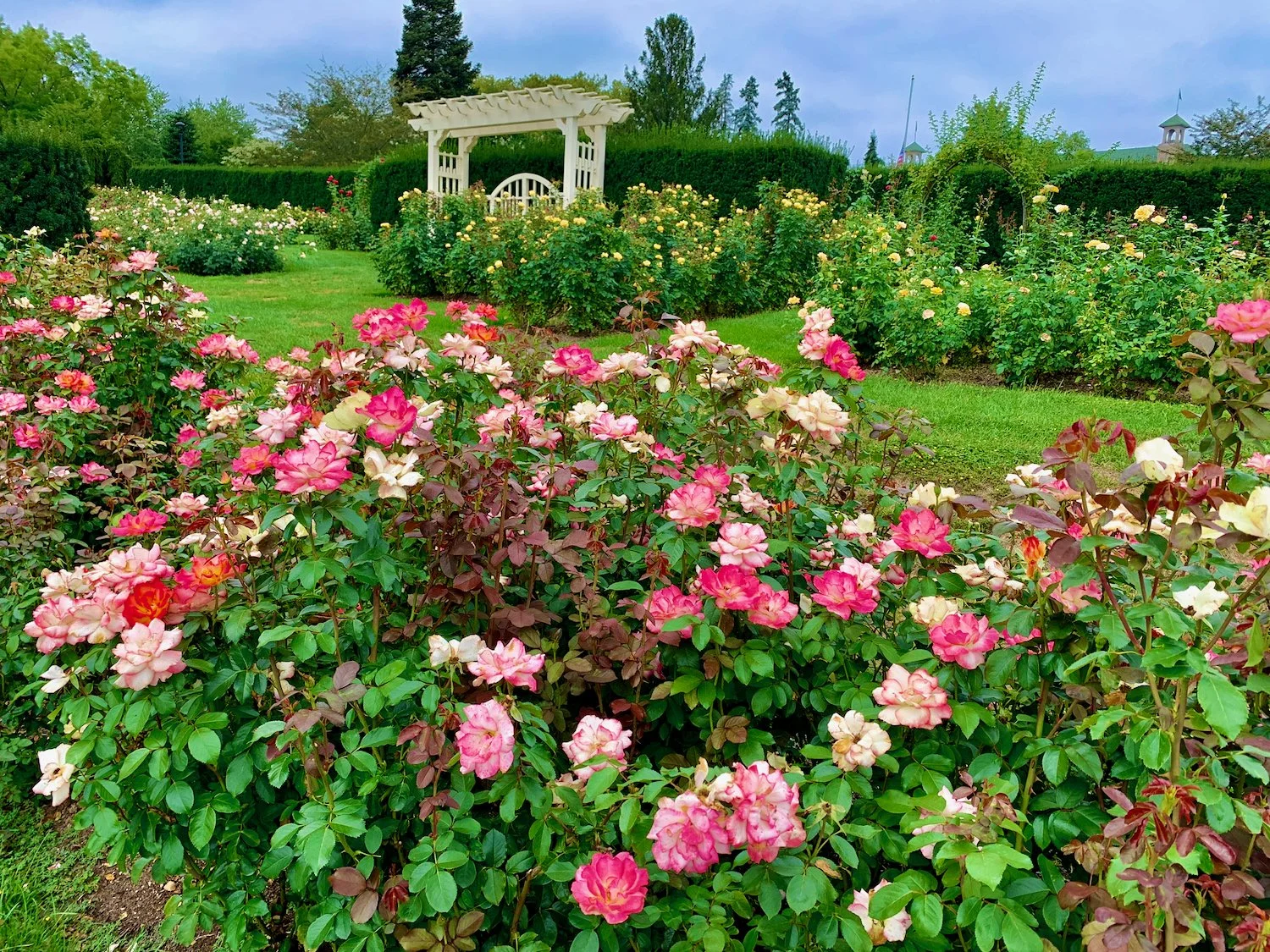
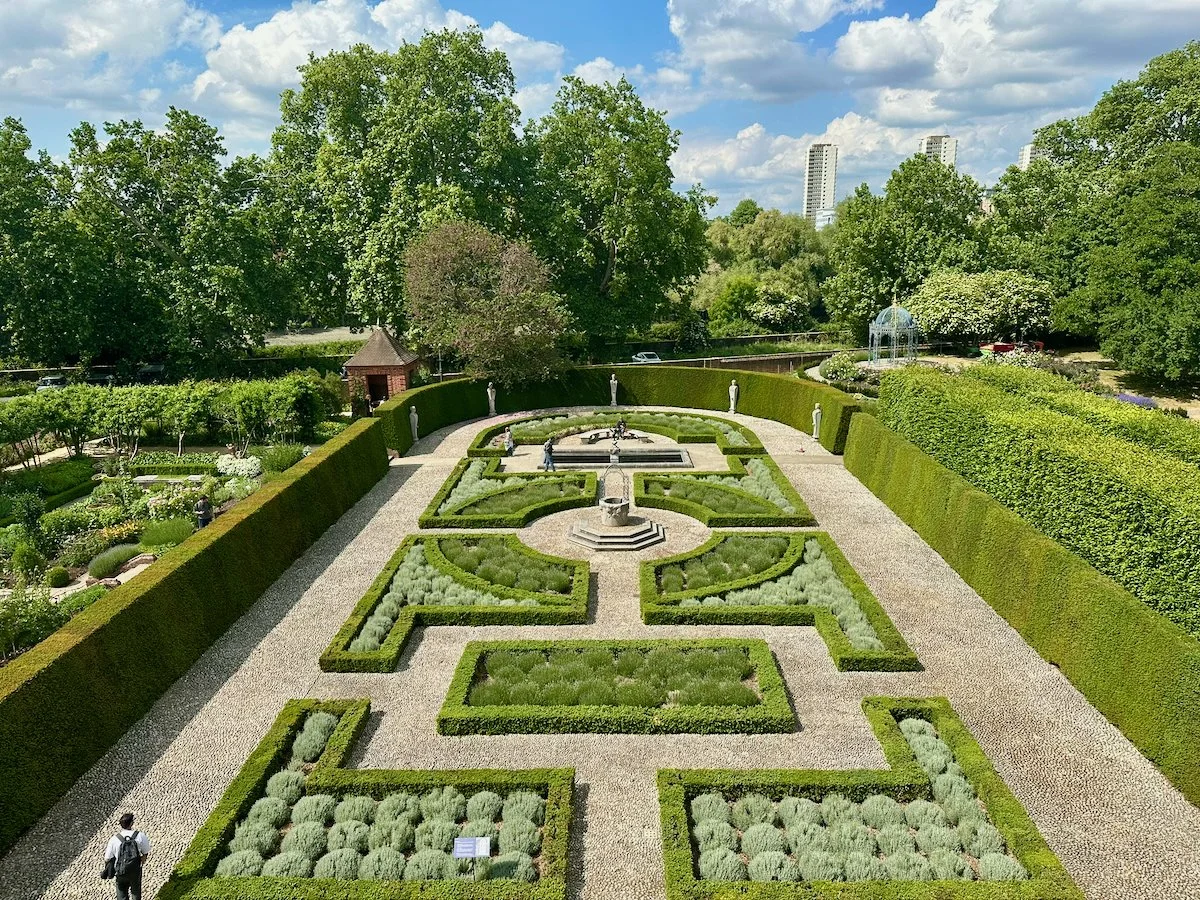
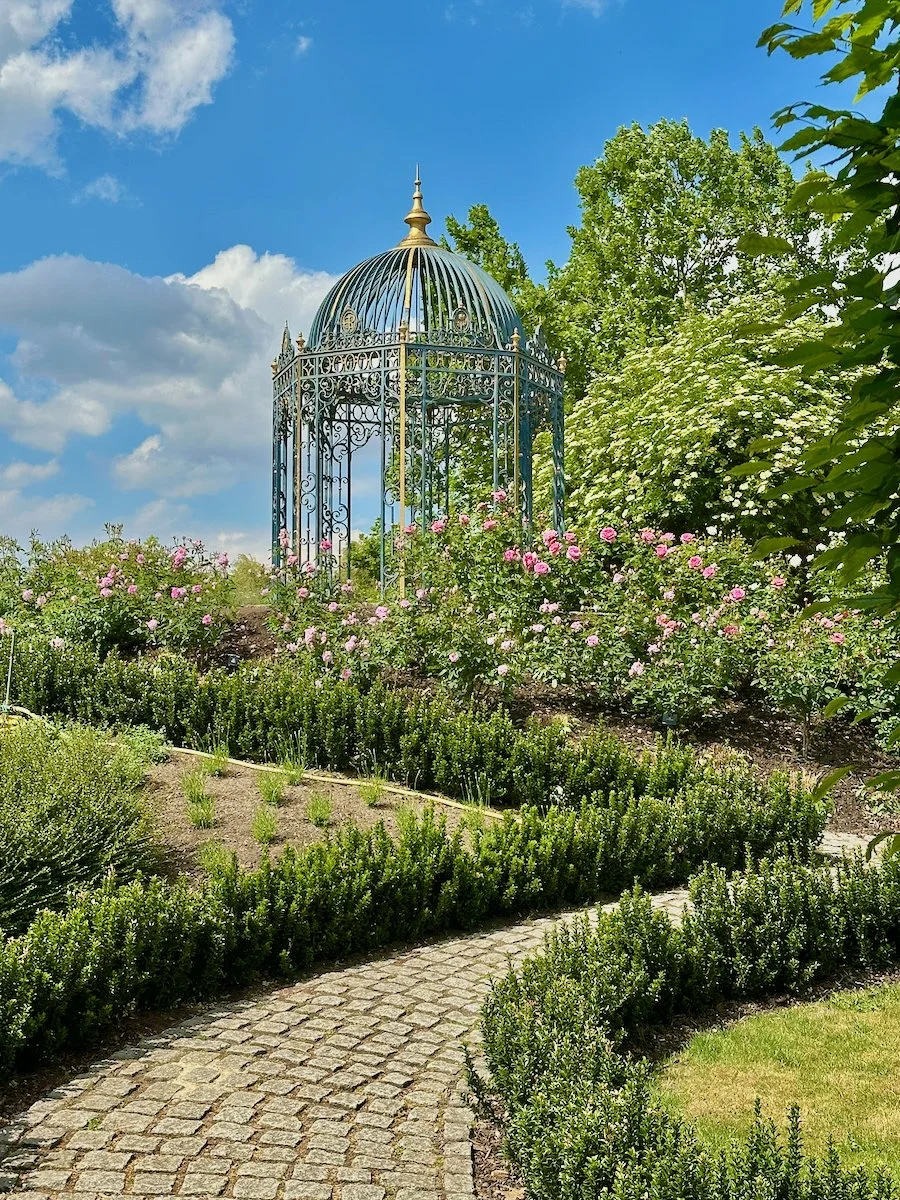
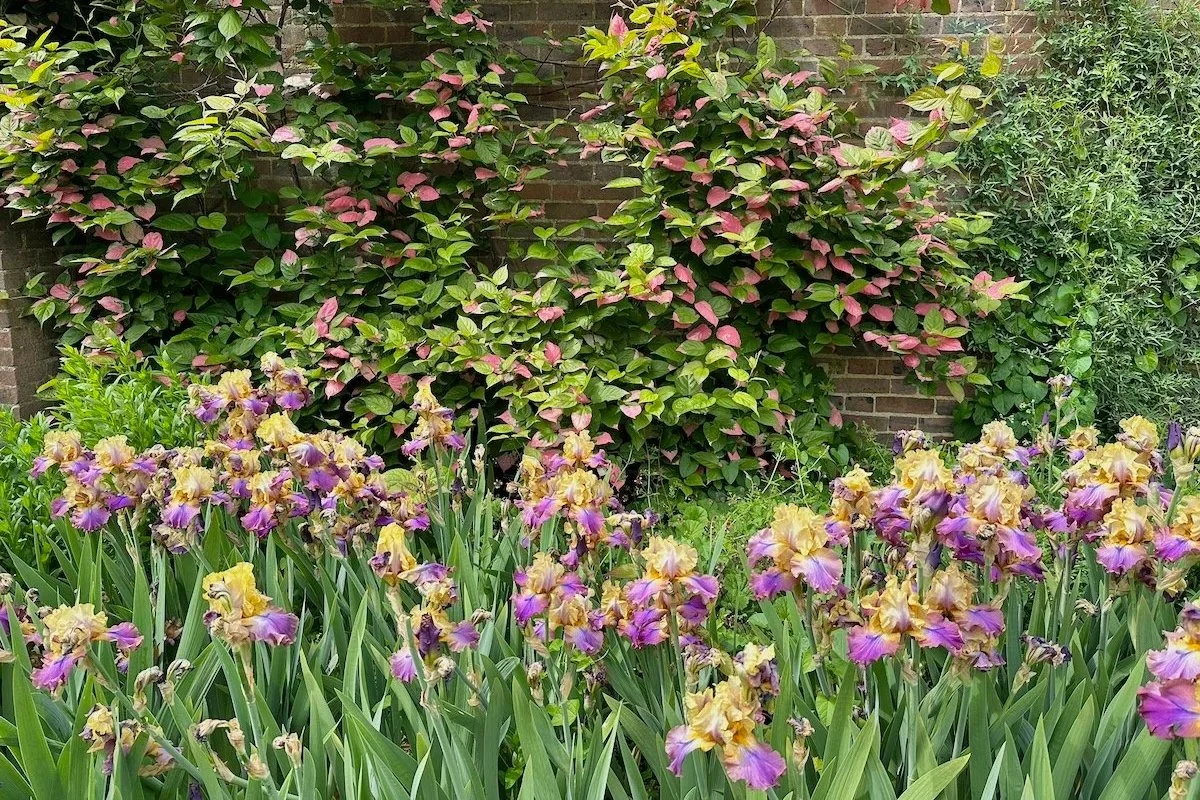
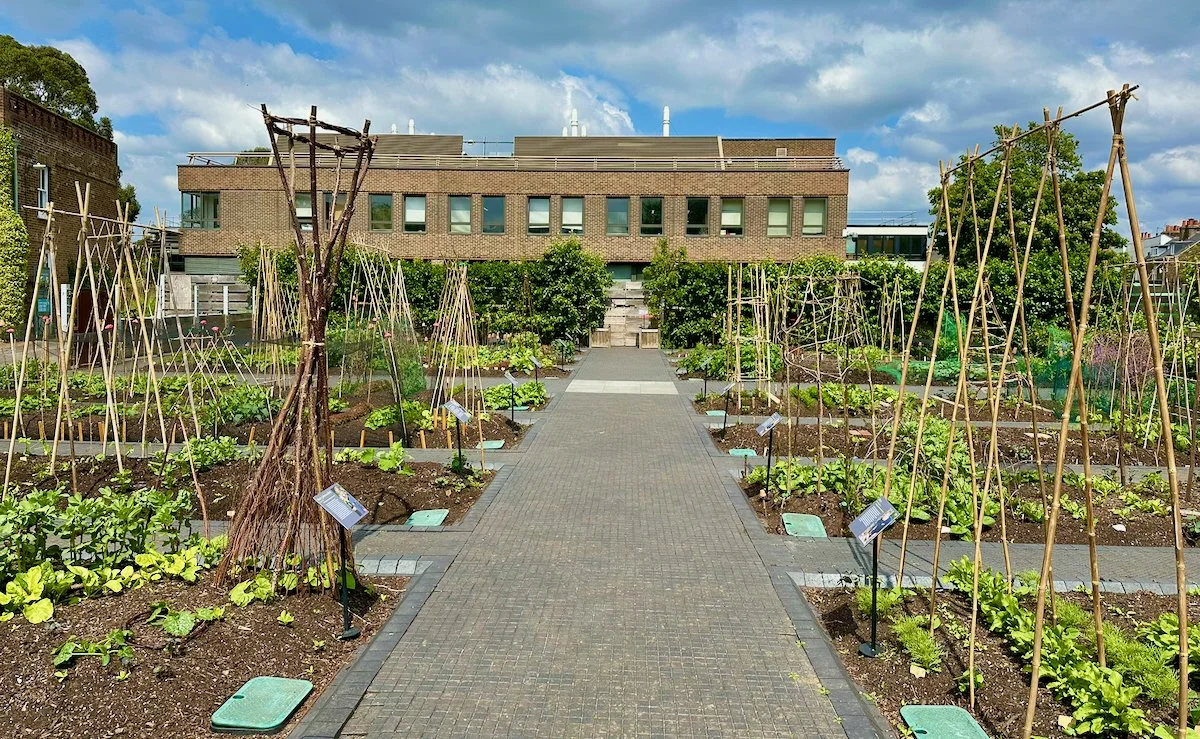
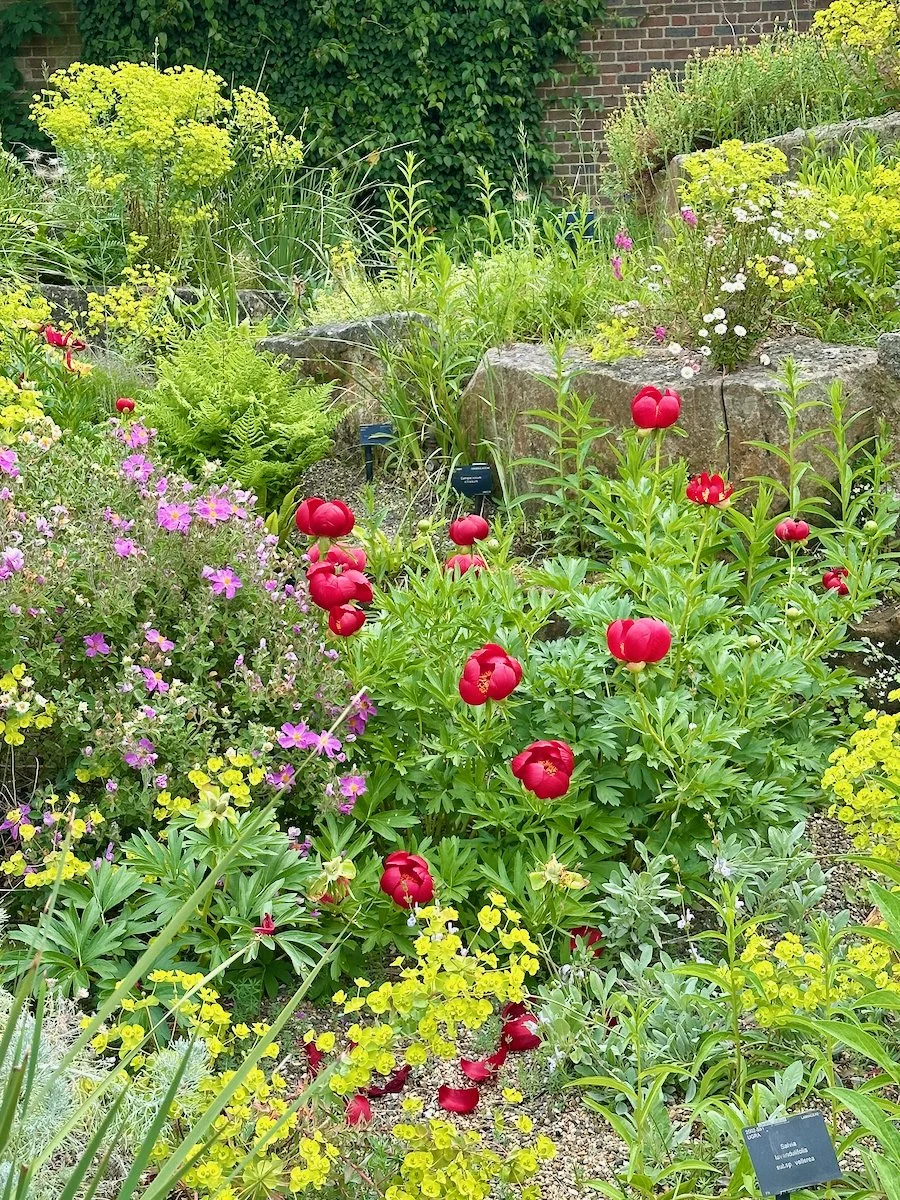
American gardeners will find inspiration in Kew’s herbaceous borders, where planting design emphasizes texture, repetition, and subtle color harmonies rather than bold bedding schemes. The Rose Garden demonstrates classic English rose culture, while the Mediterranean Garden showcases drought-tolerant combinations that translate beautifully to many U.S. climates. Even the kitchen garden feels artful, with espaliered fruit trees and geometrically arranged beds that elevate practicality into design.
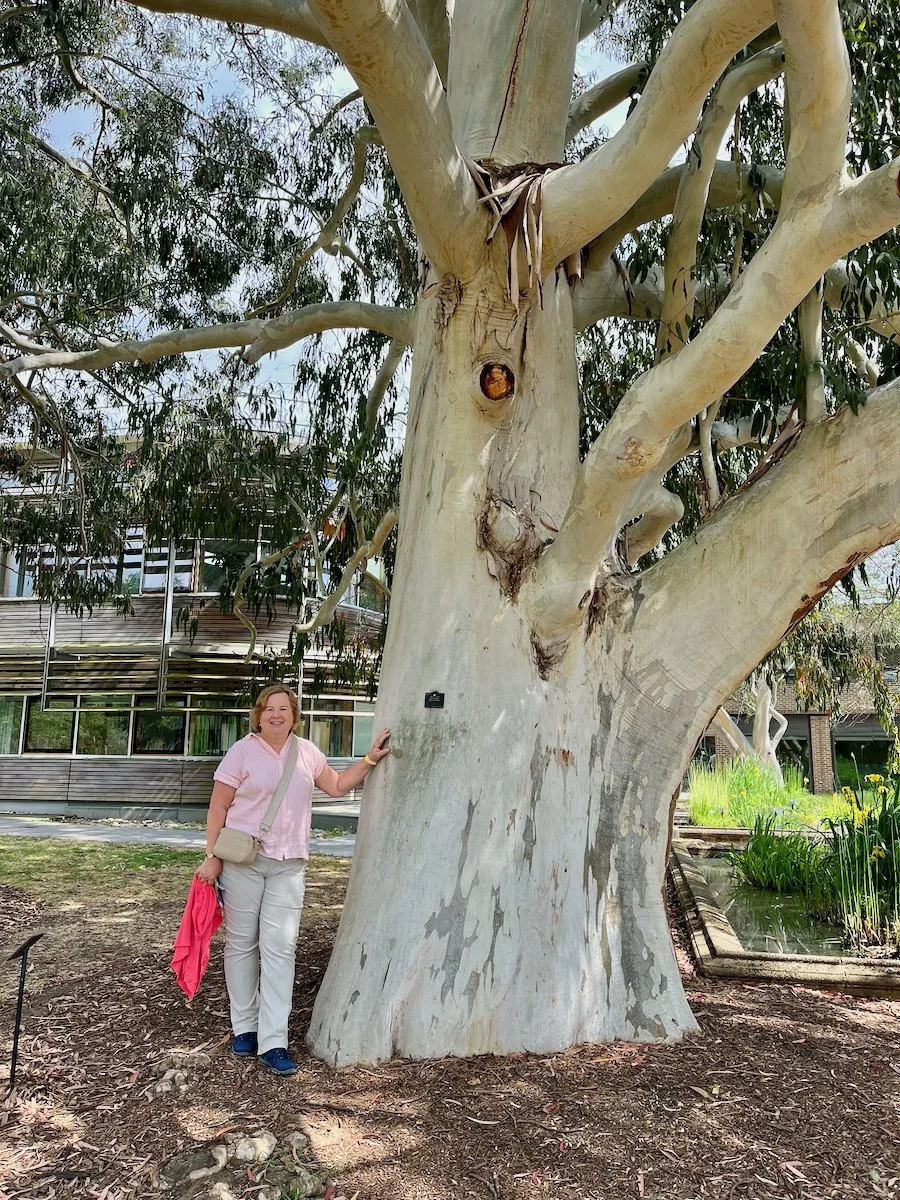
Perhaps most impressive is Kew’s arboretum. Centuries-old trees—including Lebanon cedars and majestic planes—anchor the landscape. Many American estates of the Gilded Age imported specimen trees from British nurseries influenced by Kew’s plant introductions. In this way, Kew’s horticultural reach extended across the Atlantic, shaping the plant palettes of historic American gardens.
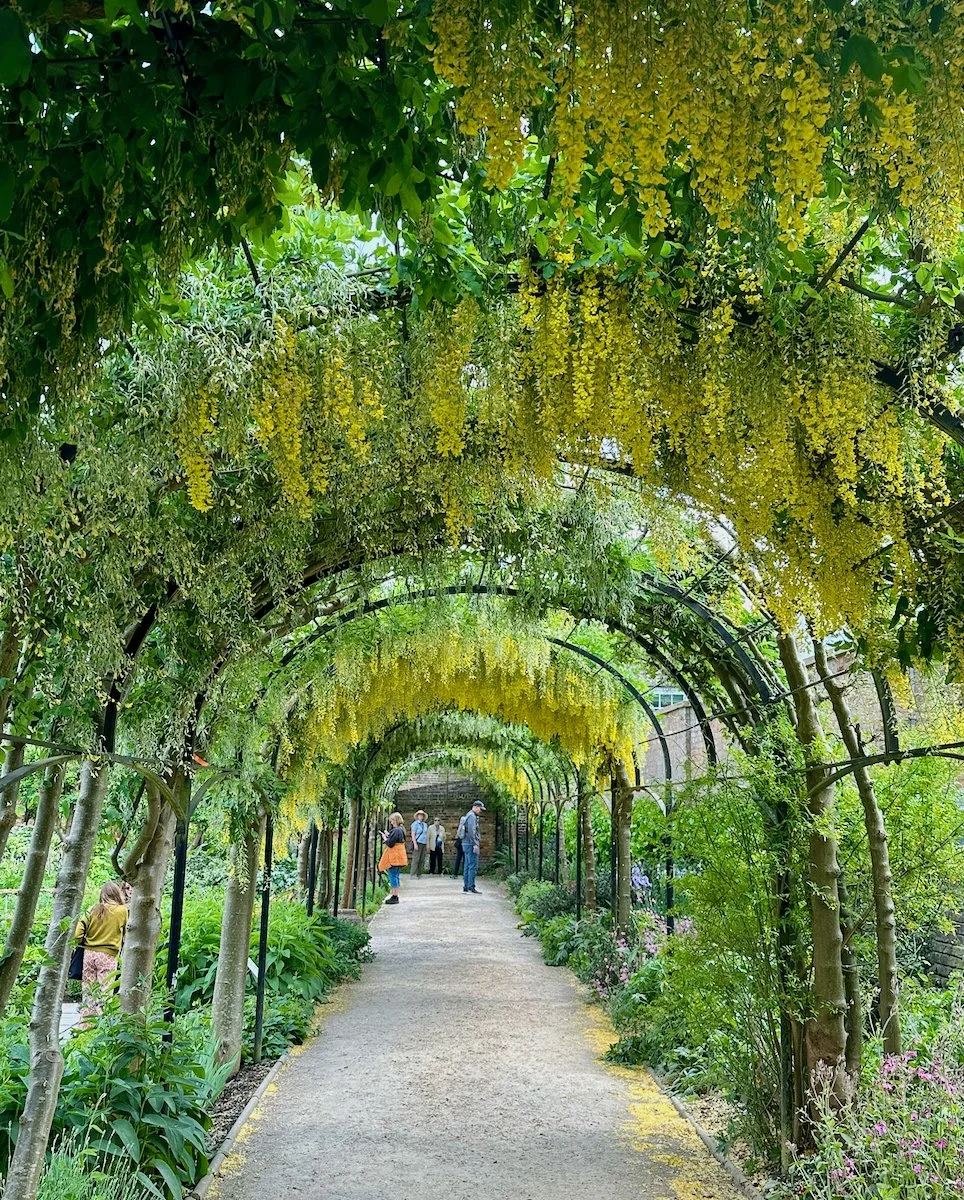
But what lingers after a visit is not just the grandeur. It is the sense of stewardship. Kew is deeply committed to plant conservation, seed banking, and climate research, reminding gardeners that beauty and responsibility go hand in hand.