Orlando's Premier Garden Destination: Leu Gardens
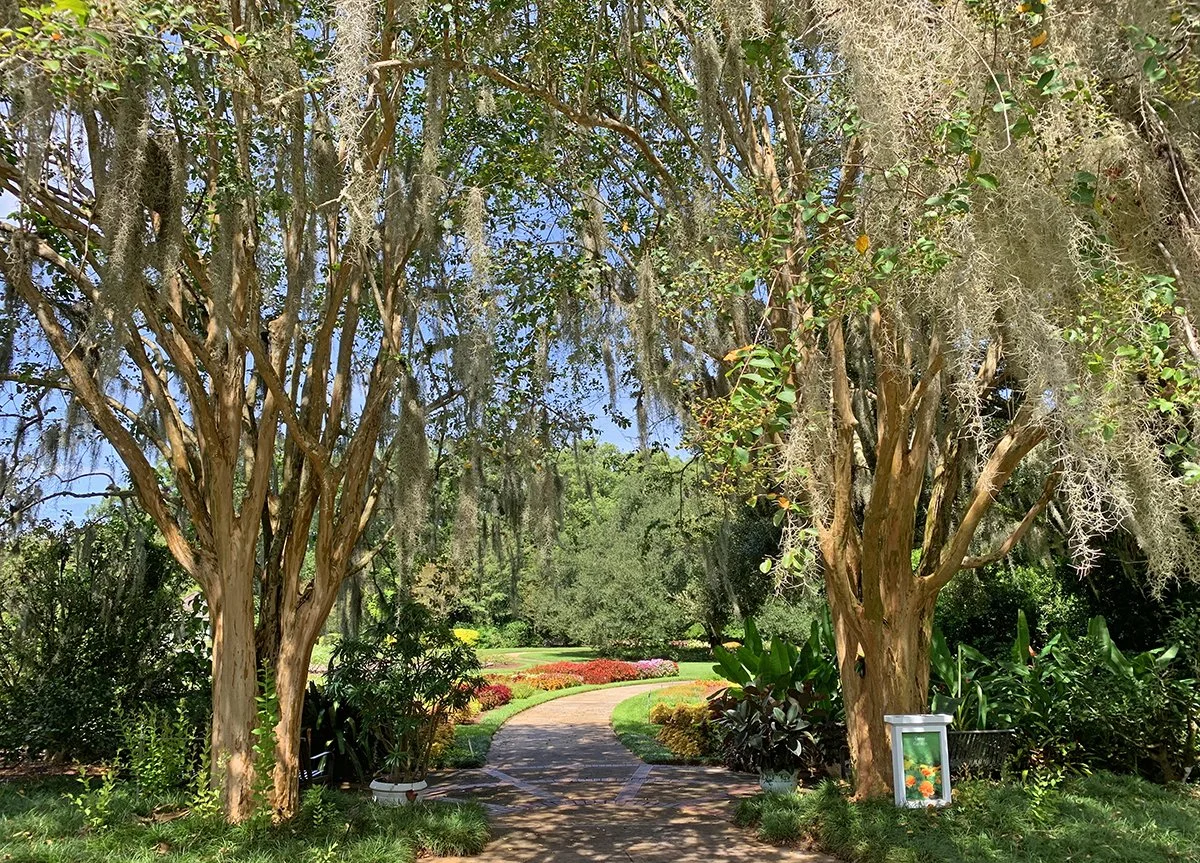
/Since my son moved to Florida for grad school in 2017 and settled in the Orlando area, I have been a frequent visitor to Leu Gardens. It is a visit that I always look forward to—a tranquil paradise that offers beauty and interesting horticulture during all months of the year.
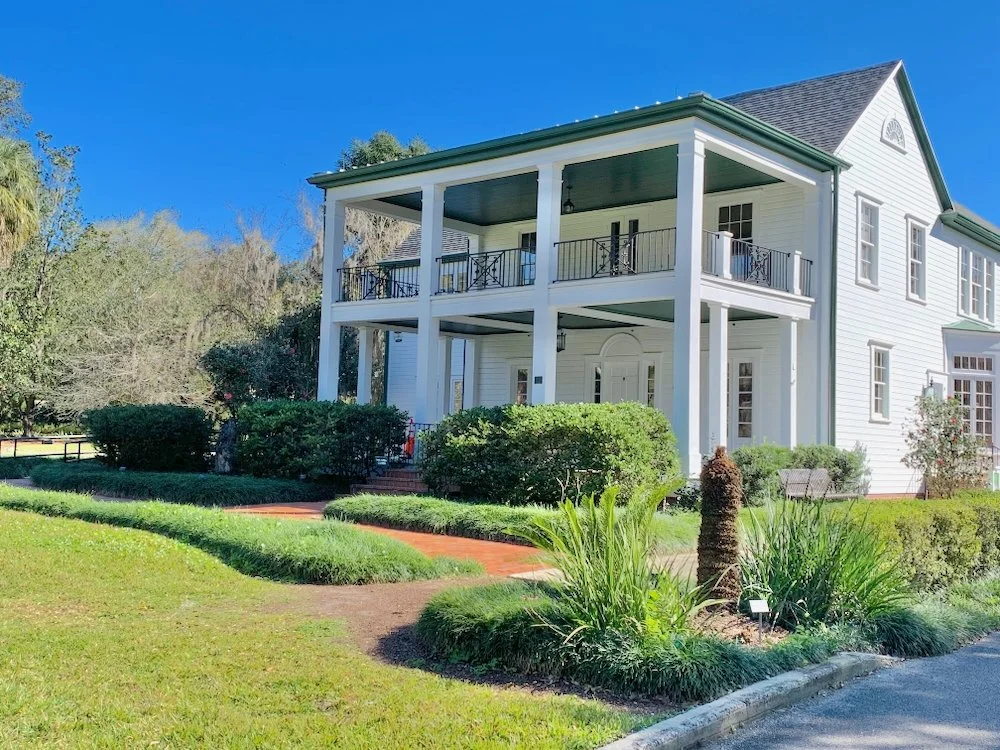
Harry P. Leu Gardens displays significant plant collections and themed gardens for the plant collector and home gardener. The gardens and historic home were deeded to the City of Orlando in 1961 by Orlando native Harry P. Leu and his wife, Mary Jane. Harry owned one of the largest industrial supply companies in Florida. The Leus purchased the 50-acre property on Lake Rowena in 1936 and restored the historic house, which dated back to the mid-1800s. Over the course of 25 years, they transformed the landscape into a local showplace featuring camellias, roses, azaleas, and exotic plants that they brought home from their travels abroad.
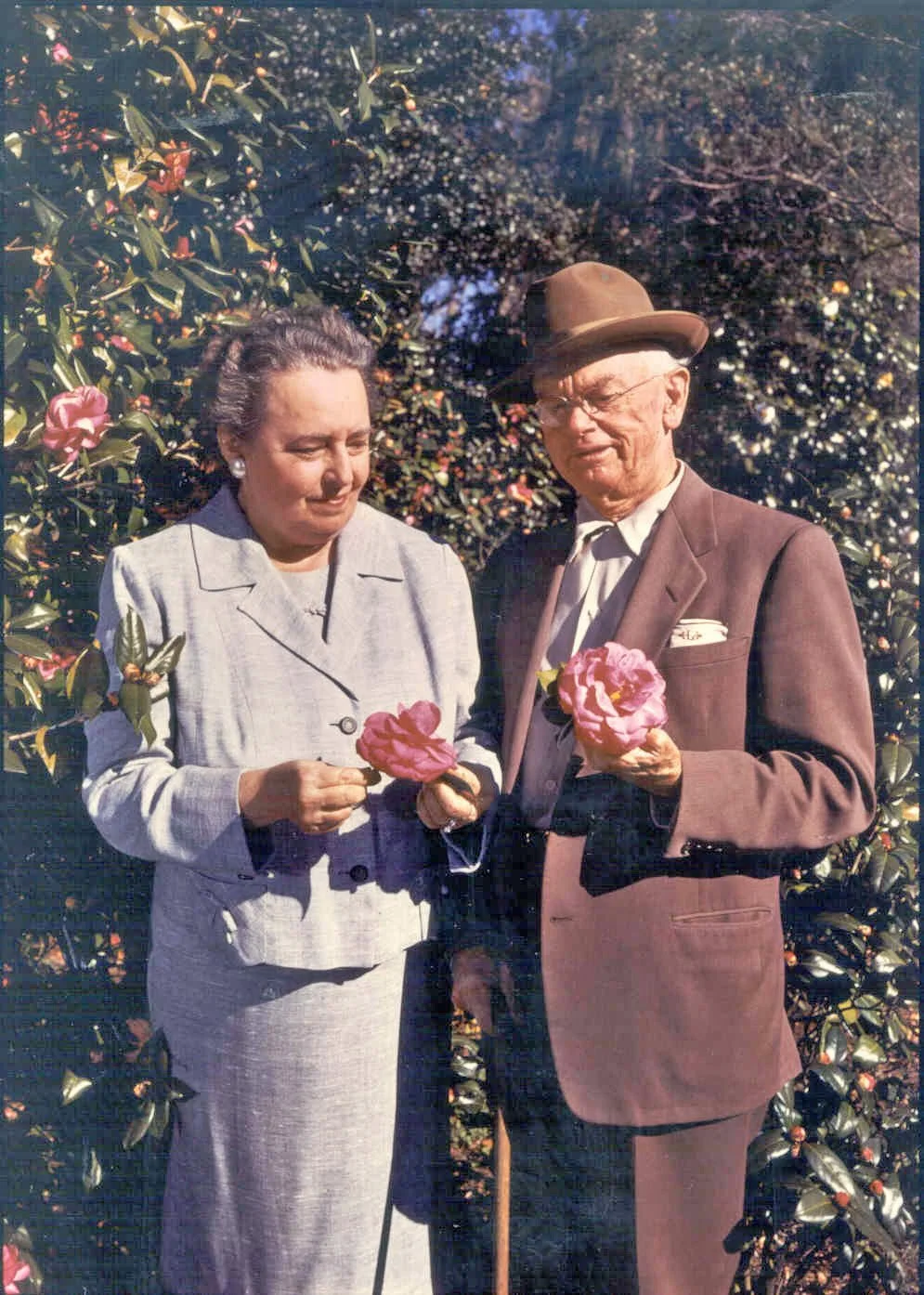
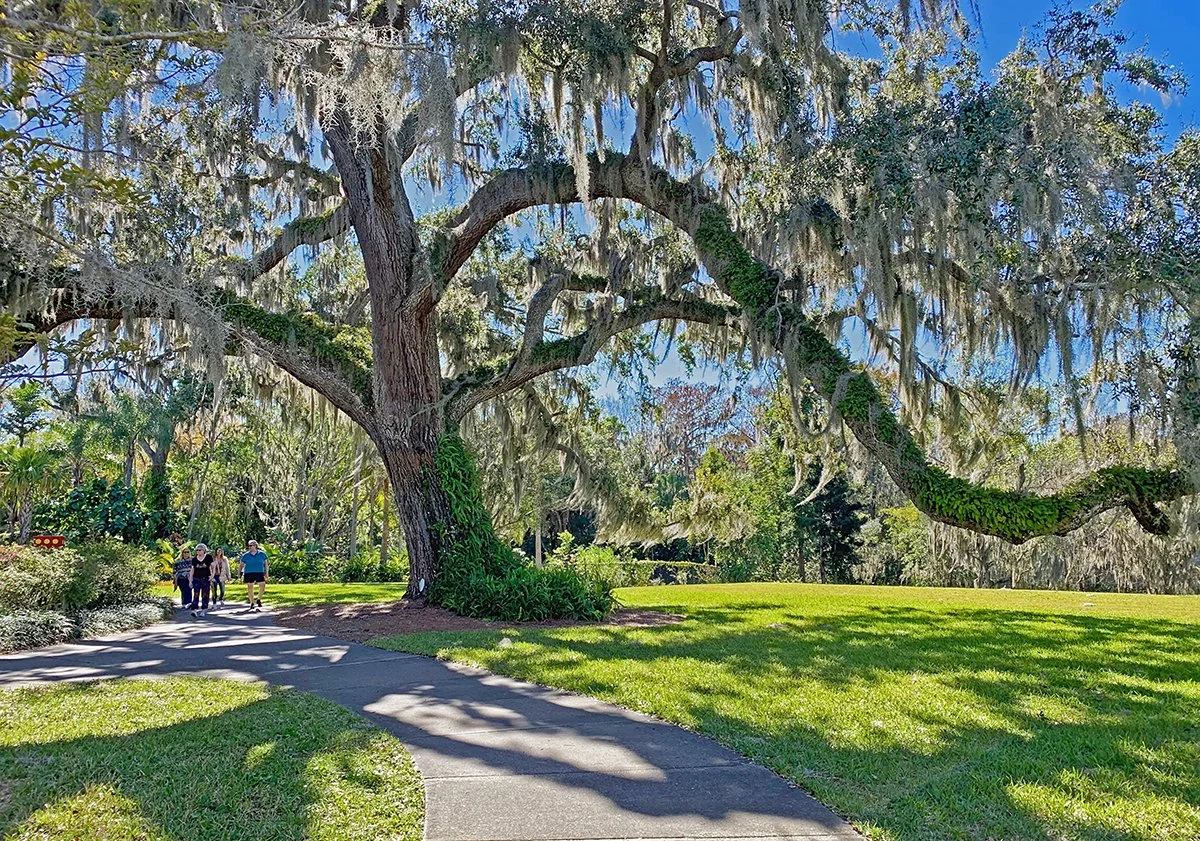
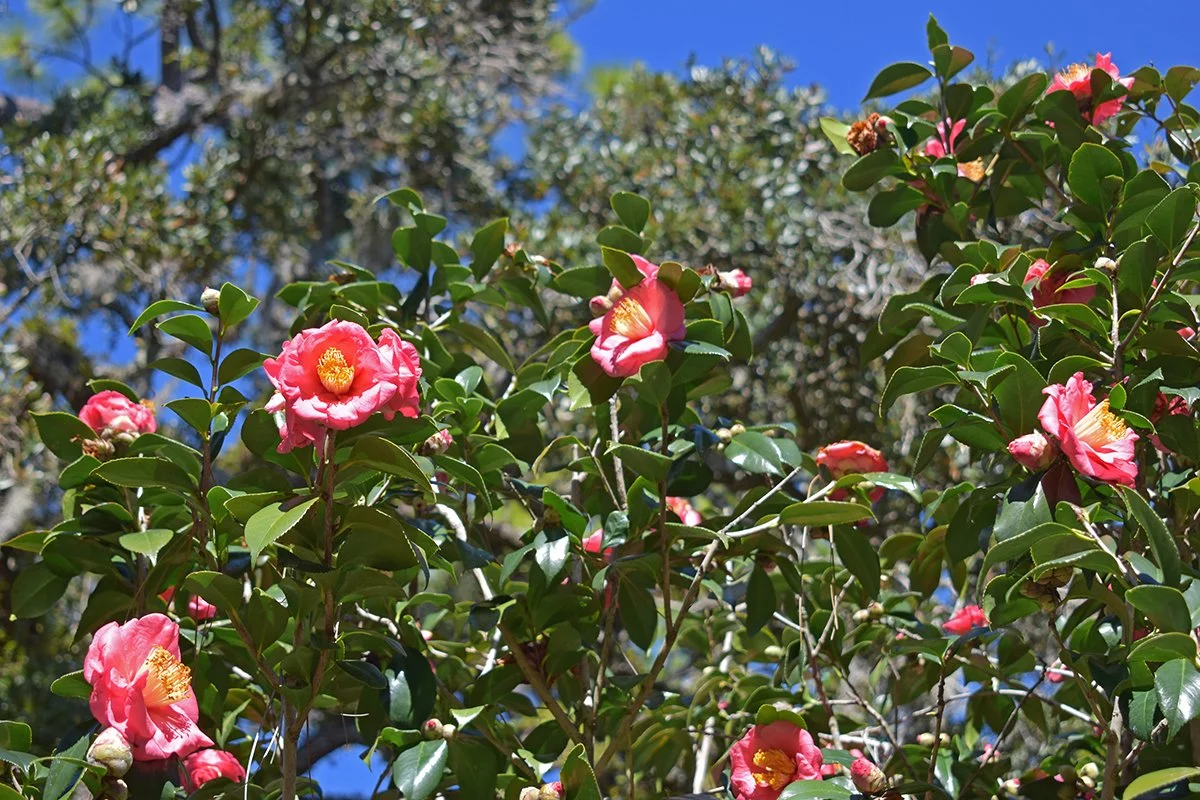
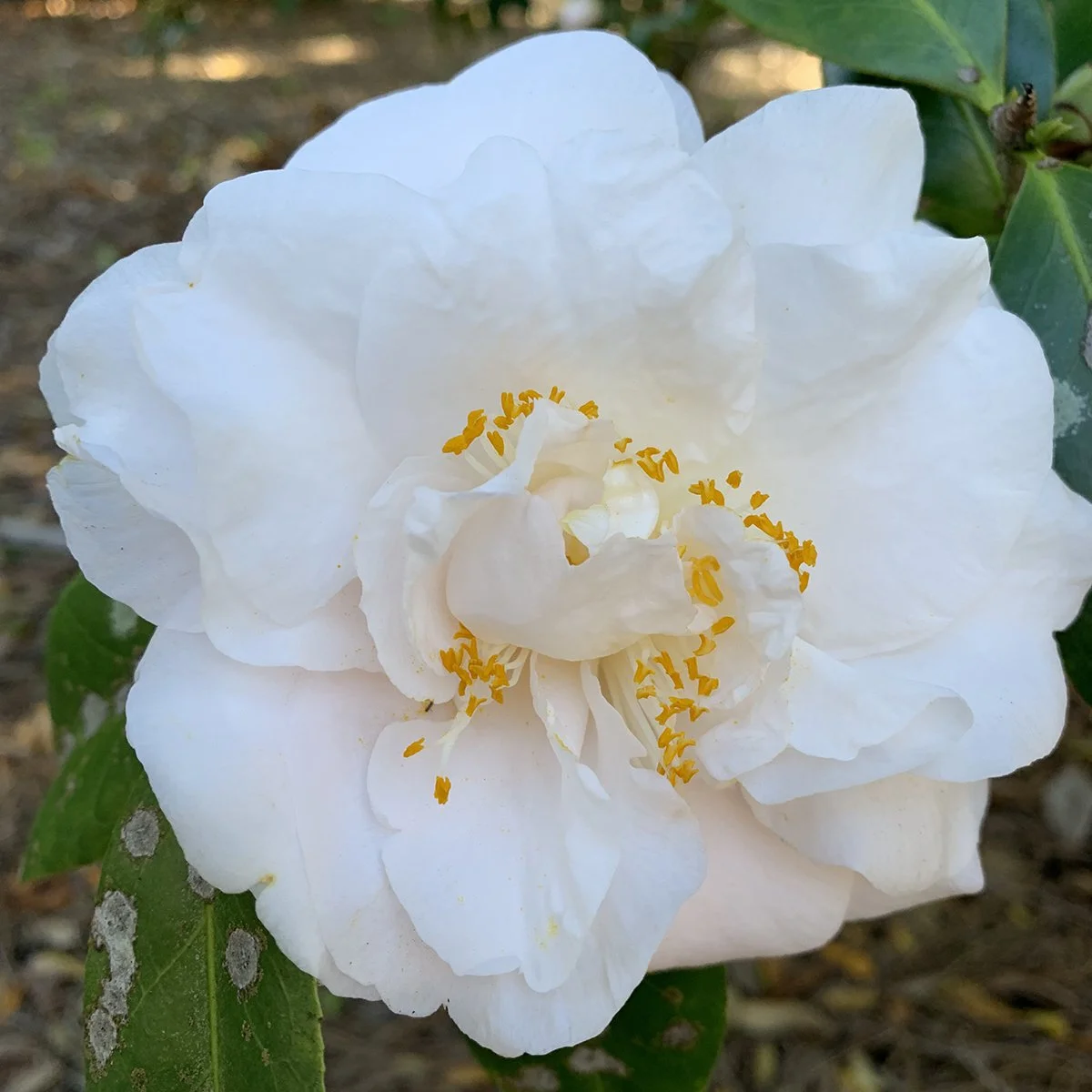
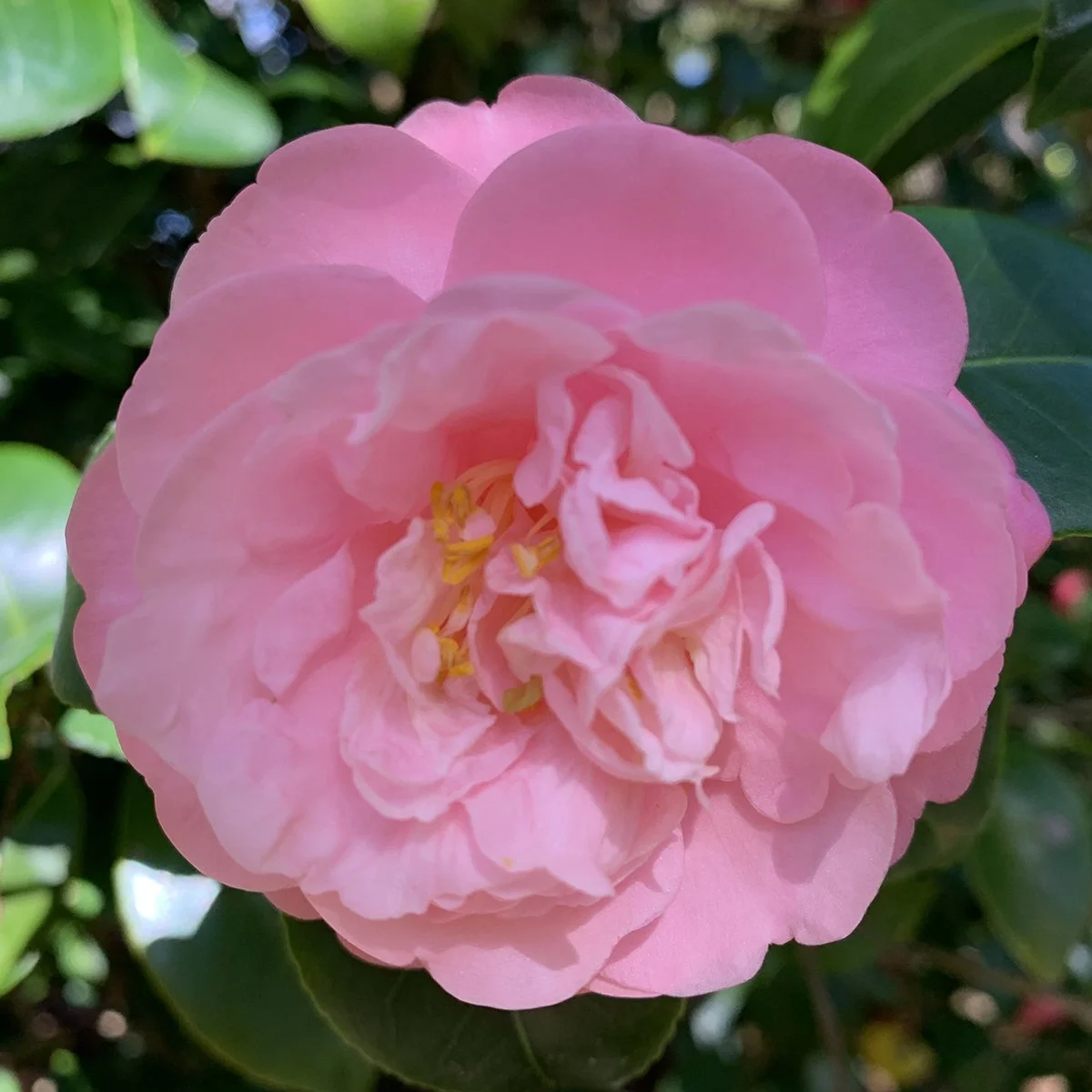
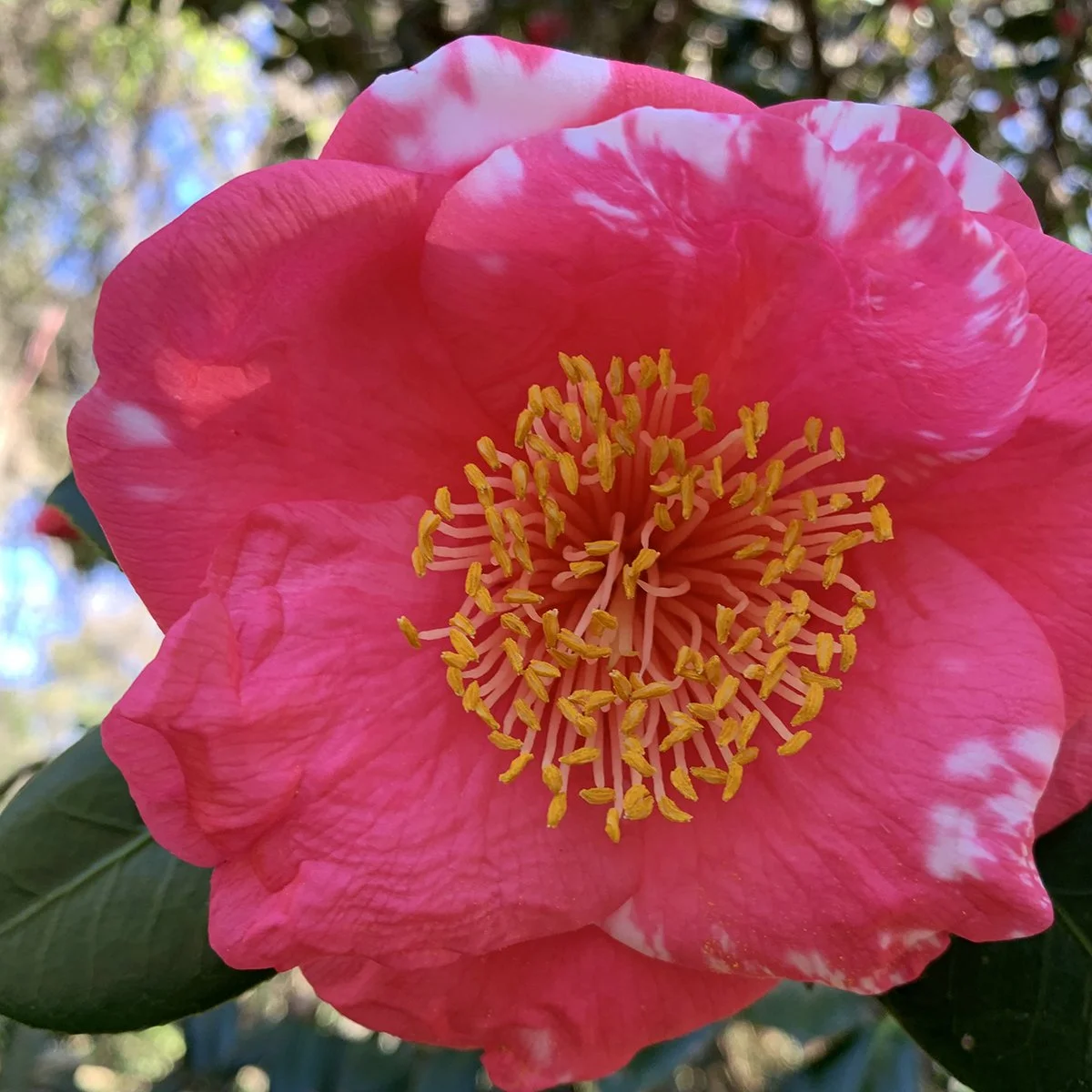
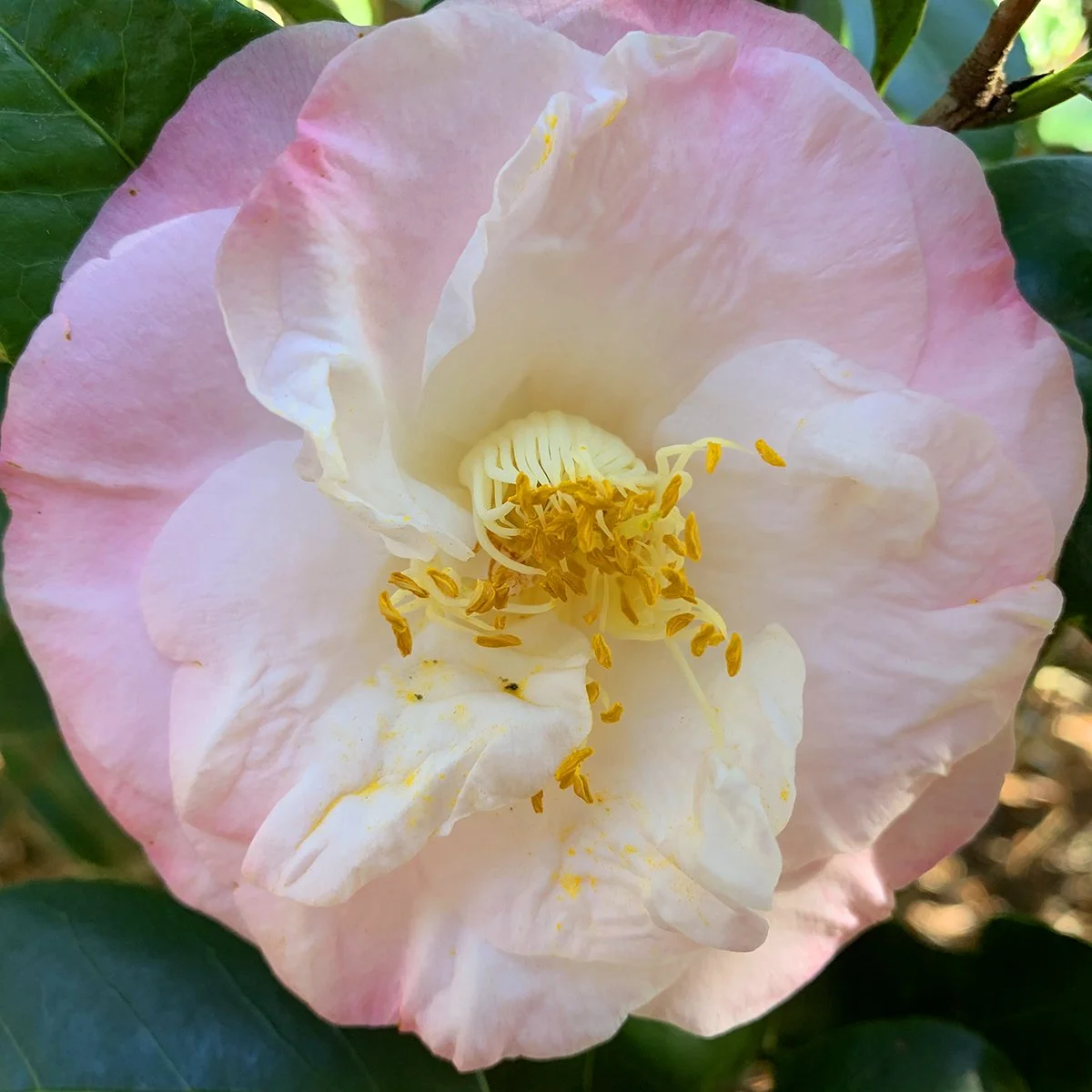
Today, Leu Gardens is a botanical oasis in the middle of the city, with 40 different plant collections. The Camellia Collection ranks among the largest in the United States. Camellias were Harry’s favorite plants, and he created a major collection of Camellia japonica and Camellia sasanqua varities. More than 1,700 plants and 250 cultivars are displayed throughout the gardens. They thrive in the shade of mature oaks and grace the garden with their gorgeous flowers from mid-October through March.
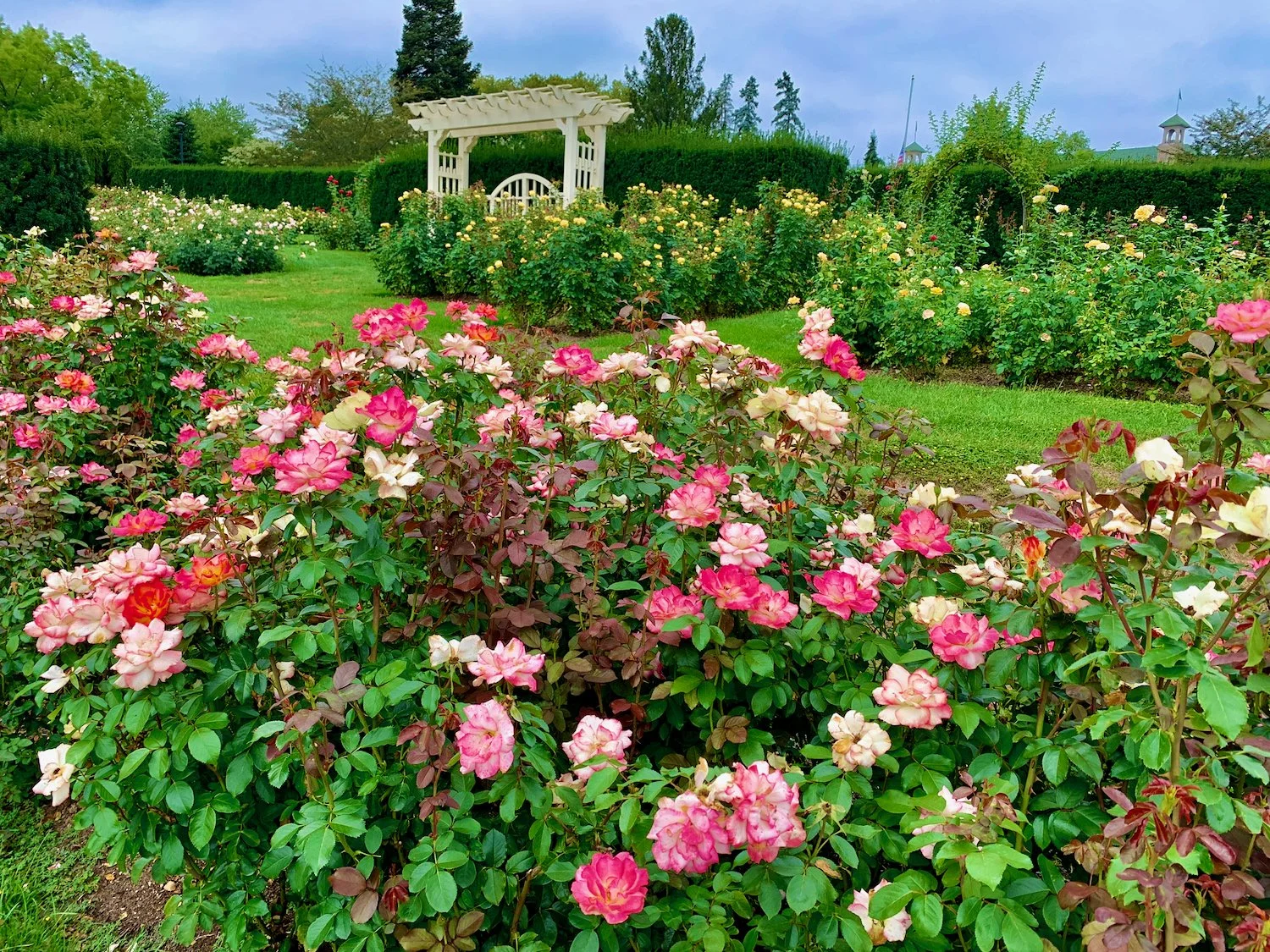
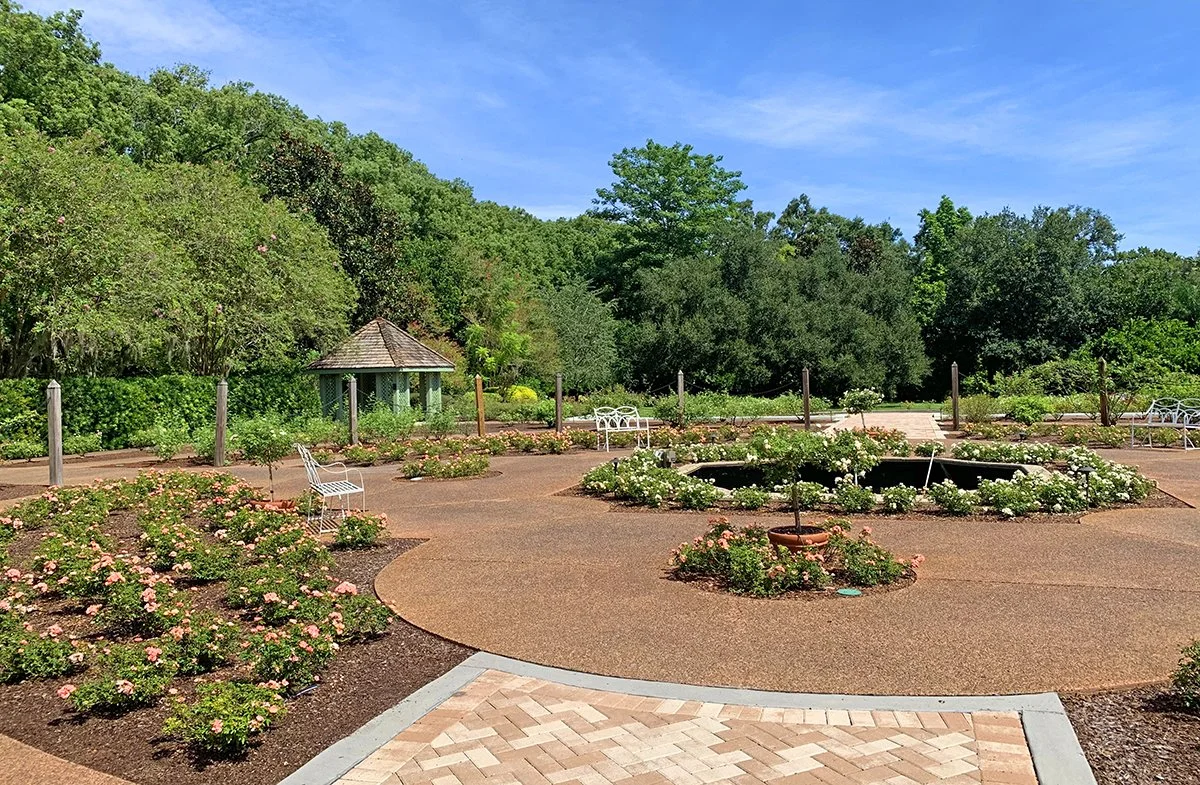
Mary Jane was passionate about roses, and she created a small rose garden in 1944 on the banks of the lake. Today, Leu Gardens features one of the largest formal rose gardens in Florida, with 650 roses in beds surrounding an elegant fountain. The 25 varieties include old garden roses and modern hybrids. All are suited for Central Florida growing conditions.
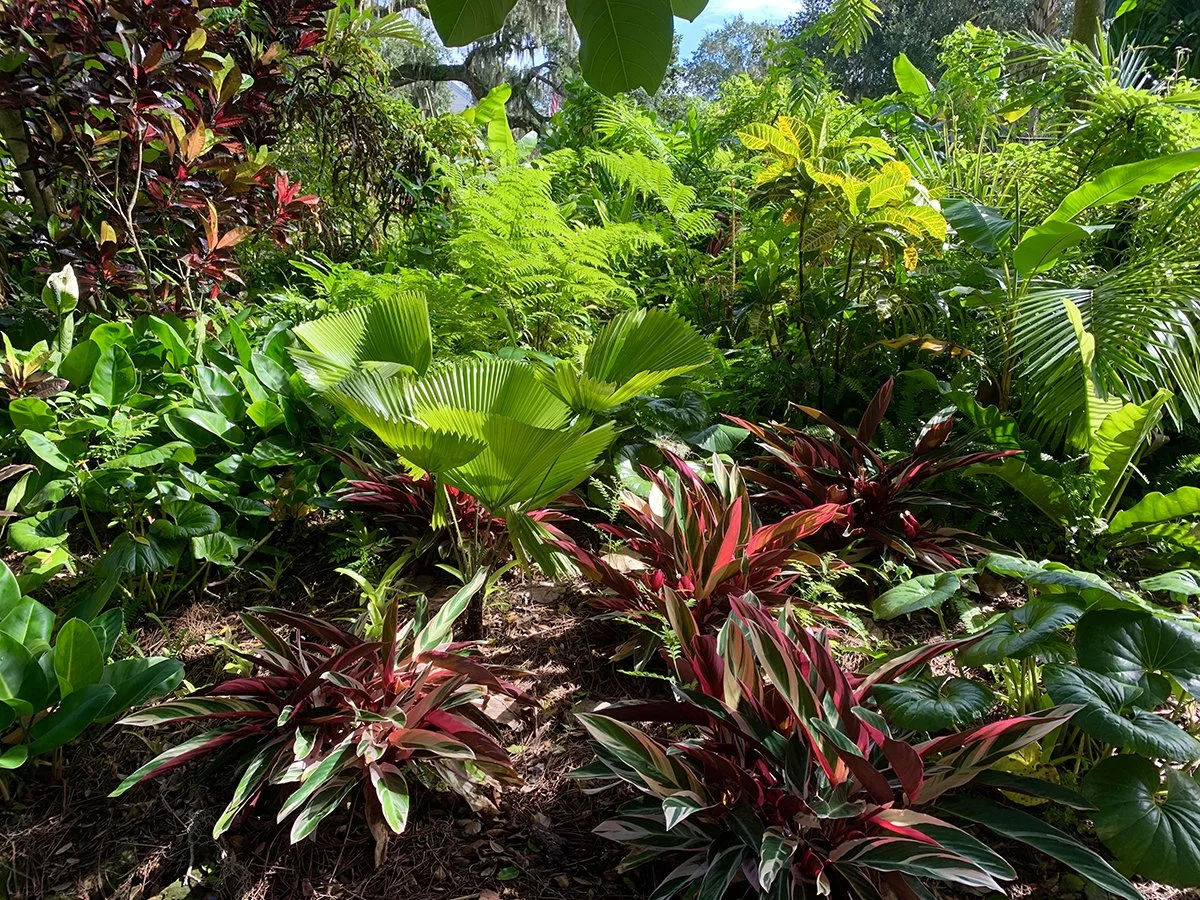
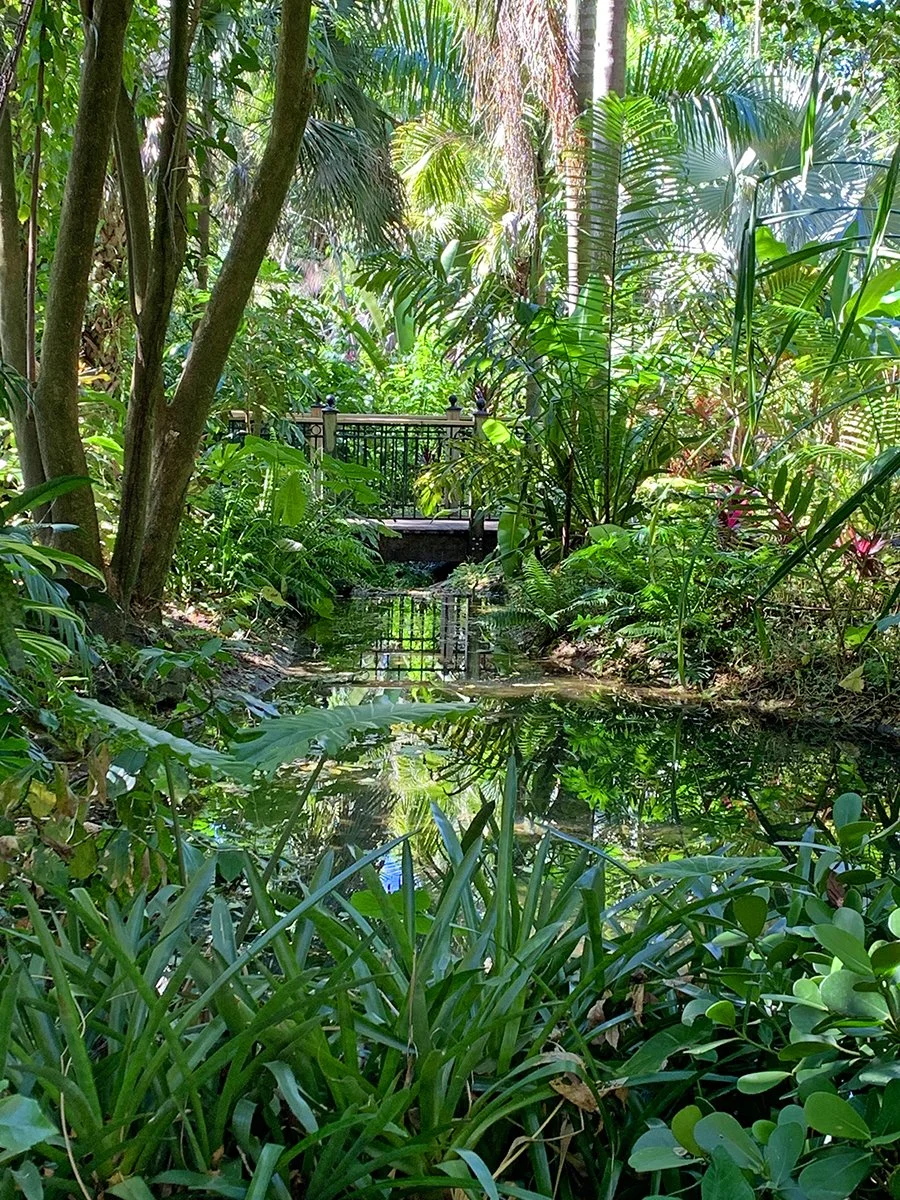
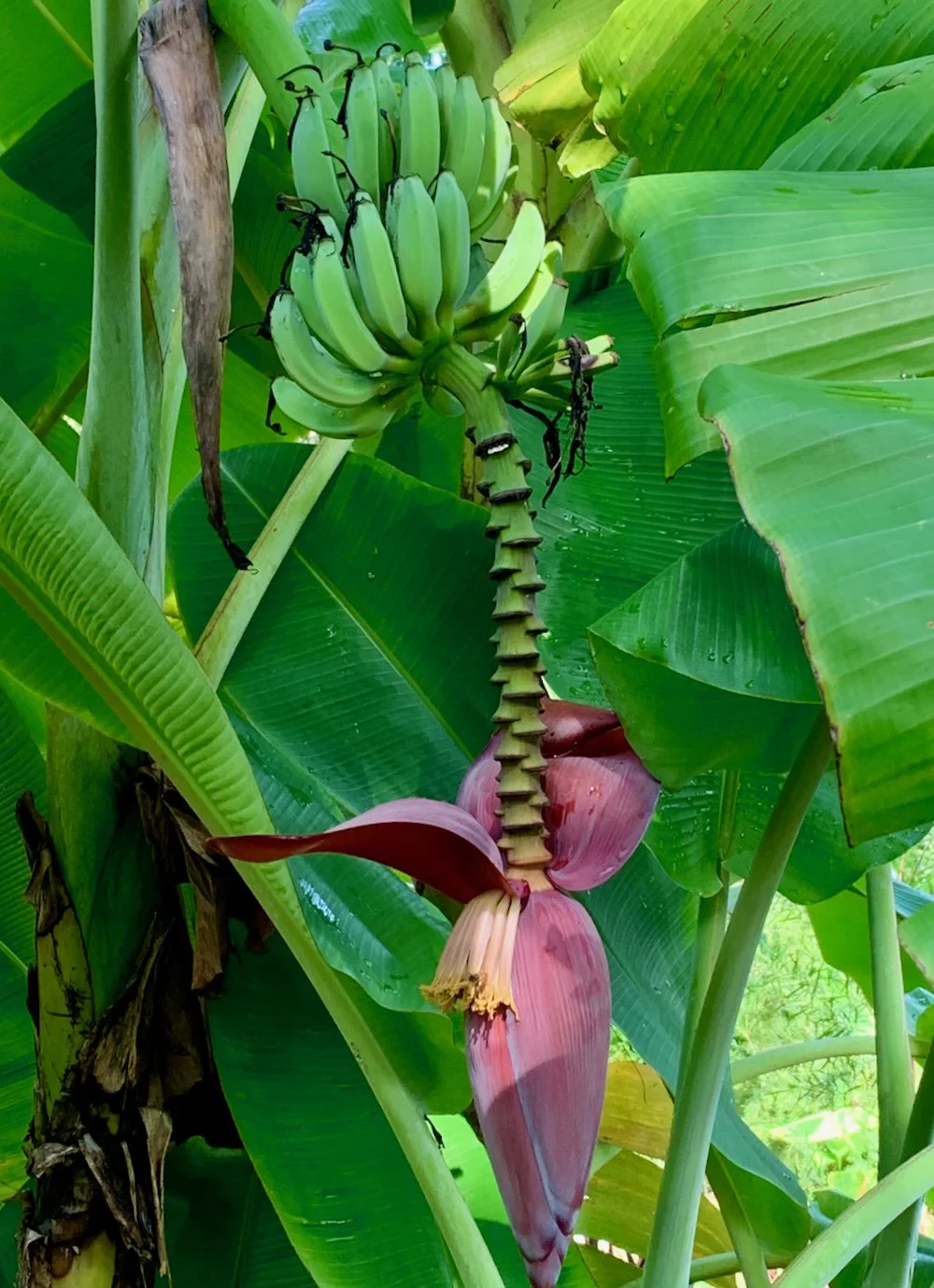
The Tropical Stream Garden transports you into a tropical rainforest with a gurgling stream. The towering palms, banyans, bananas, and flowering trees are densely underplanted with colorful birds-of-paradise, bromeliads, calatheas, crotons, gingers, heliconias, and ti plants. Leu Gardens’ aroid collection is also found here, with caladiums, monsteras, philodendrons, anthuriums, dieffenbachias, and other exotics.
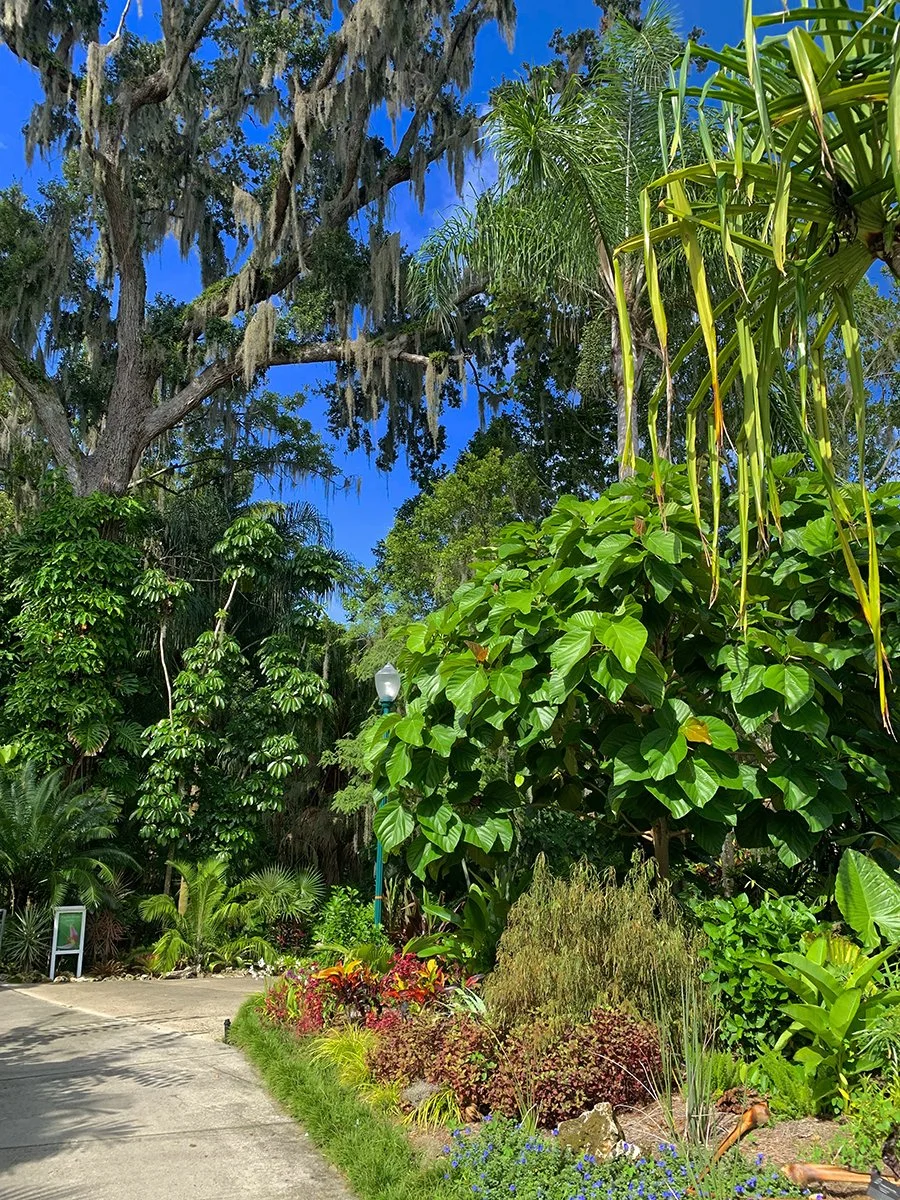
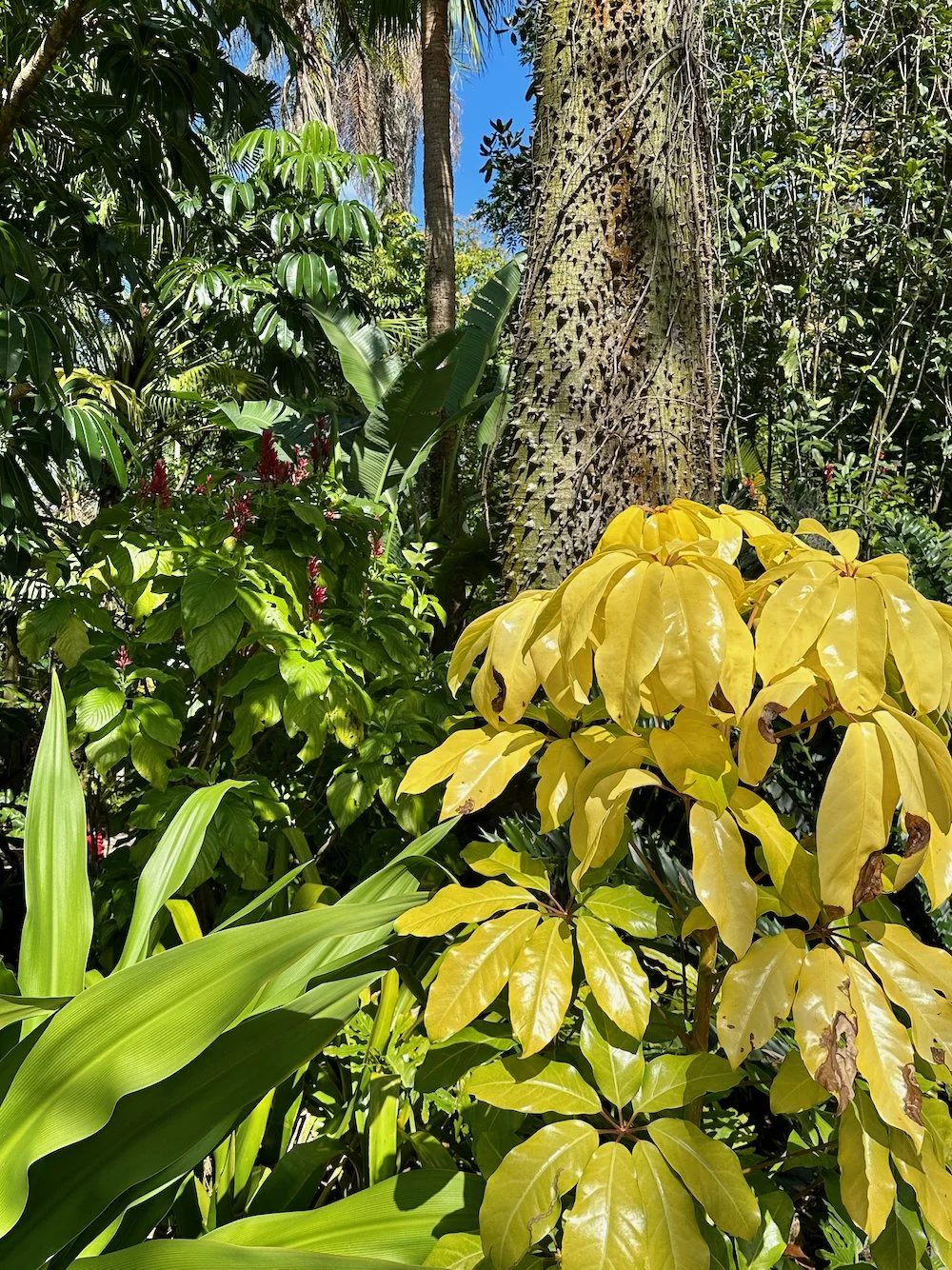
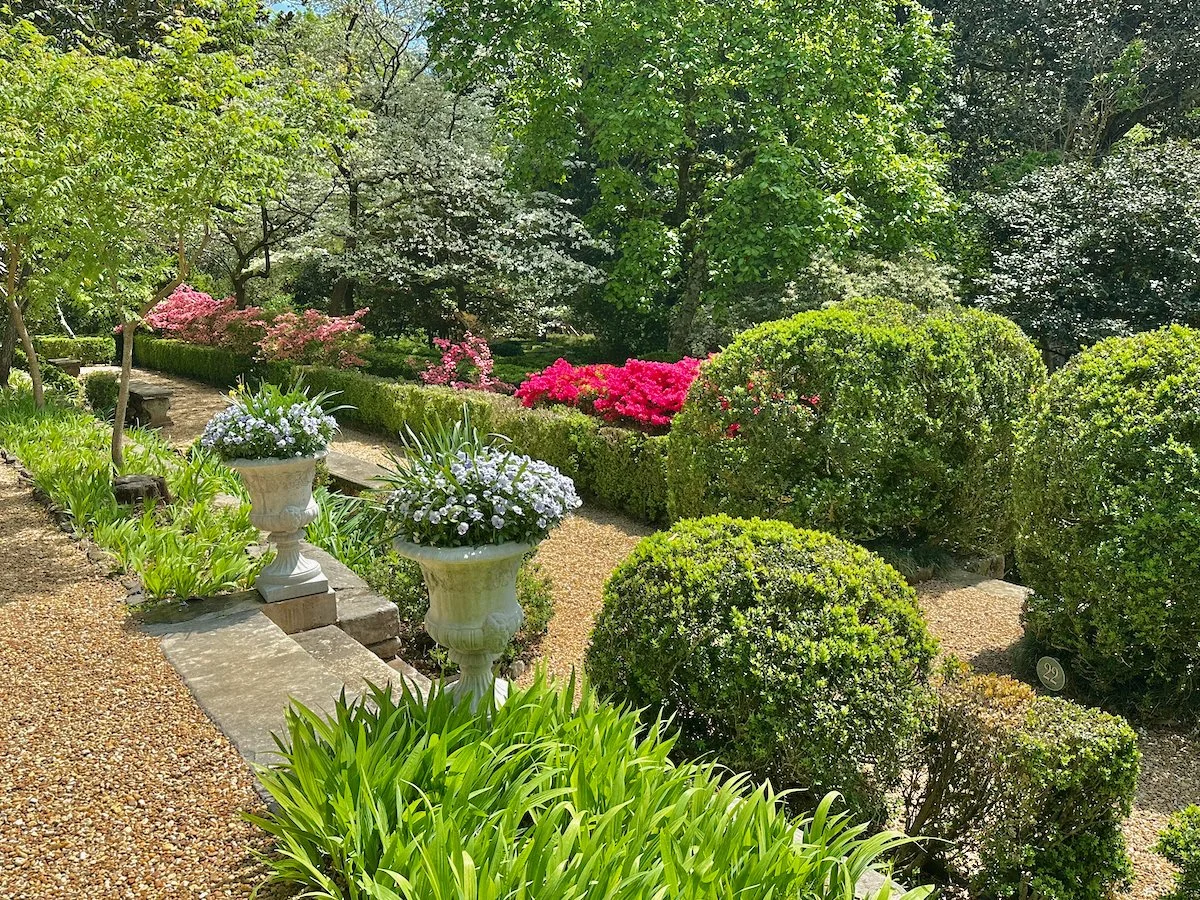
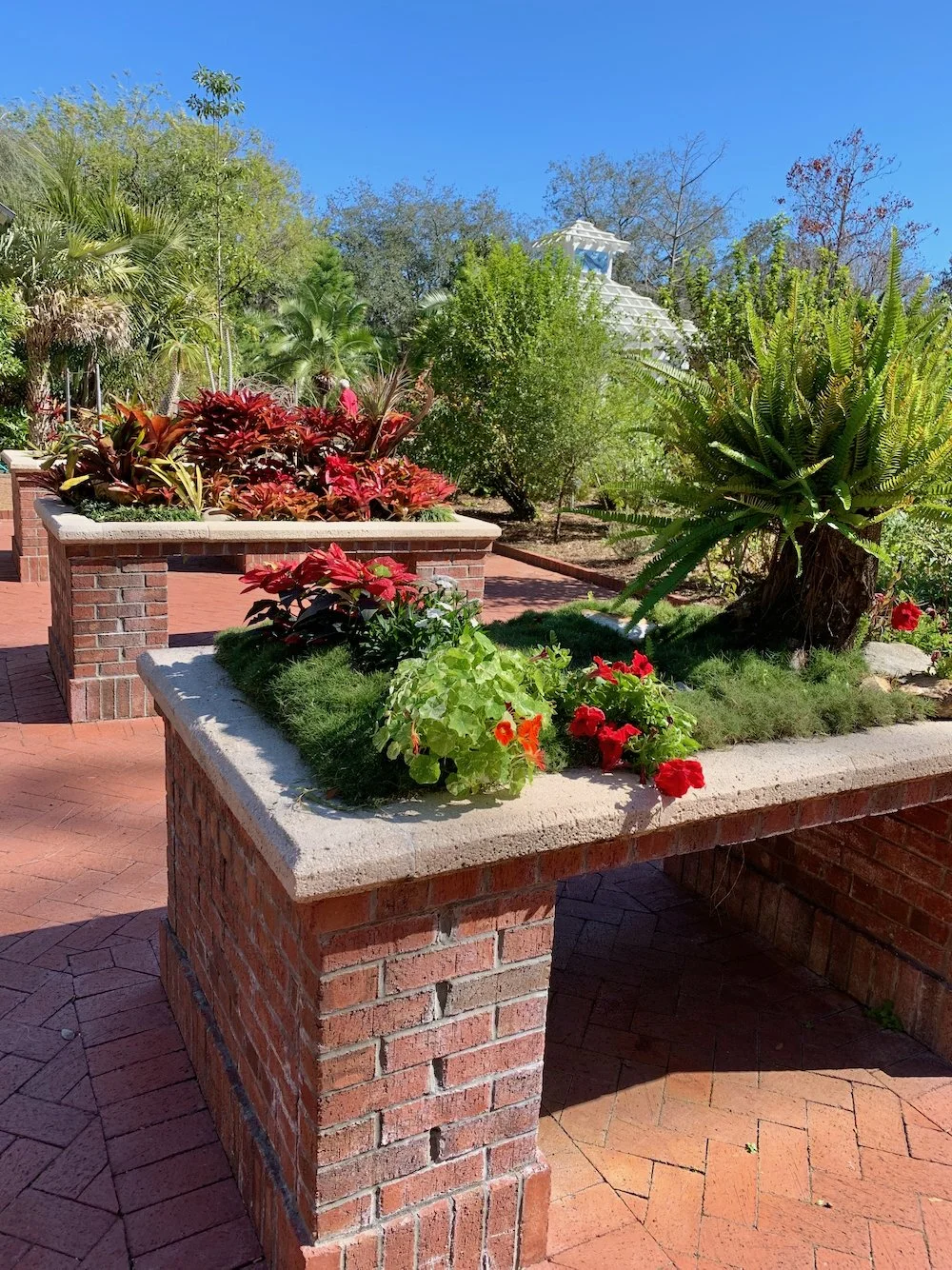
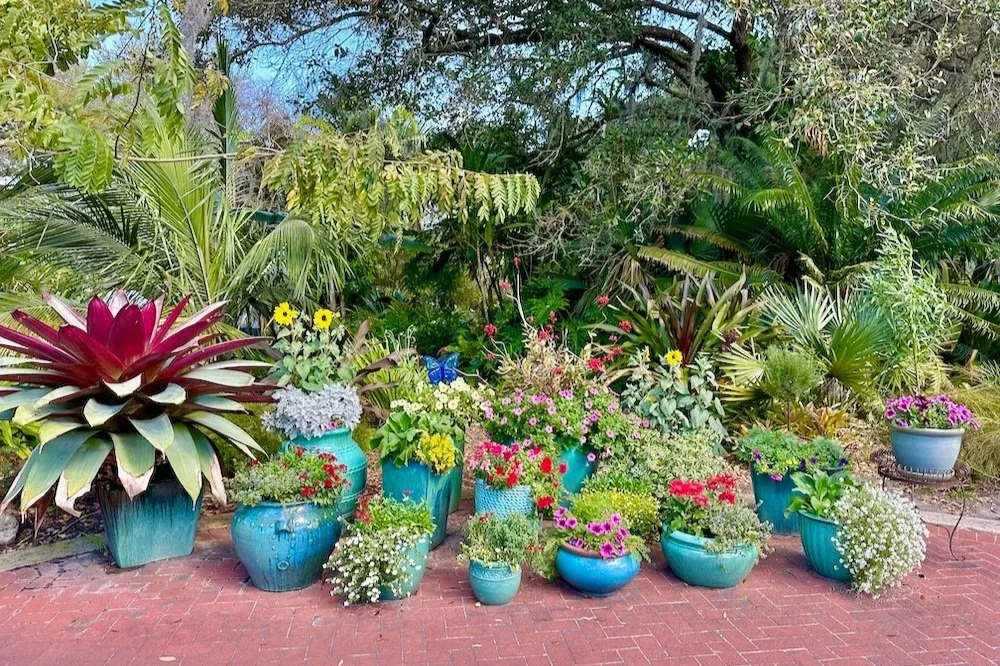
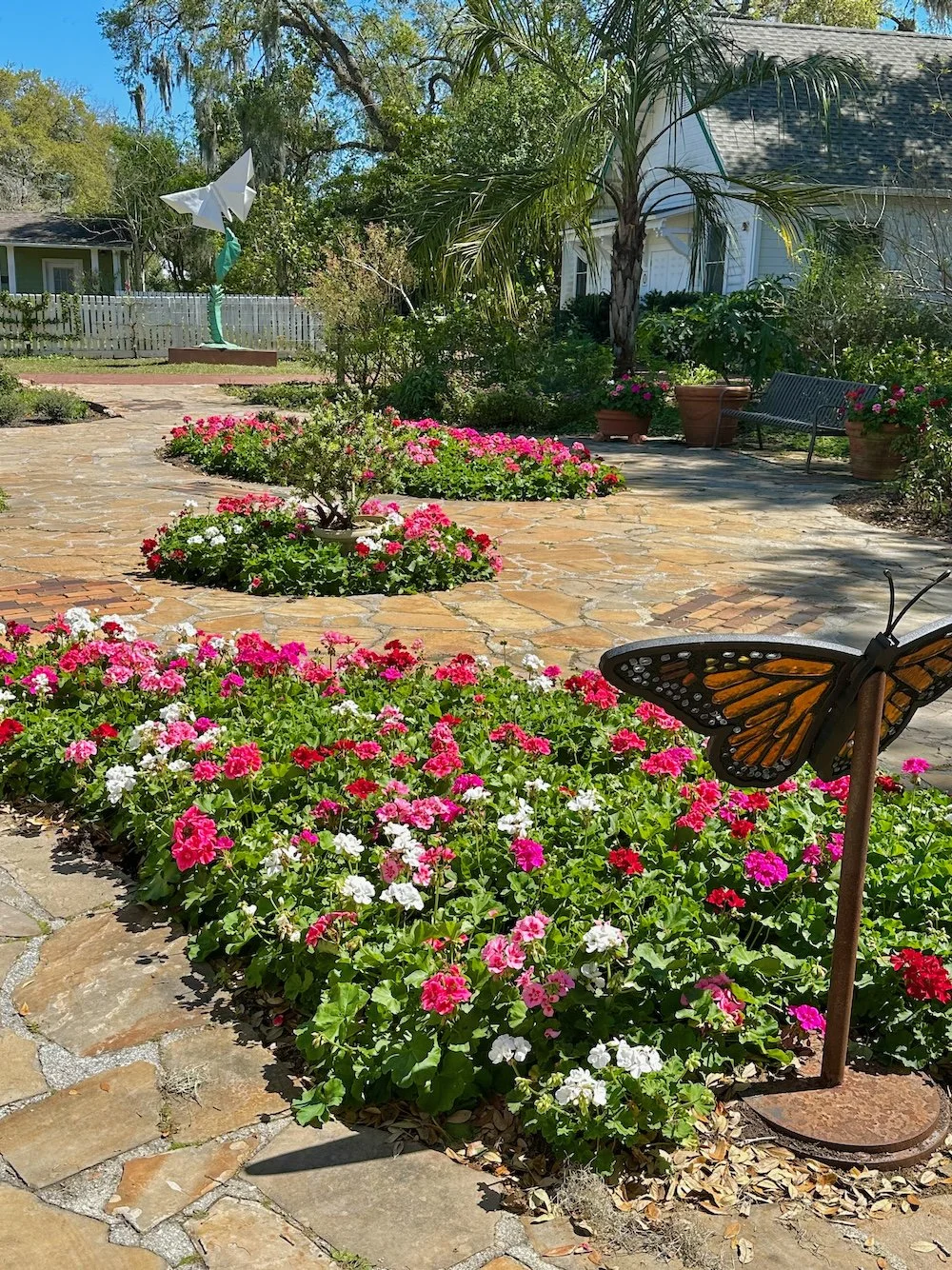
The Idea Garden is an excellent resource for home gardeners, with ten residentially scaled theme gardens showcasing noteworthy plants, materials, and growing techniques. There is a Fragrance Garden, Ornamental Grass Garden, Subtropical Fruit Garden, Wildflower Garden, Shade Garden, Perennial Garden, and an Urban Patio Garden. The Bird Garden displays plants that attract birds with their fruits and berries. The Bog Garden demonstrates plants that tolerate wet locations, areas where water can stand for several hours to a couple of days at a time following a heavy rainfall. The Enabling Garden illustrates ways in which gardening can be adapted for those with special needs. Raised beds provide accessibility for visitors in wheelchairs and those with visual impairments.
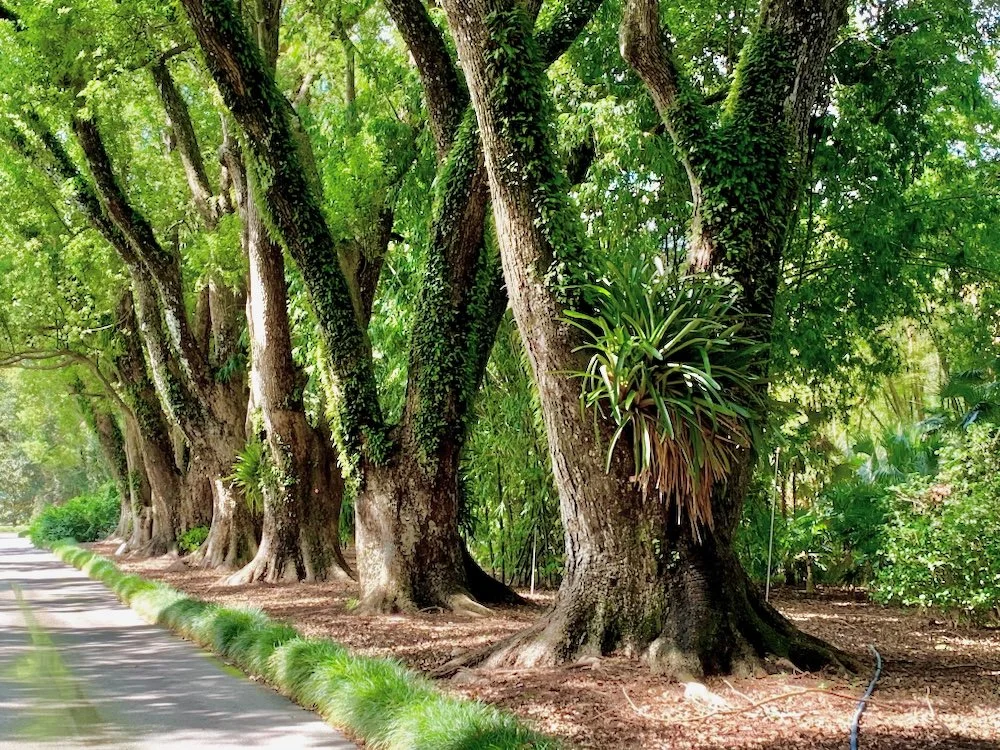
Other special features include Camphor Row, an allée of giant camphor trees (Cinnamomum camphora) that were planted in 1900 and lined the Leus’ driveway. The trees are native to Asia and are very aromatic. They are the source of camphor oil and other essential oils widely used in medicines and insect repellents.
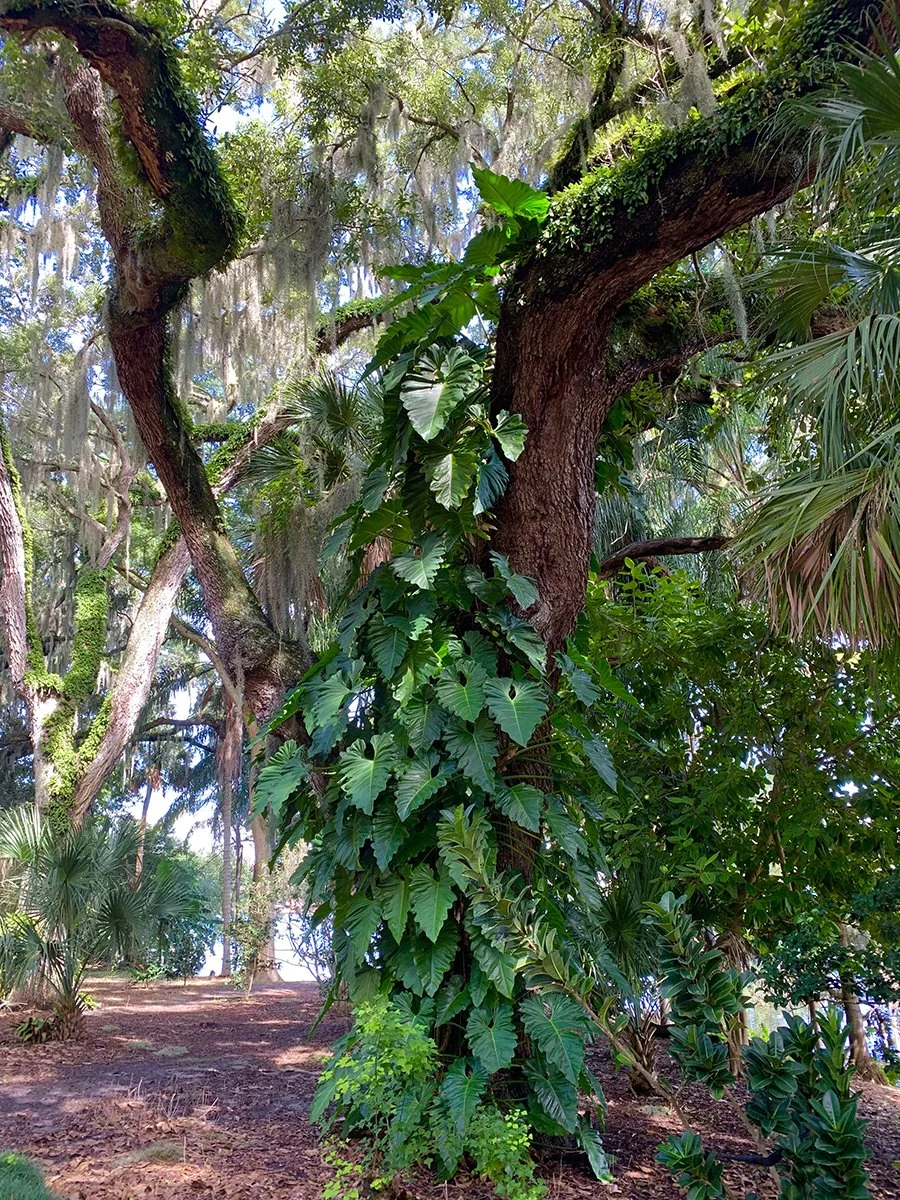
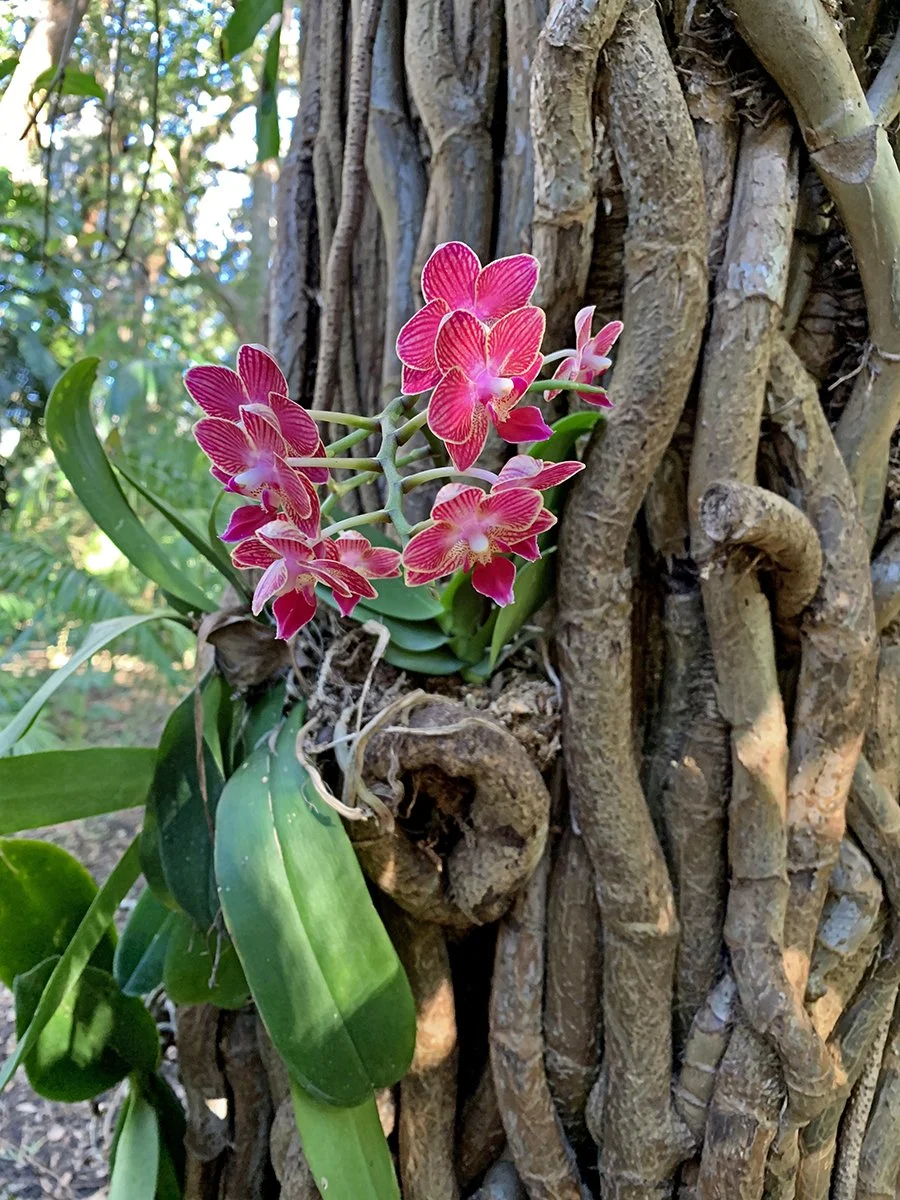
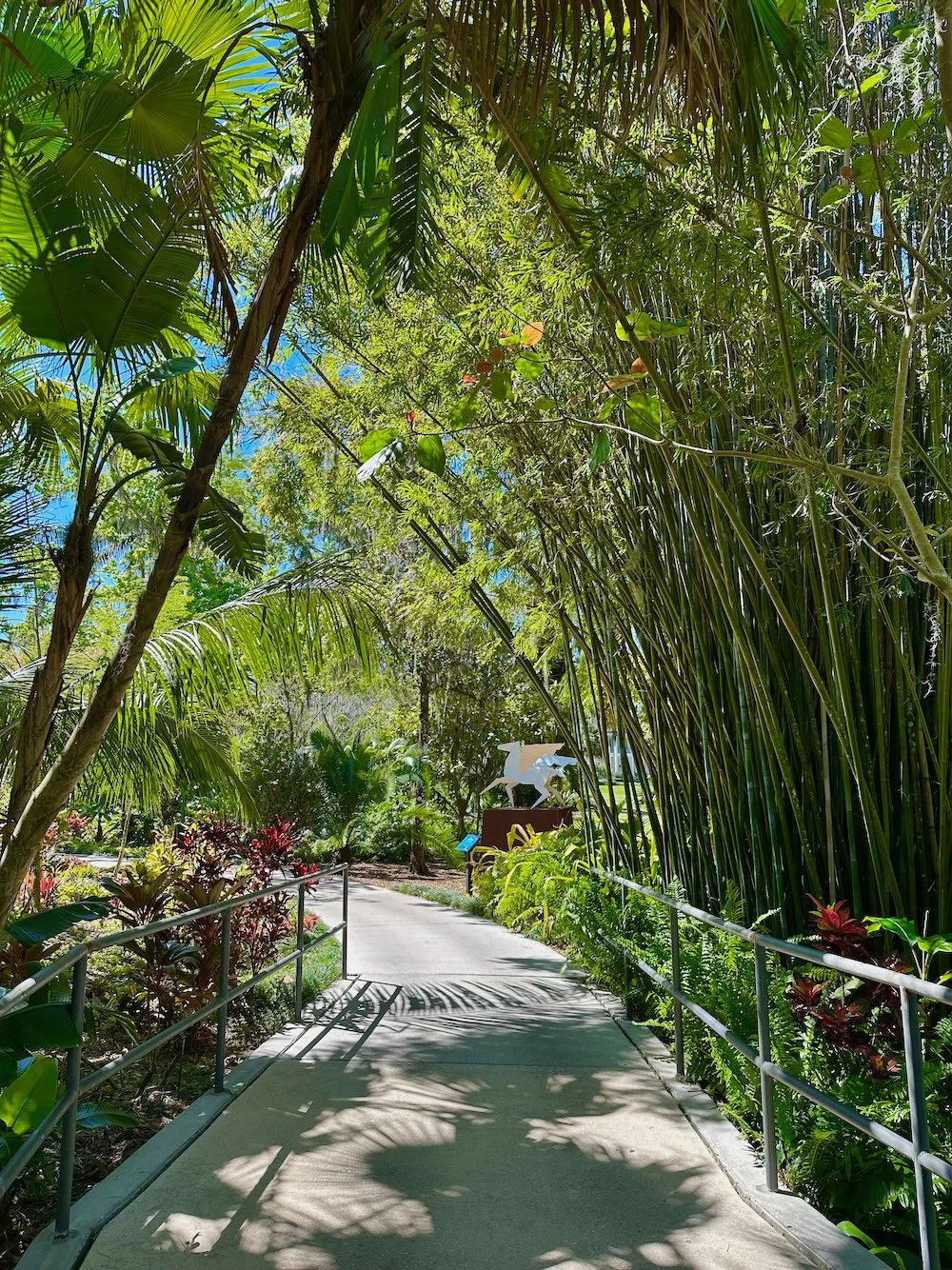
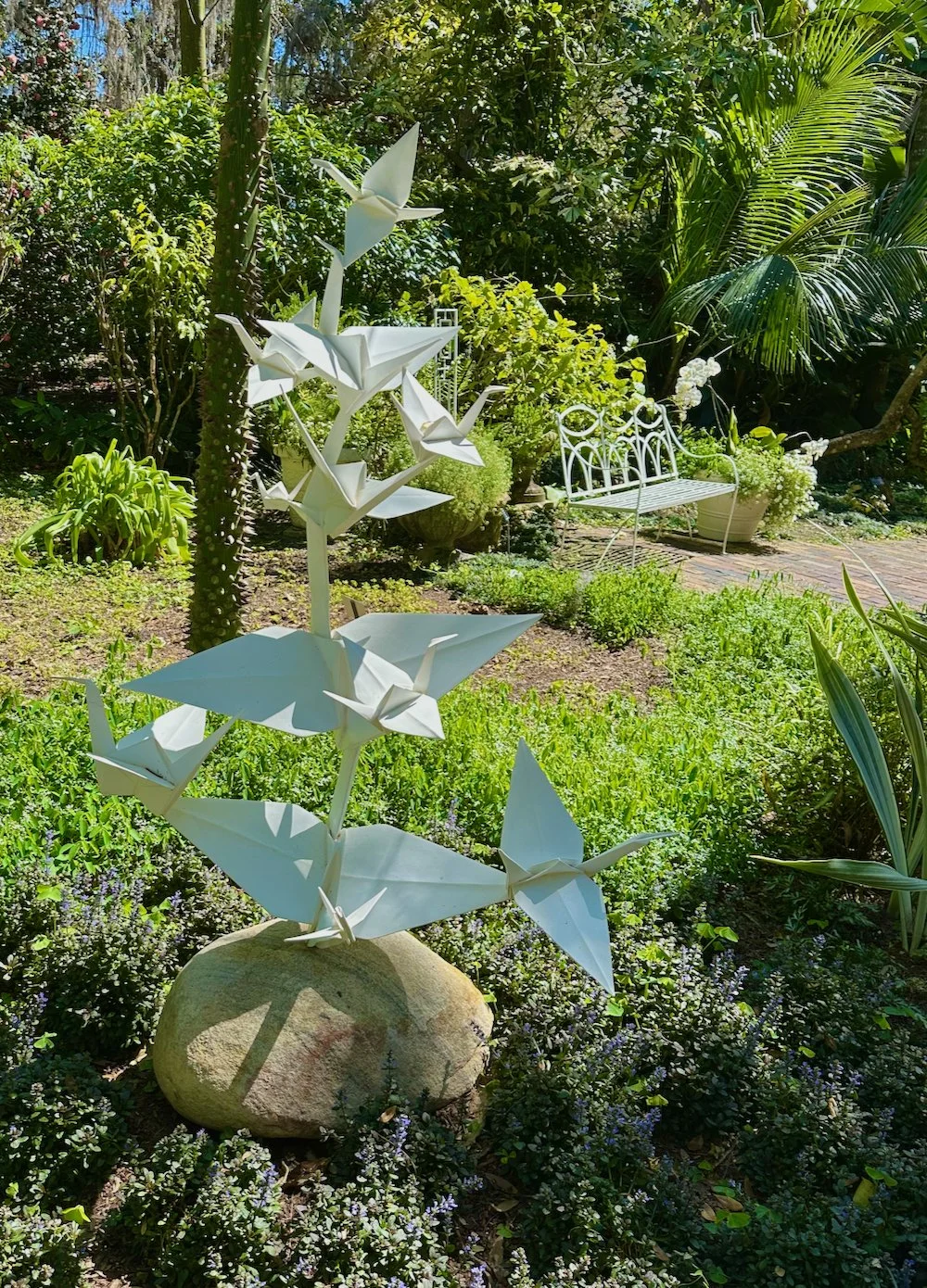
A total of 15,500 plants includes both Florida natives and exotics from all over the globe. More than 300 varieties of palms, 50 different bamboos, unusual conifers, and flowering trees enhance the landscape. The White Garden displays shrubs and flowers with white blooms or green and white variegated foliage.
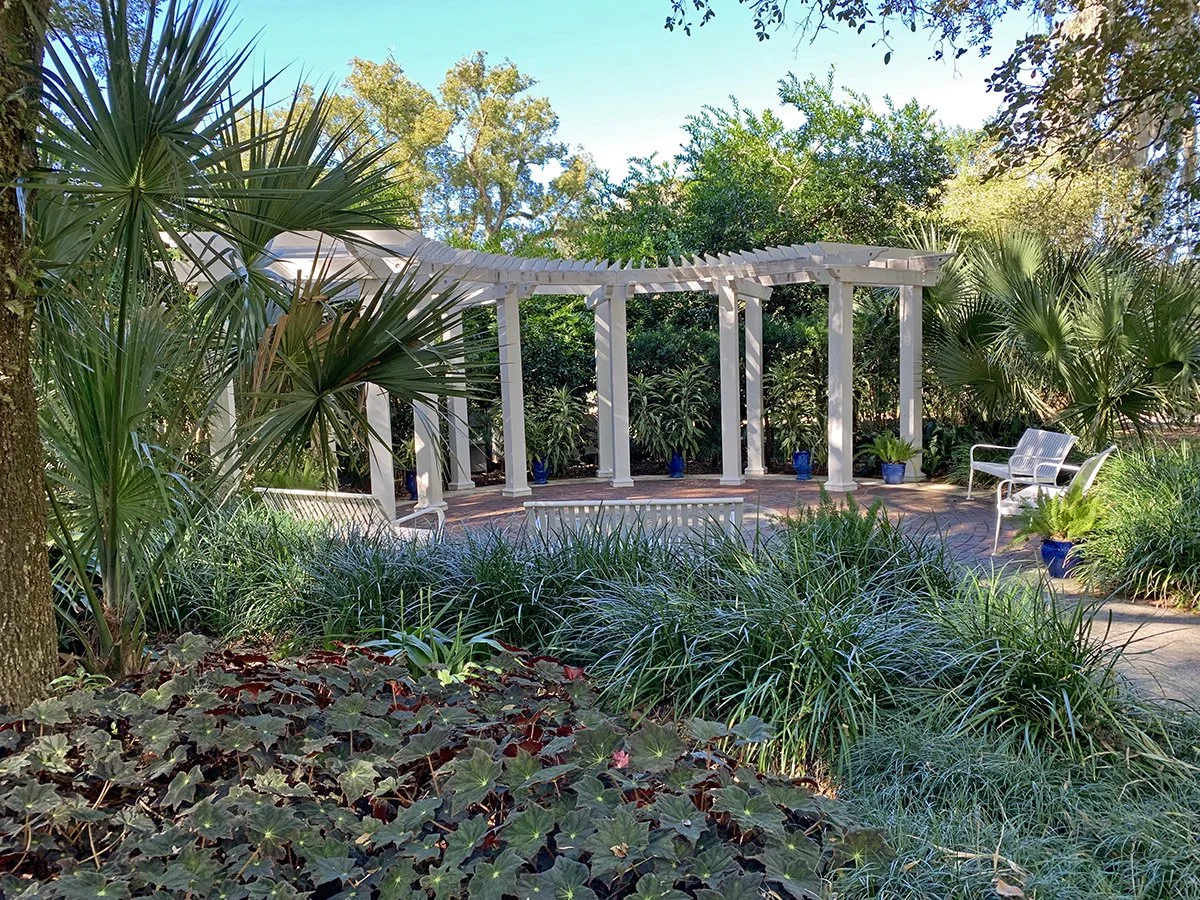
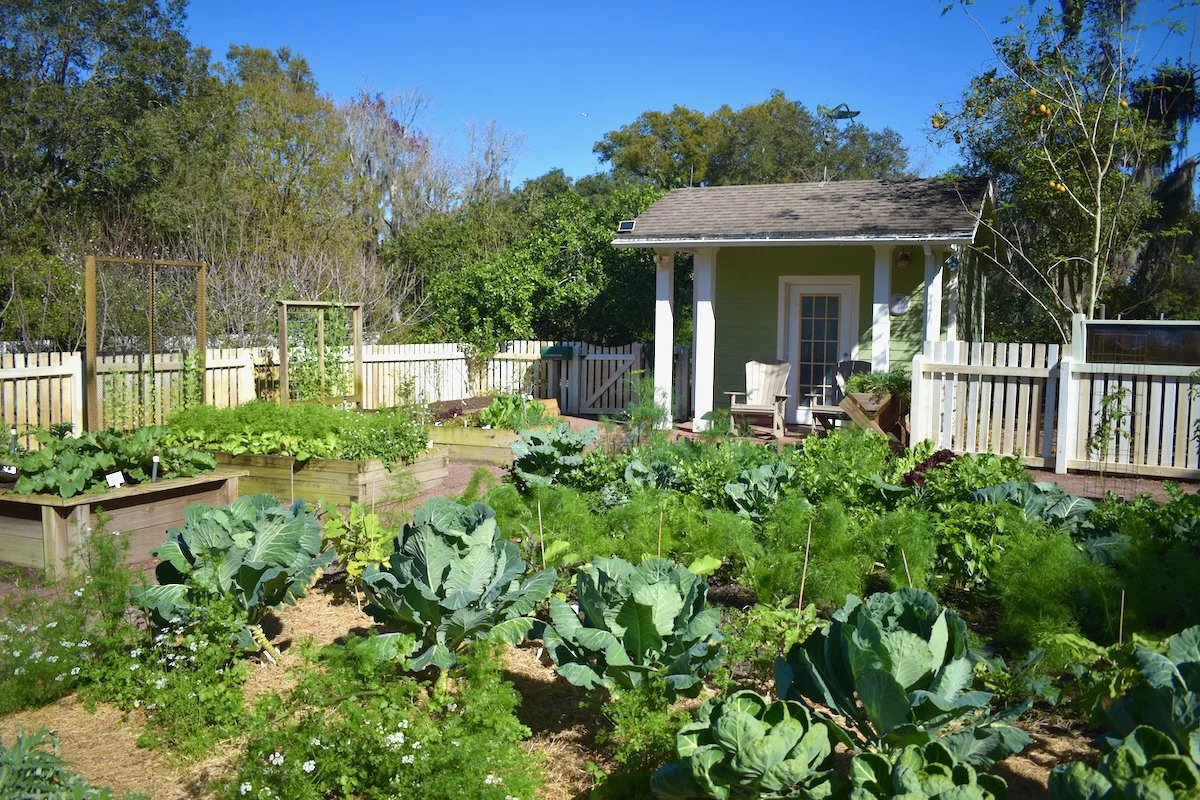
A charming vegetable, herb, and butterfly garden area features pollinator plants, culinary and medicinal herbs, and seasonal vegetables suitable for Central Florida.
Leu Gardens offers a wide selection of educational programs, special exhibits and plant sales throughout the year.
Harry P. Leu Gardens, 1920 N. Forest Ave., Orlando, FL 32803, 407-246-2620, leugardens.org
You might also like: